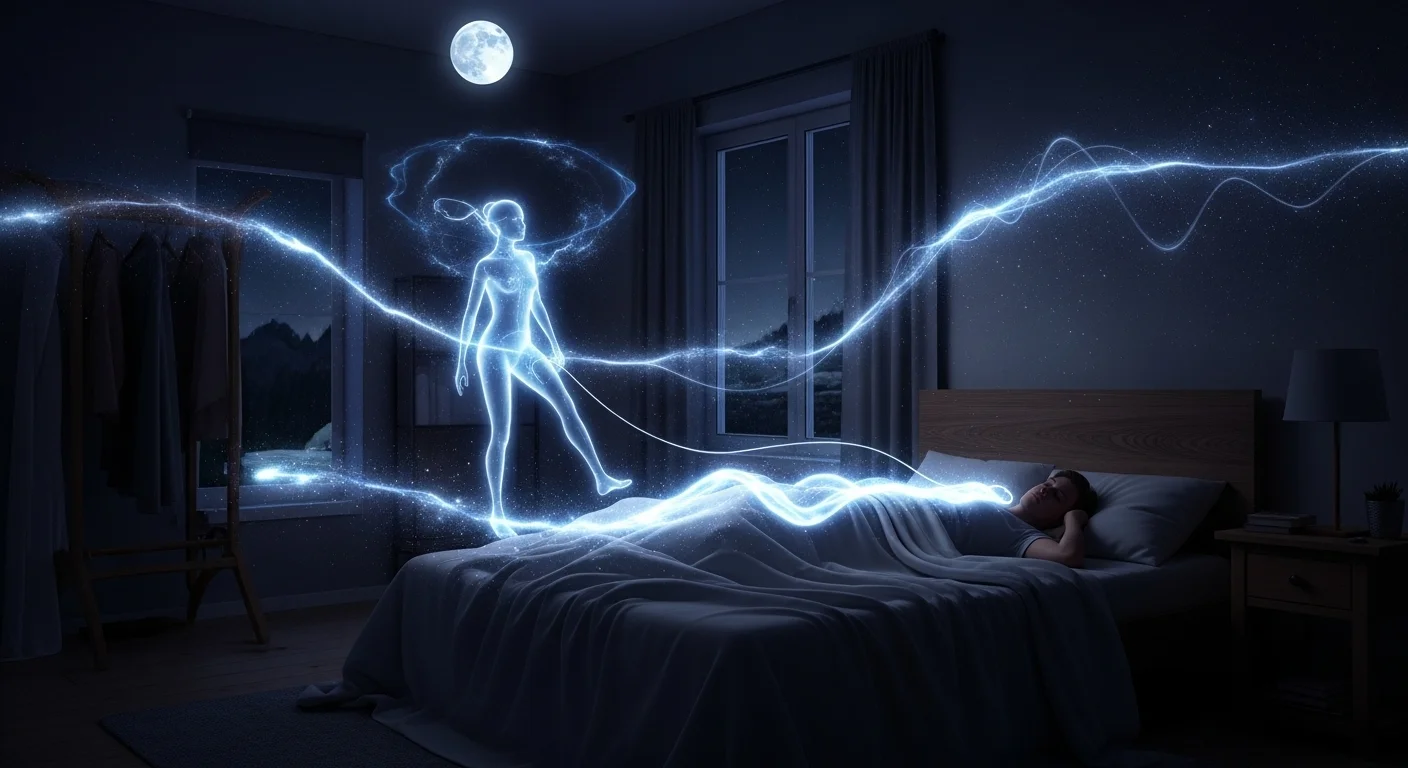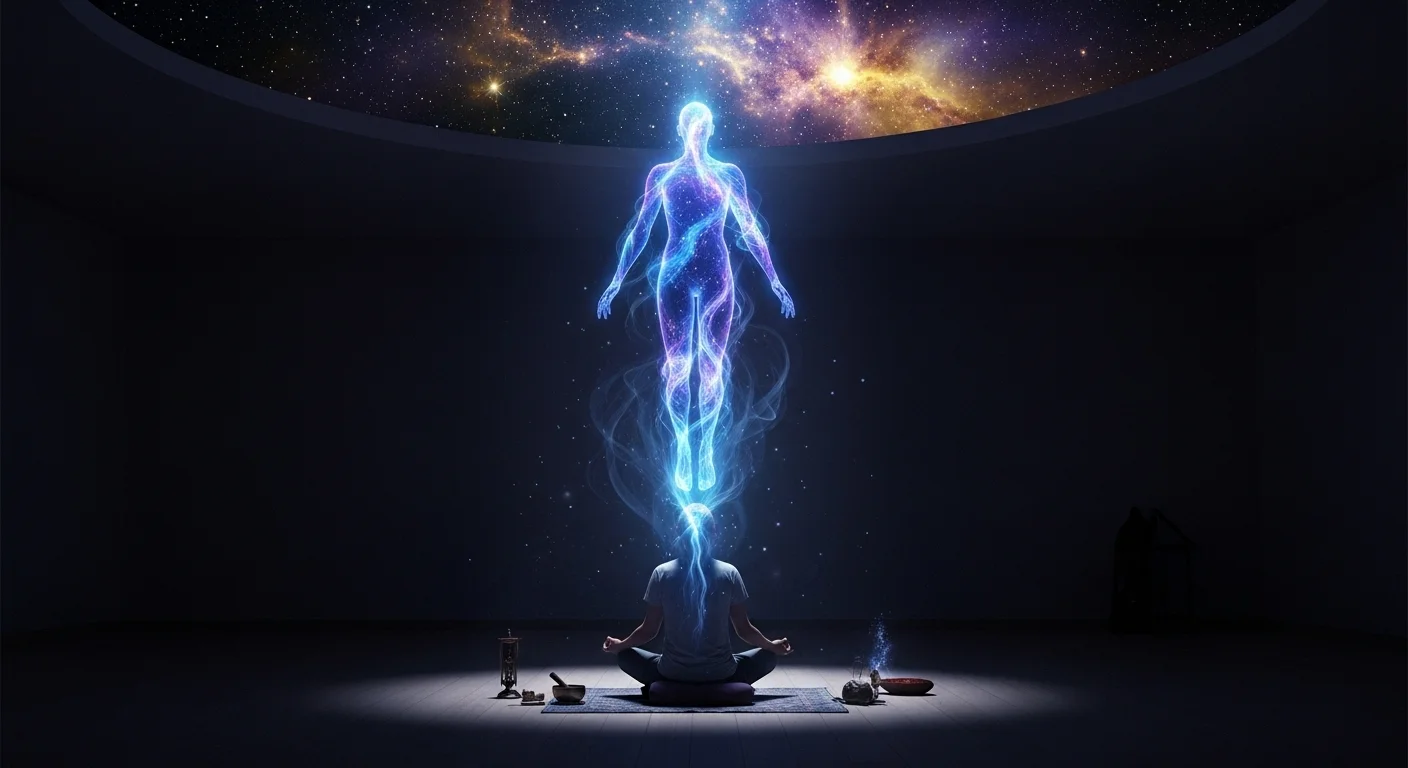

Establishing a routine is essential for success in astral projection. Many beginners fail because they attempt techniques at random times or only when they feel motivated. This sporadic approach prevents the brain from recognizing the practice as a priority. You must train your mind to expect the projection exercises at specific times. When you practice inconsistently, you do not build the necessary neural pathways for lucidity. A strict schedule helps condition your consciousness for the transition.
You should select a specific time of day for your sessions and stick to it daily. Many practitioners find that early mornings are effective because the mind remains alert while the body is relaxed. If you change your practice time constantly, your circadian rhythm cannot adjust to the new activity. Regularity allows your body to relax faster during each session. You need to view this practice like learning a technical skill that requires daily attention.
Discipline produces better results than intensity. It is more effective to practice for twenty minutes every day than for two hours once a week. You must commit to a schedule for at least thirty days to see distinct progress. If you miss days frequently, you will lose the momentum you gained from previous sessions. Create a calendar to track your attempts and maintain accountability. A consistent regimen removes uncertainty and prepares the mind for separation.
Allowing Fear to Interrupt the Process
Fear is a primary barrier to successful astral projection because it triggers a physical stress response. During the separation phase, you may experience intense vibrations or loud noises. If you panic, your body releases adrenaline immediately. This hormone increases your heart rate and alerts your nervous system. The sudden physiological arousal pulls your awareness back to the physical body. Consequently, the deep state of relaxation required for projection breaks, and the separation process stops instantly.
Psychological anxiety also creates a significant block during astral projection attempts. Many practitioners worry about getting lost or encountering negative entities. This mental tension prevents you from letting go of control. When the mind remains on guard, it maintains a focus on physical reality. You cannot enter the state needed for consciousness to shift outwards. This defensive mindset creates a mental barrier. It keeps your awareness inside the physical body and prevents successful separation.
You must prepare yourself to handle these sensations before you attempt to project. Education is the most effective tool against this specific obstacle. Learn the common symptoms of the separation phase so they do not surprise you. When you feel the vibrations start, remain an observer rather than a participant. Remind yourself that the physical body is safe in bed. By maintaining emotional neutrality, you allow the process to continue without the interruption of a panic response.
Moving the Physical Body Prematurely
Many practitioners fail to project because they move their physical muscles too soon. When you attempt astral projection, your body must enter a state of deep relaxation or sleep paralysis. If you move a finger or shift your weight, the brain immediately receives signals that the body is still awake. This action breaks the delicate trance state required for separation. You must keep the physical body completely still to allow the mind to fall asleep while your awareness remains active.
A common error occurs when the practitioner feels strong vibrations or signals. These sensations indicate that the energy body is ready to separate from the physical form. However, the urge to move often leads the person to use their physical muscles instead of their mental intent. You might try to lift your arm and accidentally lift your physical arm. This physical engagement halts the separation process instantly. You need to distinguish clearly between physical movement and the sensation of non-physical movement.
To prevent this mistake, focus on exit techniques that rely on visualization or sensation rather than muscle tension. Visualize yourself rolling out of bed or floating upward without sending commands to your nerves. Test the state of your body by attempting to see through your closed eyelids before you try to move. If you feel resistance or heaviness, do not force the movement. Wait for the vibrations to stabilize before you attempt to leave the physical body completely behind.
Attempting Projection Without Sufficient Relaxation
Successful astral projection requires a state where the physical body falls asleep while the mind remains fully alert. This specific condition cannot occur if your muscles hold any tension. When you attempt to project without reaching deep physical relaxation, your brain receives signals that you are still active. These signals prevent the onset of the hypnagogic state, which acts as the necessary transition point. Consequently, you remain confined to the physical sensation of your body.
Many practitioners fail because they mistake mental focus for physical effort. Trying too hard creates physical stress and activates the sympathetic nervous system. This action releases chemicals that are designed to keep you awake and alert. To project, you must activate the parasympathetic nervous system, which governs rest and recovery. If your heart rate is high or your breathing is shallow, you cannot disconnect from physical sensory input to perceive the non-physical environment effectively.
You should dedicate the majority of your practice time to relaxation techniques before you try any exit method. Techniques like progressive muscle relaxation are effective tools to systematically release tension from every muscle group. Do not attempt to separate from the body until you lose all awareness of your physical position. If you rush this process, you will likely fail. Establish a profound state of calmness first, and the projection process will follow naturally.
Poor Sleep Hygiene and Physical Exhaustion
Physical exhaustion is a major barrier to achieving lucid astral projection. When your body is overly tired, it prioritizes deep restorative sleep over the lighter stages of sleep where projection occurs. You will likely fall unconscious immediately upon lying down. This rapid descent into deep sleep causes you to miss the hypnagogic state entirely. You need a balance where the body is relaxed but the mind remains alert enough to maintain consciousness during the transition.
Poor sleep hygiene disrupts the natural circadian rhythms that regulate your sleep cycles. Irregular sleeping hours or exposure to blue light before bed suppresses melatonin production. Consuming heavy meals or caffeine late in the day also keeps the nervous system too active. These factors create an unstable sleep foundation. Without a consistent sleep schedule, your brain cannot predict when to enter the specific sleep phases required for lucid dreaming or astral projection attempts.
You must prioritize adequate rest to increase your chances of success. Attempting projection techniques after a long, stressful day usually leads to failure. It is more effective to practice after you have already slept for several hours. This approach ensures your body has received necessary rest. When physical needs are met, your mind can focus on mental techniques without fighting against biological exhaustion. A well-rested body supports a focused and conscious mind.
Losing Mental Focus During the Transition Phase
The transition phase happens when your physical body sleeps but your mind stays awake. This state often includes sensations like vibrations or loud sounds. Many practitioners fail here because they let their thoughts wander. If you observe random thoughts without control, your awareness fades quickly. This leads to normal unconscious sleep instead of a projection. You need to keep a specific level of alertness while your body relaxes completely. This prevents you from falling asleep prematurely.
When your mental focus drops, the brain interprets this as a signal to start deep sleep. The projection process requires a steady stream of passive attention. If you become distracted by daily problems or random dream images, the process stops. This distraction disconnects you from the immediate goal of separation. Without a clear focal point, the astral body cannot detach from the physical body. You must avoid engaging with the random images that appear.
To fix this mistake, you must use a mental anchor technique. You can focus your attention on your breathing pattern or a simple visualization. This anchor keeps your mind active while the body shuts down. The goal is to remain an observer without analyzing the sensations. If you notice your thoughts wandering, gently return your attention to your chosen anchor immediately. Consistent practice of this discipline increases your ability to remain conscious during the transition.
Your next step
If you already understand what astral projection is and you’re looking for practices that truly work, this e-book presents 35 tested techniques to induce out-of-body experiences. Each technique is explained clearly and directly, allowing you to choose the method that best fits your routine and level of awareness.
This material is ideal for those who want to apply objective and varied methods, speeding up the process of conscious out-of-body projection. It works for both beginners and practitioners who have already had experiences and want to expand their possibilities. This is a practical guide for anyone who wants consistent results.
If you are taking your first steps and want to understand the fundamentals of astral projection with clarity, this manual was created to make your learning easier. In it, you will find clear explanations about the subtle bodies, the stages of projection, the most common sensations, and how to deal with fear and mental blocks.
This e-book is recommended for anyone who needs a solid and safe foundation to start practicing with confidence. It organizes the concepts in a progressive way, helping you understand the process as a whole and develop a consistent and conscious practice.
For those who want more complete and in-depth guidance, the complete astral projection course offers structured lessons, guided practices, visualizations, advanced techniques, and ongoing support. The content was designed to take you from theory to practice with safety and consistency.
This course is suitable for all levels, from beginner to advanced, and provides a systematic approach based on years of research, experience, and proven results. You will learn how to awaken your potential, gain control of your experiences, and integrate spiritual insights into your daily life.