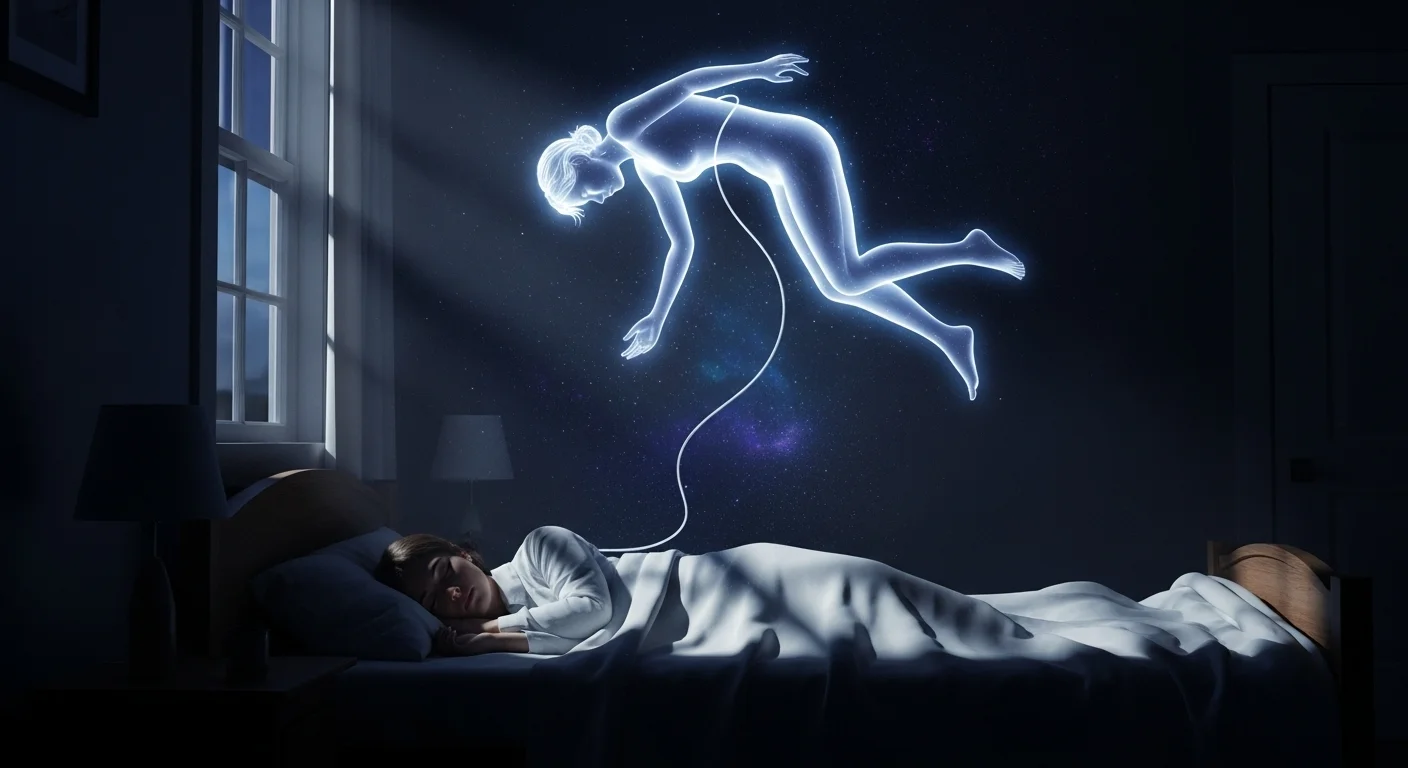
To begin the process, you must choose a quiet room where you will not be disturbed. Silence is essential for deep concentration. You should eliminate all external noise sources, such as televisions or phones. Adjust the lighting to be very dim or completely dark to reduce visual stimulation. The temperature of the room is also important. It should be comfortable enough so that you are neither too hot nor too cold, as physical discomfort distracts the mind from the task.
Next, you need to prepare your physical body for deep relaxation. Wear loose and comfortable clothing that does not restrict blood circulation. Lie down on a bed or a comfortable mat with your back flat against the surface. You can use a small pillow for your head, but keep your neck aligned with your spine. Separate your legs slightly and place your arms by your sides. This position helps prevent limbs from falling asleep and minimizes physical sensations.
Finally, manage your physical state by controlling your food intake before the practice. Avoid heavy meals for at least two hours before you attempt to project. The process of digestion consumes energy and can make it difficult to reach the necessary mental state. Hydrate yourself moderately, but do not drink too much water to avoid interrupting the session. Ideally, you should attempt this when you feel rested but still capable of relaxing without immediately falling into a deep sleep.
Achieving Complete Physical Relaxation
To begin this step, you must find a quiet place where you will not be disturbed. Lie down on a comfortable surface like a bed or a reclining chair. Your body needs to be flat, with your arms resting by your sides and your palms facing upwards. Loosen any tight clothing that might restrict blood flow or cause discomfort during the process. Close your eyes and take a moment to observe your breathing pattern without trying to change it immediately.
Start the relaxation process by focusing your attention on your toes. Tense the muscles in your feet for five seconds and then release the tension completely. Move your focus slowly upward to your calves, thighs, and hips, repeating the tensing and releasing action for each muscle group. Continue this method through your stomach, chest, hands, and arms. You must ensure that every part of your body feels loose and limp before you proceed to the neck and face area.
Finish the physical scan by relaxing your jaw, tongue, and the muscles around your eyes. These areas often hold tension without you noticing. Once your entire body is motionless, shift your focus to deep and rhythmic breathing. Inhale slowly through your nose and exhale gently through your mouth. This consistent airflow lowers your heart rate and signals to your nervous system that it is safe to sleep. Your body is now fully prepared for the next stage of projection.
Entering the State Between Waking and Sleeping
To begin this step, you must allow your physical body to relax completely while keeping your mind alert. This specific condition is often called the hypnagogic state. It occurs naturally just before you fall asleep. You need to lie down on your back in a comfortable position. Close your eyes and focus strictly on your breathing. The goal is to lower your heart rate and release tension from your muscles without losing your conscious awareness to actual sleep.
As your body relaxes, you must actively maintain your mental focus. A common method involves looking at the darkness behind your closed eyelids. You might see patterns of light or random images appear. Do not interact with these images or analyze them. Simply observe them as they pass. If you engage too much, you will wake up fully. If you lose focus, you will fall asleep. You must find the precise balance between these two states.
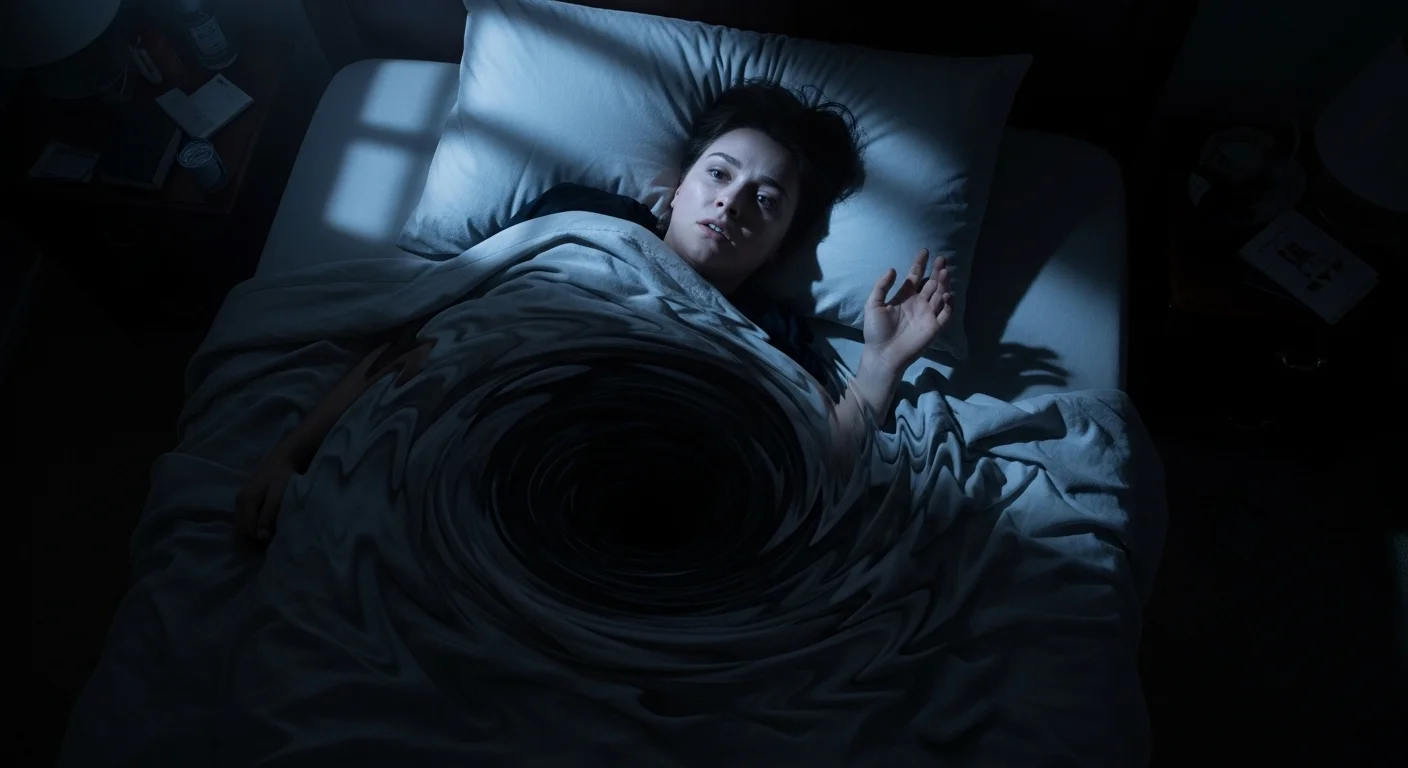
You will know you have reached the correct state when your body feels heavy or numb. Some practitioners report an inability to move their limbs easily. This is a sign of sleep paralysis, which prevents you from acting out dreams. You may also hear buzzing sounds or feel internal vibrations. Remain calm when these sensations occur. Fear or excitement will break the state immediately. Hold this deep relaxation until you are ready for the separation technique.
Inducing and Controlling the Vibrational Stage
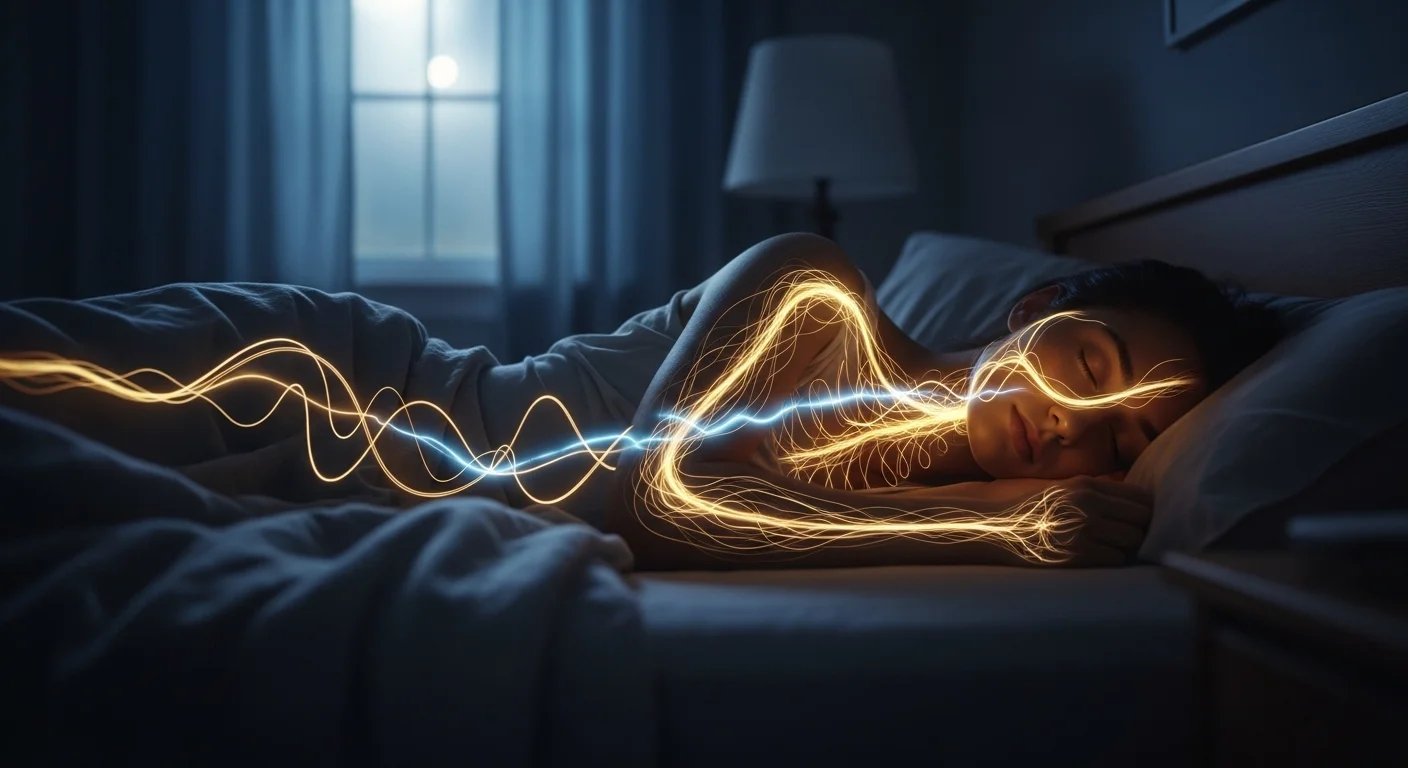
The vibrational stage occurs when your physical body falls asleep while your mind stays awake. To induce this state, you must lie down and relax every muscle completely. Close your eyes and focus on your breathing to calm your mind. Visualize energy moving from your feet to your head and back again. Continue this mental visualization until you feel a buzzing sensation or mild shaking in your body. This physical sensation indicates that the separation process is beginning.
You must remain calm when these vibrations start to appear. Many beginners feel fear because the sensation is intense and unfamiliar. Fear will cause your heart rate to increase and stop the process immediately. Instead of reacting, observe the vibrations passively. You can control them by mentally commanding the waves to pulse faster. Imagine the vibrations covering your entire body. Increasing the frequency of these internal movements helps you prepare for the final separation from the physical body.
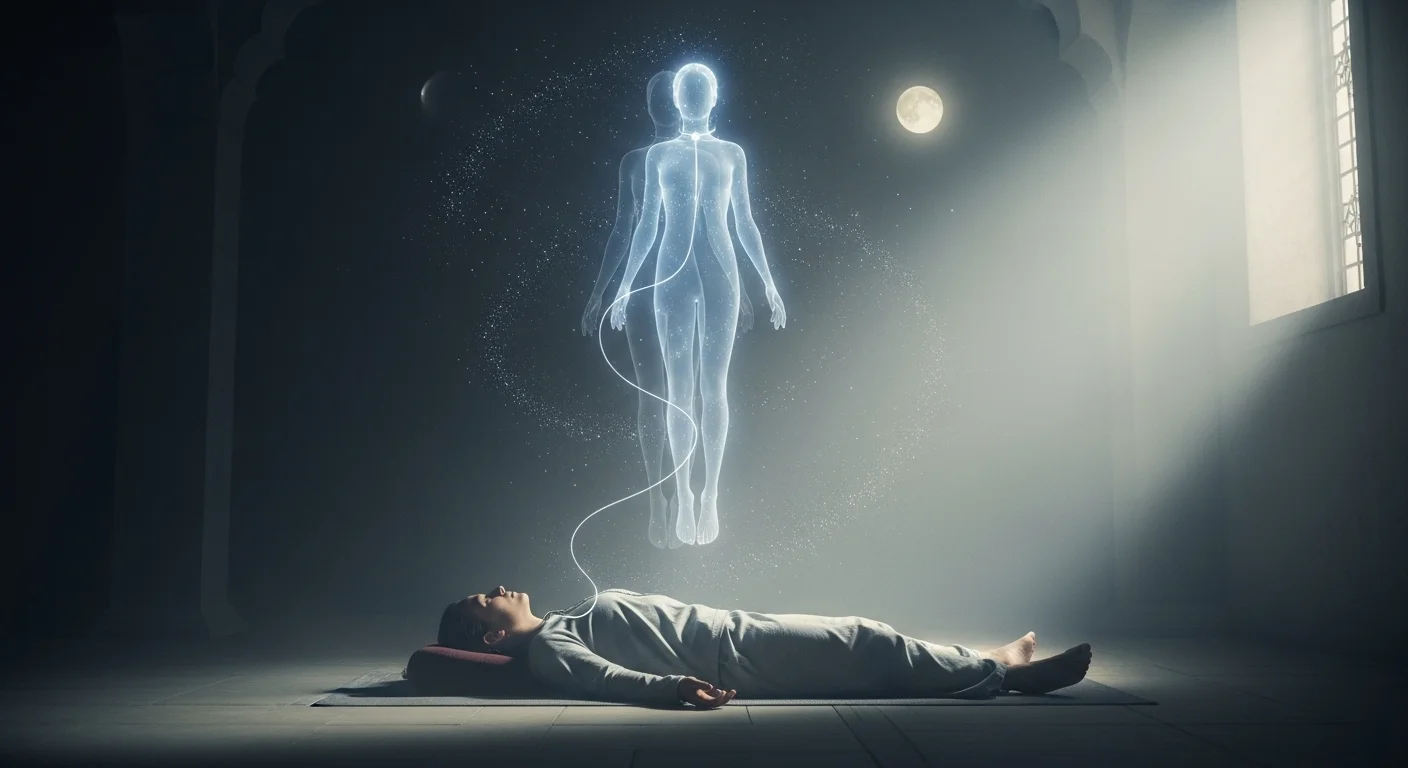
Maintain the vibrational state until the shaking feels consistent and strong. Do not attempt to move your physical limbs during this phase. Physical movement breaks the paralysis and wakes the body. Once the vibrations reach a peak, apply a separation technique to leave the body. You can try to roll out to the side or imagine a rope hanging above you. Pull on this mental rope to lift your astral form away. This action completes the projection process.
Applying Techniques for Separation
Once you reach the vibrational state, you must attempt to separate your astral body from your physical body. Do not move your physical muscles during this process. A common method is the rolling technique. Visualize that you are rolling over to one side of the bed without actually using your physical body. Focus entirely on the internal sensation of rolling over. You might feel a distinct sensation of falling or floating as you exit the physical form.
Another effective method is the rope technique. Visualize a strong rope hanging from the ceiling directly above your chest. Reach out with your imaginary hands and pull yourself up the rope. You should feel the exertion in your non-physical arms without moving your physical limbs. Climb hand over hand slowly and steadily. This action helps to shift your point of consciousness away from the physical body. Continue climbing until you feel your full body separate.
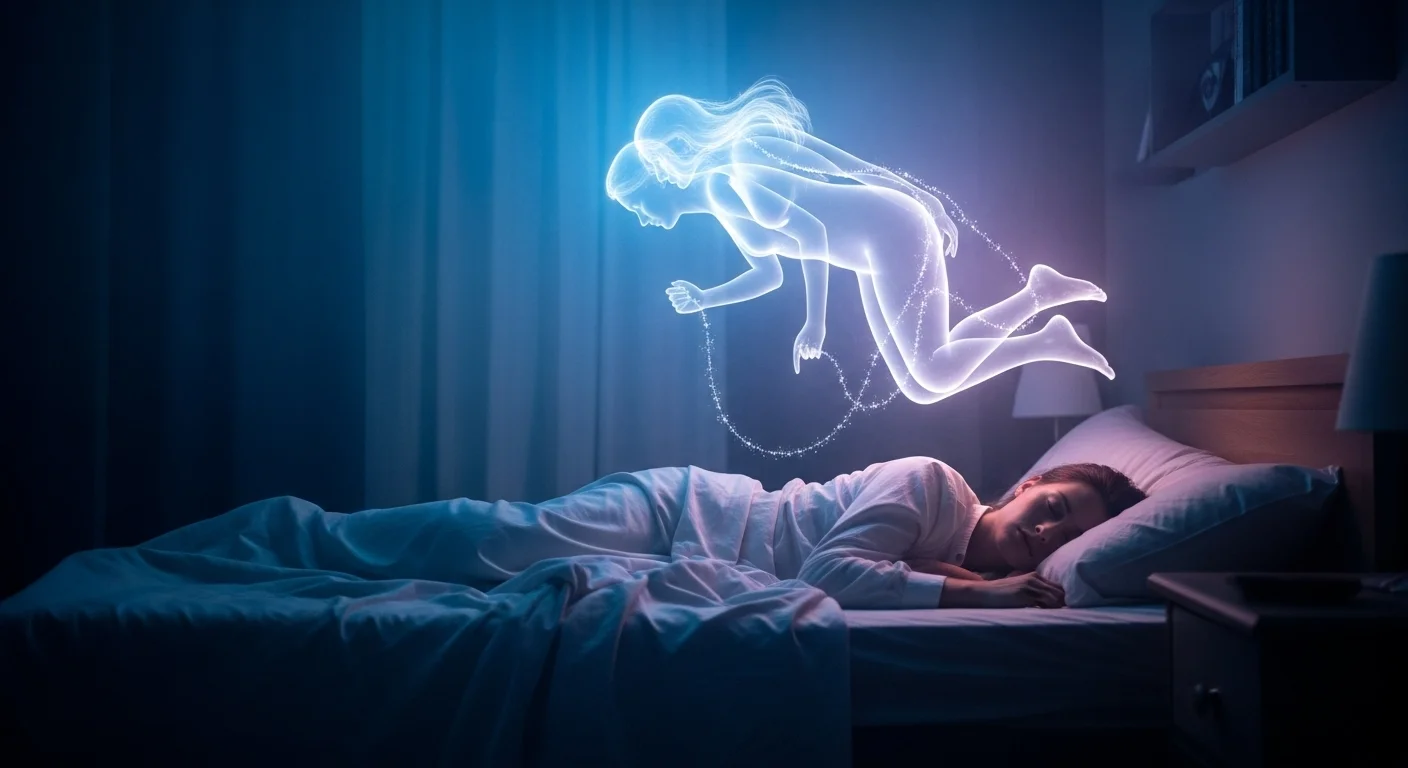
If active movement feels difficult, try the floating technique. Lie still and visualize your astral body becoming lighter than air. Imagine yourself slowly floating upward toward the ceiling. Focus on the distance increasing between you and the bed. If you encounter resistance or feel stuck, remain calm and increase the intensity of the vibrations. Fear or excitement can snap you back into the physical body immediately. Maintain a neutral state of mind to complete the separation process.
Returning to the Body and Recalling the Experience
Returning to the physical body is usually a simple process that often happens automatically. If you wish to end the projection intentionally, focus your attention on your physical body. You can also try to move a specific part of your body, such as a finger or a toe. This slight physical intention breaks the state of deep relaxation and pulls your consciousness back immediately. Do not panic, as the connection to the body remains intact throughout the entire experience.
Once you return to your body, keep your eyes closed and remain completely still. Rapid movement or opening your eyes too quickly can cause the memories of the experience to fade. Your brain shifts states rapidly during this transition, similar to waking up from a dream. Spend the first few minutes mentally reviewing every detail of the projection. Replay the events in reverse order from the end back to the beginning to solidify the memory pathway.
After you review the events mentally, sit up and write them down immediately in a physical journal. Record every sensation, location, and action while they are fresh in your mind. Using a voice recorder is also an effective method if writing takes too much effort. Consistent documentation trains your brain to value these memories, which makes future recall easier. Over time, this practice increases the clarity and frequency of your astral projection experiences.
Your next step
If you already understand what astral projection is and you’re looking for practices that truly work, this e-book presents 35 tested techniques to induce out-of-body experiences. Each technique is explained clearly and directly, allowing you to choose the method that best fits your routine and level of awareness.
This material is ideal for those who want to apply objective and varied methods, speeding up the process of conscious out-of-body projection. It works for both beginners and practitioners who have already had experiences and want to expand their possibilities. This is a practical guide for anyone who wants consistent results.
If you are taking your first steps and want to understand the fundamentals of astral projection with clarity, this manual was created to make your learning easier. In it, you will find clear explanations about the subtle bodies, the stages of projection, the most common sensations, and how to deal with fear and mental blocks.
This e-book is recommended for anyone who needs a solid and safe foundation to start practicing with confidence. It organizes the concepts in a progressive way, helping you understand the process as a whole and develop a consistent and conscious practice.
For those who want more complete and in-depth guidance, the complete astral projection course offers structured lessons, guided practices, visualizations, advanced techniques, and ongoing support. The content was designed to take you from theory to practice with safety and consistency.
This course is suitable for all levels, from beginner to advanced, and provides a systematic approach based on years of research, experience, and proven results. You will learn how to awaken your potential, gain control of your experiences, and integrate spiritual insights into your daily life.