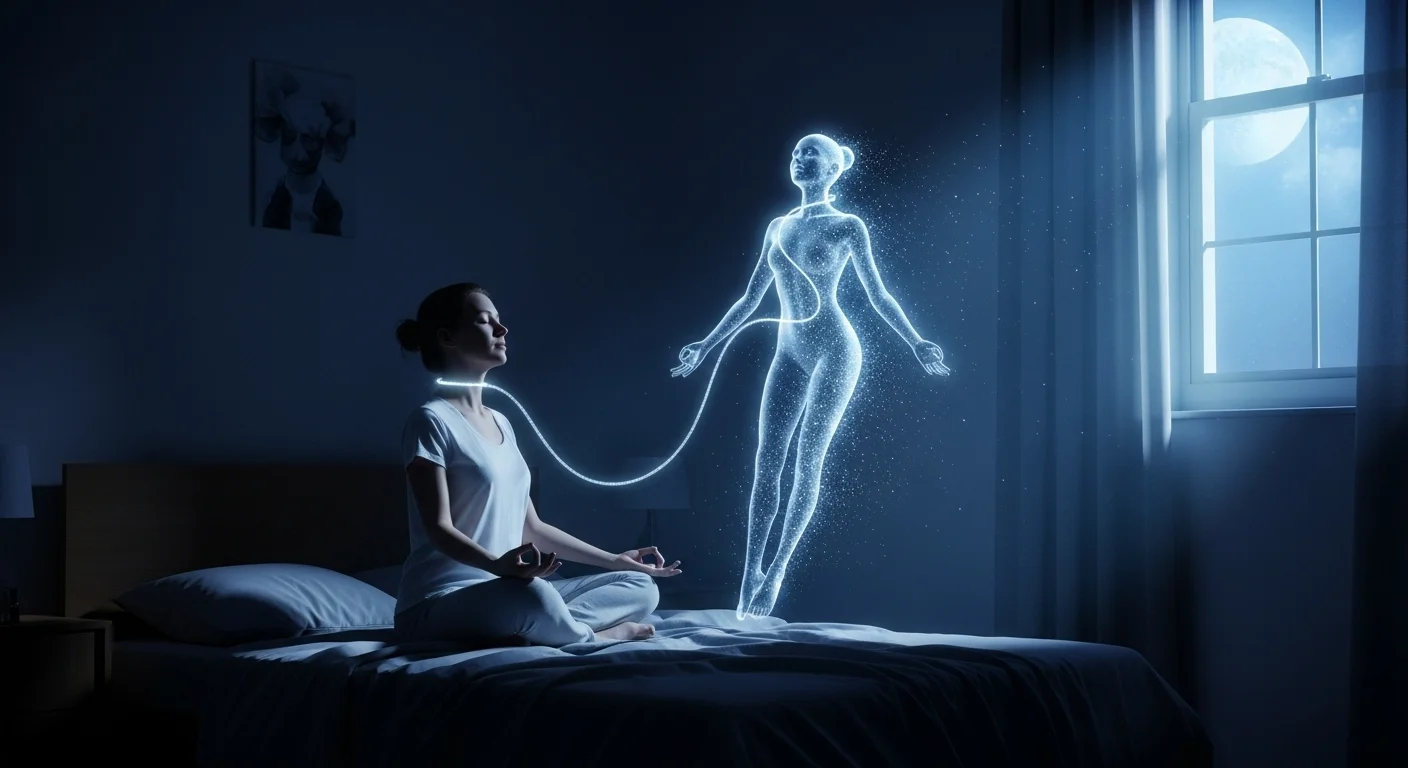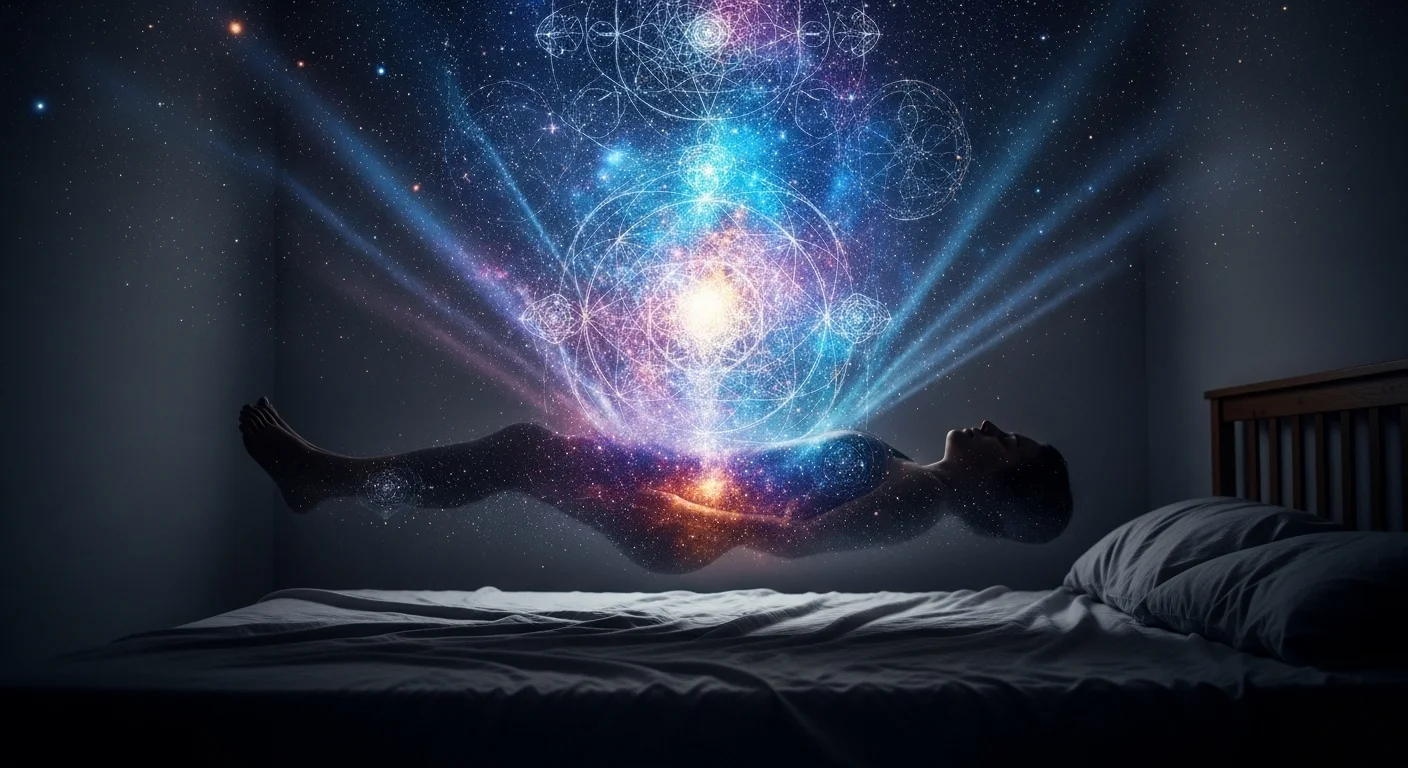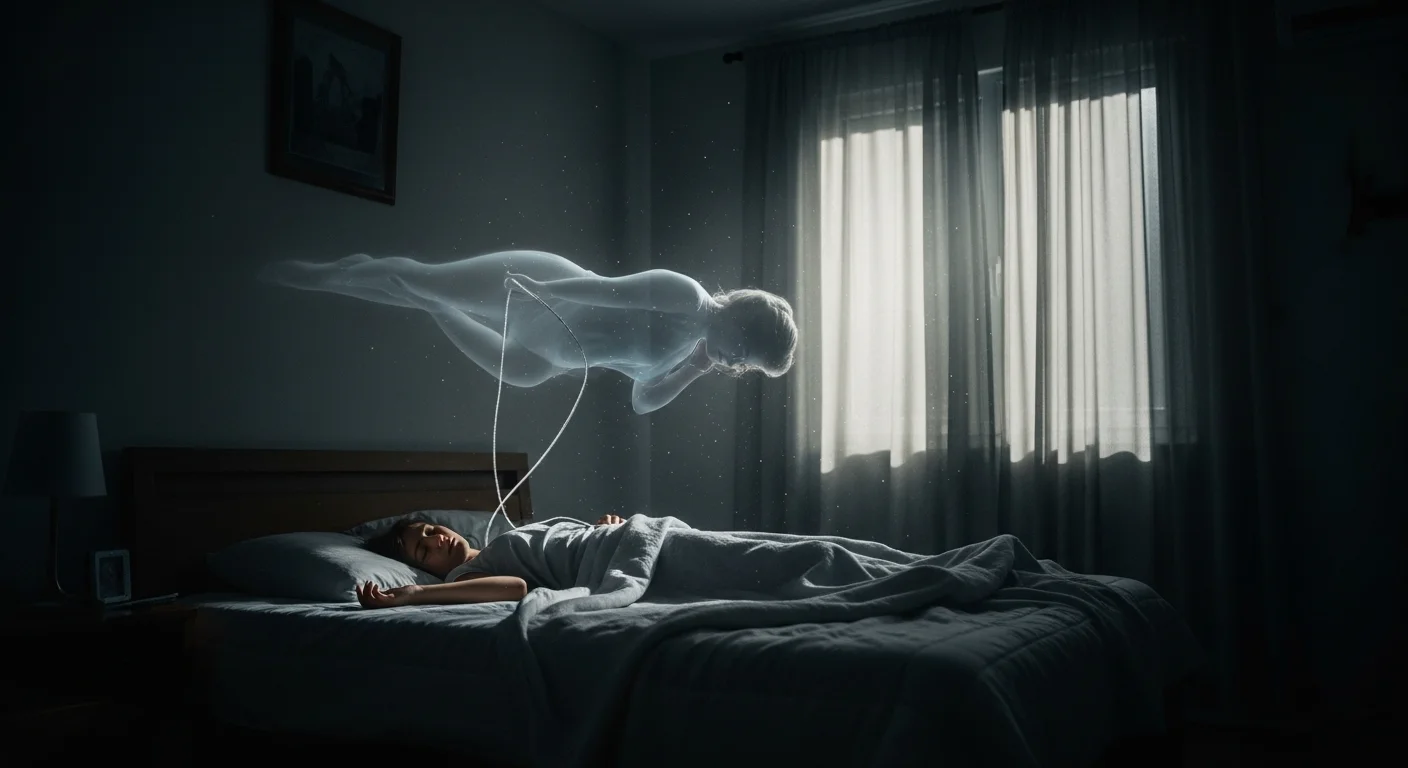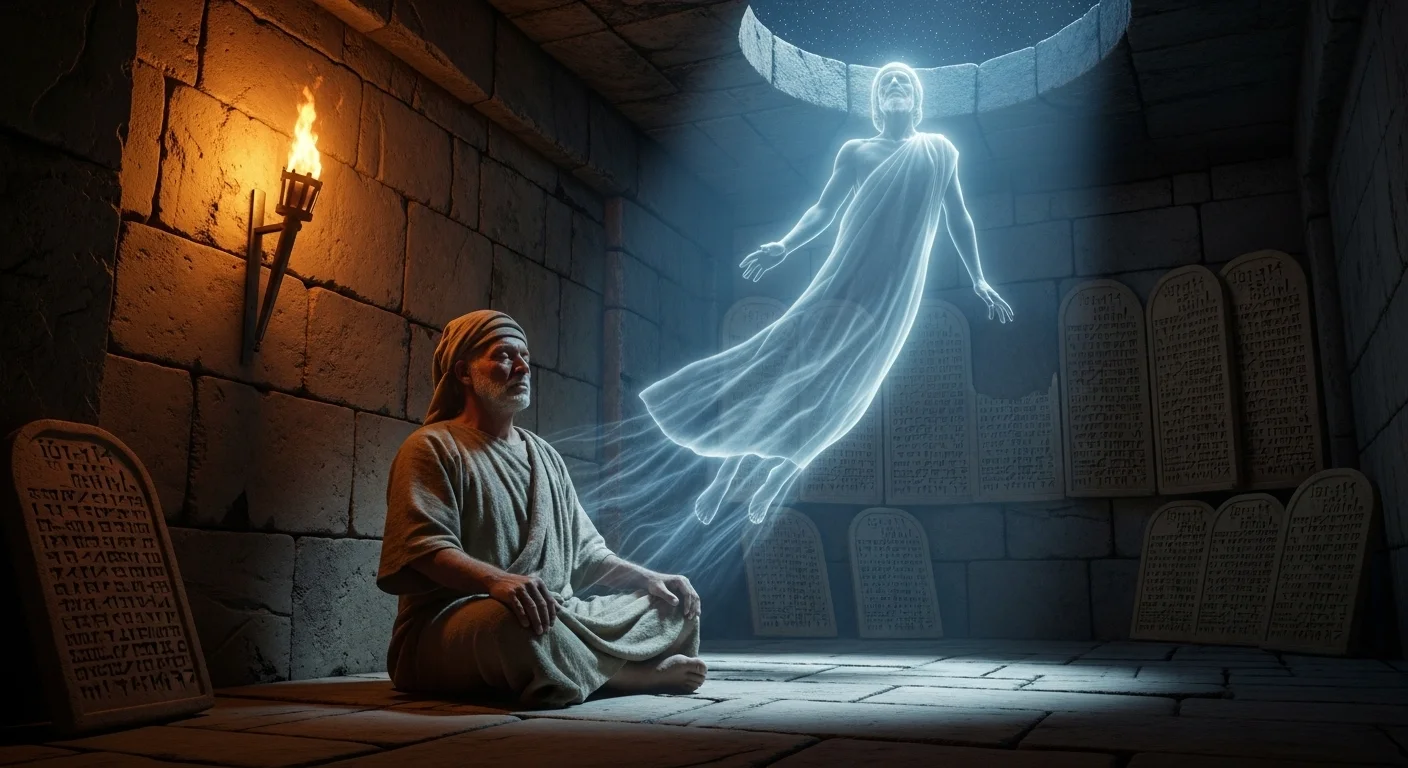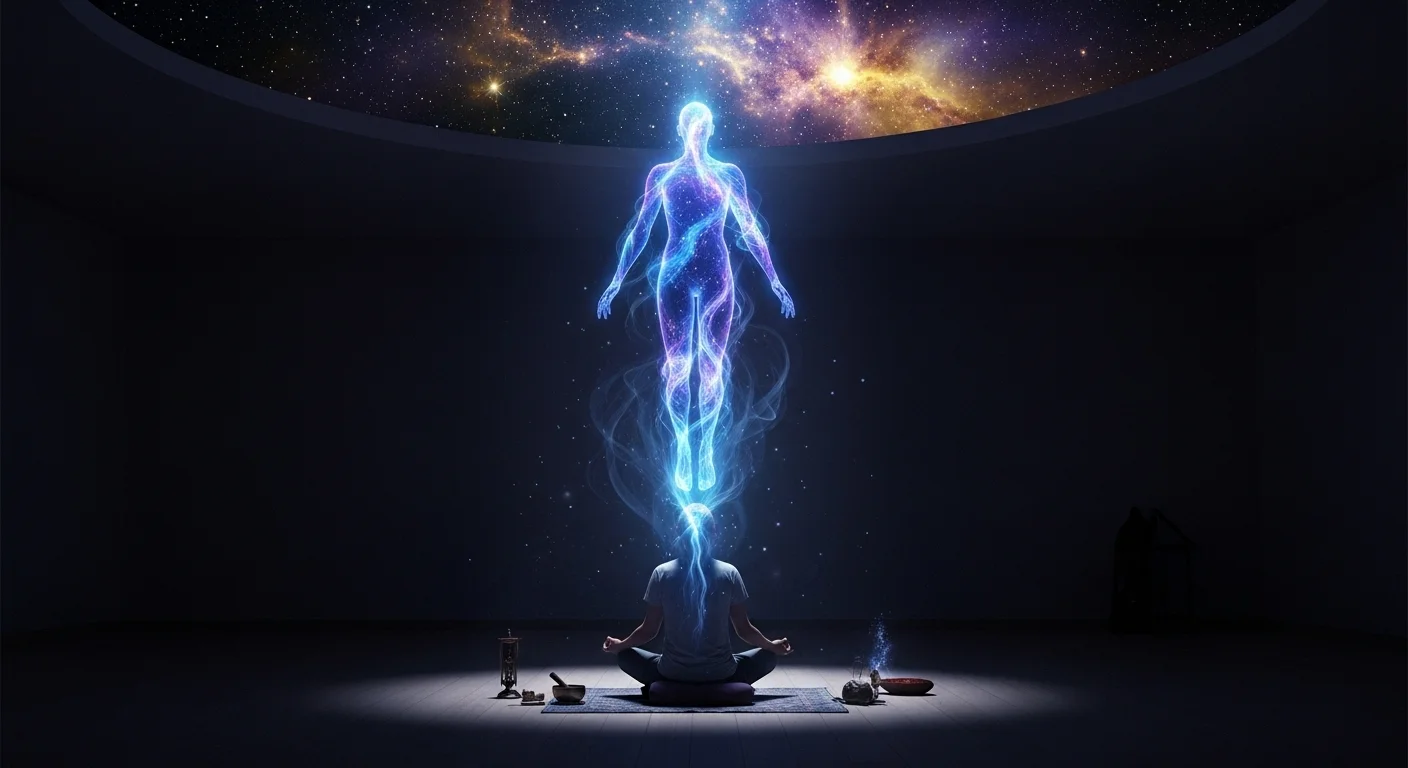
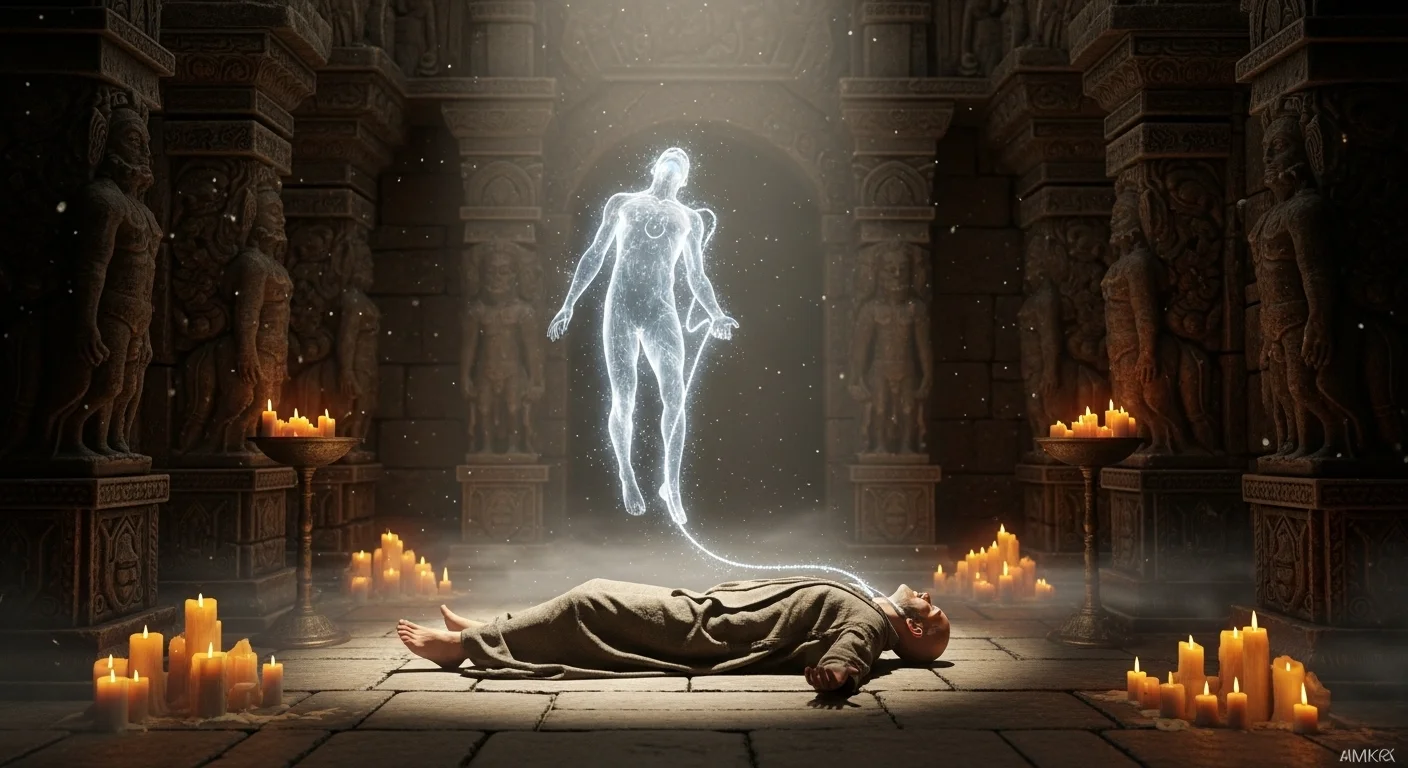
Astral projection describes an intentional out-of-body experience where consciousness reportedly separates from the physical form. Practitioners state that the mind travels independently while the physical body remains passive. During this state, the individual moves through a non-physical realm often called the astral plane. This theory relies on the existence of an astral body that acts as a vehicle for the spirit. The phenomenon differs from dreaming because the person maintains full awareness throughout the entire process.
The modern term originated in the nineteenth century within the Theosophical movement. However, the fundamental concept appears in historical records from thousands of years ago. Ancient societies frequently documented the belief in a subtle body that exists apart from biological matter. These early descriptions provide the historical basis for current spiritual practices regarding projection. Scholars identify references to this separation in various religious texts worldwide. The idea suggests that human existence extends beyond the limits of the material world.
Historical evidence places the earliest roots of this practice in ancient civilizations. Egyptian priests wrote about the ability of the soul to hover outside the body during life. Greek philosophers also taught that the spirit could leave the physical vessel to acquire knowledge. Indigenous cultures often use similar techniques during shamanic rituals to communicate with the spirit world. These traditions indicate that the concept of a movable consciousness is a global phenomenon found throughout human history.
Concepts of Soul Travel in Ancient Egypt
Ancient Egyptians believed the human soul consisted of several distinct parts. The two main components were the Ka and the Ba. The Ka represented the vital spark or life force of a person. The Ba represented the unique personality or character of the individual. Art often depicts the Ba as a bird with a human head. This specific form allowed the soul to travel between the physical world and the spiritual realm after the body died.
The Ba possessed the ability to leave the physical body during the day. It traveled outside the tomb to watch over living family members or receive offerings. This movement allowed the deceased to maintain a connection with the world of the living. However, the soul had to return to the physical body at night. Egyptians preserved the body through mummification to ensure the Ba had a physical anchor. Without a body, the soul could not survive.
Ancient texts describe these spiritual journeys in great detail. The Book of the Dead contains spells that help the soul navigate the afterlife. These spells protected the soul from dangers during its travels. The Egyptians viewed this mobility as a fundamental part of existence after death. They did not see the separation of the soul from the body as a dream. They considered it a literal event that required specific rituals and preparations for success.
Out-of-Body Experiences in Ancient Greece and Rome
Ancient Greek philosophers often discussed the separation of the soul from the physical body. Plato wrote about the soul traveling to other realms in his work named The Republic. He described the Myth of Er, where a soldier returns to life and tells others about the afterlife. This story serves as an early example of a near-death experience. The Greeks believed the soul was distinct from the body and could exist independently during sleep or trance states.
Religious groups in Greece and Rome practiced rituals to achieve these states. The Mystery Schools used specific techniques to induce an out-of-body experience. Initiates believed this process allowed them to gain divine knowledge. Later, Neoplatonists developed a practice called theurgy. This practice involved rituals intended to purify the astral body. They thought the vehicle of the soul needed to be light to ascend. These traditions influenced how later cultures viewed spiritual travel.
Roman literature also contains accounts of souls leaving the body. Cicero wrote a famous text called The Dream of Scipio. In this story, Scipio Africanus visits his grandson in a dream and shows him the structure of the universe. The narrative suggests that the soul is immortal and originates from the stars. Romans viewed these experiences as a way to understand the cosmos. This text remained popular and educated people for many centuries.
Astral Projection in Hinduism and Buddhism
Hinduism describes the concept of astral projection through the idea of the subtle body, known as the Sukshma Sharira. Ancient texts like the Yoga Sutras of Patanjali list specific powers called Siddhis, which include the ability to leave the physical form. Practitioners believe that deep meditation and breath control allow the consciousness to separate from the material body. This process demonstrates the core Hindu belief that the soul exists independently from its physical container.
Buddhism explores similar phenomena, particularly within the Vajrayana tradition found in Tibet. Tibetan monks practice a discipline called Dream Yoga to maintain full awareness while sleeping. This training allows them to control an “illusory body” and travel through different planes of existence. The primary goal of this practice is to prepare the mind for the transition of death. By navigating these states, the practitioner learns that the physical world is not the only reality.
Both traditions emphasize that the physical body is merely a temporary vessel for the spirit. They teach that energy channels within the body facilitate these out-of-body experiences. Mastery of this state is intended for spiritual growth rather than simple curiosity. Historical accounts suggest that advanced yogis and monks used these methods to visit distant students or locations. These practices highlight a shared cultural focus on transcending physical limitations to achieve higher states of enlightenment.
Shamanic Practices and Spirit Journeys in Indigenous Cultures
Indigenous cultures often have a spiritual leader known as a shaman. This individual acts as a mediator between the physical world and the spirit world. The shaman enters an altered state of consciousness to travel outside their body. This practice is a core part of their religious and healing traditions. They believe the soul leaves the physical form to visit other realms. These journeys allow the shaman to communicate with spirits, ancestors, or deities for guidance.
Shamans use specific techniques to induce the trance state required for these journeys. Common methods include rhythmic drumming, chanting, or dancing for long periods. Some cultures also utilize natural substances and plants to facilitate the experience. These external stimuli change the brain waves of the practitioner. The goal is to detach the mind from physical sensations. Once the trance is deep enough, the shaman navigates the spirit world while their body remains distinct and still.
The primary purpose of the spirit journey is to serve the community. Shamans travel to invisible realms to find cures for illnesses or to retrieve lost parts of a soul. They also seek information about future events or the location of food sources. The success of the journey depends on the information brought back to the physical world. This functional approach distinguishes shamanic projection from recreational out-of-body experiences. It is a disciplined work rather than leisure.
Development of Astral Projection in Western Esotericism
The concept of astral projection became prominent in the West during the late nineteenth century. The Theosophical Society played a central role in this development. Figures like Helena Blavatsky introduced specific terminology to describe the experience. They defined the astral body as a distinct entity from the physical form. Theosophists taught that this body could travel to the astral plane. This definition combined Eastern religious concepts with Western occult traditions to create a structured system.
The Hermetic Order of the Golden Dawn further refined these practices in the early twentieth century. This group viewed astral projection as a deliberate ritual rather than a spontaneous event. Members developed specific techniques to separate consciousness from the physical body. They often referred to the projected form as the Body of Light. Magicians within this order wrote detailed instructions for these travels. They considered the ability to project an essential skill for serious spiritual advancement.
Writers in the mid-twentieth century shifted the focus toward personal experimentation. Sylvan Muldoon published detailed accounts of his own involuntary projections. Later, Robert Monroe popularized the term out-of-body experience to describe the phenomenon. Monroe established an institute to study human consciousness without religious doctrine. His work helped move the subject from secret societies to the general public. This modern approach prioritized practical methods and direct observation over the ritualistic requirements of earlier esoteric traditions.
Your next step
If you already understand what astral projection is and you’re looking for practices that truly work, this e-book presents 35 tested techniques to induce out-of-body experiences. Each technique is explained clearly and directly, allowing you to choose the method that best fits your routine and level of awareness.
This material is ideal for those who want to apply objective and varied methods, speeding up the process of conscious out-of-body projection. It works for both beginners and practitioners who have already had experiences and want to expand their possibilities. This is a practical guide for anyone who wants consistent results.
If you are taking your first steps and want to understand the fundamentals of astral projection with clarity, this manual was created to make your learning easier. In it, you will find clear explanations about the subtle bodies, the stages of projection, the most common sensations, and how to deal with fear and mental blocks.
This e-book is recommended for anyone who needs a solid and safe foundation to start practicing with confidence. It organizes the concepts in a progressive way, helping you understand the process as a whole and develop a consistent and conscious practice.
For those who want more complete and in-depth guidance, the complete astral projection course offers structured lessons, guided practices, visualizations, advanced techniques, and ongoing support. The content was designed to take you from theory to practice with safety and consistency.
This course is suitable for all levels, from beginner to advanced, and provides a systematic approach based on years of research, experience, and proven results. You will learn how to awaken your potential, gain control of your experiences, and integrate spiritual insights into your daily life.