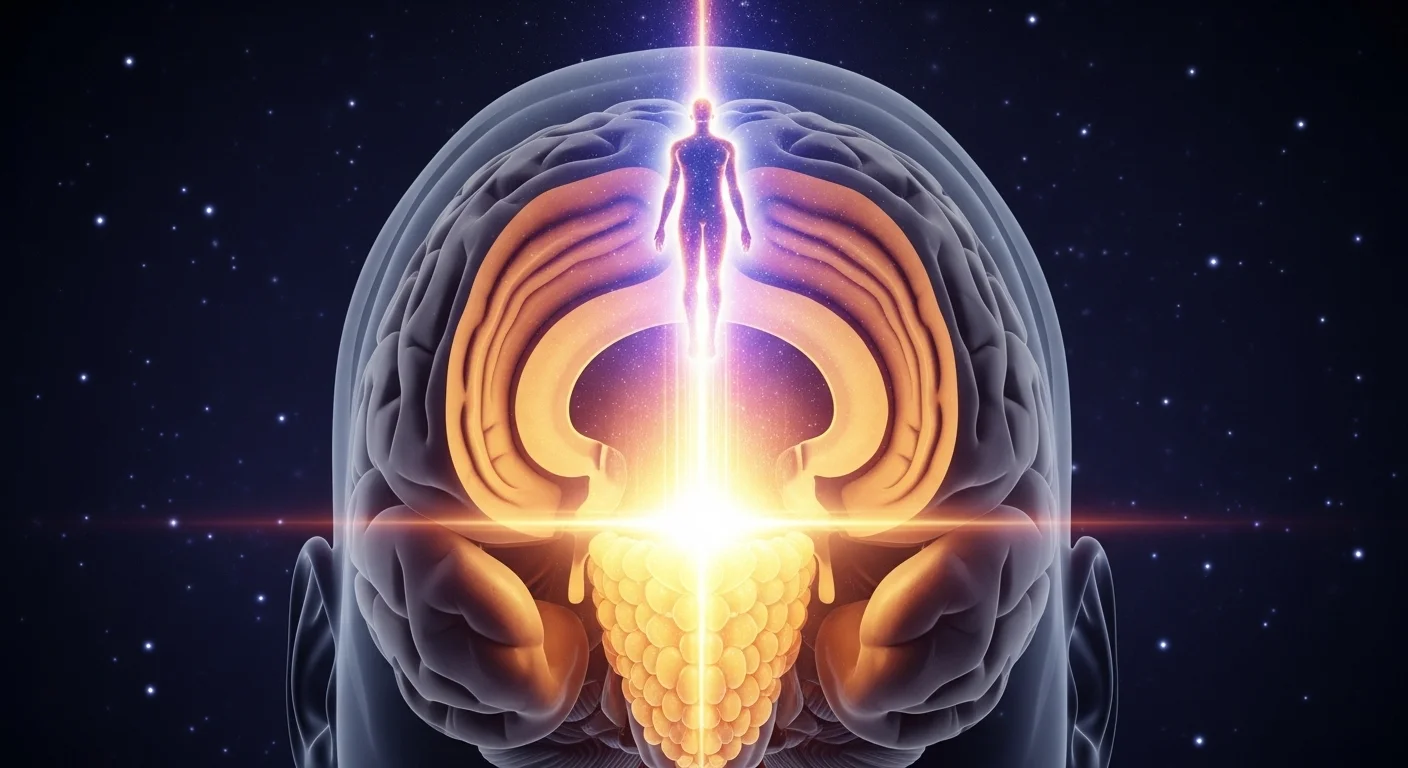
The pineal gland is a small endocrine gland found deep within the brain of vertebrates. It is located in the epithalamus, near the center of the brain structure. This organ is approximately the size of a pea and has a distinct shape that resembles a tiny pinecone. Anatomists identify its position between the two cerebral hemispheres, specifically in a groove where the two halves of the thalamus join. Its main function relies on specialized cells called pinealocytes.
The primary physiological function of this organ is the production and secretion of the hormone melatonin. The body synthesizes melatonin chemically from the neurotransmitter serotonin. This specific hormone is essential for the regulation of circadian rhythms, which control the daily sleep-wake cycle. The gland receives signals regarding light and darkness directly from the eyes. It increases melatonin output during the night to induce sleep and decreases secretion during daylight hours to help the body maintain alertness.
Medical studies show that the pineal gland often accumulates calcium deposits as the human body ages. These calcified structures are technically known as corpora arenacea or brain sand. They appear clearly on X-rays and serve as useful reference points for doctors analyzing brain scans. Beyond the regulation of sleep, the gland interacts with the pituitary gland to affect hormone levels. This biological process suggests that the pineal gland also assists in the timing of sexual development.
Explanation of Astral Projection
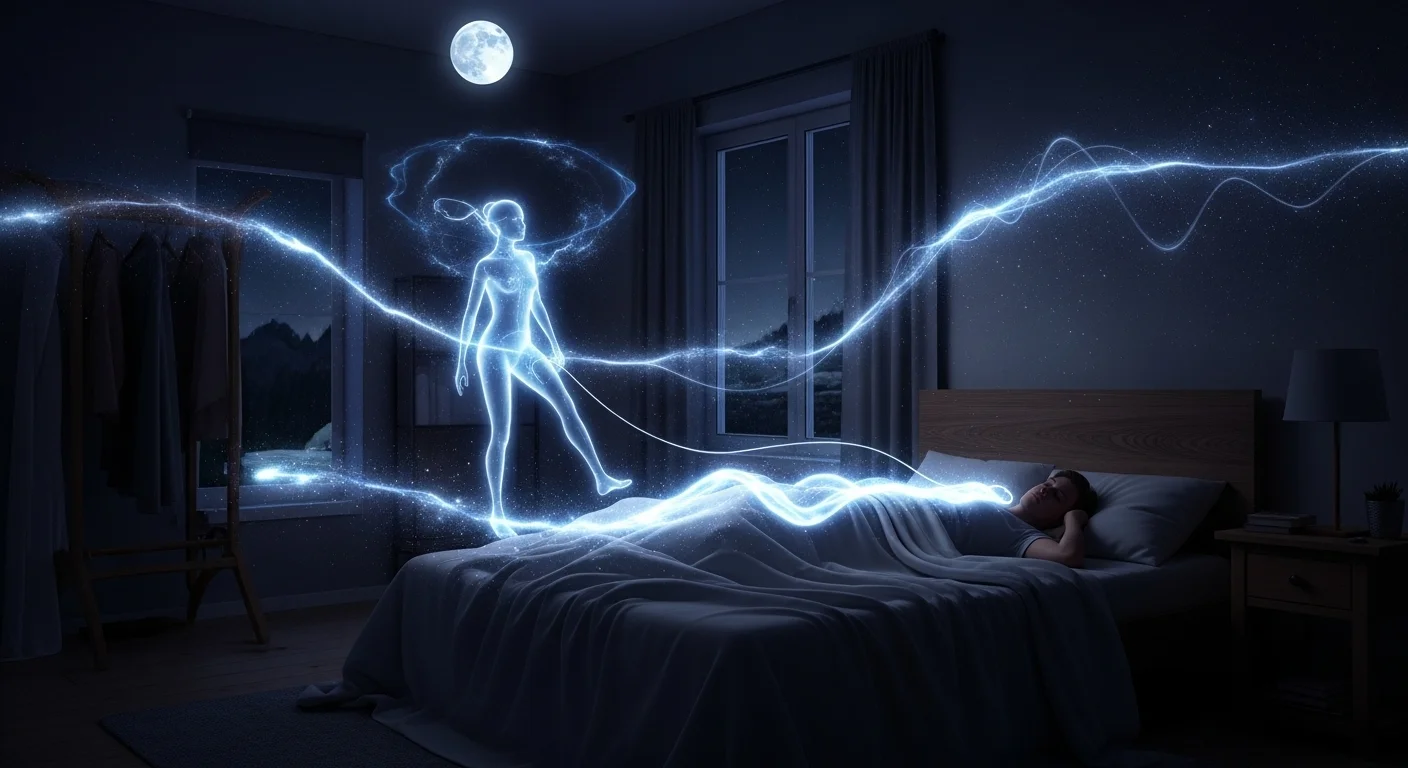
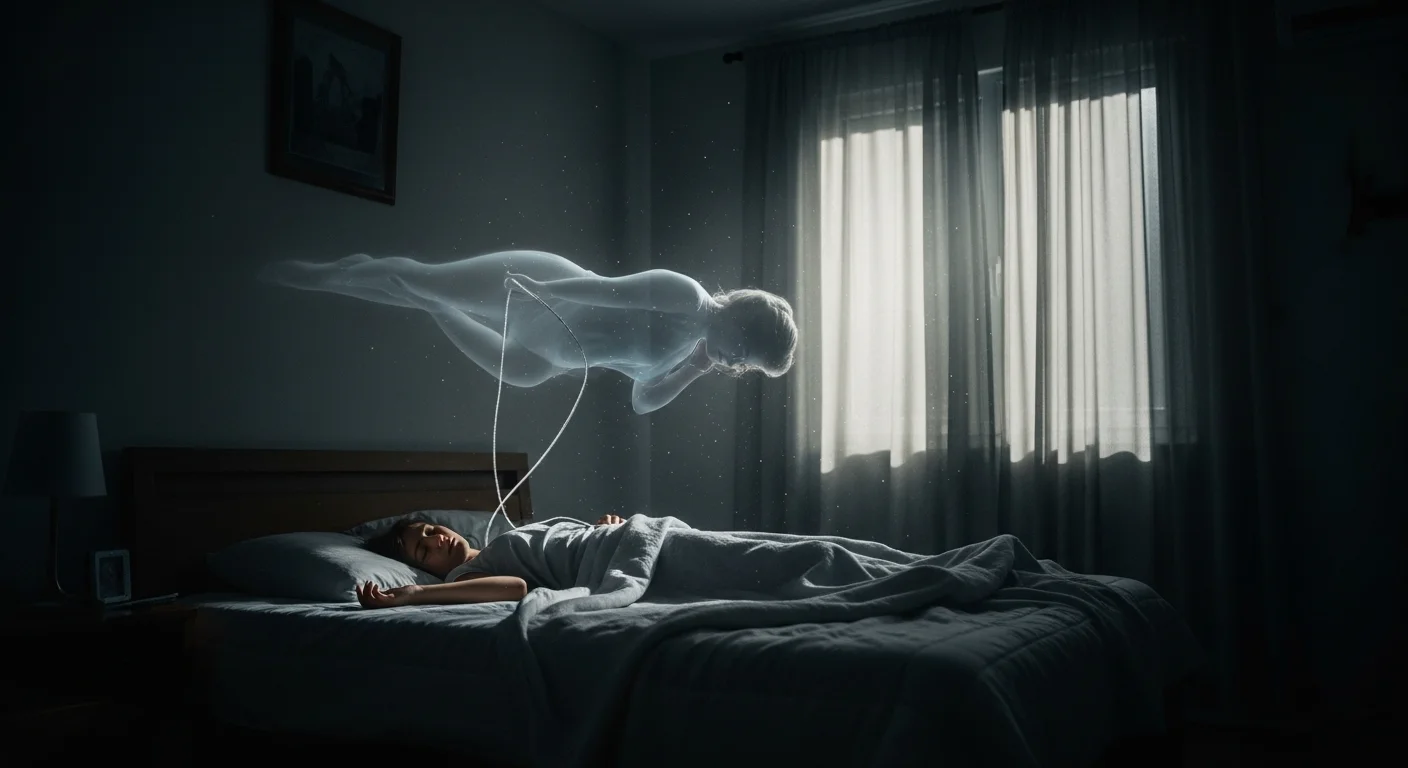
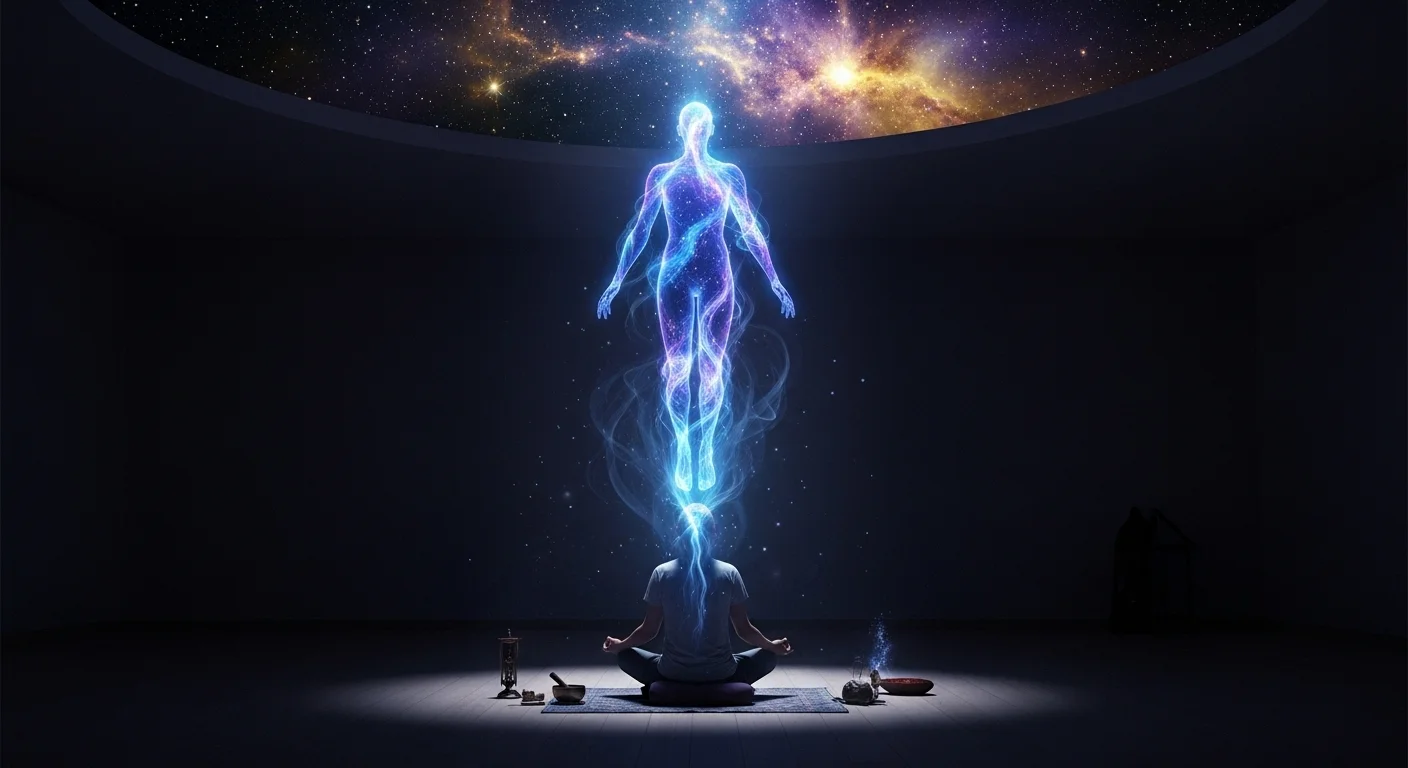
Astral projection is a term used to describe an intentional out-of-body experience. Practitioners believe that the consciousness separates from the physical body during this state. The physical body remains in a relaxed position or asleep while the mind stays fully alert. The individual perceives the surrounding environment from a perspective outside their physical form. This phenomenon allows the consciousness to travel to different locations without any physical movement. The person retains full memory of the event afterward.
The experience occurs in a non-physical dimension known as the astral plane. This environment exists parallel to the physical world but operates under different laws of physics. Reports state that solid objects like walls do not obstruct movement in this dimension. Travel happens instantly through thought rather than physical effort. The astral plane contains various levels of energy and distinct environments. Participants consistently claim that these experiences feel vivid and are distinct from normal dreams or imagination.
Individuals use specific techniques to induce the state of astral projection. The most common method involves deep meditation and controlled breathing exercises. The primary goal is to put the physical body to sleep while keeping the mind conscious. This specific condition is often called the mind-awake body-asleep state. Various cultures and ancient traditions mention similar practices in their historical texts. Mastery of these techniques usually requires significant time, patience, and consistent practice to achieve results.
Historical Association Between the Pineal Gland and the Third Eye
Ancient Greek anatomists and philosophers identified the pineal gland more than two thousand years ago. Herophilus described the organ in the fourth century BC, while Galen later documented its location near the center of the brain. These early scholars noticed that the gland was a singular structure, unlike other parts of the brain that exist in pairs. This unique physical characteristic led many thinkers to believe the organ served a specialized function related to the flow of mental spirits.
During the seventeenth century, the French philosopher René Descartes formalized the link between the pineal gland and the soul. He argued that this small gland acted as the principal seat of the soul and the place where all thoughts form. Descartes proposed that the pineal gland controlled the movement of fluids and spirits between the mind and the body. His writings established a lasting cultural connection between this specific biological structure and the concept of non-physical consciousness.
The specific term “third eye” became closely linked to the pineal gland during the late nineteenth century. Madame Blavatsky, the founder of the Theosophical Society, stated that the pineal gland corresponds to an atrophied physical eye used for spiritual vision. She drew parallels between Western anatomy and the concept of the Ajna chakra found in Hindu traditions. This comparison popularized the modern belief that the pineal gland allows a person to perceive reality beyond the physical world.
Theories Regarding DMT Production in the Brain
Rick Strassman proposed a popular theory about the pineal gland during the 1990s. He suggested that this small organ generates N,N-Dimethyltryptamine, also known as DMT. This chemical is a powerful psychedelic substance found in nature. Strassman hypothesized that the pineal gland releases massive amounts of DMT during significant life events. These events include birth, death, and dream states. His research created a strong link in popular culture between this gland and mystical experiences.
Scientists have conducted studies to test these claims using animal models. Research published in 2013 by Dr. Jimo Borjigin confirmed the presence of DMT in the pineal glands of living rats. The study showed that the brain possesses the necessary enzymes to synthesize this compound. These enzymes include INMT and AADC. While this proves that rat brains can produce DMT, researchers have not yet confirmed the same process occurs at similar levels in human brains.
A major criticism of the pineal gland theory involves the quantity of DMT produced. Current biological evidence suggests the pineal gland is too small to produce enough DMT for a full psychedelic experience. Recent findings indicate that other parts of the brain may also synthesize this substance. It is possible that DMT acts as a neurotransmitter rather than a hallucinogen in normal functions. Science requires more data to fully understand its role in human consciousness.
Techniques Used to Stimulate the Pineal Gland
Many practitioners use specific meditation methods to activate the pineal gland. You sit in a quiet environment and close your eyes. You focus your attention directly on the center of your forehead. This area is often referred to as the third eye location. You breathe slowly and deeply while maintaining this mental focus. Some individuals visualize a light in this specific spot. This concentration aims to increase activity in the gland. Regular practice establishes a necessary routine.
Sound frequencies serve as another common tool for stimulation. Listening to binaural beats can effectively alter brainwave states. These sounds encourage the brain to enter theta or gamma states. These specific states are linked to pineal activation. Chanting provides similar benefits. Making specific vocal sounds creates vibrations within the skull. This physical vibration stimulates the small gland in the center of the brain. You should practice this daily. The use of tuning forks is also a valid method.
Physical habits play a major role in gland health. You must reduce fluoride intake to prevent calcification. Calcification hardens the gland and reduces its function. A diet rich in antioxidants supports overall health. Darkness is also essential for the pineal gland. The gland produces melatonin only when it is dark. You should sleep in a completely dark room. Avoid blue light from screens before bed. These lifestyle changes optimize the biological function of the gland for astral projection attempts.
Safety Guidelines for Practicing Astral Projection
Practitioners must establish a secure physical environment before attempting astral projection. Choose a quiet room where interruptions are unlikely to occur during the session. It is important to lie down in a comfortable position to prevent physical discomfort from distracting the mind. You should also approach the practice with a calm and positive mental state. Fear or anxiety can disrupt the experience or create negative sensations. Ensure your body is safe so your mind can focus entirely on the process.
Many individuals use visualization techniques to create a sense of safety. You can imagine a sphere of bright light surrounding your body before you begin. This visualization serves as a mental boundary against unwanted external influences. Setting a clear intention is also a fundamental step for a controlled experience. You must decide the purpose of your projection before leaving the physical body. This mental preparation helps maintain focus and allows you to navigate the astral plane with confidence and stability.
Returning to the physical body requires a slow and deliberate process. Do not rush the reentry, as sudden movements can cause physical disorientation or headaches. Gently wiggle your fingers and toes to reconnect with your physical senses. You should drink water or eat a small amount of food to help ground your energy. Take time to rest immediately after the practice is finished. Writing down the details of the experience in a journal can also help analyze the event objectively.
Your next step
If you already understand what astral projection is and you’re looking for practices that truly work, this e-book presents 35 tested techniques to induce out-of-body experiences. Each technique is explained clearly and directly, allowing you to choose the method that best fits your routine and level of awareness.
This material is ideal for those who want to apply objective and varied methods, speeding up the process of conscious out-of-body projection. It works for both beginners and practitioners who have already had experiences and want to expand their possibilities. This is a practical guide for anyone who wants consistent results.
If you are taking your first steps and want to understand the fundamentals of astral projection with clarity, this manual was created to make your learning easier. In it, you will find clear explanations about the subtle bodies, the stages of projection, the most common sensations, and how to deal with fear and mental blocks.
This e-book is recommended for anyone who needs a solid and safe foundation to start practicing with confidence. It organizes the concepts in a progressive way, helping you understand the process as a whole and develop a consistent and conscious practice.
For those who want more complete and in-depth guidance, the complete astral projection course offers structured lessons, guided practices, visualizations, advanced techniques, and ongoing support. The content was designed to take you from theory to practice with safety and consistency.
This course is suitable for all levels, from beginner to advanced, and provides a systematic approach based on years of research, experience, and proven results. You will learn how to awaken your potential, gain control of your experiences, and integrate spiritual insights into your daily life.