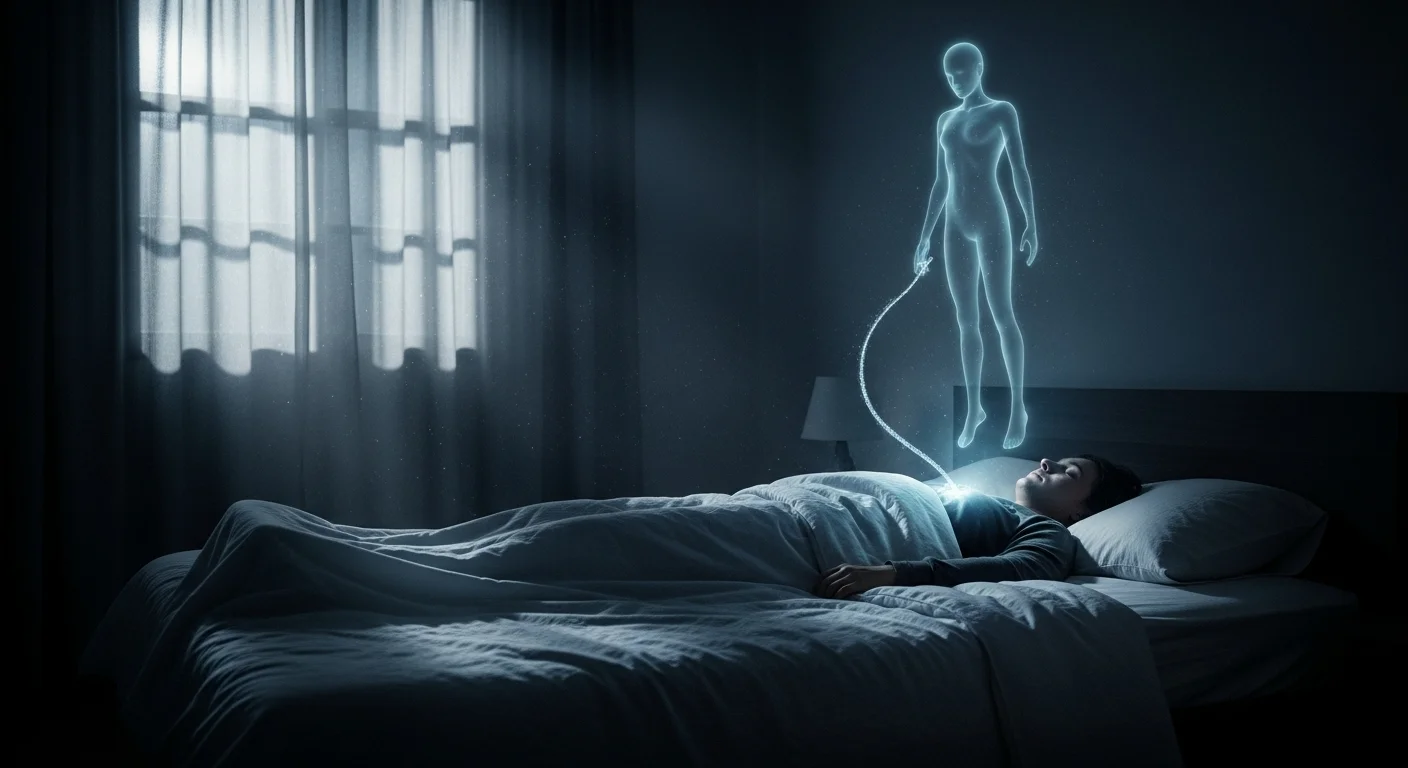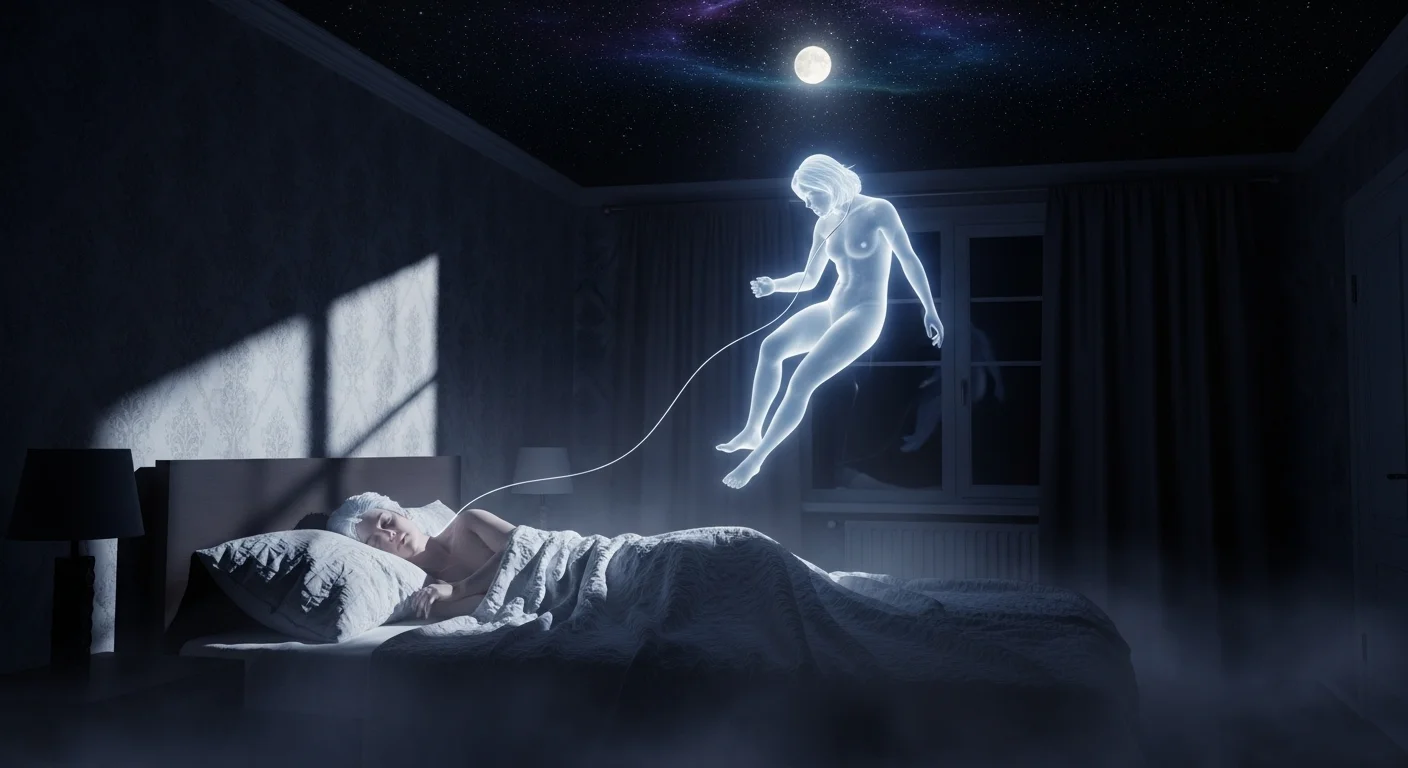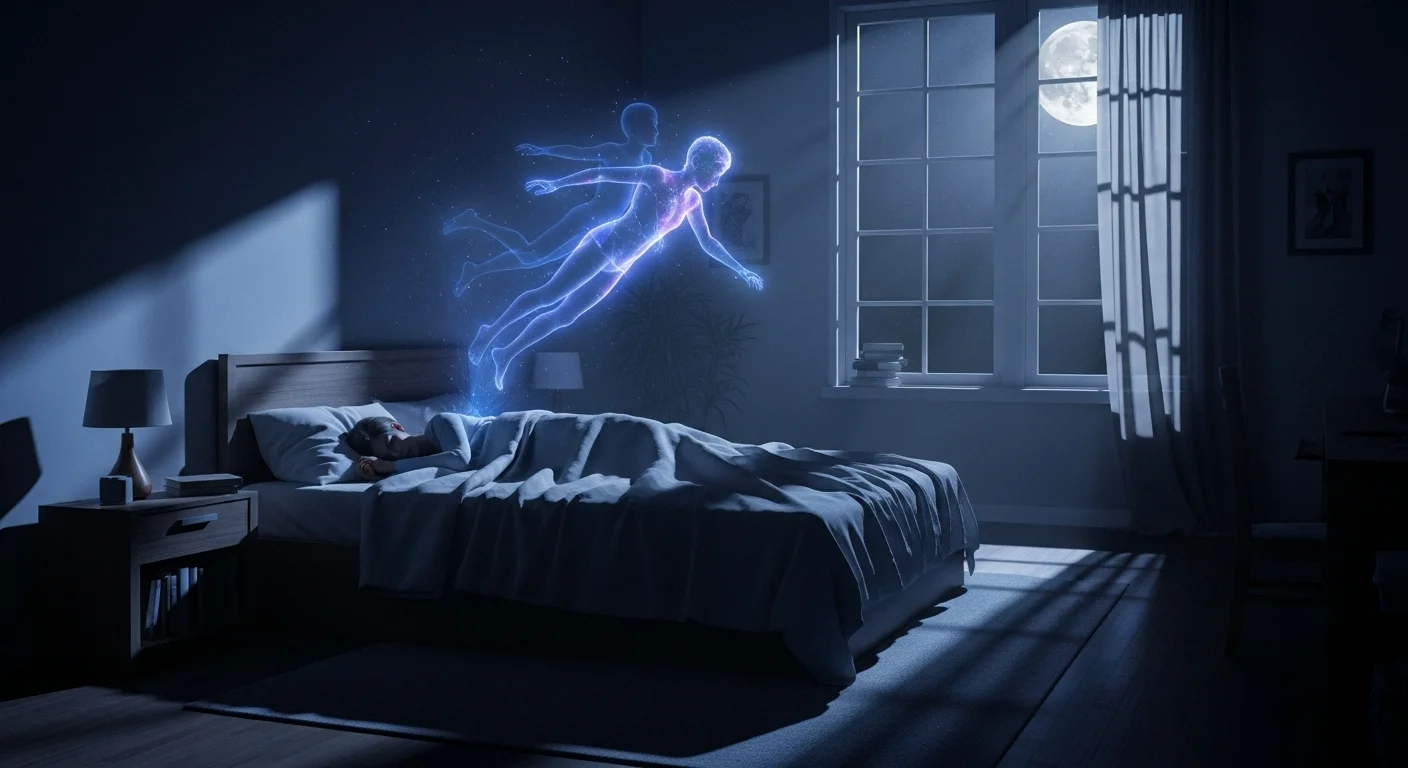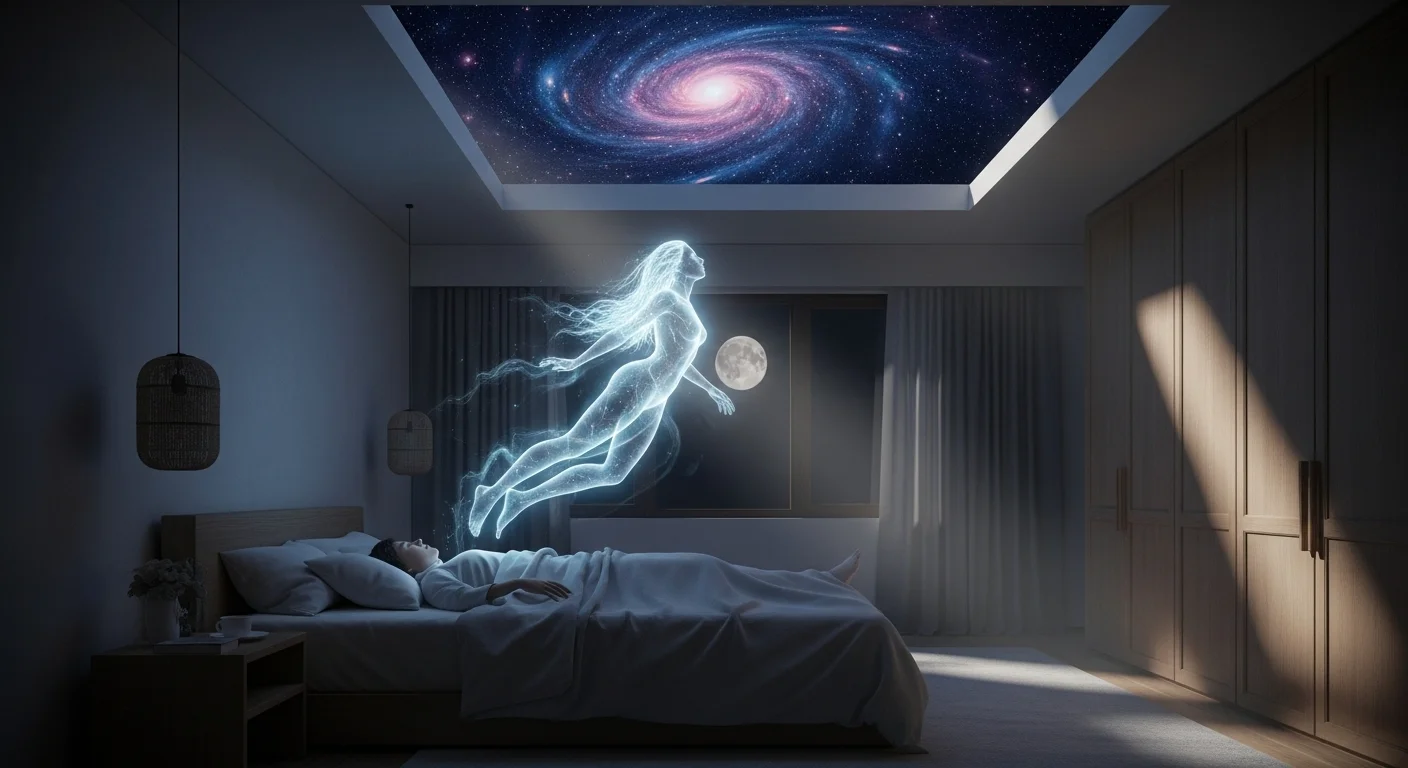
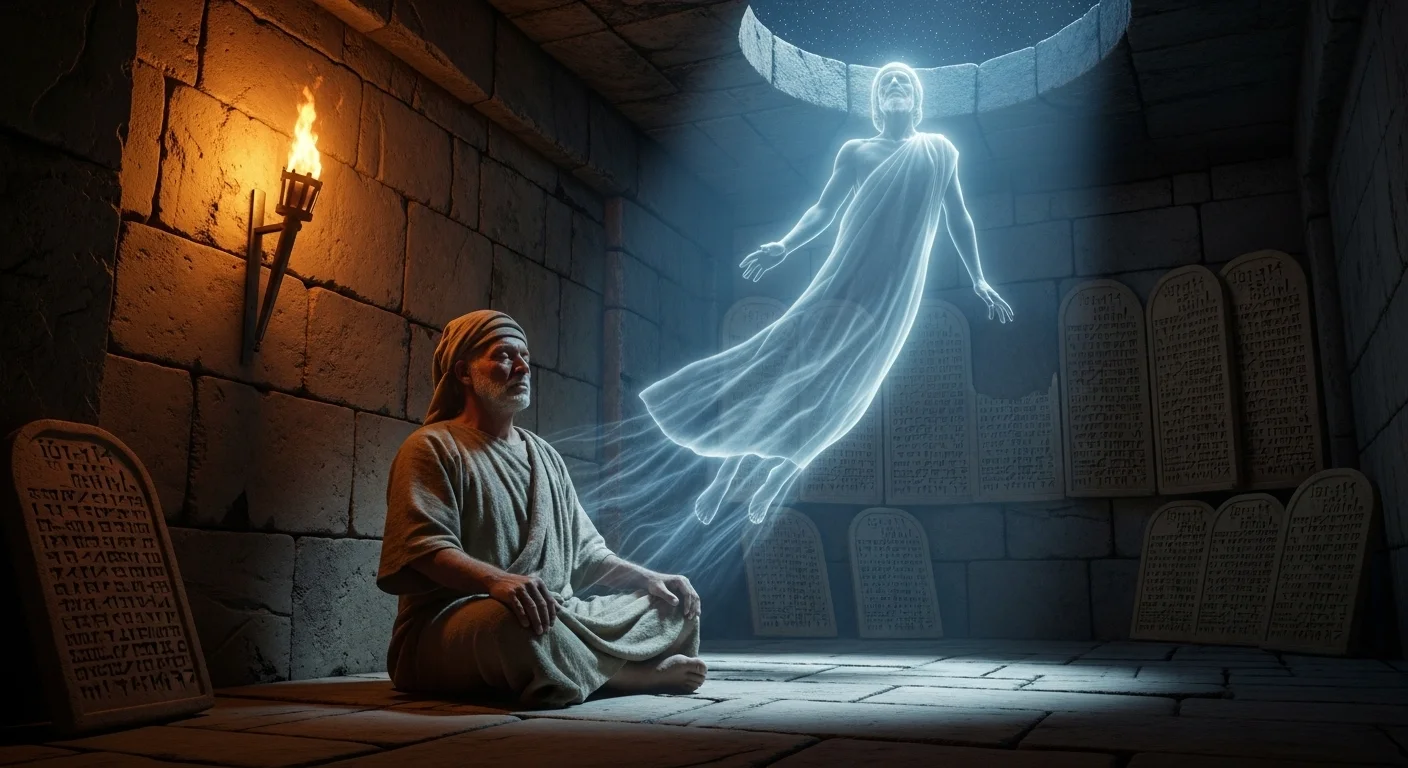
In ancient history, the concept of astral projection referred to the intentional separation of the soul from the physical body. Ancient cultures believed that the human spirit could travel outside the flesh while the person remained alive. This experience often occurred during sleep, deep meditation, or specific religious rituals. The spirit would visit other locations or spiritual realms before returning to the body. People viewed this phenomenon as a literal journey of the soul rather than a dream or hallucination.
Historical texts often describe a specific vehicle for this travel, known as a subtle body or a body of light. This vessel acted as a container for consciousness during the separation process. Unlike death, the link between the physical body and the spirit remained intact during these journeys. Ancient scholars and priests taught that this connection allowed the traveler to return safely. Various civilizations developed specific terms to describe this distinct state of existence between waking life and final death.
The definition of this practice also included its specific function within ancient societies. Initiates used this state to communicate with deities, ancestors, or spiritual guides. It served as a method to acquire hidden knowledge or receive divine instructions. Some traditions defined these out-of-body experiences as necessary steps for spiritual advancement or healing. Consequently, the historical definition encompasses both the mechanics of soul travel and the religious or practical purposes that motivated these deliberate spiritual excursions.
Out-of-Body Experiences in Ancient Egyptian Beliefs
Ancient Egyptians believed that the human soul consisted of several distinct parts. The most relevant parts for movement outside the body were the Ka and the Ba. The Ka represented the vital life force, while the Ba represented the unique personality of the individual. Religious art often depicted the Ba as a bird with a human head. This specific form allowed the spirit to travel freely between the physical world and the spiritual realm after the body died.
Funerary texts explain that the Ba could leave the physical body during the day. The spirit would exit the tomb to visit the world of the living. It could observe daily events and receive offerings made by family members. However, the Ba had to return to the physical body each night to reunite with the Ka. This nightly reunion was necessary for the survival of the soul. Without returning to the mummy, the spirit would perish.
Priests performed specific rituals to ensure the soul could separate from the body safely. The most important ceremony was called the Opening of the Mouth. This ritual aimed to restore the senses of the deceased person. It symbolically opened the eyes and mouth of the mummy or statue. This process gave the spirit the power to see, speak, and move. These magical practices guaranteed that the soul could travel outside its physical vessel without any restriction.
Astral Travel Concepts in Ancient Greek Philosophy
Ancient Greek philosophers often analyzed the relationship between the physical body and the soul. Plato played a central role in these discussions through his written dialogues. He argued that the soul is an independent entity that can separate from the material body. This separation supposedly occurs during death or states of deep contemplation. Plato suggested that the soul originates from the stars and desires to return there. This dualism established a basis for later astral theories.
Later philosophers expanded these ideas by introducing the concept of a spirit-body. They called this intermediate vehicle the “ochema.” This subtle body functions as a bridge between the immortal soul and the physical vessel. Neoplatonists like Plotinus and Proclus developed this theory to explain planetary descents. They believed this vehicle allows the soul to move between spiritual and material realms. It consists of a light substance, often described as pneumatic, rather than heavy physical matter.
These philosophical beliefs directly influenced rituals known as theurgy. The goal of theurgy was the purification of the spirit-body to facilitate ascent. Philosophers taught that material desires make the vehicle heavy and trap the soul on earth. A virtuous life renders the vehicle light and capable of upward movement. These ancient teachings defined the mechanics of the soul’s journey. They provided the core terminology for Western views on out-of-body experiences and the nature of human consciousness.
The Subtle Body and Consciousness in Ancient India
Ancient Indian philosophy teaches that the human being consists of several layers. The physical body is only the outermost layer. The texts known as the Upanishads describe the concept of koshas or sheaths. These sheaths cover the Atman, which refers to the true self or soul. There are five specific sheaths in this system. The physical sheath is the gross body made of food. The inner layers form the subtle body that exists beyond physical matter.
The subtle body is called the Sukshma Sharira in Sanskrit. This body operates independently of the physical form. It contains vital energy known as prana which flows through channels called nadis. Indian traditions state that this energy body supports biological functions and mental activities. During sleep or deep meditation, the subtle body can separate from the physical body. This separation allows consciousness to travel without the limitations of the physical world.
Yogic practices aim to control the subtle body and its energies. Control over these energies leads to higher states of awareness. Experienced practitioners believe they can guide their consciousness out of the body intentionally. This process demonstrates that consciousness is distinct from the biological brain. The ultimate goal in these traditions is often liberation from the cycle of rebirth. Understanding the subtle body is a necessary step to achieve this spiritual freedom.
Shamanic Practices of Spirit Travel in Indigenous Cultures
Shamans in indigenous groups serve as intermediaries between the physical realm and the spirit realm. These practitioners enter a trance state to project their consciousness outside the body. This process is named the shamanic journey. The shaman travels to other planes to speak with spirits or ancestors. The goal of this travel is to find knowledge, recover souls, or identify cures for sickness. The practice supports the health and order of the tribe or community.
Shamans use specific methods to induce the trance state required for travel. Repetitive sounds from drums or rattles help alter brain function. Chanting helps the practitioner focus the mind and detach from physical surroundings. Some traditions use plants to aid the separation of the spirit from the body. These rituals create a structured framework for the experience. The shaman directs the path of the journey and returns to the body when the task ends.
Many traditions organize the universe into three levels. These zones are the Lower World, the Middle World, and the Upper World. The shaman selects a destination based on the intent of the session. The Lower World typically houses animal guides, while the Upper World contains teachers or deities. This map allows the traveler to move with safety through non-physical spaces. The accounts from these travels help the community understand the nature of their existence.
Common Themes in Ancient Astral Projection Accounts
Many ancient cultures shared the belief that a non-physical part exists within every person. This part is often called the soul or spirit. Societies taught that this spirit could separate from the physical body temporarily. This separation usually happened during states such as deep sleep, distinct rituals, or medical crises. The physical body remained in the material world while the spirit traveled elsewhere. This specific concept serves as the foundation for most historical accounts of astral projection.
A second common theme involves the specific destination of the traveling spirit. Ancient texts describe journeys to distinct spiritual planes or realms. These locations were often viewed as the home of deities or the land of the dead. The traveler frequently encountered non-human entities during these experiences. These beings often acted as guides or guardians of the spiritual world. The accounts suggest that the purpose of the travel was to gain knowledge or receive divine messages.
The final recurring theme is the necessity of returning to the physical body. Ancient traditions maintained that a vital connection must remain between the body and the spirit. Some texts describe this link as a physical line or cord. If this connection breaks, the physical body dies. Successful astral projection required the spirit to re-enter the body to resume normal life. This requirement separates the temporary experience of astral projection from the permanent state of death.
Your next step
If you already understand what astral projection is and you’re looking for practices that truly work, this e-book presents 35 tested techniques to induce out-of-body experiences. Each technique is explained clearly and directly, allowing you to choose the method that best fits your routine and level of awareness.
This material is ideal for those who want to apply objective and varied methods, speeding up the process of conscious out-of-body projection. It works for both beginners and practitioners who have already had experiences and want to expand their possibilities. This is a practical guide for anyone who wants consistent results.
If you are taking your first steps and want to understand the fundamentals of astral projection with clarity, this manual was created to make your learning easier. In it, you will find clear explanations about the subtle bodies, the stages of projection, the most common sensations, and how to deal with fear and mental blocks.
This e-book is recommended for anyone who needs a solid and safe foundation to start practicing with confidence. It organizes the concepts in a progressive way, helping you understand the process as a whole and develop a consistent and conscious practice.
For those who want more complete and in-depth guidance, the complete astral projection course offers structured lessons, guided practices, visualizations, advanced techniques, and ongoing support. The content was designed to take you from theory to practice with safety and consistency.
This course is suitable for all levels, from beginner to advanced, and provides a systematic approach based on years of research, experience, and proven results. You will learn how to awaken your potential, gain control of your experiences, and integrate spiritual insights into your daily life.