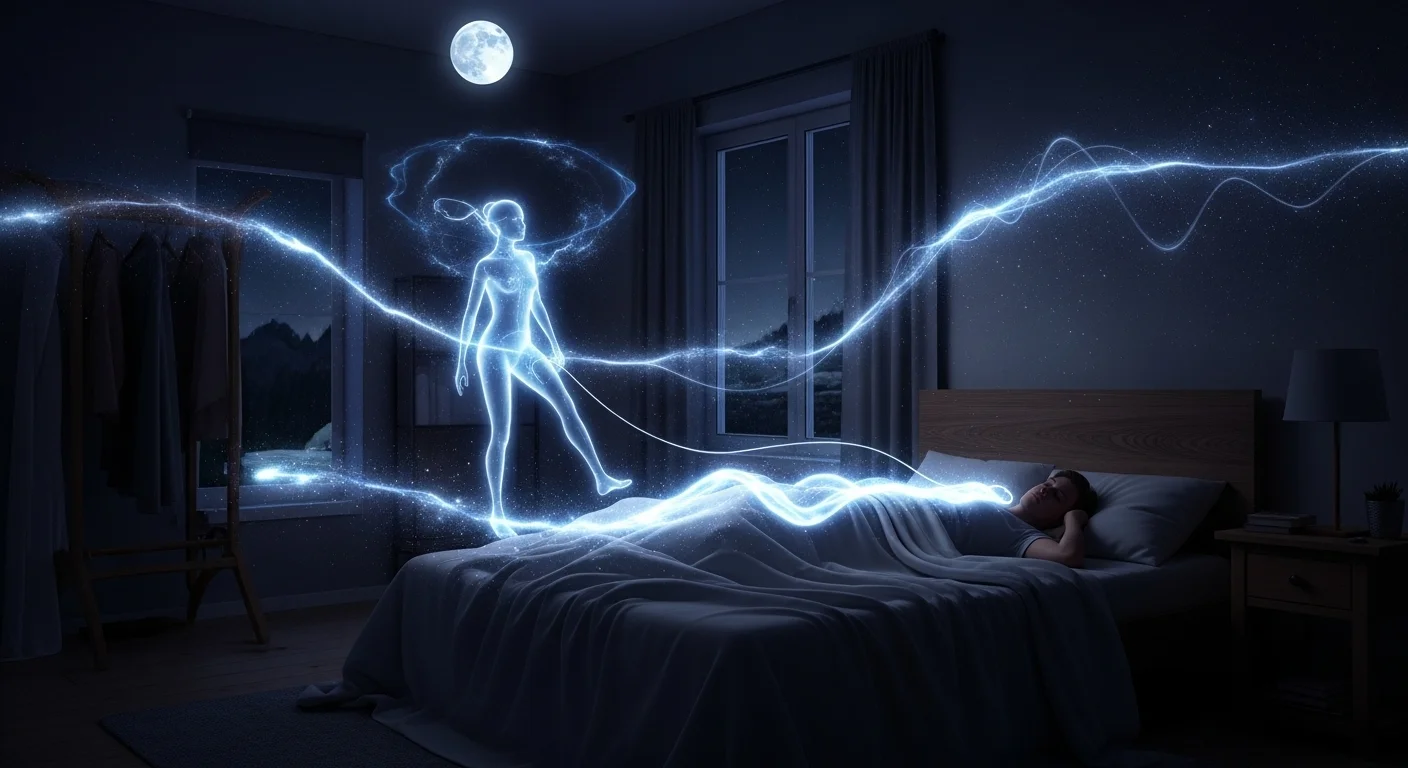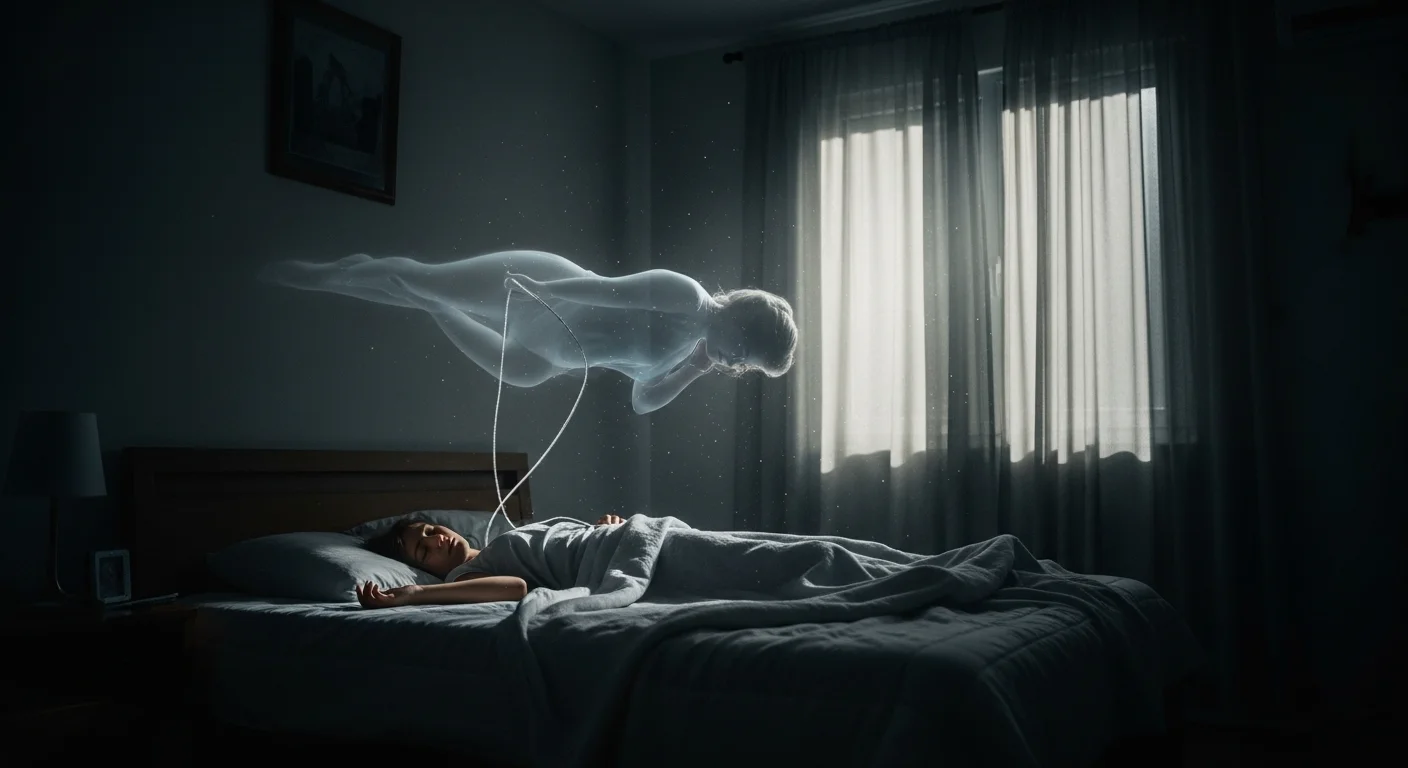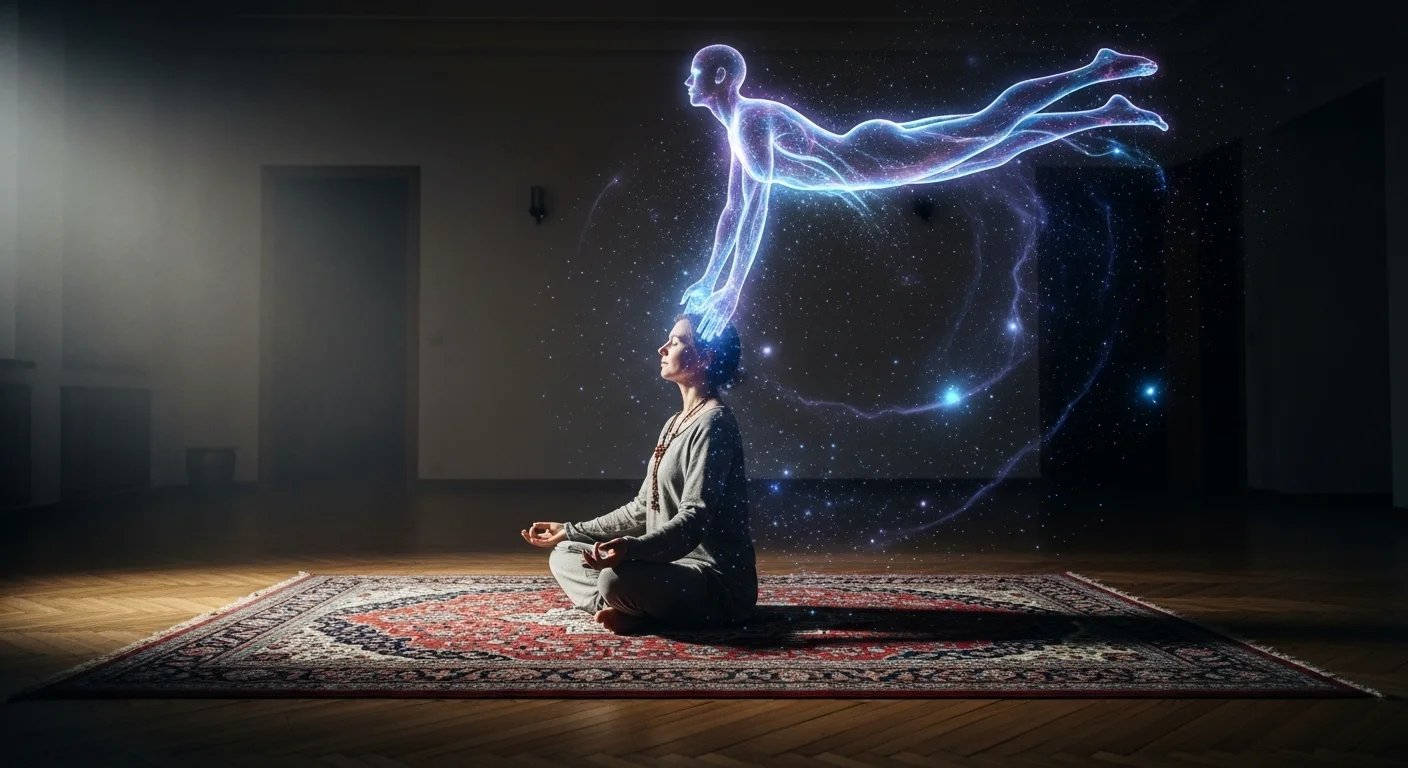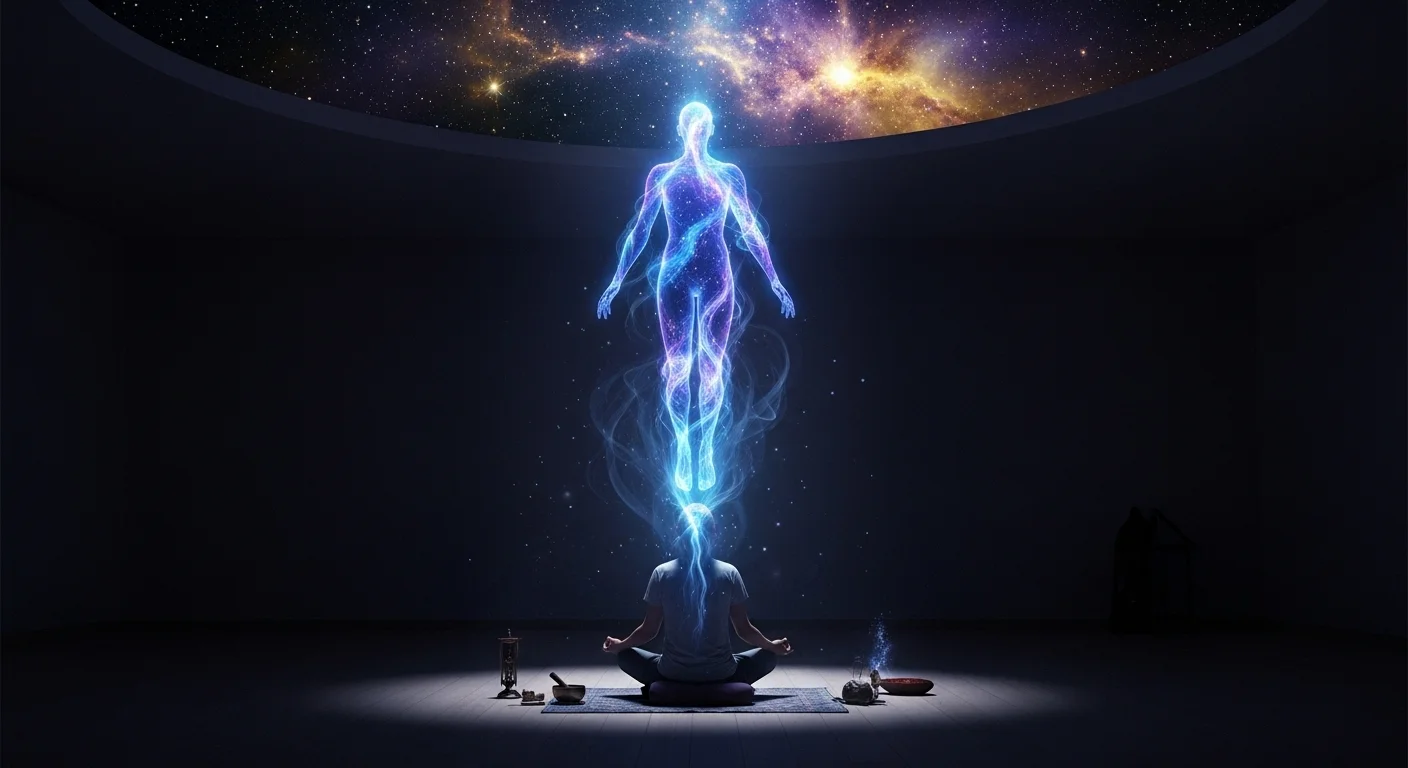
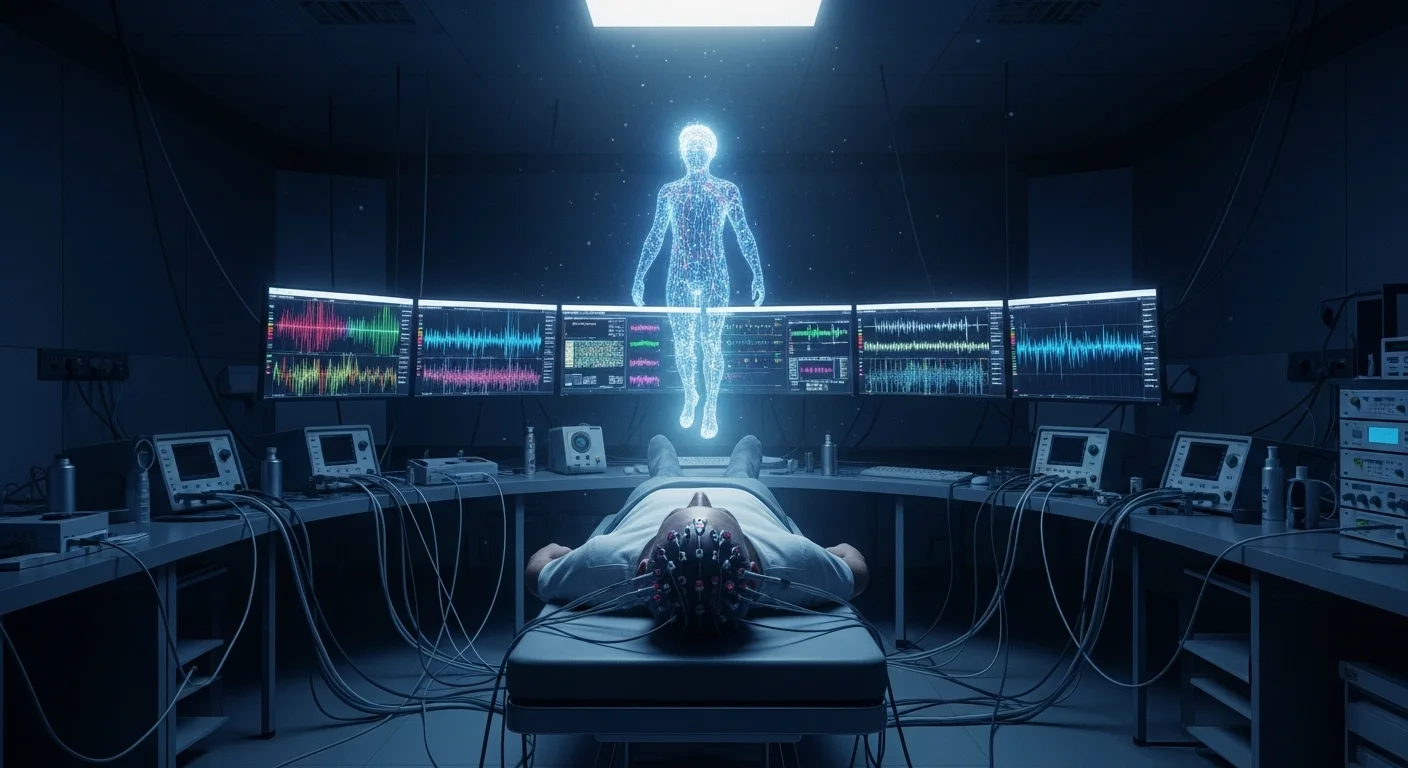
Scientists define an out-of-body experience as a transient sensory event. The subject feels that their self is located outside their physical boundaries. This phenomenon usually involves three specific characteristics. First, the person experiences a feeling of disembodiment. Second, they perceive the world from an elevated and distant visual perspective. Third, they see their own physical body from this external point of view. Researchers use these criteria to identify and categorize the experience in clinical studies.
Neuroscience treats these events as functional issues within the brain. The experience arises from a failure in multisensory integration. The brain normally combines visual, tactile, and vestibular signals to create a cohesive sense of body ownership. When this process fails, the brain cannot align the physical self with the perceived self. Studies often point to the temporoparietal junction as the critical area. Electrical stimulation of this specific brain region can artificially induce these sensations in patients.
These experiences occur under various physiological and psychological conditions. They frequently happen during near-death experiences, sleep paralysis, or periods of extreme physical relaxation. Researchers also document them in cases of brain trauma or epilepsy. Science does not accept these events as evidence of a soul leaving the body. Instead, investigators focus on reproducing the sensation in laboratory settings. They use virtual reality and specific sensory conflicts to study how the brain constructs the concept of self.
Historical Overview of Scientific Research on the Topic
The scientific investigation of astral projection began in the late nineteenth century. Researchers started to document reports of out-of-body experiences systematically to understand the phenomenon. The Society for Psychical Research in London played a key role during this period. They collected thousands of cases to identify common patterns among subjects. Early studies focused primarily on qualitative data and anecdotes rather than laboratory experiments. This era established the foundational terminology used in future psychological and parapsychological studies.
During the 1960s and 1970s, research moved into controlled laboratory settings. Psychologists like Charles Tart conducted experiments to monitor physiological changes during these states. They used electroencephalographs to measure brain wave activity in subjects who claimed to project their consciousness. Specifically, researchers observed unique brain patterns that differed from normal sleep or dreaming. This period also involved testing subjects to see if they could identify target numbers placed in other rooms while in an out-of-body state.
Modern research focuses on the neurological basis of the experience. Neuroscientists have used brain imaging technology to locate specific areas associated with the phenomenon. In the early 2000s, Dr. Olaf Blanke discovered that stimulating the temporoparietal junction could induce an out-of-body experience artificially. These studies suggest that the sensation of leaving the body results from a disruption in sensory integration. Current science treats the phenomenon as a complex cognitive event rather than proof of a separate soul.
Neurological Explanations for Out-of-Body Sensations
Scientists have identified specific brain regions that generate out-of-body experiences. The primary area of interest is the temporoparietal junction. This region processes sensory information from the body to create a unified sense of self and physical location. When this area malfunctions or receives electrical stimulation, it fails to integrate tactile and visual signals correctly. Research demonstrates that stimulating the right temporoparietal junction directly induces the sensation of floating outside the body. This evidence suggests a biological origin for these events.
Another neurological factor involves the vestibular system, which controls balance and spatial orientation. Disruptions in the inner ear or the brain’s processing of movement can create illusions of floating or spinning. These sensations often occur during the transition between wakefulness and sleep. During this state, the brain disconnects from external sensory input while remaining alert. If the brain misinterprets internal signals during this phase, it constructs a simulation of the body moving independently from the physical form.
Modern neuroimaging studies provide further insight into these phenomena using brain scans. Functional magnetic resonance imaging reveals that out-of-body states correlate with unusual activity in the sensory cortex. Additionally, certain chemical imbalances or dissociative drugs like ketamine affect the NMDA receptors in the brain. This chemical interaction disrupts the normal transmission of sensory data. The brain attempts to compensate for this lack of information by generating a hallucination of the self observing the body from an external perspective.
Key Experiments and Case Studies on Astral Projection
Researchers have attempted to verify out-of-body experiences under controlled laboratory conditions. A prominent example is the study conducted by psychologist Charles Tart in the 1960s. He observed a subject known as Miss Z during sleep. Tart placed a random five-digit number on a shelf well above her bed. The subject claimed she floated out of her body to view the target. She eventually reported the correct number, though critics argue this result lacks repetition.
Another significant case involved the subject Ingo Swann at the American Society for Psychical Research. Researchers Karlis Osis and Janet Mitchell designed experiments to test his ability. Swann attempted to project his vision into a suspended platform containing various optical targets. He produced sketches and descriptions of the hidden objects that matched the targets. While these results were statistically significant, skeptics suggest that sensory leakage or lucky guessing could explain the successful identifications.
Modern neuroscience uses medical technology to analyze the brain during these phenomena. Dr. Olaf Blanke conducted a pivotal experiment in 2002 while treating a patient for epilepsy. He applied electrical stimulation to the right angular gyrus of her brain. The patient immediately reported the sensation of floating outside her body and looking down. This experiment suggests that specific brain regions control self-location. It indicates that functional changes in the brain can trigger out-of-body sensations.
Psychological Perspectives and Dissociative Disorders
Psychology treats astral projection as an internal mental event. Researchers classify these experiences as hallucinations or sensory distortions. The brain creates a model of the physical body to navigate the world. When this neural process fails, the sense of self may seem to detach from the physical form. This separation is likely a disruption in the temporoparietal junction. This area of the brain manages sensory input and spatial perception. Scientists observe these states without assuming a spirit exists.
Many studies link these experiences to dissociative disorders. Dissociation involves a disconnection between thoughts, memory, and identity. A specific condition known as depersonalization-derealization disorder shares symptoms with astral projection. Patients report feeling like observers of their own bodies or feeling detached from reality. These clinical symptoms suggest that out-of-body experiences are cognitive mechanisms. They function as a defense or a neurological error during stress. The mind alters perception to cope with overwhelming sensory data.
Research indicates that people with high levels of psychological absorption report these events more often. Absorption is a trait where a person becomes deeply immersed in mental imagery. While linked to dissociation, not all out-of-body experiences indicate mental illness. Healthy individuals can induce these states through meditation or sensory deprivation. However, the mechanism remains similar to pathological dissociation. The brain temporarily loses the ability to integrate sensory information. This results in the illusion of leaving the body.
Current Scientific Consensus and Future Research
The prevailing scientific view classifies astral projection as a type of hallucination or a neurological phenomenon. There is no empirical evidence to support the claim that consciousness separates from the physical body. Instead, researchers attribute these sensations to specific brain functions. Studies show that electrical stimulation of the temporoparietal junction can artificially induce out-of-body experiences in patients. Consequently, the consensus defines these events as internal processes of the brain rather than actual movement of a spirit.
Most data regarding astral projection comes from subjective reports and surveys. This reliance on anecdotal evidence creates difficulties for rigorous scientific analysis. Researchers currently use brain imaging techniques to observe neural activity during reported episodes. However, these scans only track changes in blood flow and electrical signals within the brain. They do not prove that a subject is observing a remote location. Designing a controlled experiment to verify external perception remains a significant challenge for scientists.
Future investigations aim to map the precise neural mechanisms that generate out-of-body sensations. Scientists are particularly interested in the relationship between these experiences and near-death states. Projects like the AWARE study attempt to verify if visual perception occurs during cardiac arrest. Researchers hope to determine if consciousness can exist independently of neural activity. These studies seek to separate biological causes from psychological factors. The goal is a complete neurological explanation for the sensation of body separation.
Your next step
If you already understand what astral projection is and you’re looking for practices that truly work, this e-book presents 35 tested techniques to induce out-of-body experiences. Each technique is explained clearly and directly, allowing you to choose the method that best fits your routine and level of awareness.
This material is ideal for those who want to apply objective and varied methods, speeding up the process of conscious out-of-body projection. It works for both beginners and practitioners who have already had experiences and want to expand their possibilities. This is a practical guide for anyone who wants consistent results.
If you are taking your first steps and want to understand the fundamentals of astral projection with clarity, this manual was created to make your learning easier. In it, you will find clear explanations about the subtle bodies, the stages of projection, the most common sensations, and how to deal with fear and mental blocks.
This e-book is recommended for anyone who needs a solid and safe foundation to start practicing with confidence. It organizes the concepts in a progressive way, helping you understand the process as a whole and develop a consistent and conscious practice.

For those who want more complete and in-depth guidance, the complete astral projection course offers structured lessons, guided practices, visualizations, advanced techniques, and ongoing support. The content was designed to take you from theory to practice with safety and consistency.
This course is suitable for all levels, from beginner to advanced, and provides a systematic approach based on years of research, experience, and proven results. You will learn how to awaken your potential, gain control of your experiences, and integrate spiritual insights into your daily life.