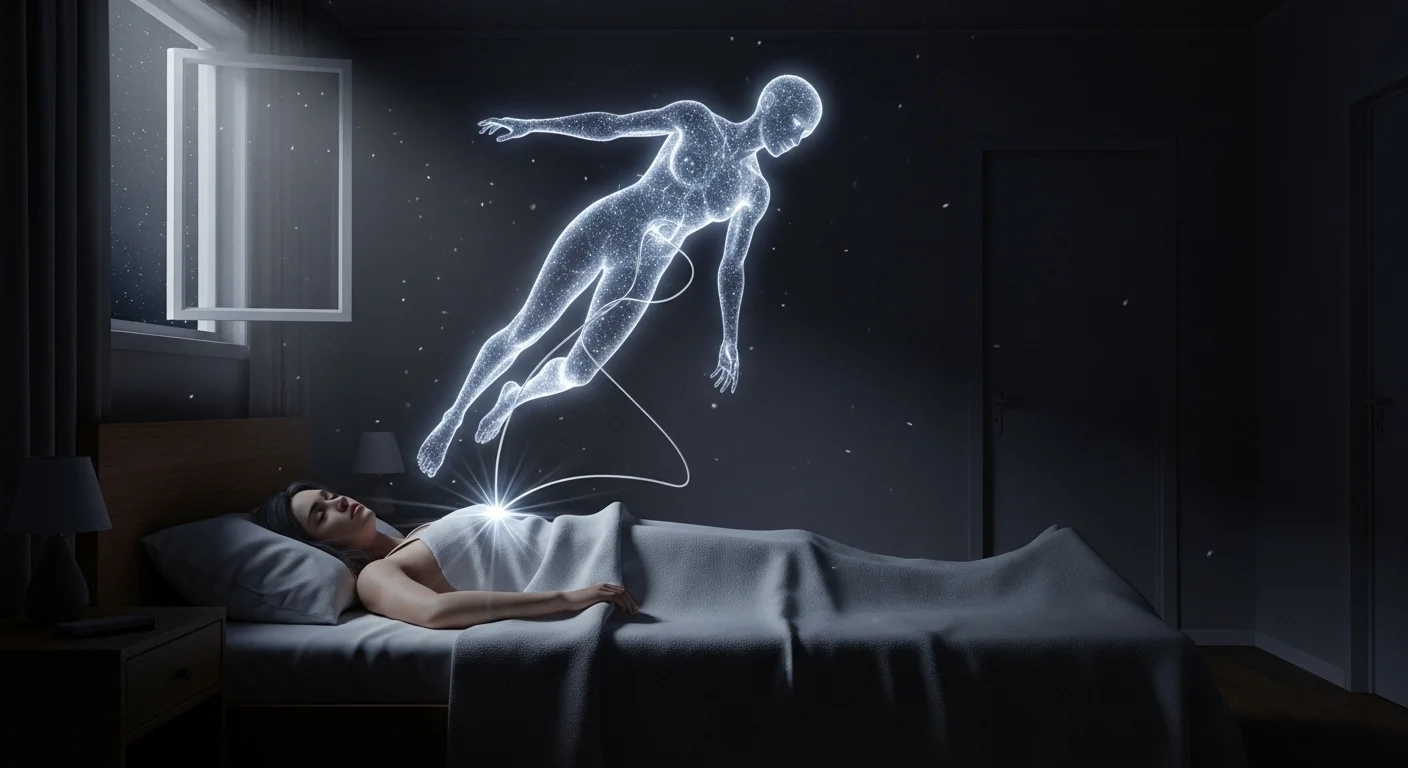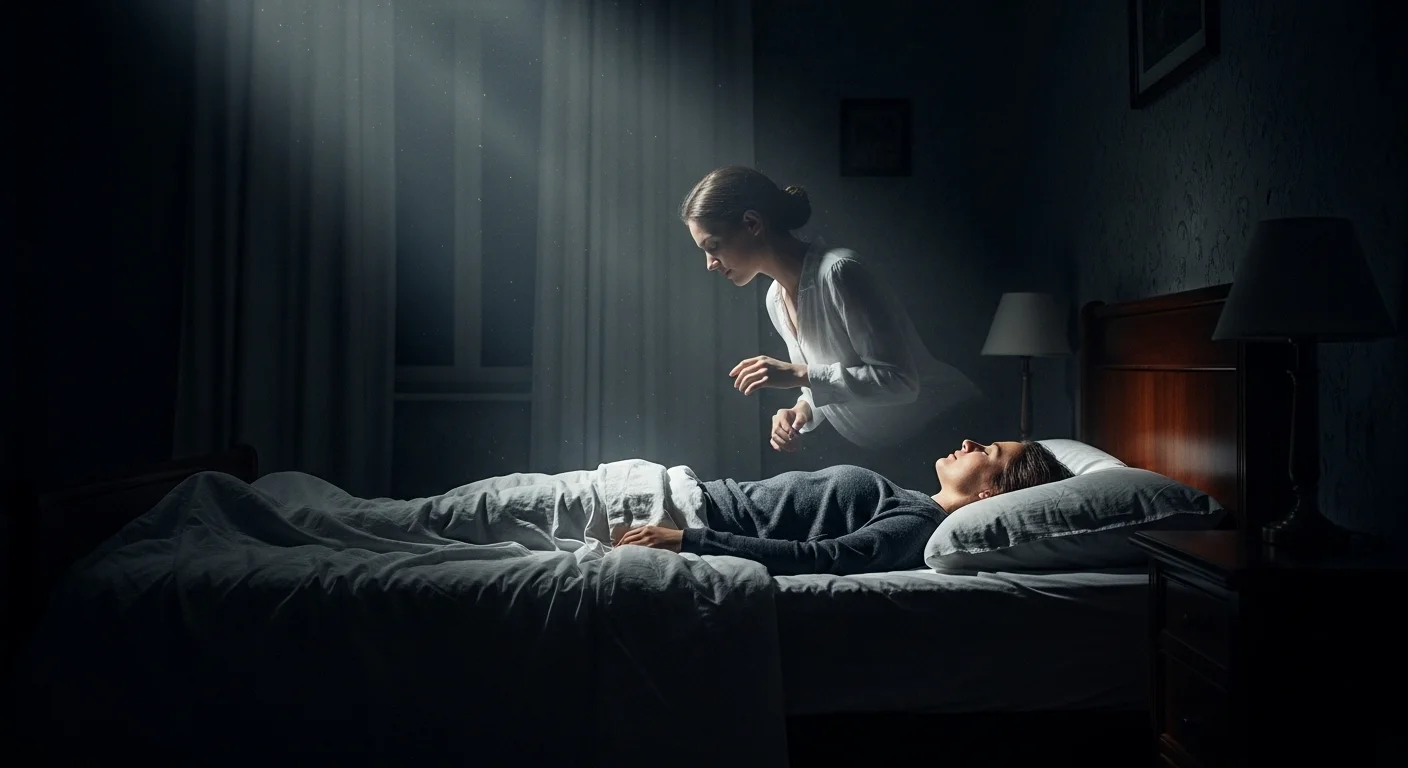
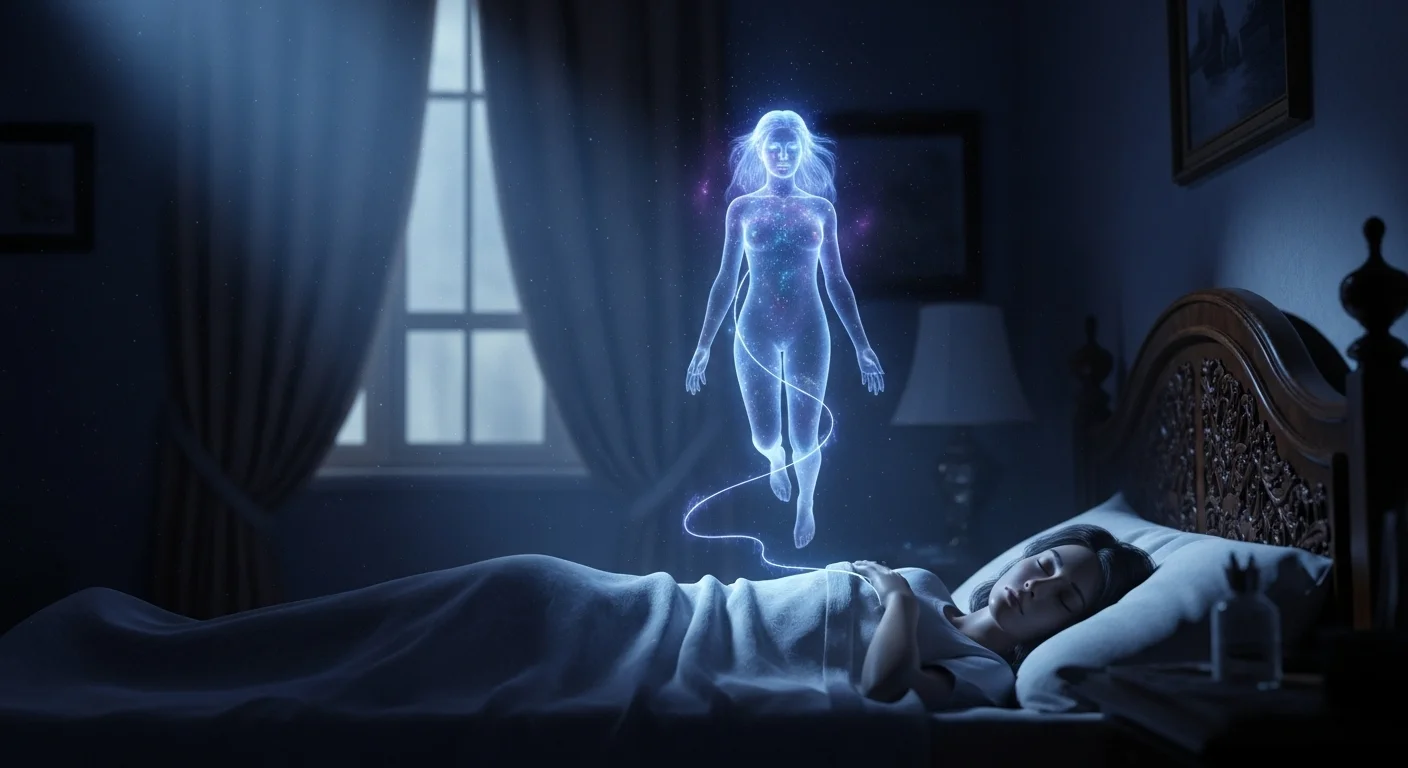
Astral detachment is a phenomenon where the astral body separates from the physical body. This event usually occurs when a person is asleep or in a state of deep relaxation. The physical body remains inactive while the astral body moves independently. Many individuals experience this state without full awareness. It is often described as an out-of-body experience. The consciousness may travel to different locations while the physical body stays in bed. This separation is a natural part of the sleep cycle.
During this process, an energy connection remains between the physical form and the astral form. This link ensures that the physical body continues its vital functions. The astral body can perceive the immediate environment or move to other places. A person might feel vibrations or a floating sensation before the separation happens. If the physical body wakes up suddenly, the astral body returns instantly. This rapid return can sometimes cause a sensation of falling or a sudden jolt.
Most people experience astral detachment unconsciously during normal sleep. However, some individuals learn to control this process through specific techniques. When the separation is intentional and the person remains aware, it is called astral projection. The individual retains their memories and cognitive abilities during the experience. This conscious state allows for observation and exploration outside the physical limitations. Understanding the difference between automatic detachment and conscious projection helps in identifying the specific type of experience you had.
Sensations of Vibration and Sleep Paralysis
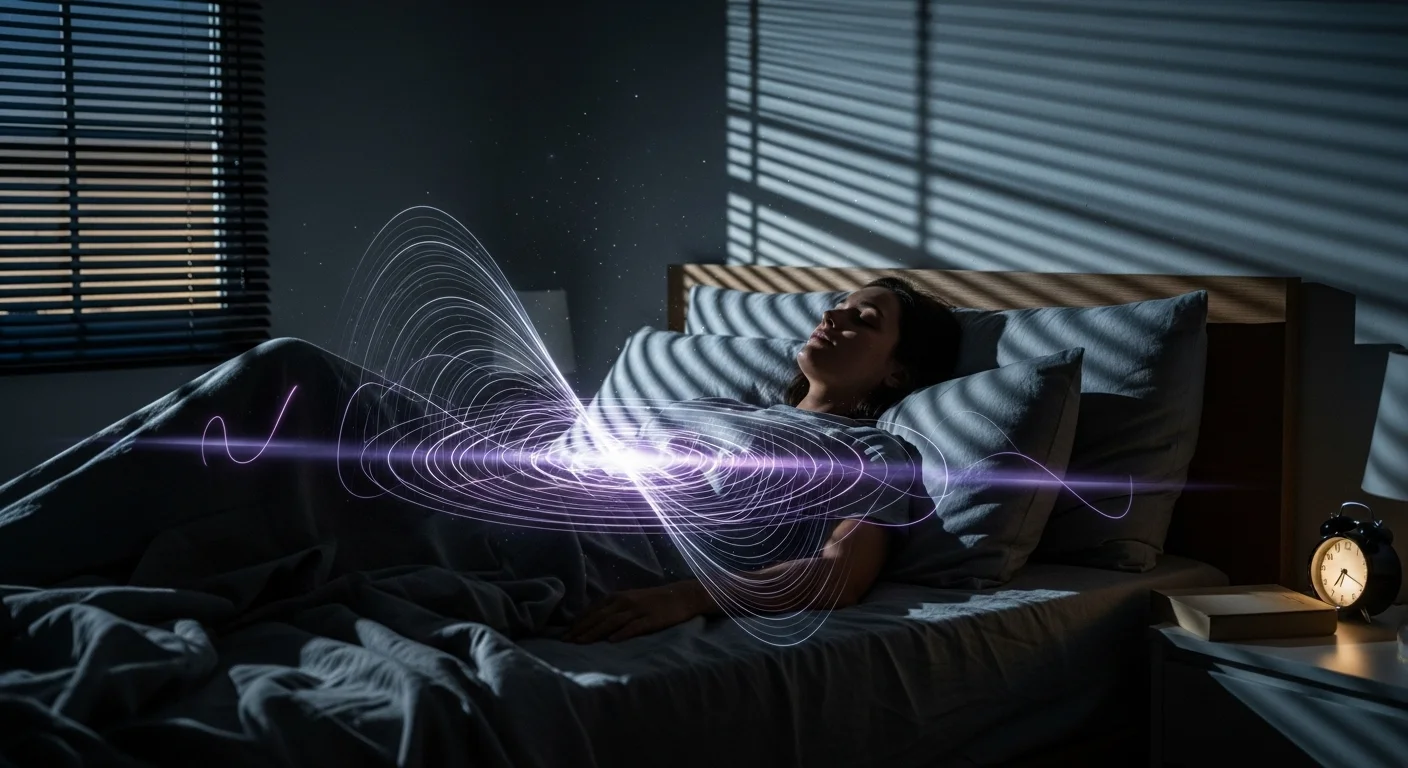
Many people report intense physical sensations before an astral detachment occurs. A common sign is the vibrational state, which feels like an internal buzzing or mild electricity running through the body. This sensation usually happens when the physical body is deeply relaxed but the mind remains awake. It is not painful or dangerous, but it can surprise those who experience it for the first time. This energy indicates that the non-physical body is loosening from the physical body.
Sleep paralysis often accompanies these vibrations during the early stages of the process. This condition occurs when the brain disconnects from the muscles to prevent movement during sleep. You may find that you are fully conscious but unable to move your limbs or speak. This is a natural safety mechanism and does not indicate a medical problem. Understanding that this state is a biological function helps reduce fear and allows the detachment process to continue smoothly.
These two phenomena often happen together and serve as clear indicators of a potential astral projection. If you remain calm during the paralysis and vibrational stage, you can control the experience. Panic usually causes the physical body to wake up fully and ends the process. Instead of fighting the immobilization, you should focus on the sensation of floating or rolling out of bed. This mental focus directs the consciousness away from the physical form effectively.
Observation of the Physical Body from Outside
This specific indicator involves seeing your own physical body from an external perspective. You might find yourself floating near the ceiling or standing beside the bed while looking down. The physical body remains motionless and appears to be sleeping deeply. This visual experience confirms that your consciousness has separated from the biological form. You recognize the person on the bed as yourself, but you are observing the scene from a distinct point in space.
The visual details during this experience are usually clear and realistic. You can see the exact position of your limbs, the clothes you are wearing, and the surrounding furniture. Some people report seeing their chest rising and falling with the rhythm of breathing. This observation differs from a dream because the environment remains stable and does not change randomly. The sense of self is located entirely outside the physical vessel, which creates a feeling of objectivity.
Many individuals attempt to interact with their sleeping body during this state. You may try to touch or wake the physical form, but your hand passes through solid matter without resistance. This lack of physical interaction reinforces the reality of the separation. The experience provides strong evidence that consciousness exists independently of the brain. Seeing your own form from a distance is one of the most reliable signs that a full astral detachment has occurred.
Auditory Sounds and Buzzing Noises
During the early stages of astral detachment, you may hear specific sounds inside your head. These noises often happen when your physical body relaxes deeply and enters a state near sleep. The sounds vary in type and intensity for each person. Common examples include loud buzzing, humming, ringing, or roaring noises. These auditory experiences are not external sounds from the environment. They originate internally and signal a shift in your consciousness away from physical reality.
These auditory sensations usually indicate the onset of the vibrational state. This state occurs when the energy body loosens its connection to the physical body. The buzzing or ringing relates to a change in frequency as you transition between states of awareness. You might feel vibrations in your body at the same time as these sounds. This combination confirms that the process is natural and safe. It marks a clear separation between the physical and non-physical senses.
You should remain calm if you experience these intense noises. Fear or excitement can disrupt the process and wake your physical body. Instead of analyzing the sounds, simply observe them with a neutral attitude. Focus on maintaining your relaxation and steady breathing. If the noise becomes too loud, you can mentally command it to lower in volume. Acceptance of these auditory signals allows the detachment to continue smoothly until you achieve a full astral projection.
Ability to Float or Pass Through Objects
One common sign of astral detachment is the complete absence of physical weight. You may feel as though you are hovering directly above your physical body or floating near the ceiling. This sensation occurs because the astral body is not subject to the laws of gravity that govern the material world. Many practitioners report looking down to see their sleeping form while they remain suspended in the air. This distinct feeling of buoyancy confirms that your consciousness has shifted away from your physical vessel.
Movement during an astral experience differs significantly from standard physical movement. You do not need to use your muscles to walk or run across the floor. Instead, you propel yourself forward through mental intention and focused thought. This allows you to glide across a room or ascend into the sky with little effort. If you attempt to walk normally, you might find yourself drifting upward involuntarily. This lack of friction and physical resistance indicates that you are navigating the astral plane.
Another definitive characteristic is the ability to move directly through solid structures. Walls, doors, and windows do not act as barriers to the astral form. You can pass through these objects without feeling any pain or impact. This phenomenon happens because the astral body exists at a different frequency than dense physical matter. If you reach out to touch a piece of furniture, your hand may simply go through it. Recognizing this permeability helps verify that you are in a detached state.
Differences Between Astral Detachment and Lucid Dreams
Lucid dreaming occurs when you become aware that you are dreaming while still asleep. In this state, the dreamer often controls the narrative and changes the environment at will. The mind creates the scenery and the characters based on personal memories or subconscious thoughts. In contrast, astral detachment involves the sensation of the consciousness leaving the physical body. You observe a reality that exists independently of your imagination, and you generally cannot alter the surroundings or the entities you encounter.
The quality of perception differs significantly between these two experiences. During a lucid dream, the visuals may feel hazy or unstable, and details often change if you look away and look back. The environment feels subjective and malleable. An astral detachment usually presents a highly realistic and stable environment. You perceive your surroundings with clarity that often exceeds normal waking vision. The layout of the room or the physical world remains consistent, just as it does when you are awake.
Physical sensations provide another clear distinction between the states. Lucid dreams typically begin after the dream has already started, without specific physical transitions. You simply realize you are dreaming. Astral detachment often starts with distinct energetic sensations before separation occurs. You might feel intense vibrations, loud buzzing sounds, or a sensation of floating out of the body. A defining characteristic of detachment is looking back and seeing your own physical body sleeping in the bed, which does not happen in standard lucid dreams.
Your next step
If you already understand what astral projection is and you’re looking for practices that truly work, this e-book presents 35 tested techniques to induce out-of-body experiences. Each technique is explained clearly and directly, allowing you to choose the method that best fits your routine and level of awareness.
This material is ideal for those who want to apply objective and varied methods, speeding up the process of conscious out-of-body projection. It works for both beginners and practitioners who have already had experiences and want to expand their possibilities. This is a practical guide for anyone who wants consistent results.
If you are taking your first steps and want to understand the fundamentals of astral projection with clarity, this manual was created to make your learning easier. In it, you will find clear explanations about the subtle bodies, the stages of projection, the most common sensations, and how to deal with fear and mental blocks.
This e-book is recommended for anyone who needs a solid and safe foundation to start practicing with confidence. It organizes the concepts in a progressive way, helping you understand the process as a whole and develop a consistent and conscious practice.
For those who want more complete and in-depth guidance, the complete astral projection course offers structured lessons, guided practices, visualizations, advanced techniques, and ongoing support. The content was designed to take you from theory to practice with safety and consistency.
This course is suitable for all levels, from beginner to advanced, and provides a systematic approach based on years of research, experience, and proven results. You will learn how to awaken your potential, gain control of your experiences, and integrate spiritual insights into your daily life.