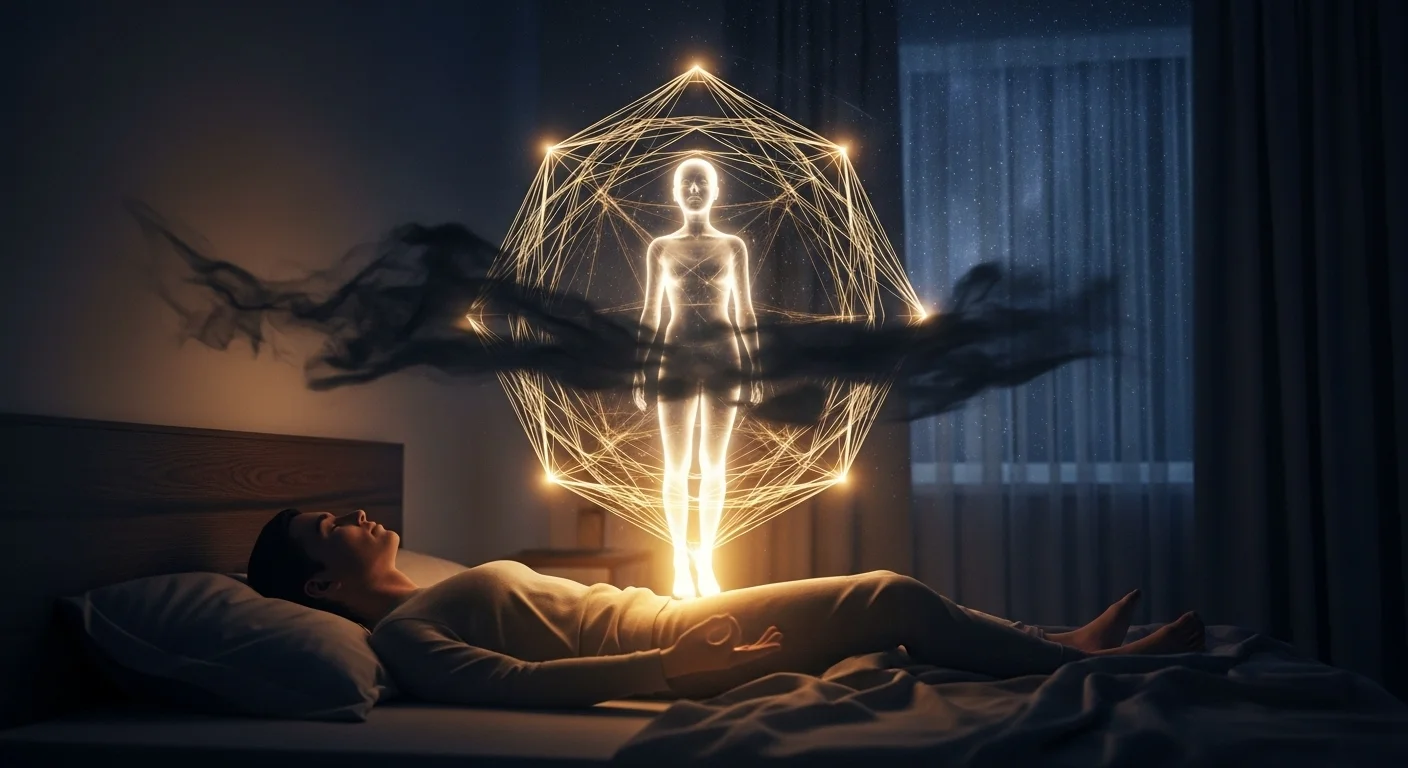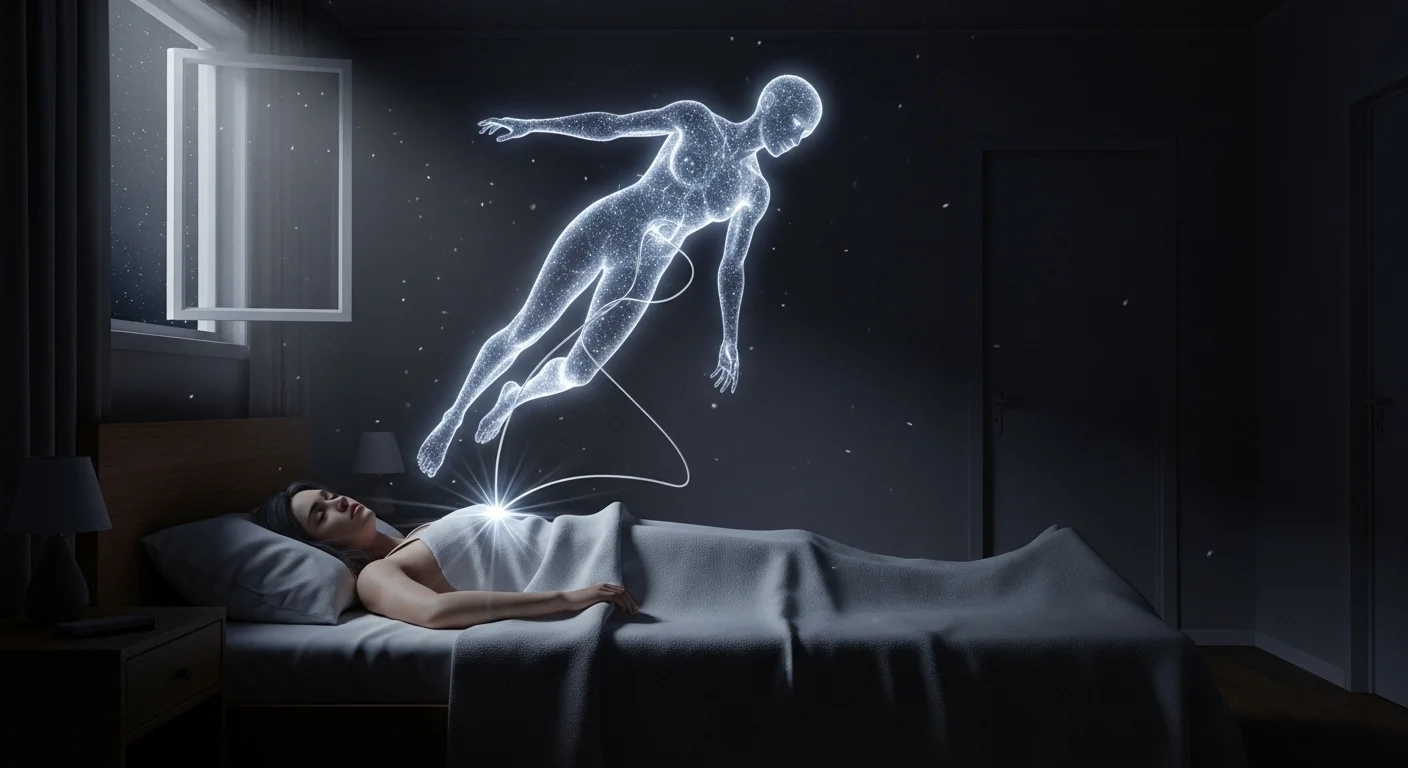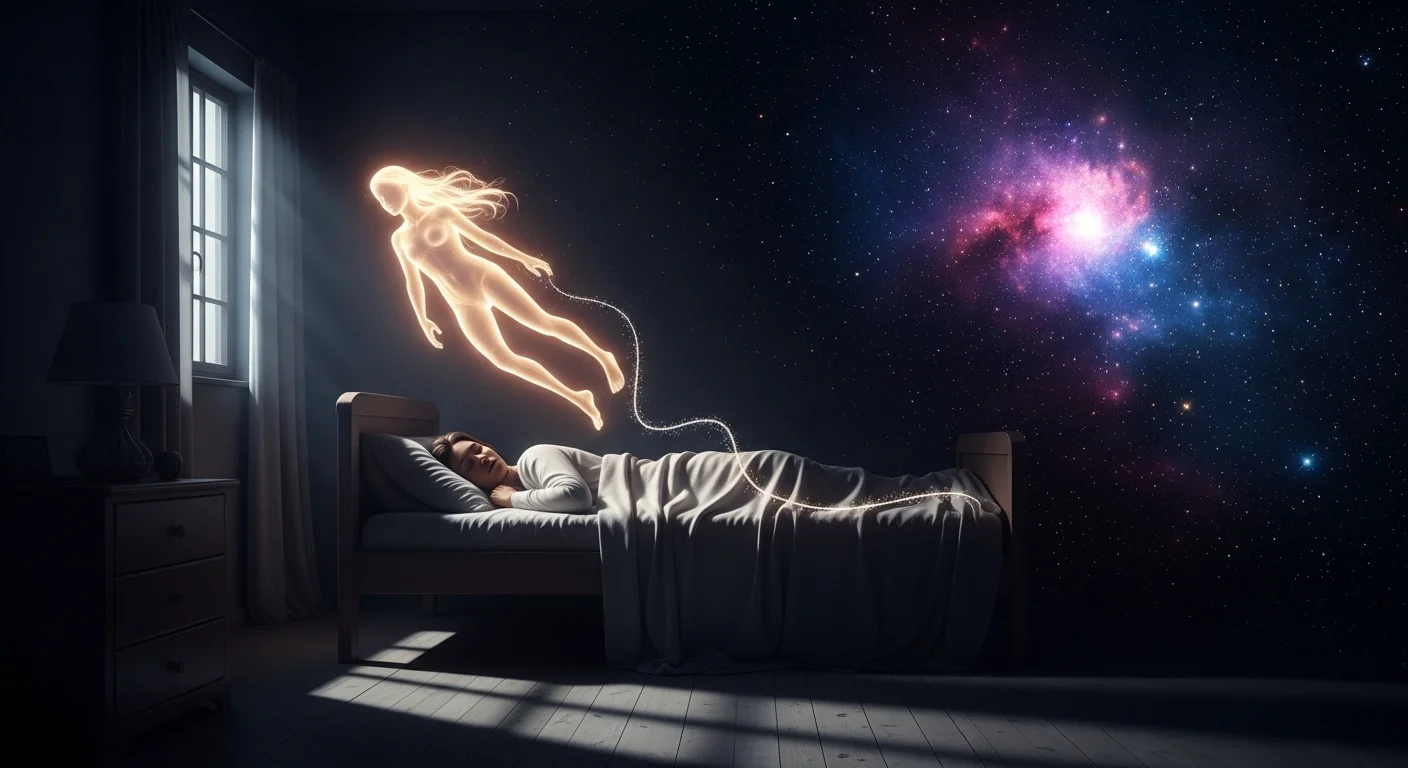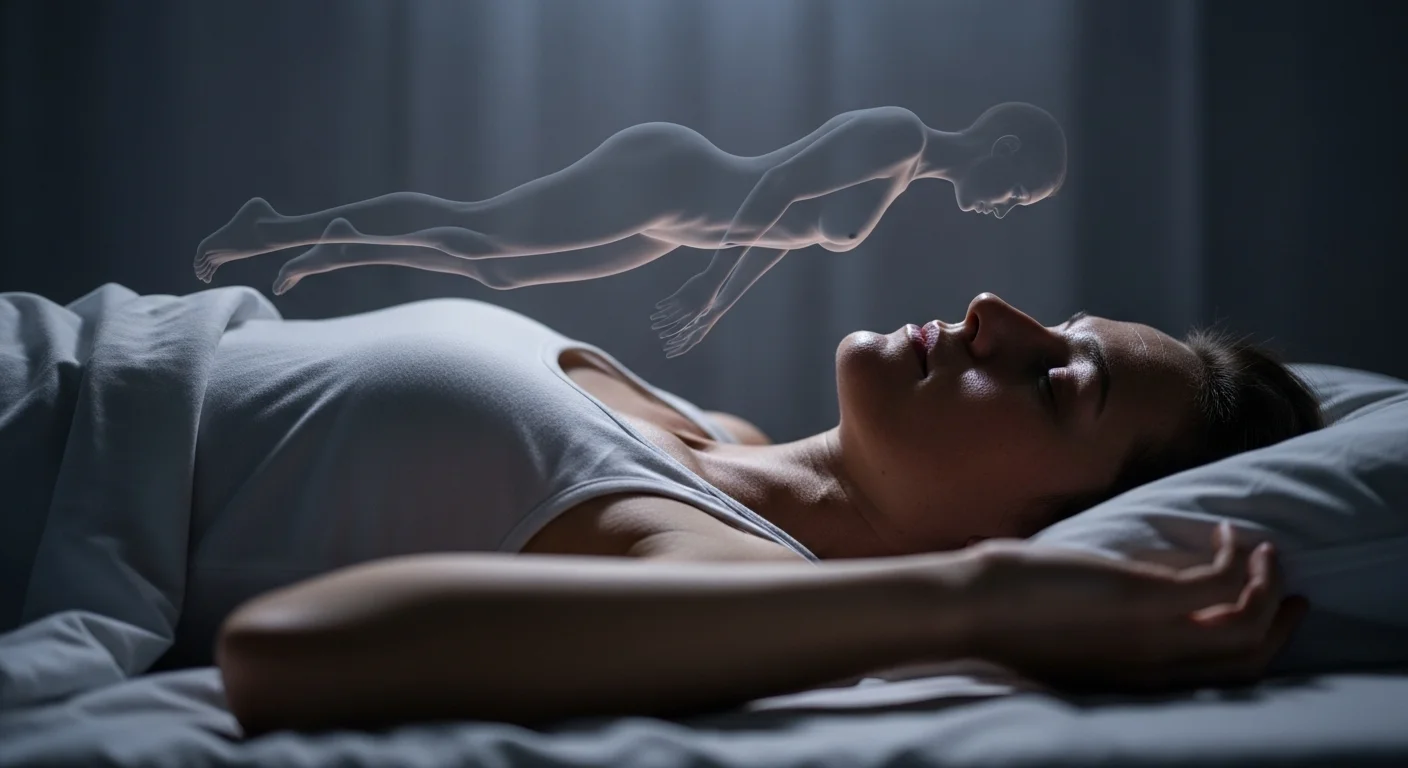
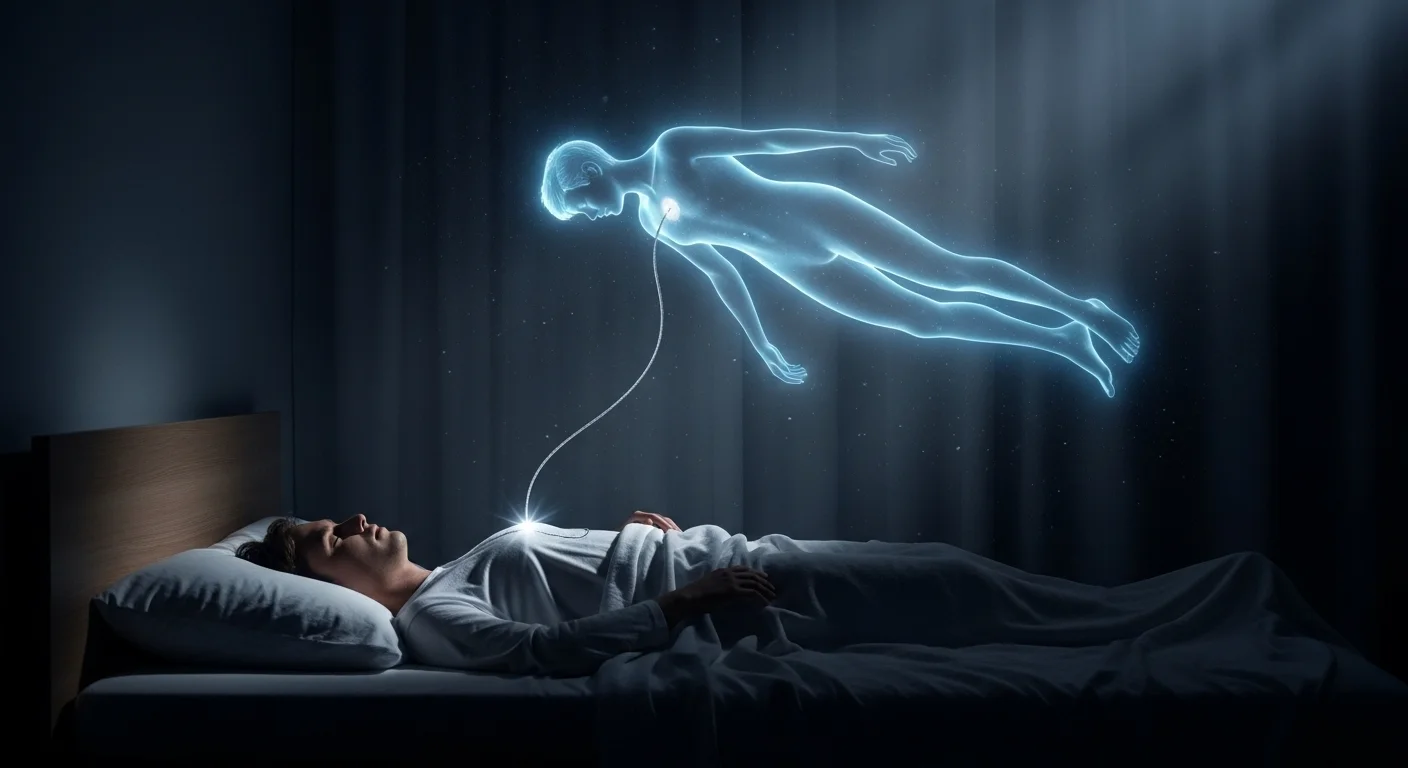
Astral projection frequently occurs during the transition between wakefulness and sleep. This specific phase is known as the hypnagogic state. During this time, the physical body begins to relax significantly while the conscious mind remains alert. Practitioners often aim to maintain mental awareness as the body falls asleep to induce an out-of-body experience. This delicate balance allows the consciousness to detach from physical sensations without losing lucidity or falling into unconscious sleep.
The Rapid Eye Movement (REM) cycle is a critical component for these experiences. Brain activity during REM sleep is similar to that of a waking state. This high level of neural activity supports vivid dreaming and lucid dreaming. Sleep paralysis also happens during this stage to prevent physical movement. This natural paralysis creates a stable condition for the mind to perceive a separation from the physical body. It facilitates the sensation of floating or movement independent of physical muscles.
Many techniques for inducing astral projection rely on interrupting natural sleep cycles. A common method involves waking up after four or five hours of sleep and then returning to bed. This practice targets the periods when REM cycles are longest and most frequent. By entering sleep with the intention to project, the individual bypasses deep sleep stages. This allows immediate entry into the REM state with retained conscious awareness, increasing the likelihood of a successful projection attempt.
Impact of Near-Death Experiences and Trauma
Near-death experiences often trigger spontaneous astral projection events. When the physical body faces a critical threat or ceases to function temporarily, consciousness may detach from the physical form. Reports frequently describe hovering over the body or observing medical procedures from a specific vantage point. This separation occurs as a survival mechanism or a natural physiological response to extreme stress. Researchers suggest that this phenomenon disrupts the usual bond between the mind and the physical senses.
Severe physical or emotional trauma can also induce out-of-body experiences without a near-death event. Victims of accidents or abuse sometimes report a sensation of leaving their bodies during the traumatic incident. This process is known as dissociation and serves to distance the individual from pain or terror. The brain creates a psychological split that allows the consciousness to observe the situation objectively. This defense mechanism protects the mind but may result in unintentional astral projection.
Individuals who undergo these intense experiences often retain an increased ability to induce astral projection later. The neural pathways or psychological barriers that normally keep consciousness attached to the body become more flexible after the initial separation. Consequently, survivors of NDEs or trauma may experience spontaneous vibrations or exit sensations during sleep states. This sensitivity indicates a permanent shift in how the brain processes spatial awareness. They often find it easier to learn voluntary projection techniques compared to others.
Effects of Deep Meditation and Relaxation
Deep meditation and relaxation techniques significantly alter physiological processes in the human body. These practices lower the heart rate and slow down breathing patterns to a minimum level. As the physical body enters a state of profound rest, sensory input from the external environment decreases. The brain shifts its electrical activity from the active Beta state to slower Theta or Delta states. This specific condition allows the physical body to fall asleep while the conscious mind remains fully alert.
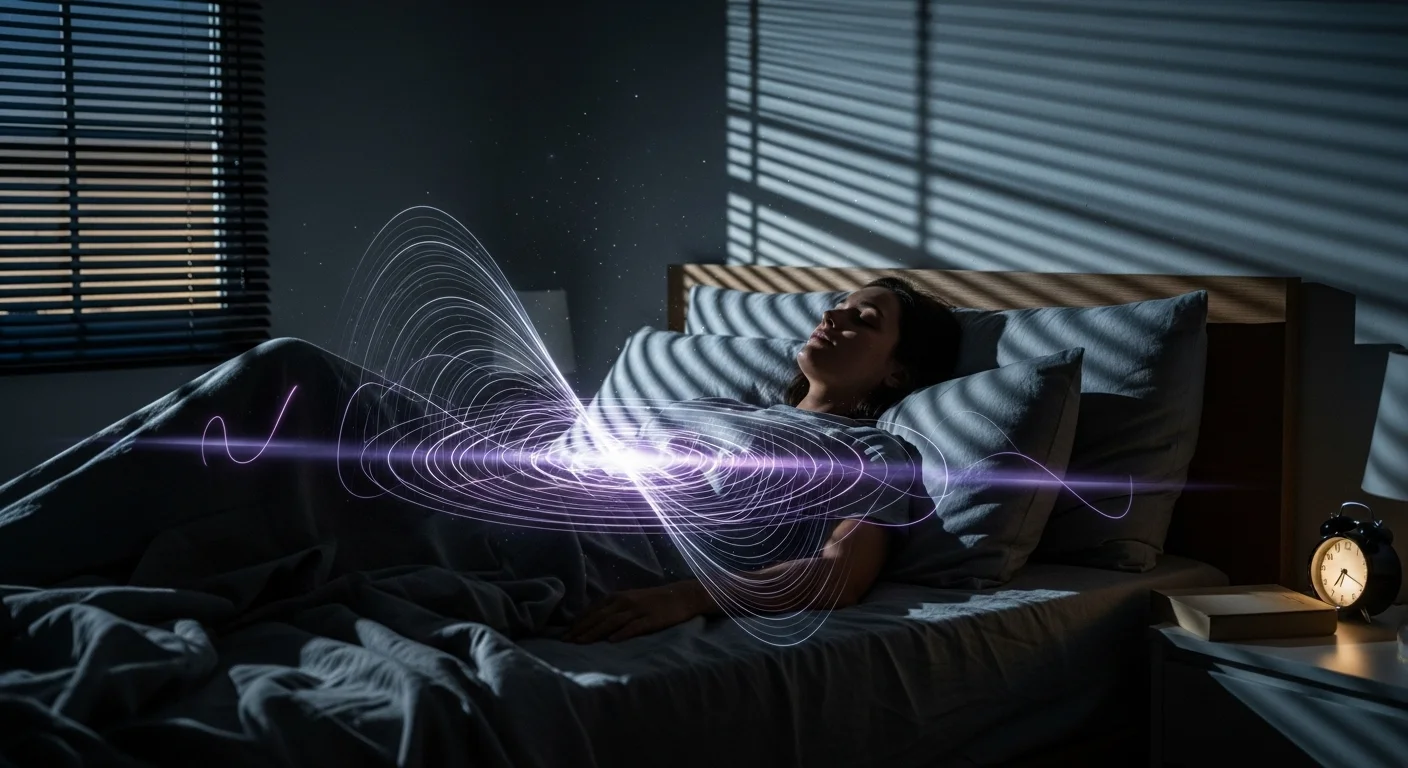
This distinct physiological state facilitates the loosening of the subtle energy body from the physical form. Practitioners often report specific sensations during this phase, such as intense internal vibrations or high-pitched sounds. These phenomena indicate that the consciousness is shifting focus away from physical reality. The complete absence of muscle tension removes the constraints that usually keep the consciousness focused on the physical frame. Consequently, the non-physical aspect of the self becomes free to move independently without physical restrictions.
Achieving this level of deep relaxation is the primary requirement for voluntary astral projection. Once the separation phase begins, the individual can use mental commands to exit the physical body. Common methods include visualizing a rope to pull oneself out or imagining a rolling motion. Without deep physical relaxation, the brain interprets movement as a physical action and wakes the body. Therefore, mastering these relaxation skills is essential for anyone who wishes to induce an out-of-body experience intentionally.
Influence of Sensory Deprivation
Sensory deprivation involves the deliberate reduction of external stimuli to the human nervous system. This process usually entails blocking vision with a mask and eliminating sound with earplugs or noise-canceling headphones. When the brain receives no input from the physical world, it begins to generate its own internal imagery. This shift in focus allows consciousness to move away from the physical body. Consequently, the mind enters a deep state of relaxation often required for astral projection experiences.
Flotation tanks are a common tool used to achieve total sensory isolation. The water supports the body to remove the sensation of gravity and touch. This environment promotes the hypnagogic state where the body falls asleep while the mind remains fully awake. In this specific condition, the practitioner often experiences vibrations or sleep paralysis. These physical sensations serve as common precursors to separating the astral body from the physical form without external distractions interfering.
The lack of sensory data causes brainwave patterns to slow down significantly. The brain shifts from an alert beta state into alpha and theta states. These slower frequencies are associated with deep meditation and out-of-body experiences. Without the constant processing of sights and sounds, the practitioner gains heightened mental focus. This mental clarity enables the individual to visualize the separation process effectively. The isolation technique makes the transition into the astral plane much easier to control.
Link Between Sleep Paralysis and Projection
Sleep paralysis occurs when the mind wakes up while the physical body remains asleep. This phenomenon typically happens during the REM stage of the sleep cycle. The brain restricts muscle movement to prevent the body from acting out dreams. This specific physiological state creates an ideal condition for astral projection. The consciousness remains alert and active, but the physical body is completely relaxed and immobile. This separation of mental awareness from physical sensation facilitates the exit process.
Practitioners often use sleep paralysis as a launching point for an out-of-body experience. The key is to remain calm and observe the sensations without fear. People often report hearing buzzing sounds or feeling strong vibrations during this phase. These signals indicate that the astral body is loosening from the physical form. By applying a separation technique, such as visualizing a rope or rolling over, the individual can detach their awareness from the paralyzed physical vessel.
Many individuals initially react to sleep paralysis with fear or panic due to hallucinations. However, experienced projectors view this condition as a valuable tool rather than a scary disorder. Understanding the biological link allows a person to convert a frightening episode into a controlled projection. You can learn to induce this state intentionally to increase the frequency of your experiences. Recognizing the symptoms of paralysis transforms an involuntary sleep event into a reliable gateway for exploration.
Neurological Factors and Brain Activity
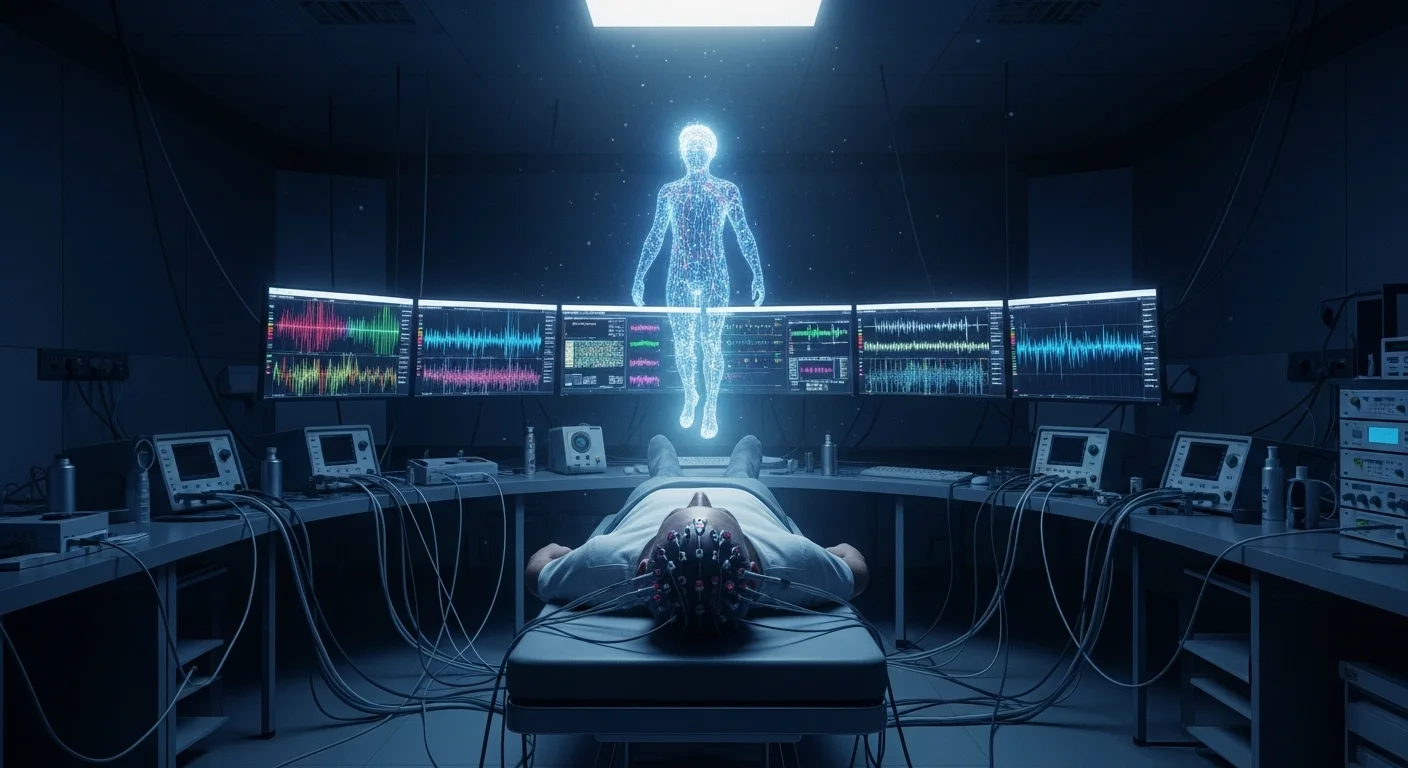
Research suggests that astral projection experiences often originate from specific patterns of electrical activity in the brain. Scientists frequently identify the temporoparietal junction as a key area involved in these phenomena. This region processes sensory information to create a sense of body ownership and spatial location. When this area functions abnormally due to electrical stimulation or disruption, the brain may fail to integrate sensory data correctly. This failure can cause the sensation of separating from the physical body.
Brain wave patterns also play a significant role in inducing out-of-body experiences during rest. Studies show that these states often occur during the transition between wakefulness and sleep, known as the hypnagogic state. During this phase, the brain generates theta waves which are associated with deep relaxation and vivid visualization. If the mind remains awake while the body falls asleep, the brain may enter a hybrid state of consciousness. This distinct neurological condition triggers realistic hallucinations of floating.
Neurochemistry and sensory deprivation further contribute to the occurrence of these projected states. High levels of stress or trauma can release neurotransmitters that dissociate perception from physical sensation. Additionally, when the brain lacks external sensory input, it attempts to create a coherent reality using internal models. This internal simulation can manifest as a convincing external environment. Consequently, the individual perceives themselves moving through a construct created entirely by neural activity rather than interacting with the physical world.
Your next step
If you already understand what astral projection is and you’re looking for practices that truly work, this e-book presents 35 tested techniques to induce out-of-body experiences. Each technique is explained clearly and directly, allowing you to choose the method that best fits your routine and level of awareness.
This material is ideal for those who want to apply objective and varied methods, speeding up the process of conscious out-of-body projection. It works for both beginners and practitioners who have already had experiences and want to expand their possibilities. This is a practical guide for anyone who wants consistent results.
If you are taking your first steps and want to understand the fundamentals of astral projection with clarity, this manual was created to make your learning easier. In it, you will find clear explanations about the subtle bodies, the stages of projection, the most common sensations, and how to deal with fear and mental blocks.
This e-book is recommended for anyone who needs a solid and safe foundation to start practicing with confidence. It organizes the concepts in a progressive way, helping you understand the process as a whole and develop a consistent and conscious practice.
For those who want more complete and in-depth guidance, the complete astral projection course offers structured lessons, guided practices, visualizations, advanced techniques, and ongoing support. The content was designed to take you from theory to practice with safety and consistency.
This course is suitable for all levels, from beginner to advanced, and provides a systematic approach based on years of research, experience, and proven results. You will learn how to awaken your potential, gain control of your experiences, and integrate spiritual insights into your daily life.