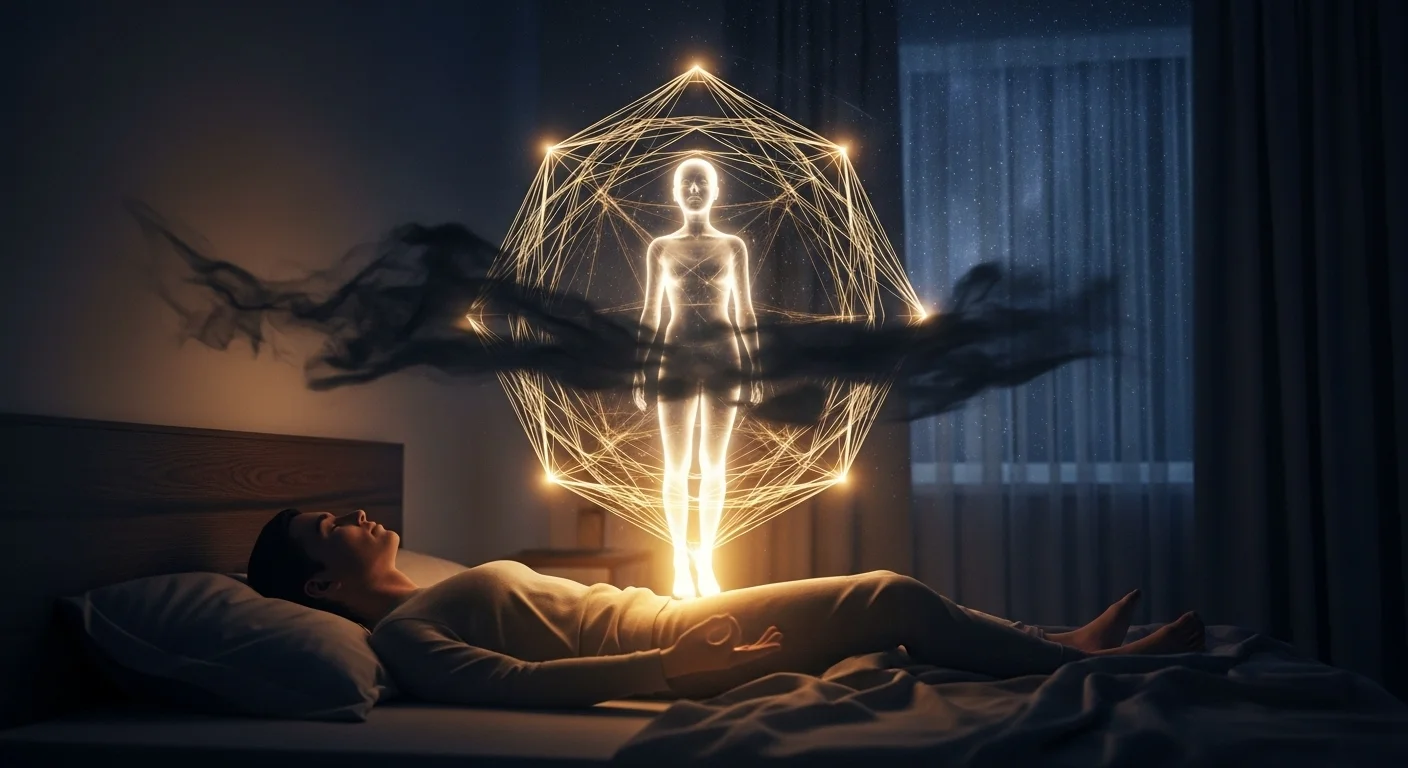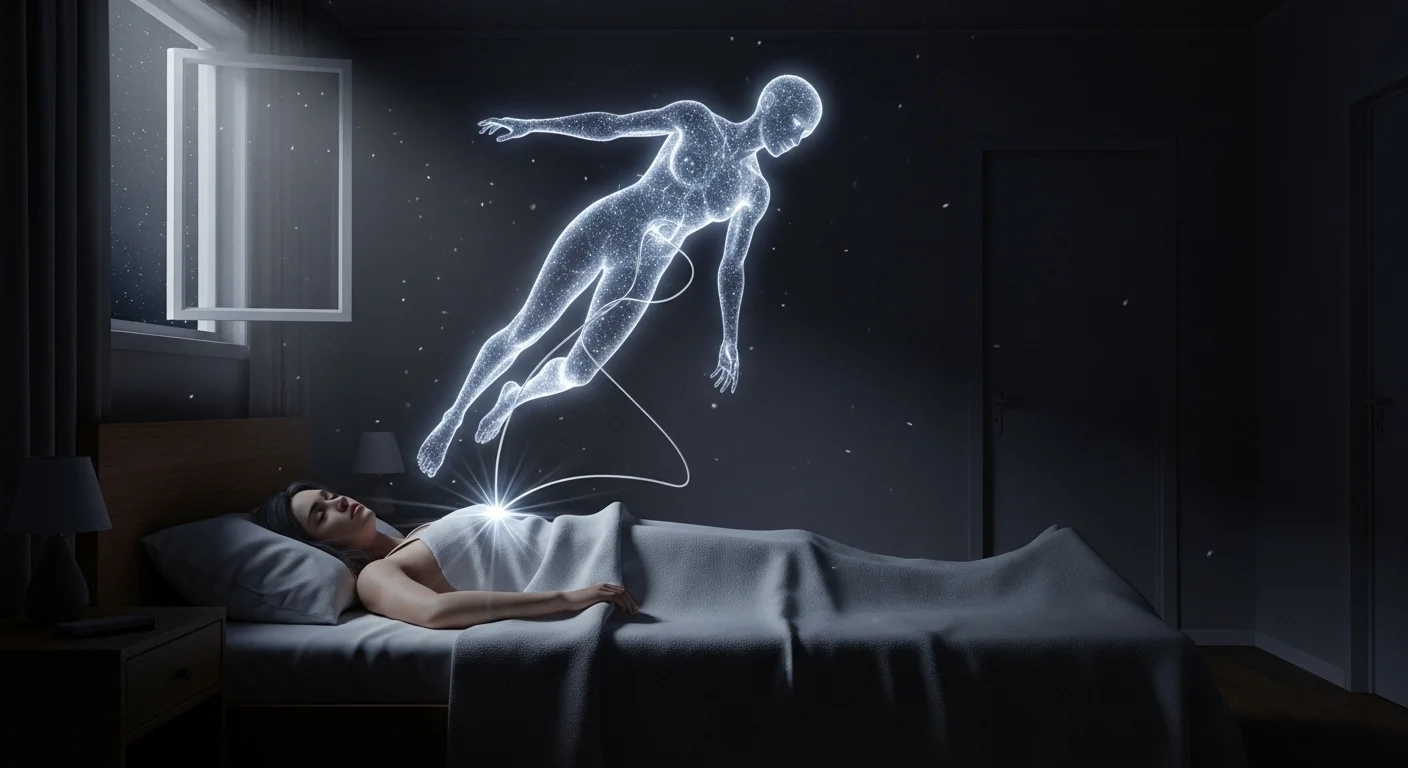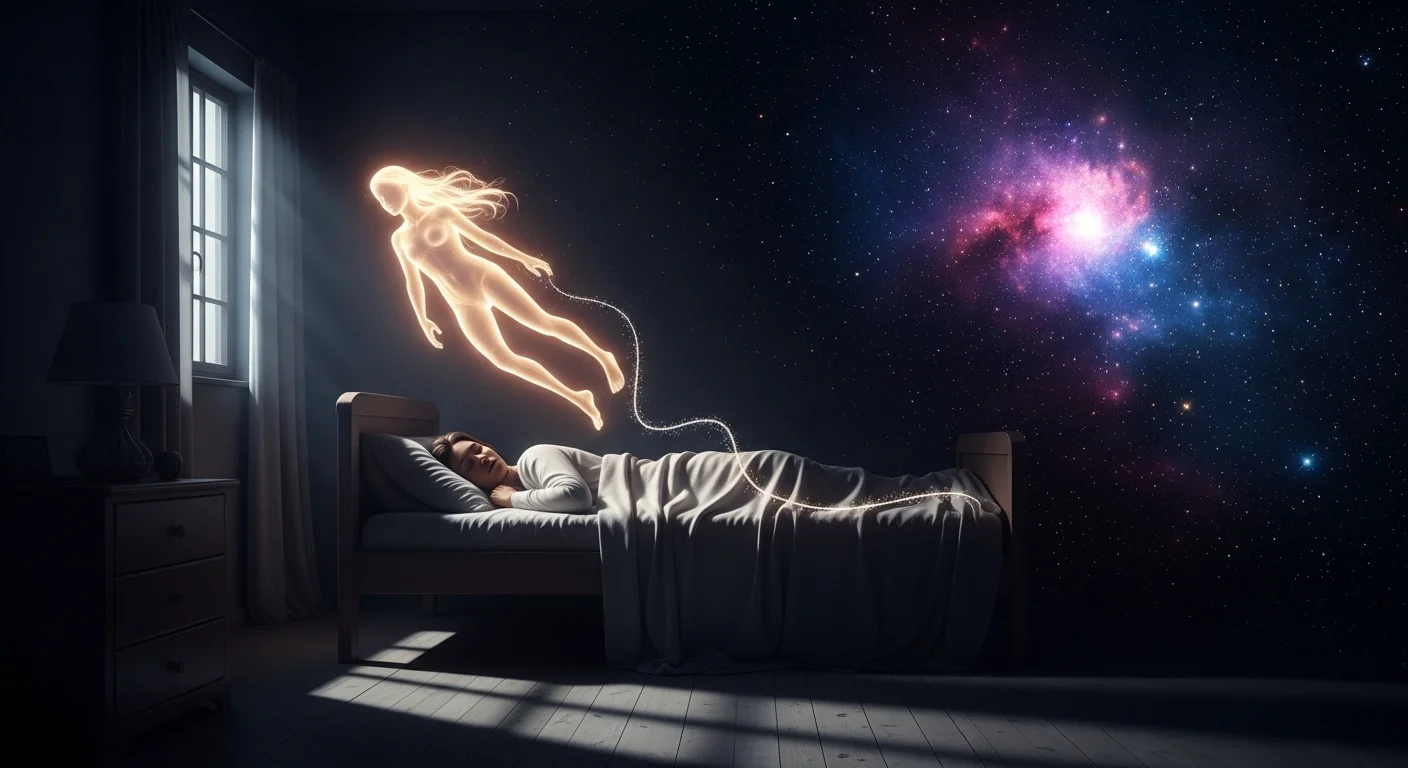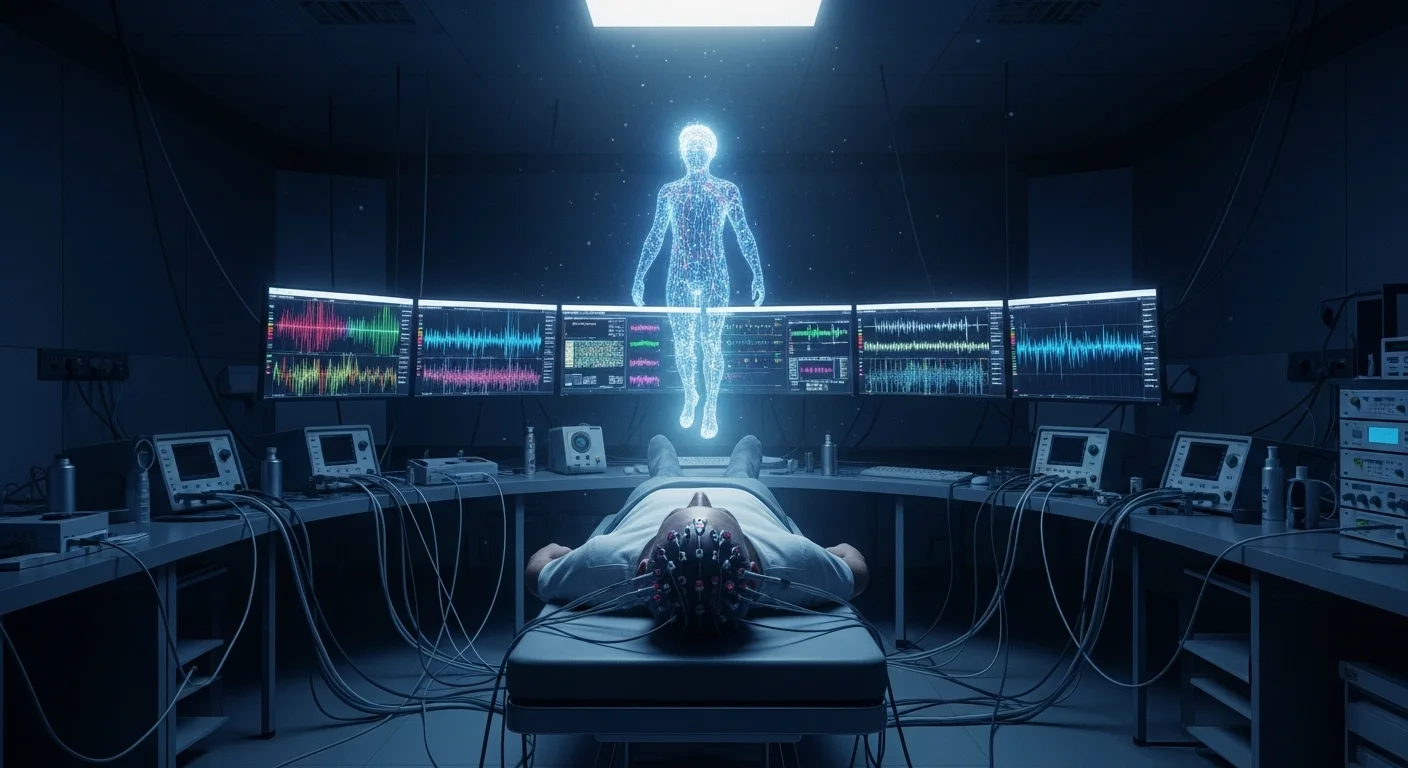
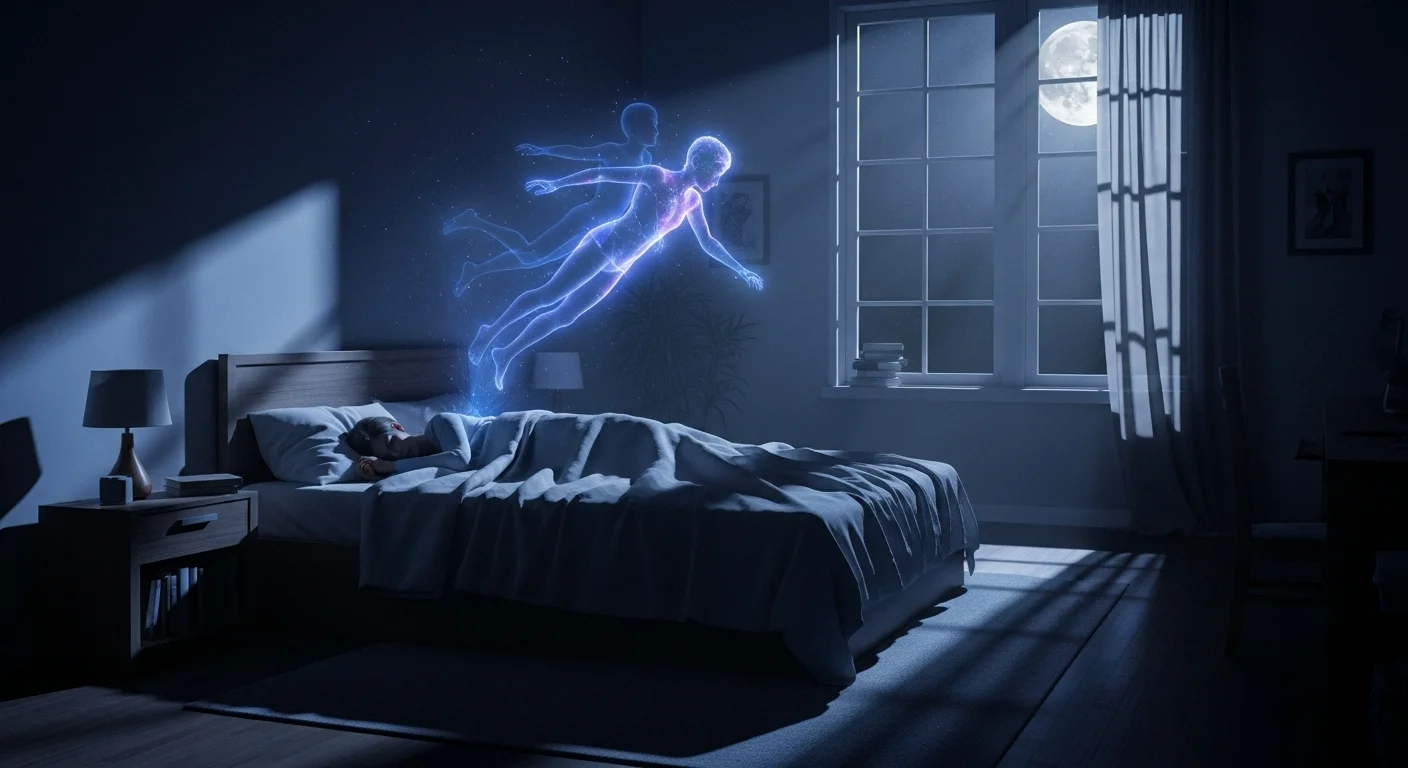
Astral projection is a phenomenon where a person perceives their consciousness leaving the physical body. This experience is often called an out-of-body experience by researchers and practitioners. During this state, the physical body remains asleep or in deep relaxation while the awareness moves independently. People report seeing their own sleeping form or traveling to different locations without physical movement. The concept implies that consciousness can function separately from the biological vessel for a limited period.
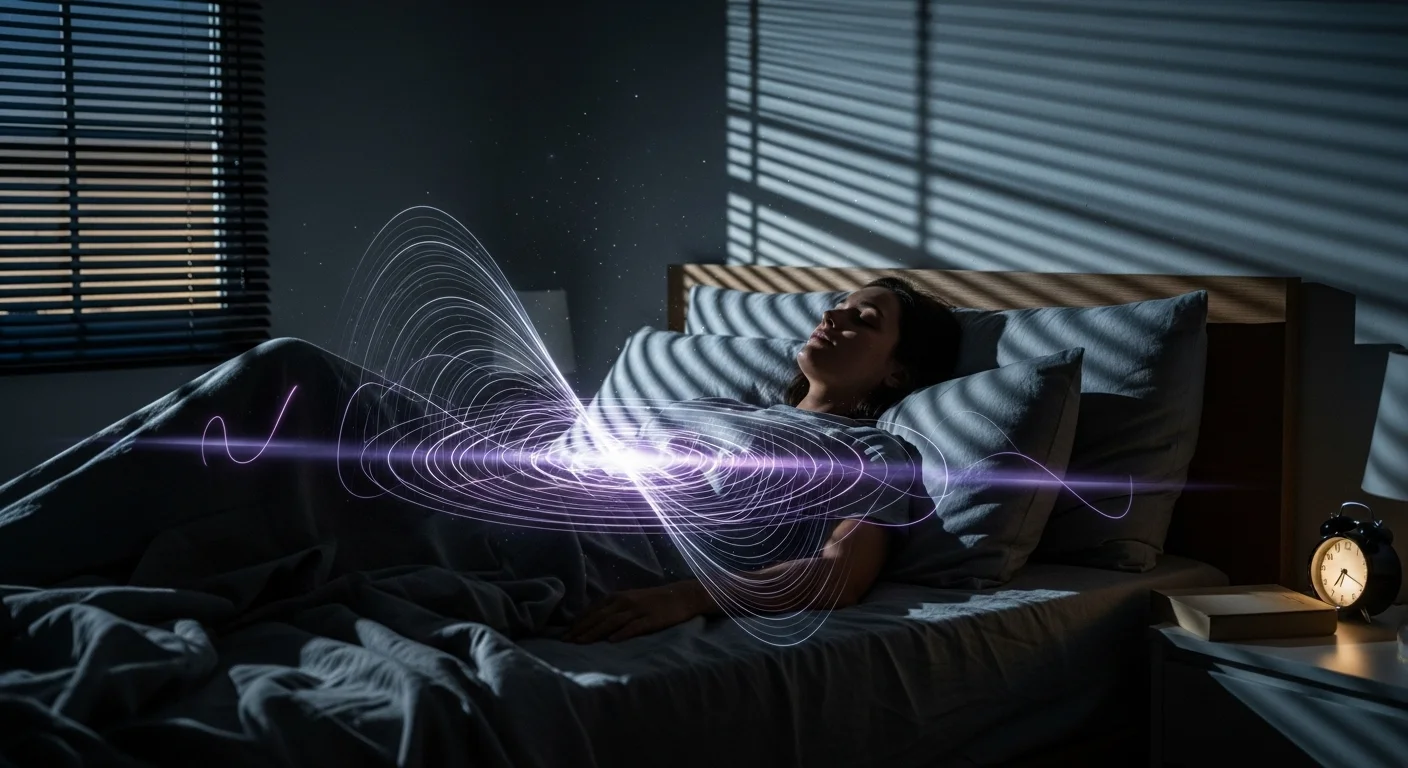
Success in this practice usually requires a specific physical and mental state. Most techniques aim to induce a condition known as the hypnagogic state, which occurs just before falling asleep. In this phase, the body enters a deep level of relaxation, but the mind remains fully alert and awake. This distinct balance allows the practitioner to bypass the normal sleep cycle. You must maintain mental focus while your muscles lose tension to trigger the separation process effectively.
Practitioners distinguish astral projection from lucid dreaming based on the level of awareness and control. In a lucid dream, the environment is a creation of the subconscious mind. In contrast, astral projection involves exploring what feels like a real-time external environment. There are no physical dangers associated with the practice, and the return to the body happens automatically. You will wake up instantly if the physical body detects any threat or experiences a sudden disturbance.
Preparing the Environment and Body
Start by selecting a quiet room where you will not be disturbed. Silence is essential for achieving the necessary state of deep relaxation. You must eliminate external noise sources like mobile phones or televisions. Adjust the lighting to be very dim or completely dark, as bright light prevents the mind from settling. Ensure the room temperature is moderate and constant. If the room is too cold or too hot, your physical body will become a distraction and break your focus.
Wear loose clothing that does not restrict your blood circulation. Tight waistbands or heavy blankets can cause physical discomfort during the process. Lie down on a bed or a comfortable recliner. You should position yourself on your back with your arms resting gently by your sides. This position helps prevent your limbs from going numb. Support your neck with a pillow to keep the spine aligned. You must remove all physical tension from your muscles before attempting any projection technique.
Avoid eating heavy meals immediately before your practice session. Digestion requires energy and keeps the biological functions active, which can hinder the separation process. It is best to wait at least two hours after eating. You should also monitor your level of fatigue. If you are too exhausted, you will likely fall asleep instead of projecting. Attempt this practice when you are rested. Many practitioners find early morning hours effective because the mind is alert while the body remains relaxed.
Deep Relaxation and Breathing Exercises
You must achieve a state of complete physical relaxation before you attempt astral projection. This process begins by finding a comfortable position where your body will not need to move. You should lie down on your back and close your eyes to remove visual distractions. Focus your attention on your muscles and notice any areas of tension. It is necessary to release this tension intentionally because physical discomfort will keep your consciousness tethered to your physical body.
A systematic approach to relaxing the body involves focusing on specific muscle groups one by one. Start at the tips of your toes and slowly move your attention upward through your legs and torso. You should consciously relax each muscle group before you proceed to the next area. Continue this process until you reach the top of your head and your facial muscles. This method ensures that your entire body enters a state of deep rest.
Breathing exercises serve to slow down your heart rate and calm your mental activity. You should breathe deeply through your nose and fill your lungs completely before exhaling slowly through your mouth. Establish a steady rhythm that feels natural and requires little effort to maintain. This consistent pattern signals to your nervous system that it is safe to sleep. Maintaining this rhythm keeps your mind alert while your body drifts into the necessary trance state.
Visualization Techniques for Separation
Visualization involves using mental imagery to simulate movement without moving your physical muscles. This process helps shift your consciousness away from your physical body. A common method is the rope technique. In this exercise, you imagine a rope hanging directly above you. You must visualize your astral hands reaching out to grab the rope. This mental action creates a sensation of pulling yourself upward. The goal is to make the feeling of separation as real as possible in your mind.
Another effective method is the roll-out technique. You lie still and imagine your body rolling over to one side. Do not move your physical muscles during this process. You focus entirely on the sensation of rolling out of your bed and onto the floor. Alternatively, you can visualize a ladder. Imagine climbing up the ladder rung by rung. These exercises rely on tactile visualization. You need to feel the texture and movement rather than just seeing images.
You should practice these techniques after entering a state of deep physical relaxation. Your mind must remain alert while your body falls asleep. Repeat the visualization in a continuous loop until you feel a shift. You might experience vibrations or a floating sensation during the process. If these signs occur, continue the visualization with more intensity. This mental pressure encourages the astral body to detach from the physical body. Regular practice improves your ability to visualize effectively.
Movement-Based Projection Methods
Movement-based projection methods rely on the sensation of physical action without actual muscle activity. The practitioner visualizes specific body movements while the physical body remains completely still. This technique aims to shift focus away from physical inputs and toward an internal state of awareness. You must create a vivid mental impression of motion, such as climbing or rolling, until the sensation feels real. This process helps loosen the connection between your conscious awareness and your physical form.
The Rope Technique is a common example of this approach. You lie on your back and imagine a rope hanging directly above your chest. You visualize reaching out with non-physical hands to grasp the rope. The goal is to pull yourself up hand over hand. You should focus on the feeling of weight and tension in your arms. Do not visualize the rope visually, but rather focus entirely on the tactile sensation of climbing upward.
Another effective technique is the Roll-Out method. This involves the sensation of rolling over in bed without engaging your physical muscles. You imagine your body spinning to one side as if you are turning over to sleep. Repeat this internal rolling motion continuously. Eventually, you may feel a sudden shift or a distinct separation from your physical body. These movement techniques work best when the body is deeply relaxed and the mind is on the edge of sleep.
Returning Safely to the Physical Body
Returning to the physical body is a fundamental part of astral projection practice. Most beginners worry about getting lost, but this is not possible. Your consciousness remains linked to your physical form at all times. To return, you simply need to focus your thoughts on your physical body. Strong emotions or physical needs will also pull you back instantly. This process is usually automatic and requires very little effort. You must remain calm during the transition to wake up gently.
If a mental command does not work immediately, you can use specific physical techniques. Attempt to move a small part of your physical body, such as a finger or a toe. This slight movement sends a signal to your brain to wake up. You can also focus your attention on your physical breathing pattern. Listen to the sound of your breath and feel the expansion of your chest. These sensory details anchor your awareness back into the physical world quickly.
Do not move immediately after your consciousness returns to the physical body. Lie still for a few moments to allow your energy to stabilize. Rapid movement can cause you to forget the details of the experience. Keep a journal nearby to record your observations right away. Writing down the specific events helps solidify the memory in your mind. This practice improves your recall skills for future sessions. Take time to adjust to the physical environment before you stand up.
Your next step
If you already understand what astral projection is and you’re looking for practices that truly work, this e-book presents 35 tested techniques to induce out-of-body experiences. Each technique is explained clearly and directly, allowing you to choose the method that best fits your routine and level of awareness.
This material is ideal for those who want to apply objective and varied methods, speeding up the process of conscious out-of-body projection. It works for both beginners and practitioners who have already had experiences and want to expand their possibilities. This is a practical guide for anyone who wants consistent results.
If you are taking your first steps and want to understand the fundamentals of astral projection with clarity, this manual was created to make your learning easier. In it, you will find clear explanations about the subtle bodies, the stages of projection, the most common sensations, and how to deal with fear and mental blocks.
This e-book is recommended for anyone who needs a solid and safe foundation to start practicing with confidence. It organizes the concepts in a progressive way, helping you understand the process as a whole and develop a consistent and conscious practice.
For those who want more complete and in-depth guidance, the complete astral projection course offers structured lessons, guided practices, visualizations, advanced techniques, and ongoing support. The content was designed to take you from theory to practice with safety and consistency.
This course is suitable for all levels, from beginner to advanced, and provides a systematic approach based on years of research, experience, and proven results. You will learn how to awaken your potential, gain control of your experiences, and integrate spiritual insights into your daily life.