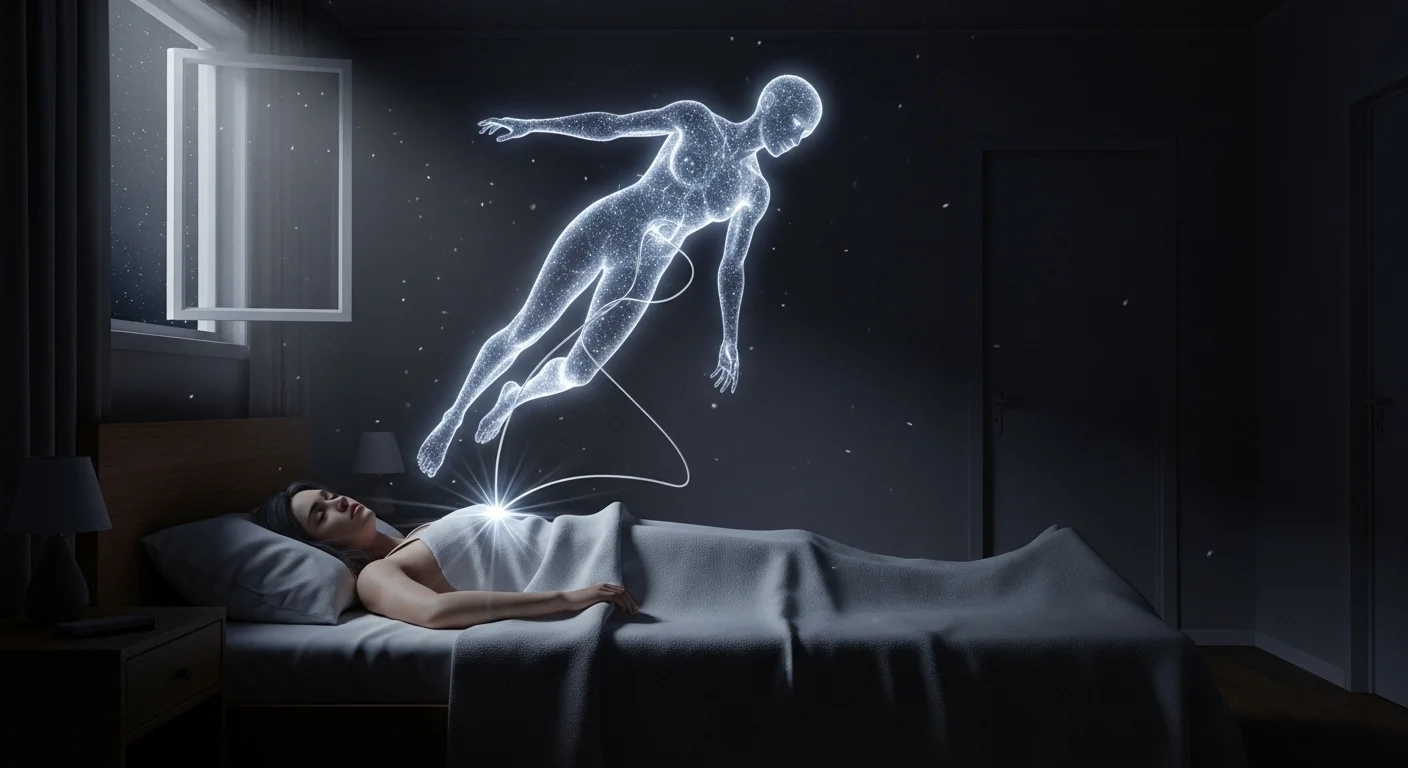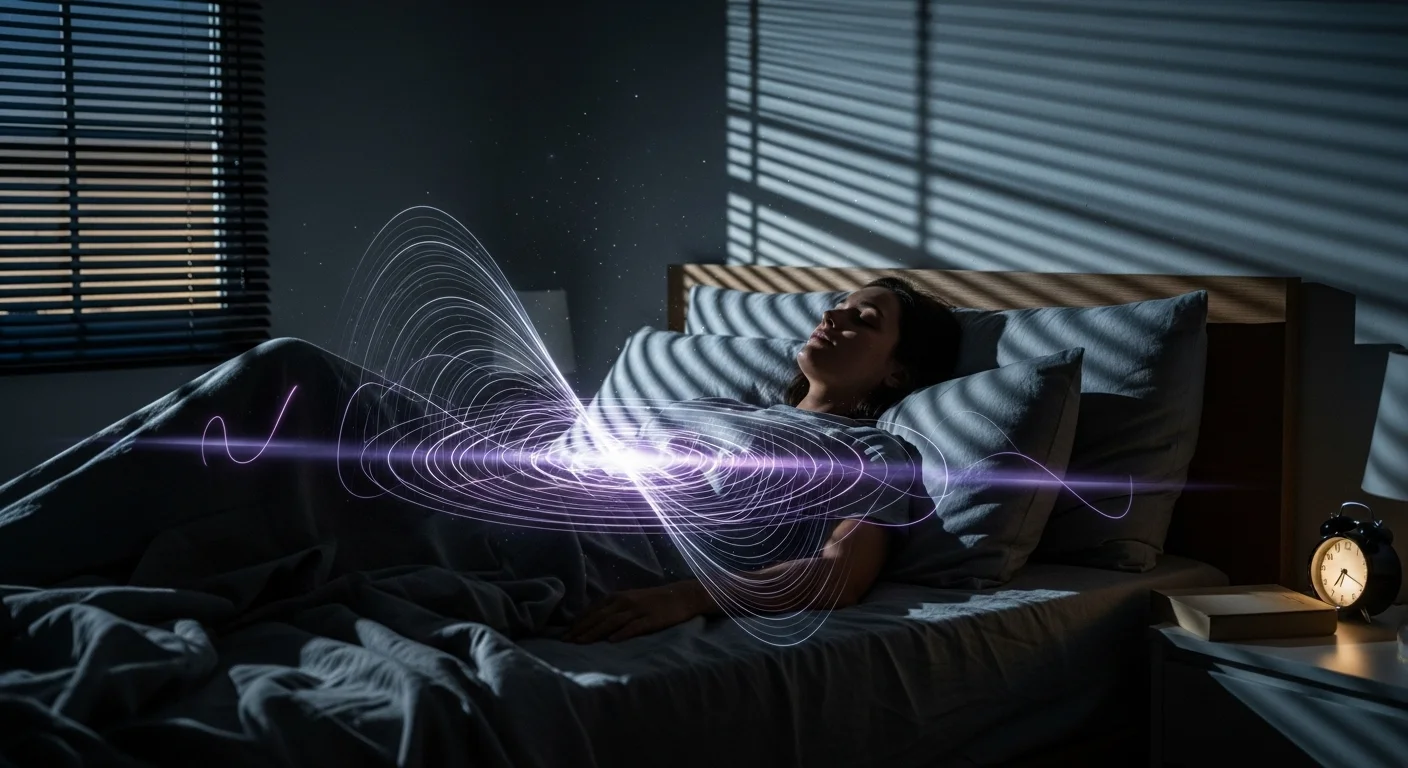

Many practitioners experience intense fear when they attempt to separate from their physical bodies. This reaction is often a biological response to unknown sensations. You might feel vibrations, rapid heartbeats, or loud noises. These symptoms are normal signs of the transition state and do not indicate actual danger. The brain interprets this unfamiliar paralysis as a threat and releases adrenaline. Understanding that these physical effects are safe is the first step to controlling the panic response during the process.
You can manage this anxiety by using specific mental techniques. When fear arises, shift your focus immediately to your breathing pattern. Slow and deep breaths send signals of safety to your nervous system. You must remain a passive observer of the sensations rather than reacting to them emotionally. If you analyze the vibrations or sounds objectively, the fear often diminishes. Remind yourself that you are in control and can end the experience instantly by moving a finger.
Consistent preparation before your sessions will also reduce fear over time. Create a routine that includes positive affirmations about safety and protection. Tell yourself that you are safe and that the separation is a natural phenomenon. Gradual exposure to the vibrational state helps desensitize your mind to the intense feelings. As you gain more experience with these initial symptoms, your confidence will grow. This familiarity replaces the instinctive fear response with a sense of calm and curiosity.
Managing Physical Discomfort and the Urge to Move
Physical discomfort often occurs when the body enters a deep state of relaxation. Your brain sends specific signals to check if your mind is still awake. These signals manifest as sudden itches, muscle twitches, or a strong desire to change your position. This is a natural safety mechanism known as the rollover signal. If you react to these sensations by moving, you break the state of physical relaxation required for projection and must start the process over again.
The most effective solution involves passive observation rather than physical action. You should acknowledge the sensation without reacting to it or moving your muscles. If you ignore the urge for a short period, the feeling usually fades away on its own. Focus your attention on a specific visualization or your breathing pattern to divert your mind from the physical irritation. This mental discipline signals to your body that it is safe to shut down motor functions and enter sleep paralysis.
You can also minimize potential discomfort through proper physical preparation before you begin the practice. Tight clothing or heavy blankets often cause unnecessary irritation during the session. Choose a posture that supports your neck and back completely, as strain leads to muscle tension. While lying on the back is common, you may lie on your side if that prevents the urge to swallow or cough. Ensuring the room temperature is moderate will further reduce physical distractions that trigger movement.
Maintaining Consciousness to Avoid Falling Asleep
Practitioners often struggle to keep their minds awake while their bodies relax. The goal of astral projection requires a specific state where the body sleeps but the awareness remains active. Most people naturally lose consciousness as soon as physical relaxation deepens. This happens because the brain associates lying down and closing eyes with the sleep cycle. If you lose focus for a moment, you will drift into normal sleep instead of entering the necessary trance state for projection.
You can prevent this loss of awareness by using a mental anchor to occupy your mind. A common technique involves counting down from one hundred to one while visualizing the numbers. Another effective method focuses on observing hypnagogic imagery without engaging with it. You must maintain a delicate balance of attention. If you concentrate too hard, you will wake your body up. If you concentrate too little, you will fall asleep. This middle ground is essential.
Adjusting the timing of your practice also helps maintain lucidity. Attempting projection immediately after going to bed at night makes success difficult because the urge to sleep is too strong. The Wake Back to Bed method is much more effective for beginners. This involves sleeping for six hours, waking up briefly, and then returning to bed to practice. You can also try practicing while sitting in a comfortable chair rather than lying in your bed.
Stopping Mental Noise and Lack of Focus
Mental noise is one of the most common obstacles for beginners attempting astral projection. This issue occurs when the mind generates a constant stream of random thoughts, worries, or internal dialogue. This activity prevents the brain from entering the deep state of relaxation required for separation. If your mind remains active and alert, your physical body cannot fall asleep while your consciousness stays awake. You must learn to silence this internal chatter to progress effectively.
A lack of focus often accompanies mental noise and disrupts the projection technique. When you lose concentration, your awareness drifts away from your chosen method or visualization. This wandering attention usually leads to regular sleep instead of a conscious out-of-body experience. Sustained focus acts as an anchor for your consciousness during the transition phase. You need to maintain a singular point of attention to keep your mind awake while your body shuts down completely.
You can overcome these difficulties through specific mental exercises and consistent practice. Meditation is the most effective tool for training the mind to remain quiet and focused. Start by observing your breath or counting backwards to center your attention. If a thought arises, dismiss it immediately and return to your anchor. Daily practice strengthens your ability to concentrate for longer periods. This discipline eventually allows you to reach the necessary trance state without interruption.
Handling Blockages at the Vibration Stage
The vibration stage occurs when the astral body begins to loosen from the physical body. You will feel distinct buzzing or shaking sensations throughout your limbs. This is a natural part of the transition into the astral plane. A common blockage happens when a practitioner reacts with fear or excitement. These emotional responses increase your heart rate and alert the physical brain. This reaction breaks the state of deep relaxation and causes the vibrations to fade away.
The most effective solution is to adopt an attitude of passive observation. Do not attempt to force the vibrations to change or stop. Simply notice the sensations without analyzing them or reacting emotionally. If you focus too much on the physical feeling, your attention returns to the physical body. Maintain a steady breathing rhythm to keep your heart rate low. You must allow the vibrations to continue on their own until they stabilize or naturally intensify.
You can attempt a separation technique once the vibrations become constant and your mind remains calm. Do not move your physical muscles during this process. Use your mental intention to move your non-physical form away from the bed. Common methods involve visualizing a rope or rolling to the side. If you try to move too early, the paralysis will break. If you wait too long, the vibrations will cease. Timing requires practice and patience to master.
Improving Memory Recall and Practice Consistency
Recall is a critical skill for astral projection because many successful experiences are forgotten immediately upon waking. You should keep a physical journal next to your bed to record details as soon as you wake up. Do not move your physical body before you review your memories of the night. Write down every fragment, feeling, or image you remember, even if it seems insignificant. This daily habit signals your brain to prioritize and store these specific memories more effectively.
Consistency in your practice routine is equally important for achieving results. You must establish a specific time each day to perform your projection techniques. Irregular practice prevents the mind from learning the necessary cues for separating from the physical body. This training requires daily repetition to build the necessary mental focus and relaxation skills. Set a recurring alarm to ensure you dedicate at least twenty minutes to your exercises every day. Missing sessions will delay your progress significantly.
Combining memory exercises with a strict schedule creates a reliable system for improvement. When you record your attempts daily, you can analyze your progress and identify patterns in your sleep cycle. This data helps you adjust your techniques to fit your specific needs. You will eventually notice that better recall leads to more lucid experiences. Discipline in writing and practicing ensures that you retain the progress you make during the night. Adhering to the plan guarantees long-term success.
Your next step
If you already understand what astral projection is and you’re looking for practices that truly work, this e-book presents 35 tested techniques to induce out-of-body experiences. Each technique is explained clearly and directly, allowing you to choose the method that best fits your routine and level of awareness.
This material is ideal for those who want to apply objective and varied methods, speeding up the process of conscious out-of-body projection. It works for both beginners and practitioners who have already had experiences and want to expand their possibilities. This is a practical guide for anyone who wants consistent results.
If you are taking your first steps and want to understand the fundamentals of astral projection with clarity, this manual was created to make your learning easier. In it, you will find clear explanations about the subtle bodies, the stages of projection, the most common sensations, and how to deal with fear and mental blocks.
This e-book is recommended for anyone who needs a solid and safe foundation to start practicing with confidence. It organizes the concepts in a progressive way, helping you understand the process as a whole and develop a consistent and conscious practice.
For those who want more complete and in-depth guidance, the complete astral projection course offers structured lessons, guided practices, visualizations, advanced techniques, and ongoing support. The content was designed to take you from theory to practice with safety and consistency.
This course is suitable for all levels, from beginner to advanced, and provides a systematic approach based on years of research, experience, and proven results. You will learn how to awaken your potential, gain control of your experiences, and integrate spiritual insights into your daily life.