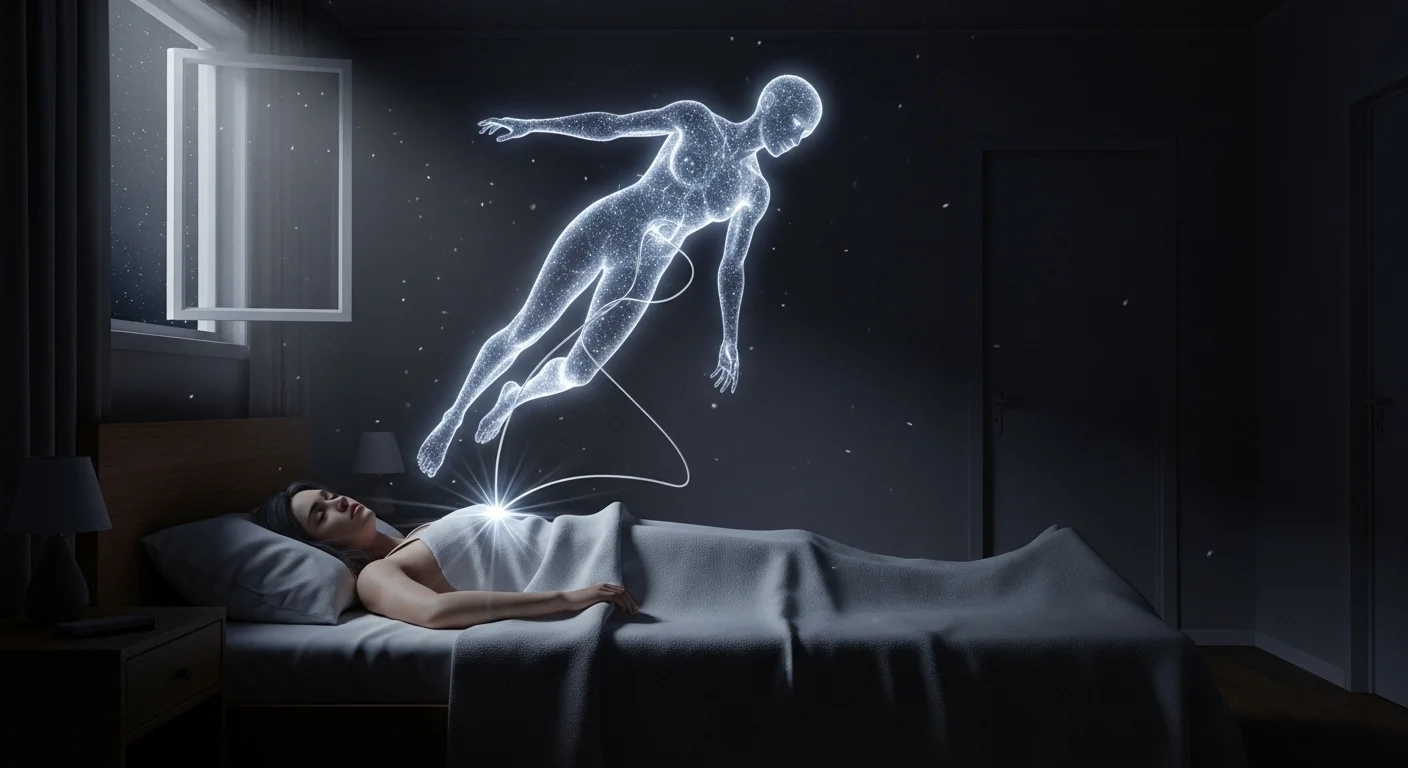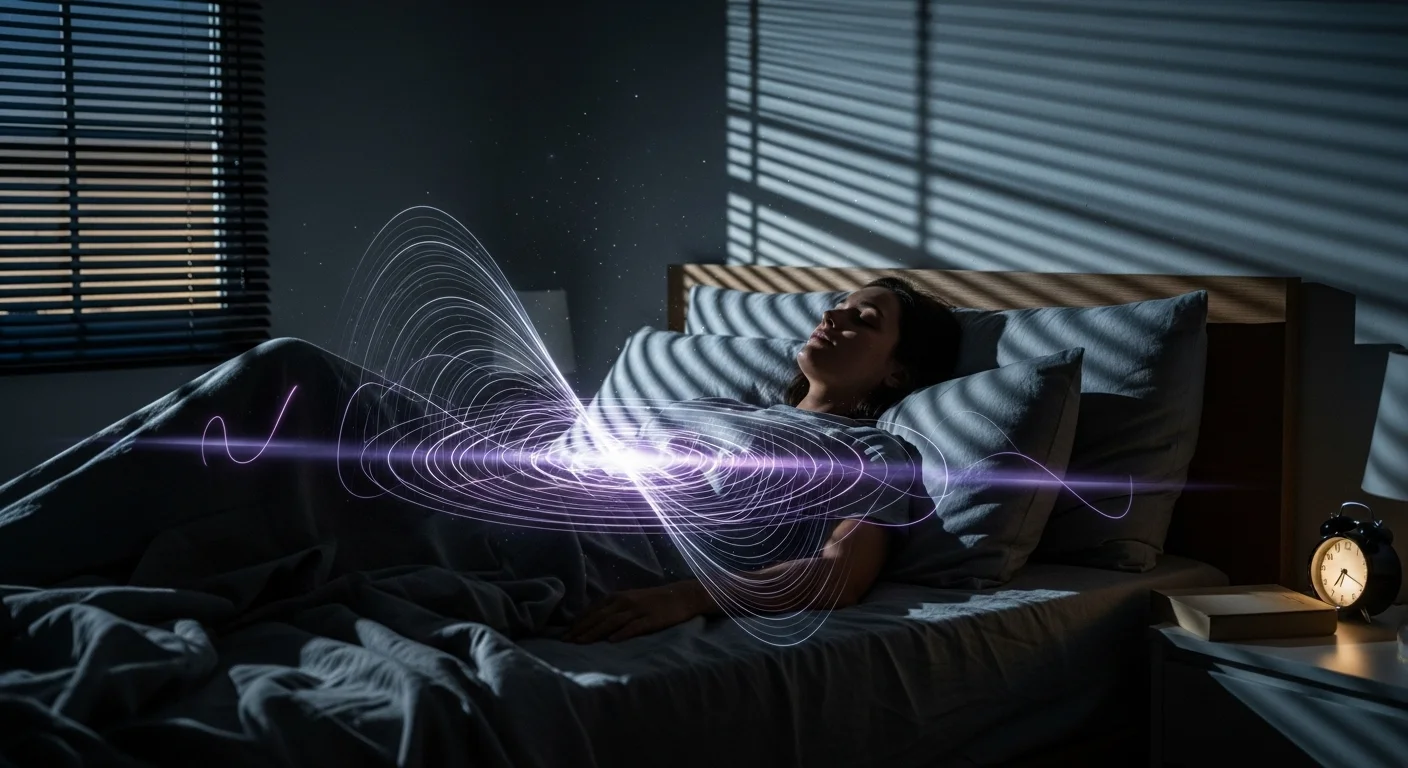

Many practitioners report feeling strong buzzing or shaking sensations in their bodies before an astral projection occurs. This phenomenon usually happens during the hypnagogic state, which is the transition phase between being awake and falling asleep. The vibrations can vary in intensity from a mild tingling to a powerful tremor that resembles a strong current moving through the body. This experience is a common physical symptom of the relaxation process and indicates that the consciousness is shifting focus.
Theories suggest that these vibrations signal the loosening of the astral body from the physical body. As the physical body falls asleep, the mind remains awake and perceives the shift in energy frequency. This state often coincides with sleep paralysis, where the physical muscles cannot move. The sensation is purely internal and does not cause actual movement in the physical world. It serves as a clear sign that the practitioner is ready to exit the physical form.
You should remain calm and passive when these sensations begin. Fear or sudden excitement can disrupt the delicate state and fully wake the physical body. Instead of resisting the feeling, you must relax and allow the vibrations to spread throughout your entire system. Once the vibrations become stable and rhythmic, you can attempt a specific separation technique. Common methods include visualizing yourself rolling out of bed or lifting your awareness away from the physical body.
Temporary Sleep Paralysis
Sleep paralysis is a natural biological mechanism that occurs when the body falls asleep. During the Rapid Eye Movement stage of sleep, the brain signals the muscles to relax completely. This state is known as muscle atonia. It prevents the physical body from acting out dreams, which ensures safety during rest. When attempting astral projection, your mind remains awake while your body enters this paralyzed state. This phenomenon indicates that your body is deeply relaxed and ready.
You might feel a sensation of heaviness or an inability to move your limbs during this phase. This experience often causes fear because the conscious mind is not used to being awake while the body is asleep. It is important to remain calm and understand that you are in no physical danger. The sensation of paralysis is temporary and usually lasts for only a few moments. Panic will often wake the body up and end the projection attempt.
Practitioners view sleep paralysis as a helpful tool rather than a negative experience. It marks the transition point between physical wakefulness and the non-physical state. Once you reach this stage, you can apply separation techniques to leave the physical body. You might focus on lifting out of your body or rolling over without using physical muscles. Recognizing sleep paralysis as a sign of progress allows you to move forward with the projection process instead of waking up.
Hearing Loud Noises or Buzzing
Many practitioners report hearing loud sounds just before separating from the physical body. These auditory sensations often include high-pitched ringing, buzzing, roaring, or sudden popping noises. The volume of these sounds can vary significantly, sometimes becoming extremely loud or overwhelming. These noises are distinct from physical sounds in the environment and originate internally. This phenomenon typically occurs during the hypnagogic state, which is the transitional phase between wakefulness and sleep where the body relaxes completely.
Researchers suggest these sounds result from the brain interpreting random neural signals during sensory deprivation. As the physical senses shut down, the brain amplifies internal activity, creating auditory hallucinations. In the context of astral projection theory, these sounds are interpreted as symptoms of the energy body vibrating. This vibration state is a common precursor to separation. The intensity of the noise often correlates with the frequency of these vibrations as consciousness shifts away from physical reality.
You must remain calm when these noises occur to continue the process successfully. Fear or excitement will increase your heart rate and wake the physical body, ending the session immediately. Instead of reacting to the volume, observe the sounds passively without analyzing them. Acknowledging these noises as a positive sign of progress helps maintain the necessary state of deep relaxation. You can allow the buzzing to stabilize, using it as a focal point to exit the body.
Visual Phenomena and Hallucinations
Practitioners often report specific visual changes during the early stages of astral projection. These experiences usually occur during the hypnagogic state, which is the transition phase between wakefulness and sleep. Common observations include seeing flashing lights, geometric shapes, or random colors behind closed eyelids. The brain generates these images as sensory input from the physical body decreases. This phenomenon is a natural part of the relaxation process and signals that the mind remains awake while the body falls asleep.
As the state deepens, the visual impressions may become more complex and realistic. Some individuals see faces, landscapes, or objects that do not exist in the physical room. These images are hallucinations created by the subconscious mind rather than external reality. They can appear static or move independently within the visual field. It is important to distinguish these mental projections from actual perception of the astral environment. Maintaining a neutral mental state helps to stabilize these fluctuating visuals.
Upon full separation from the physical body, visual perception often changes significantly. Many practitioners describe a sense of spherical or 360-degree vision. This allows the individual to see in all directions simultaneously without turning their head. The environment might appear brighter or more vibrant than the physical world. However, vision can also be blurry or dark initially. Verbal commands or a strong intent to see clearly can improve visual sharpness and eliminate remaining distortions in the environment.
Feeling of Floating or Weightlessness
The sensation of floating is a primary indicator of astral projection. This experience usually occurs after the physical body reaches a state of deep relaxation. You may perceive a sudden lack of gravity affecting your awareness. This feeling suggests that the astral body is beginning to separate from the physical form. Practitioners often report this phenomenon as the first distinct signal of a successful projection attempt. It marks the transition from normal waking consciousness to the projected state.
This weightlessness results from a specific shift in sensory processing. During normal activity, the brain constantly monitors the weight and position of the physical limbs. When you enter the trance state required for projection, these physical signals decrease significantly. Your consciousness no longer detects the pull of gravity on muscles and bones. Consequently, you experience a sense of rising upwards or hovering. This happens because the non-physical form does not possess mass or respond to standard physics.
You must remain calm when you first notice this floating sensation. Strong excitement or fear can interrupt the process and return you to the physical body instantly. Instead of reacting emotionally, you should focus on increasing the distance from your physical location. You can direct this floating movement using only your intention. Simple mental commands usually work best to navigate during this phase. Maintaining a passive state of mind helps stabilize the projection and prolongs the experience.
Viewing the Physical Body from Outside
One of the most distinct signs of astral projection is the visual perception of your own physical body. This typically occurs immediately after the consciousness separates from the physical vehicle. You might find yourself floating near the ceiling or standing beside the bed while looking down at your sleeping form. This perspective confirms that your awareness has shifted away from your biological location. The experience is usually clear and free from the visual distortion found in dreams.
During this observation, the physical body appears completely passive and motionless. You will notice that the body continues its normal biological functions, such as breathing and resting, without your direct control. Many practitioners report a sense of emotional detachment when they view their physical form. This lack of connection helps to maintain stability during the projection. It allows the observer to understand that they are distinct from the physical body they inhabit during daily life.
This visual confirmation serves as a reliable reality check for the projector. It distinguishes an astral projection from a lucid dream because the environment matches the physical room exactly. Once you acknowledge the location of your physical body, you should move away from it. Staying too close to the physical body can cause a force that pulls you back inside. Moving to a different room or location stabilizes the experience and increases the duration of the projection.
Your next step
If you already understand what astral projection is and you’re looking for practices that truly work, this e-book presents 35 tested techniques to induce out-of-body experiences. Each technique is explained clearly and directly, allowing you to choose the method that best fits your routine and level of awareness.
This material is ideal for those who want to apply objective and varied methods, speeding up the process of conscious out-of-body projection. It works for both beginners and practitioners who have already had experiences and want to expand their possibilities. This is a practical guide for anyone who wants consistent results.
If you are taking your first steps and want to understand the fundamentals of astral projection with clarity, this manual was created to make your learning easier. In it, you will find clear explanations about the subtle bodies, the stages of projection, the most common sensations, and how to deal with fear and mental blocks.
This e-book is recommended for anyone who needs a solid and safe foundation to start practicing with confidence. It organizes the concepts in a progressive way, helping you understand the process as a whole and develop a consistent and conscious practice.
For those who want more complete and in-depth guidance, the complete astral projection course offers structured lessons, guided practices, visualizations, advanced techniques, and ongoing support. The content was designed to take you from theory to practice with safety and consistency.
This course is suitable for all levels, from beginner to advanced, and provides a systematic approach based on years of research, experience, and proven results. You will learn how to awaken your potential, gain control of your experiences, and integrate spiritual insights into your daily life.