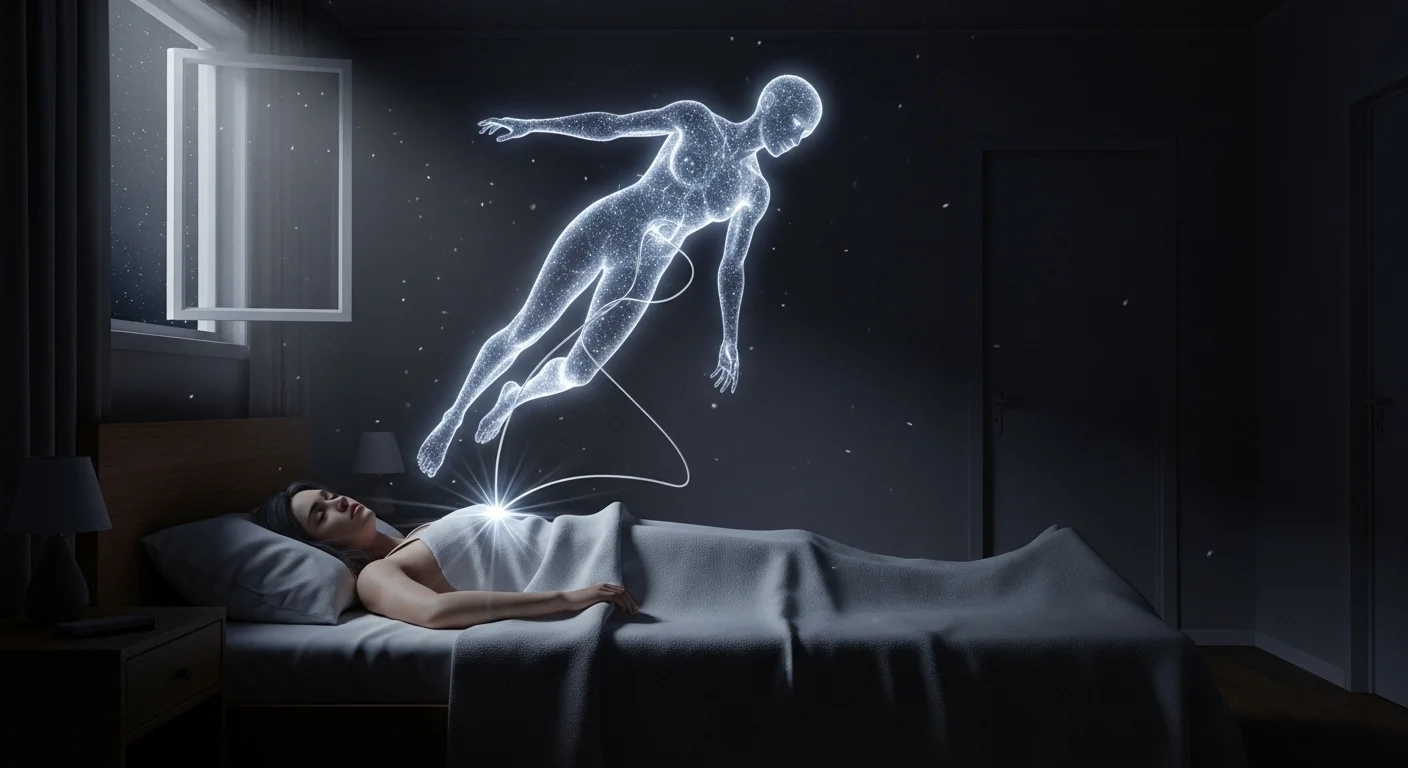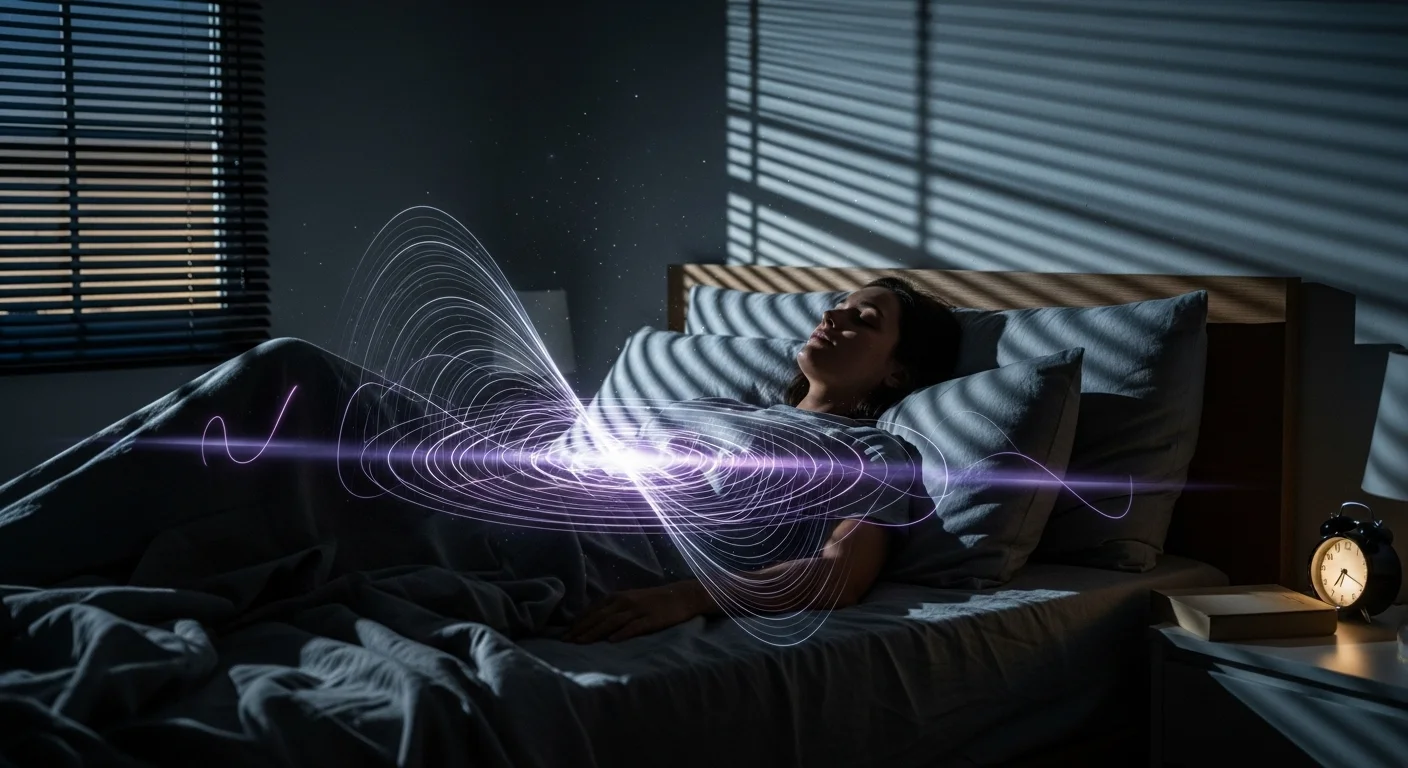

Body shifting sensations are subjective experiences where a person feels movement in their limbs or torso while remaining completely still. These feelings often occur during deep relaxation states or the transition into sleep. An individual might perceive that an arm is rotating or that their whole body is floating upwards or sideways. This phenomenon happens without any actual muscle contraction or external physical force. It is essentially a sensory hallucination related to how the brain maps the body’s position.
This experience is directly related to the vestibular system and proprioception. Proprioception is the body’s ability to sense its location and orientation in space. When the body relaxes deeply, sensory signals from the muscles decrease significantly. The brain normally relies on these signals to determine position. Without constant feedback, the brain may misinterpret remaining neural activity as physical movement. This results in the convincing illusion of spinning, rocking, or sliding, even though the physical body remains in a fixed position.
These sensations are most common during hypnagogic states, which is the specific period immediately before falling asleep. They also appear frequently during meditation or deep visualization exercises. The shifting feeling is usually temporary and ends immediately as soon as the person moves a muscle or opens their eyes. Medical professionals generally classify these events as benign and harmless. They do not typically indicate a neurological disorder. The experience is a natural byproduct of the temporary disconnection between the mind and physical sensation.

The Hypnagogic State and Muscle Relaxation
The hypnagogic state occurs during the brief transition from wakefulness to sleep. This phase involves significant changes in brain activity and sensory perception. As the brain begins to block external inputs, the body enters a mode of deep physical rest. This shift often triggers various sensory hallucinations or physical sensations. You might feel like you are falling or changing position even though you remain still. This disconnect leads to the distinct sensation of movement.
During this state, the skeletal muscles lose tension and become completely loose. This process helps prevent physical movement during dreams. As muscle tone decreases, the proprioceptive system sends fewer signals to the brain. Proprioception is the sense that tells the brain where the limbs are located in space. When these signals fade or become inconsistent, the brain attempts to interpret the limited data. This interpretation causes the specific feeling that the body is moving.
The combination of mental alertness and physical inactivity creates a sensory mismatch. The mind remains conscious while the muscles report a lack of tension. The brain attempts to organize these conflicting signals into a recognizable pattern. This effort frequently manifests as a sensation of sliding, spinning, or changing physical orientation. These perceptions are standard physiological reactions to the relaxation process. They indicate that the body is successfully entering a stage of deep rest before sleep.
Vestibular System Activity During Rest
The vestibular system is a sensory mechanism located within the inner ear. Its primary function is to provide the brain with information regarding motion, head position, and spatial orientation. This system remains fully active even when the body is completely stationary. It constantly detects the force of gravity acting upon the body. This continuous input helps the brain distinguish up from down. When you lie down to rest, these specific nerves continue to transmit data to the brainstem.
During deep relaxation or the transition into sleep, external sensory input decreases significantly. The brain receives less information from vision and touch receptors in the skin. However, the vestibular organs continue to send signals regarding the body’s position in space. Without visual confirmation to verify stillness, the brain may misinterpret these persistent internal signals. This process can generate false perceptions of movement. You might detect sensations of floating, spinning, or tilting despite the body remaining physically motionless.
This specific phenomenon represents a temporary discrepancy in sensory integration within the brain. As muscle tension releases, the standard feedback loops between the muscles and the inner ear undergo changes. The brain attempts to recalibrate its sense of position based on this limited data. This adjustment period often results in the sensation of body shifting or sliding. These sensory illusions are normal physiological responses to the body entering a state of rest. They indicate the nervous system is functional.
Proprioception and Loss of Body Awareness
Proprioception is the biological ability to sense movement, action, and location. It relies on sensory receptors located within the muscles, joints, and skin. These receptors continuously send signals to the brain to confirm the position of the limbs. This internal feedback system allows a person to track their body parts without looking at them. Under normal conditions, the brain uses this constant stream of data to maintain a precise mental map of the physical form.
During deep relaxation, the body remains completely stationary for an extended period. This lack of physical movement causes the proprioceptive receptors to decrease their activity. The nervous system prioritizes changes in stimuli, so it stops registering the static position of the limbs. Consequently, the brain receives significantly less information regarding the location of the body. As the sensory input fades, the usual awareness of physical boundaries diminishes. This process leads to a temporary sensory disconnection.
When the brain stops receiving clear signals from the muscles, it attempts to interpret the remaining noise. This lack of data often results in spatial distortions or sensory illusions. A person may feel as though their body is shifting, tilting, or floating, even while lying perfectly still. These sensations occur because the brain fills in the gaps in information with incorrect spatial data. This phenomenon is a normal physiological reaction to deep physical stillness.
Anxiety and Hyperfocus on Physical Feelings
Anxiety causes the nervous system to become highly alert to potential threats. This state increases sensitivity to internal bodily sensations. The brain normally filters out minor signals from muscles to prevent sensory overload. However, during stress, the brain stops filtering these background signals efficiently. It interprets normal physiological changes as significant events. This heightened state of awareness is known as hypervigilance. It makes small internal movements feel much larger and more intense than they actually are.
When an anxious person attempts to relax, they often direct their attention inward. They consciously monitor their body for signs of tension. This intense concentration is called somatosensory amplification. By focusing strictly on physical feelings, the person amplifies neural feedback from the body. A minor twitch or a pulse beat becomes the center of attention. This focus creates a feedback loop. The person feels a sensation, worries about its origin, and the sensation seems to increase in intensity.
This process explains why sensations of body shifting occur without external movement. As muscles relax, they release tension and change length. A hyperfocused brain detects these microscopic adjustments immediately. Since the vestibular system is also monitored closely, the brain misinterprets these signals as a loss of balance. The individual feels as though their limbs are moving or their body is floating. This experience is a sensory illusion caused by the combination of physical relaxation and mental anxiety.
Safety and Management of These Sensations
The sensation of body shifting is generally safe and normal. These feelings often occur when the body transitions into deep relaxation. The nervous system reduces sensory input from the external environment during this process. This lack of data causes temporary confusion regarding body position. Most people do not require medical attention. However, you should consult a doctor if these sensations accompany pain, severe vertigo, or intense nausea to rule out other conditions.
You can manage these sensations immediately by changing your physical state. Opening your eyes provides the brain with visual confirmation of your position. This visual input overrides the internal feeling of movement. Small physical movements also help interrupt the sensation. Wiggling a finger or a toe reconnects the brain with physical reality. You may also focus your attention on the solid feeling of the surface beneath you. This practice stops the illusion of shifting.
Reducing anxiety is essential for managing these experiences. Fear or panic often intensifies the physical symptoms during relaxation. The most effective approach is to remain calm and observe the sensation without reaction. Remind yourself that the feeling is a temporary physiological response. If you accept the sensation, it usually diminishes quickly. Consistent relaxation practices also help the nervous system adjust. This familiarity makes the transition into rest smoother and less disorienting.
our next step
If you already understand what astral projection is and you’re looking for practices that truly work, this e-book presents 35 tested techniques to induce out-of-body experiences. Each technique is explained clearly and directly, allowing you to choose the method that best fits your routine and level of awareness.
This material is ideal for those who want to apply objective and varied methods, speeding up the process of conscious out-of-body projection. It works for both beginners and practitioners who have already had experiences and want to expand their possibilities. This is a practical guide for anyone who wants consistent results.
If you are taking your first steps and want to understand the fundamentals of astral projection with clarity, this manual was created to make your learning easier. In it, you will find clear explanations about the subtle bodies, the stages of projection, the most common sensations, and how to deal with fear and mental blocks.
This e-book is recommended for anyone who needs a solid and safe foundation to start practicing with confidence. It organizes the concepts in a progressive way, helping you understand the process as a whole and develop a consistent and conscious practice.

For those who want more complete and in-depth guidance, the complete astral projection course offers structured lessons, guided practices, visualizations, advanced techniques, and ongoing support. The content was designed to take you from theory to practice with safety and consistency.
This course is suitable for all levels, from beginner to advanced, and provides a systematic approach based on years of research, experience, and proven results. You will learn how to awaken your potential, gain control of your experiences, and integrate spiritual insights into your daily life.