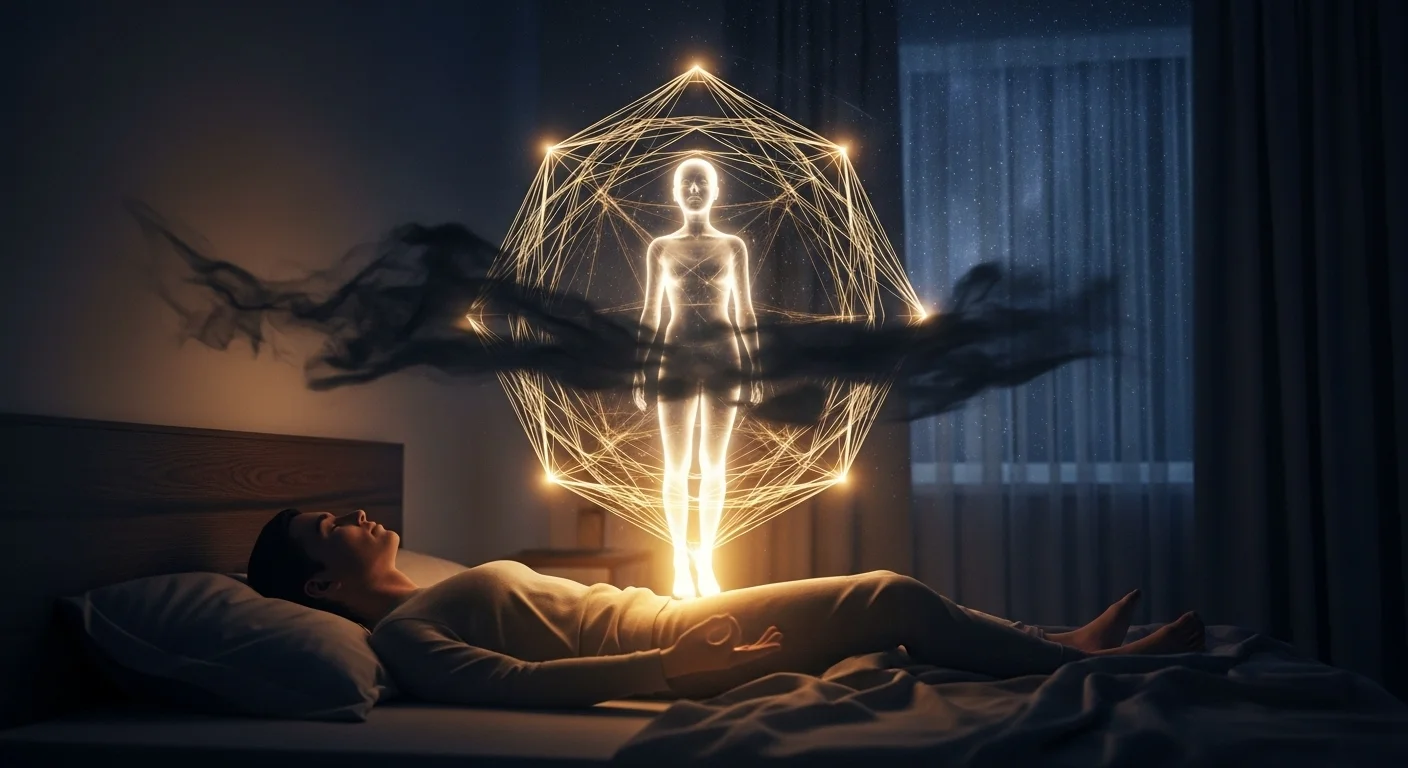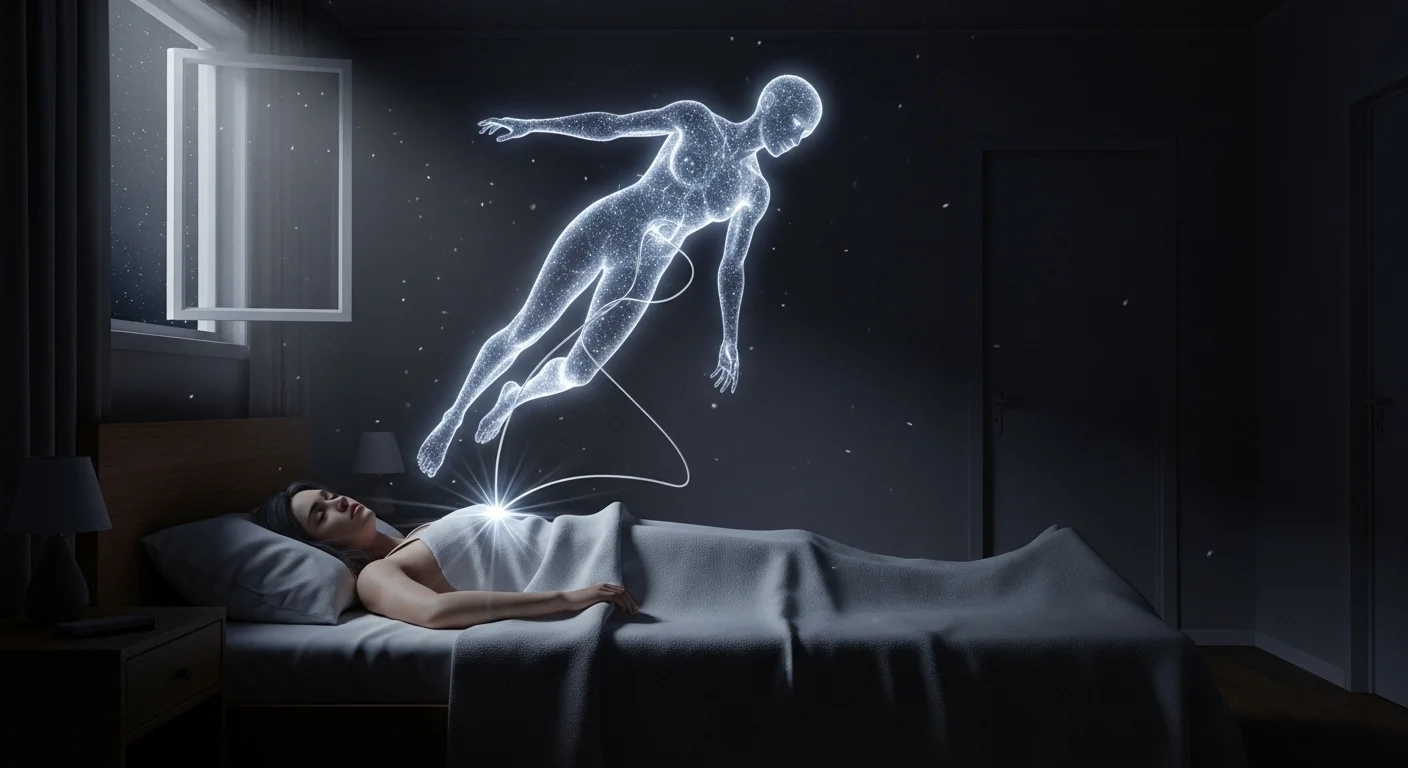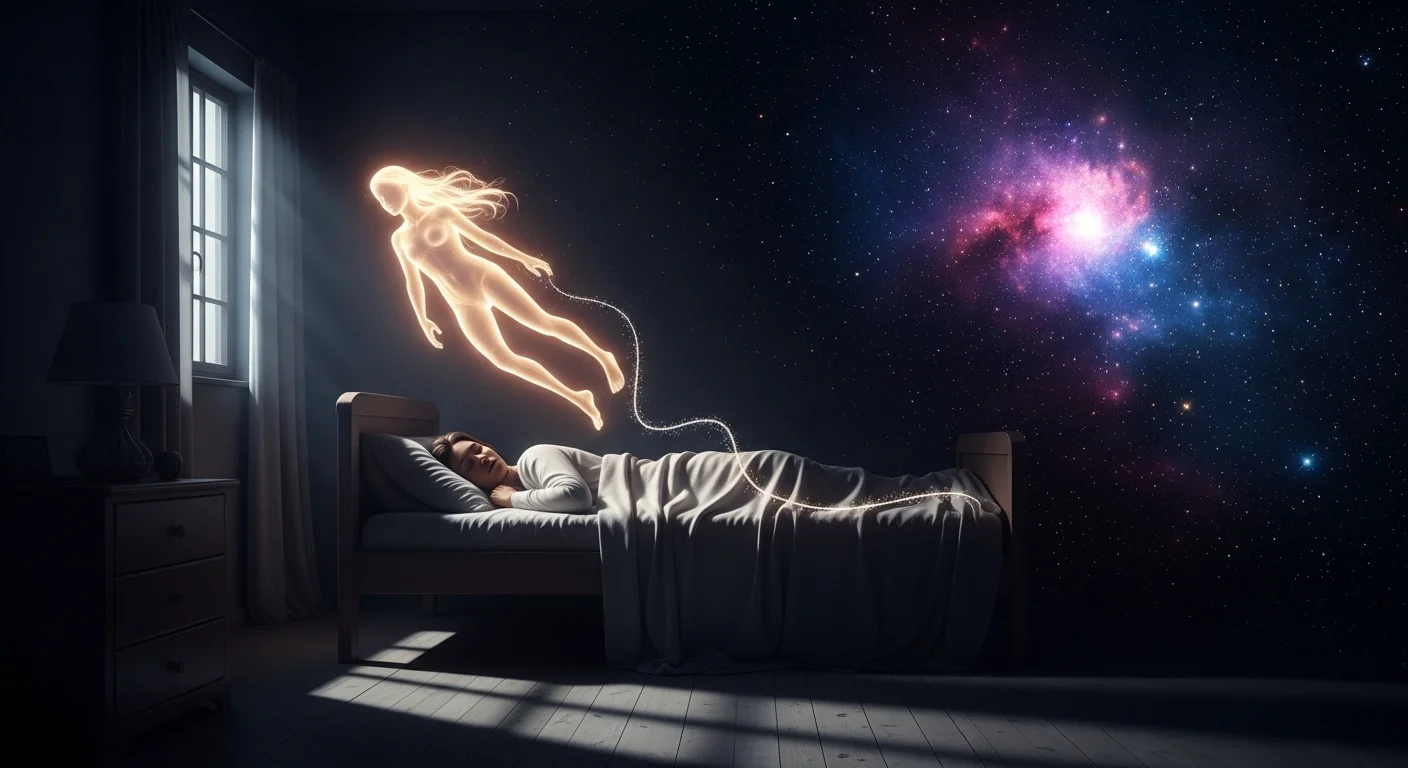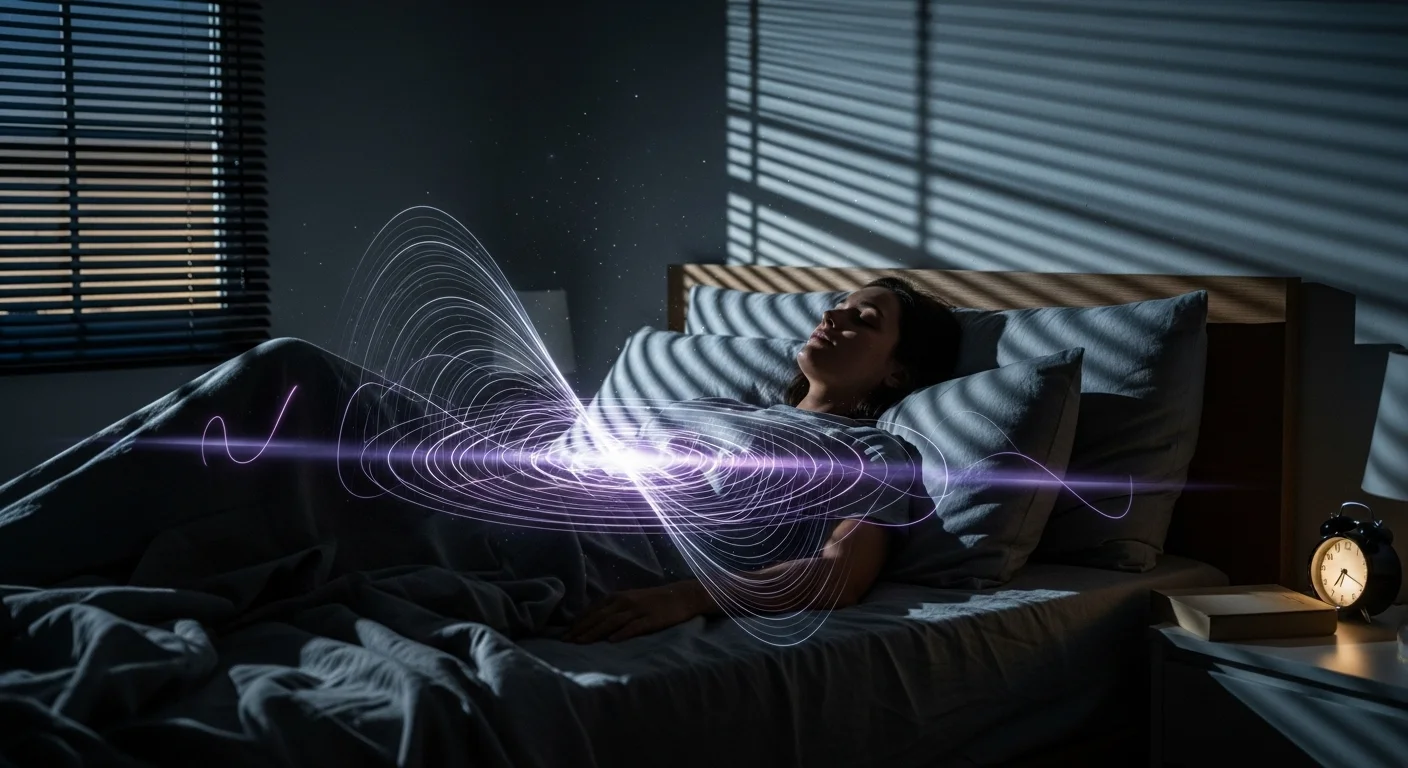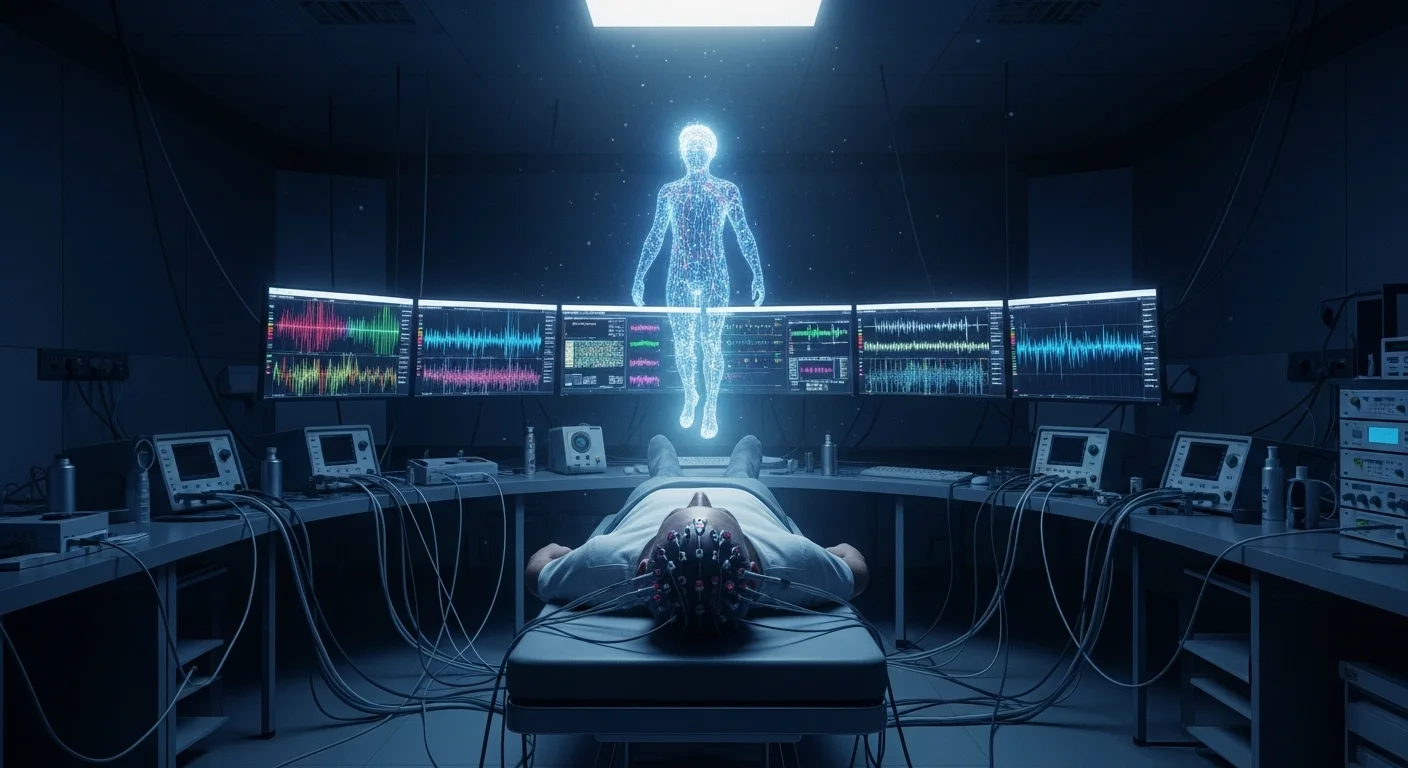
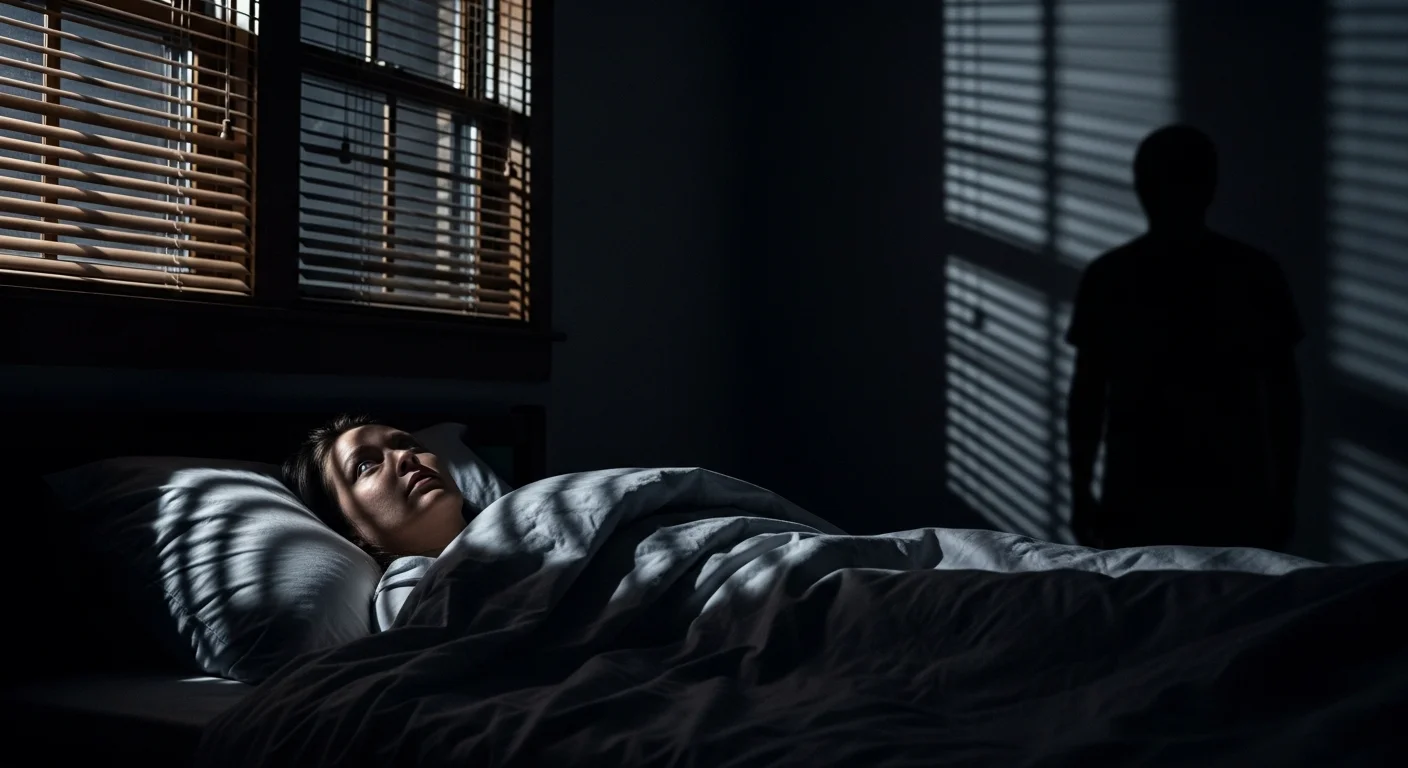
The sensed presence phenomenon occurs when an individual feels that another being is nearby, although no external stimulus exists to verify this sensation. This experience often happens during transitions between wakefulness and sleep. People report the distinct impression of a person or entity standing close to them or watching them from within the room. While the subject cannot see or hear this presence clearly, the conviction of its existence remains strong and often causes significant alertness or anxiety.
Scientific studies classify this event as a hallucination resulting from specific neural activity. Researchers suggest that stimulation of the temporoparietal junction in the brain can induce this specific feeling. This area of the brain processes information about self-location and body position. When the brain misinterprets these signals during sleep cycles, it projects the individual’s own body awareness outwards. This projection creates the false perception that a separate entity occupies the same physical space as the sleeper.
This phenomenon frequently coincides with episodes of sleep paralysis, where muscle atonia prevents voluntary movement. During these episodes, the sensation of a presence typically feels threatening or malevolent to the individual. However, some cases involve neutral or benevolent feelings depending on the context. It is important to distinguish this experience from a standard dream. The individual is usually conscious and aware of their physical surroundings, which makes the perception of an intruder seem fully realistic and objective.
Connection to Sleep Paralysis and Hallucinations
Sleep paralysis occurs when the brain wakes up from the REM stage before the body does. During this state, the muscles remain unable to move while the mind is fully conscious. A common symptom during these episodes is the distinct sensation that someone else is in the room. This feeling is not a dream but a waking hallucination. Researchers classify this specific experience as an intruder hallucination. It is a well-documented biological phenomenon unrelated to external forces.
The brain attempts to interpret the cause of the temporary physical paralysis. The amygdala activates and signals a state of high alert or fear. Since the eyes see the actual room, the mind projects a threat into the environment to explain the helplessness. This projection results in sensory distortions known as hypnagogic hallucinations. These visual or auditory errors often manifest as a shadowy figure or a vague sense of a watcher. The experience feels indistinguishable from reality.
Several factors increase the frequency of sleep paralysis and these associated hallucinations. Lack of sleep and high levels of stress are the most common triggers for the condition. Irregular sleeping patterns also disrupt the rapid eye movement cycle. While the experience causes significant fear, the hallucinations are physically harmless. The sensation ends immediately when the body regains movement. Medical professionals consider this a normal sleep issue rather than a mental health disorder or a dangerous event.
Neurological Mechanisms Behind the Experience
The sensation of a presence often occurs during sleep paralysis. This state happens when the brain transitions between wakefulness and rapid eye movement sleep. During this phase, the body experiences muscle atonia, which prevents physical movement while dreaming. Sometimes, a person wakes up mentally while the body remains paralyzed. This disconnect causes the brain to become confused about the body’s position. The mind then attempts to interpret this immobility as an external threat or a separate entity.
Scientists have identified specific brain regions linked to this phenomenon. The temporoparietal junction is a crucial area for processing sensory information and self-awareness. It combines data from the visual, auditory, and somatosensory systems to create a coherent sense of self. When this area malfunctions or receives mixed signals during sleep disruptions, it fails to distinguish the self from others. Consequently, the brain projects the person’s own body map onto the external environment, creating a phantom presence.
This experience often triggers the amygdala, which is the brain’s center for fear processing. The heightened activity in this region creates an intense sense of danger or dread. Visual or auditory hallucinations may accompany the feeling of a presence. These hallucinations result from the intrusion of dream imagery into the waking state. The combination of paralysis, fear activation, and sensory projections creates a convincing neurological illusion. The brain constructs a narrative to explain these conflicting signals.
Impact of Stress and Fatigue on Sleep Quality
High levels of stress cause the body to release cortisol. This hormone keeps the brain alert and makes it difficult to fall asleep. When a person finally sleeps, the quality of that rest is often poor. Stress fragments the sleep cycle and prevents the body from reaching deep sleep stages. These interruptions disrupt the natural rhythm of the brain. A mind that is hyper-aroused remains active during the night, which increases the likelihood of waking up suddenly.
Extreme fatigue creates a disconnection between the body and the brain. Physical exhaustion demands immediate rest, but mental strain may keep the mind awake. This state often leads to sleep paralysis or hypnagogic hallucinations. During these moments, the brain might misinterpret environmental sounds or shadows. The sensory processing centers do not function correctly when the body is overtired. This confusion can result in the specific sensation that someone or something else is currently in the room.
Chronic lack of sleep weakens the nervous system over time. This weakness makes the brain more susceptible to sensory errors during the transition to sleep. Regulating stress levels is necessary to stop these disturbances. A consistent sleep schedule allows the brain to process daily stimuli without errors. Reducing anxiety before bed helps the mind enter deep sleep smoothly. Proper rest eliminates the factors that cause these frightening night-time experiences and improves overall cognitive health.
Mental Health Conditions Linked to Sleep Disturbances
Anxiety disorders and high levels of stress significantly impact the quality of sleep. When the brain is overactive due to worry or fear, it struggles to transition smoothly between wakefulness and REM sleep. This disruption often increases the likelihood of experiencing sleep paralysis. During these episodes, the mind may project hallucinations to make sense of the body’s immobility. Consequently, individuals with generalized anxiety disorder frequently report sensing a threatening presence in the room during the night.
Post-Traumatic Stress Disorder is another condition closely associated with severe sleep disturbances. People suffering from PTSD often experience hyperarousal, which prevents deep relaxation and causes fragmented sleep patterns. These individuals are prone to vivid nightmares and hypnagogic hallucinations as they fall asleep. The sensation of a presence is common in this group because the brain remains on high alert for potential danger. Research indicates a strong correlation between trauma history and the frequency of these nocturnal events.
Depression also plays a critical role in regulating sleep architecture and dreaming. Individuals with major depressive disorder often experience rapid eye movement sleep earlier in the night than usual. This irregularity can blur the line between dreaming and being awake, leading to sensory distortions. Additionally, the use of certain psychiatric medications may influence sleep stages and contribute to these experiences. Treating the underlying mental health condition usually reduces the frequency of feeling a presence while sleeping.
Methods to Manage and Reduce These Occurrences
Establishing a consistent sleep schedule is a primary method for reducing sleep disturbances. You should aim to go to bed and wake up at the same time every day to regulate your body. It is also important to create a relaxing environment before sleep by removing electronic devices. Adequate sleep duration is essential, as sleep deprivation often triggers these episodes. Reducing daily stress through simple relaxation techniques can also lower the frequency of these specific occurrences.
Changing your sleeping position is another effective strategy to prevent these events. Research suggests that sleeping on your back increases the likelihood of sleep paralysis and sensing a presence. You should try sleeping on your side or stomach instead. Additionally, you must monitor your intake of certain substances. Consuming alcohol, caffeine, or heavy meals right before bed can disrupt sleep patterns. Avoiding these substances in the evening helps maintain deep sleep and minimizes the risk of hallucinations.
If an episode occurs, you can attempt to break the state by focusing on small body movements. Wiggling a toe, finger, or tongue often signals the brain to wake up fully. If these experiences happen frequently or cause significant anxiety, you should consult a medical professional. Frequent episodes may indicate underlying sleep disorders such as narcolepsy or sleep apnea. A doctor can evaluate your symptoms and prescribe appropriate treatments or therapy to manage the condition effectively.
our next step
If you already understand what astral projection is and you’re looking for practices that truly work, this e-book presents 35 tested techniques to induce out-of-body experiences. Each technique is explained clearly and directly, allowing you to choose the method that best fits your routine and level of awareness.
This material is ideal for those who want to apply objective and varied methods, speeding up the process of conscious out-of-body projection. It works for both beginners and practitioners who have already had experiences and want to expand their possibilities. This is a practical guide for anyone who wants consistent results.
If you are taking your first steps and want to understand the fundamentals of astral projection with clarity, this manual was created to make your learning easier. In it, you will find clear explanations about the subtle bodies, the stages of projection, the most common sensations, and how to deal with fear and mental blocks.
This e-book is recommended for anyone who needs a solid and safe foundation to start practicing with confidence. It organizes the concepts in a progressive way, helping you understand the process as a whole and develop a consistent and conscious practice.

For those who want more complete and in-depth guidance, the complete astral projection course offers structured lessons, guided practices, visualizations, advanced techniques, and ongoing support. The content was designed to take you from theory to practice with safety and consistency.
This course is suitable for all levels, from beginner to advanced, and provides a systematic approach based on years of research, experience, and proven results. You will learn how to awaken your potential, gain control of your experiences, and integrate spiritual insights into your daily life.