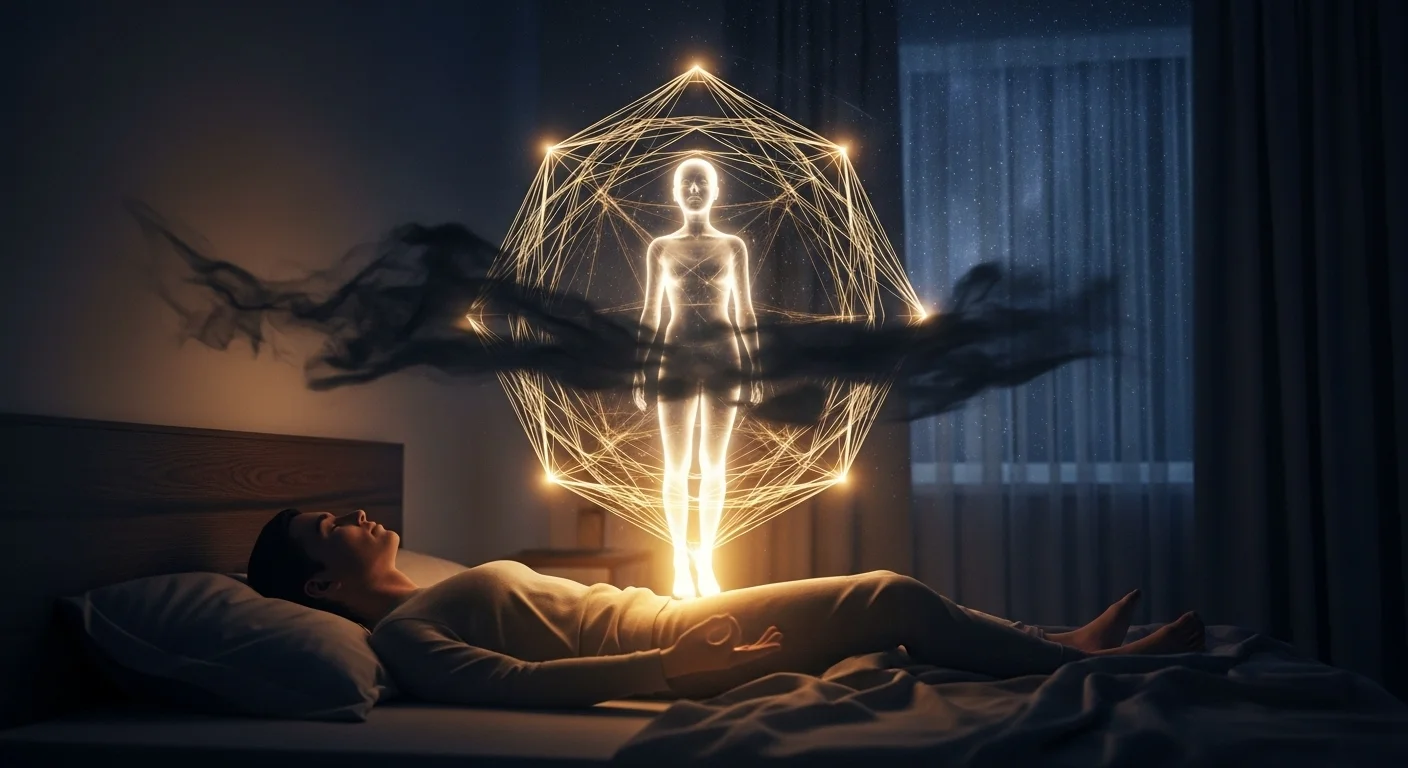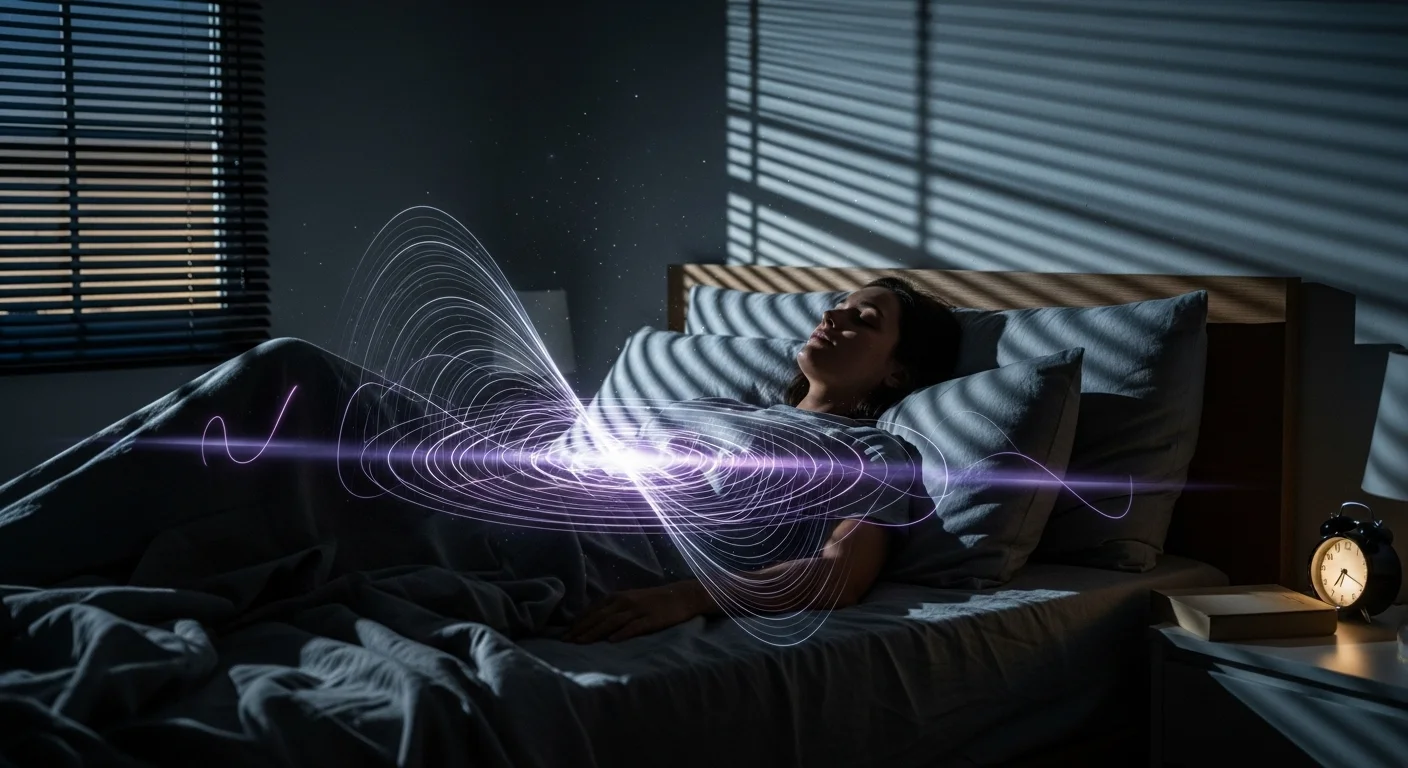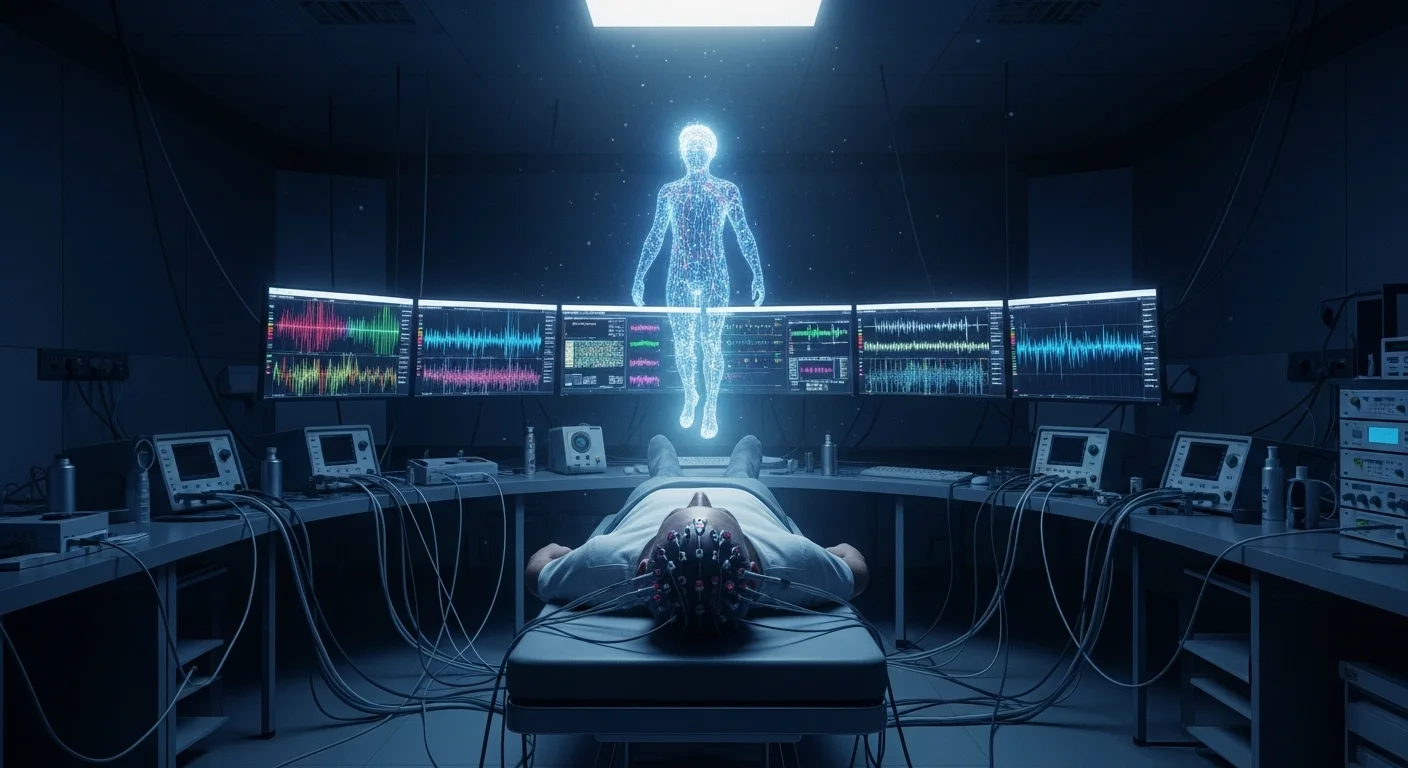
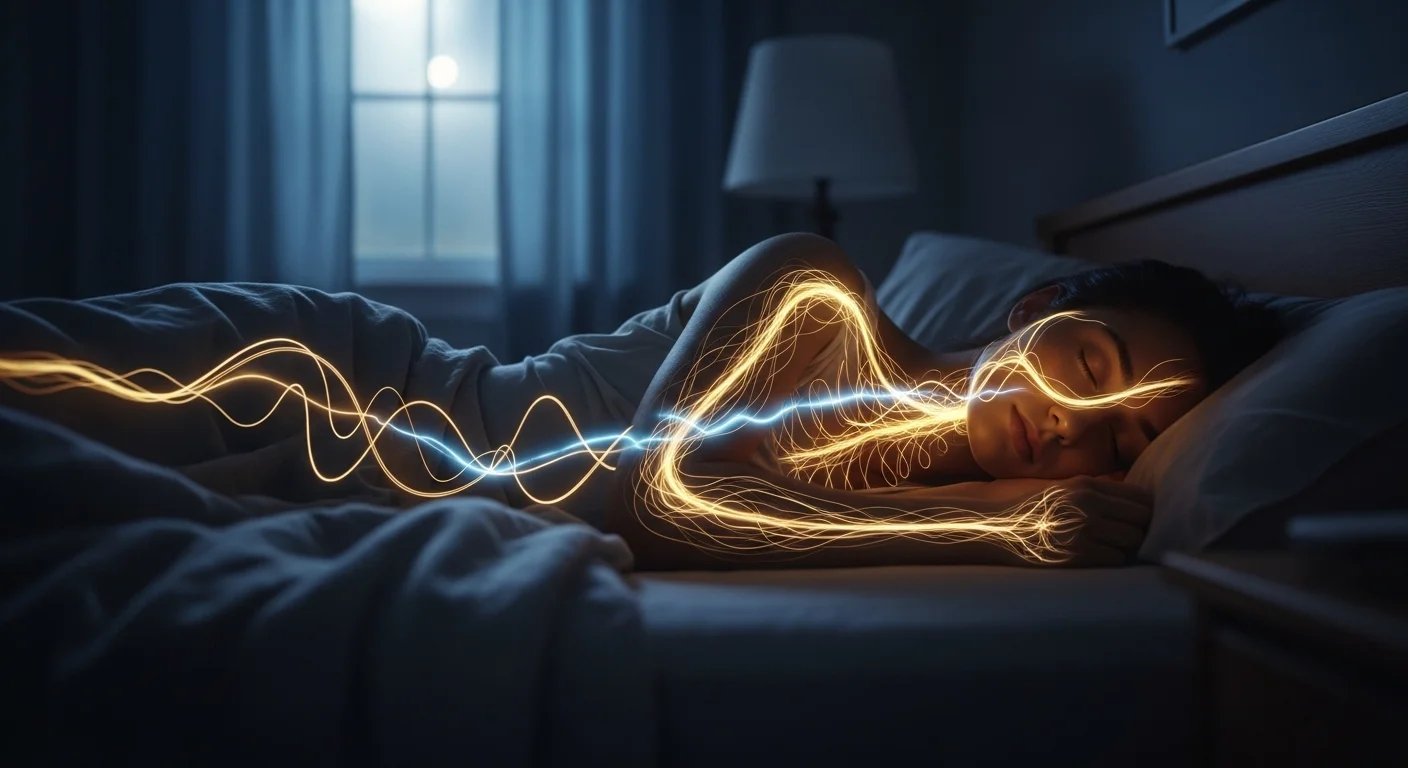
Pulsing sensations during sleep refer to specific rhythmic physical feelings detected within the body. Individuals often describe these experiences as waves of energy, vibrations, or throbbing movements that travel through the limbs or torso. These sensations typically occur during the transition states between wakefulness and sleep, known as the hypnagogic or hypnopompic stages. This phenomenon is an internal experience and does not result from external factors, such as the bed shaking or physical movement in the surrounding environment.
From a physiological perspective, these pulses often relate to the activity of the nervous system as it slows down. As the body enters deep relaxation, the brain shifts its chemical signals to prepare for rest. This process can cause sensory nerves to fire unexpectedly, creating a perception of internal movement. These events frequently coincide with a state where the body is asleep but the mind remains conscious. This disconnect allows the brain to register minor neurological discharges as significant physical pulses.
It is important to distinguish these pulsing sensations from medical conditions that cause acute pain or involuntary seizures. The experience discussed here is generally painless and does not cause a loss of consciousness. Sleep experts often categorize these feelings as tactile or sensory hallucinations associated with sleep onset. While the sensation can feel intense or startling, it is usually a harmless occurrence. However, persistent pulsing that disrupts sleep quality may require evaluation to rule out circulatory problems or restless leg syndrome.
Connection to Blood Circulation and Heartbeat
The heart pumps blood throughout the entire body in a rhythmic cycle. This process creates a physical wave of pressure known as a pulse. During the day, physical movement and external noise often mask this internal sensation. However, when the body becomes still for sleep, these distractions disappear. You might begin to feel the rhythmic movement of blood flowing through your arteries. This is a normal physiological function and directly causes a pulsing feeling in various body parts.
Lying down changes how gravity affects your blood circulation. This position alters the blood pressure distribution across your body compared to standing or sitting. You may notice a strong pulse in your head, neck, or ears because these areas are now level with your heart. The increased blood flow to the brain during certain sleep stages can also intensify this awareness. Many people mistake this natural shift in fluid dynamics for an external energy source.
A quiet environment amplifies your ability to detect internal bodily functions. As your muscles relax and your breathing slows, your sensory awareness turns inward. The sound of your heartbeat becomes more audible in your ears, and the physical thumping becomes palpable in your chest or limbs. This heightened state of sensitivity allows you to perceive the mechanical action of the cardiovascular system. Consequently, the sensation of pulsing energy is often just the tangible evidence of your own circulation.
Muscle Spasms and Hypnagogic Jerks
Hypnagogic jerks are involuntary muscle contractions that occur during the transition between wakefulness and sleep. These sudden movements often resemble a pulsing sensation or a quick jolt throughout the body. Medical experts classify these jerks as a type of myoclonus, which is a rapid muscle twitch. While the exact cause remains unknown, they frequently happen when the muscles begin to relax. This physical reaction interrupts the onset of sleep and creates a distinct vibration or pulse.
Several external factors increase the likelihood and intensity of these nocturnal muscle spasms. High levels of stress, excessive caffeine consumption, and strenuous physical exercise often trigger these events. When the body is overtired, the brain may misinterpret muscle relaxation as falling, causing a reflex signal to the muscles. This signal results in the sudden contraction that feels like an energetic pulse. Identifying these triggers helps individuals reduce the frequency of these physical sensations at night.
It is important to distinguish physiological muscle spasms from subjective descriptions of energy flow. While some people describe these movements as pulsing energy, they are strictly biological responses of the nervous system. Most hypnagogic jerks are harmless and do not require medical treatment. However, if these movements prevent sleep or cause significant distress, a doctor should evaluate them. Frequent spasms might indicate an underlying sleep disorder such as restless leg syndrome or periodic limb movement disorder.
Symptoms Related to Sleep Paralysis
Sleep paralysis occurs when a person wakes up during the rapid eye movement stage of sleep but cannot move or speak. This state happens because the brain wakes up while the body remains in a temporary paralysis meant to prevent acting out dreams. A common physical symptom during this experience is a distinct sensation of vibrating or pulsing energy throughout the body. These vibrations can range from mild buzzing to intense shaking that feels like electricity running under the skin.
Individuals often report sensory hallucinations alongside the physical paralysis. These can manifest as loud buzzing, humming, or roaring noises that seem to originate from inside the head. Some people hear static sounds that increase in volume as the pulsing sensations become stronger. These auditory experiences are not caused by external sources but are generated by the brain during the transition between sleep and wakefulness. The combination of loud sounds and bodily vibrations can create a feeling of intense pressure.
Visual hallucinations and emotional distress are also frequent symptoms of this condition. Many individuals see shadowy figures or perceive a threatening presence in the room while they are unable to move. This visual input often triggers an immediate fear response, which causes the heart rate to increase rapidly. The physical sensation of a pounding heart can merge with the internal vibrations, intensifying the overall perception of pulsing energy. This heightened state of alertness makes the experience memorable and distinct.
Influence of Anxiety and Stress
High levels of stress and anxiety trigger the body’s natural defense mechanism known as the fight or flight response. This process releases stress hormones like cortisol and adrenaline into the bloodstream. These chemicals increase heart rate and blood flow to the muscles to prepare for physical exertion. When a person tries to sleep, this excess physiological arousal remains active. The result is often perceived as a rhythmic pulsing or vibrating sensation throughout the limbs or torso.
Anxiety causes involuntary muscle contraction during the day, which often persists into the night. As the body attempts to relax for sleep, these tight muscles may spasm or tremble. Medical professionals refer to these small muscle twitches as fasciculations. These micro-movements can create a feeling of internal vibration or buzzing. This physical release of accumulated tension is a common cause of energy-like sensations that occur specifically during the transition from wakefulness to sleep.
Psychological stress leads to a state of hypervigilance where the brain monitors the body for potential threats. This heightened sensory awareness amplifies normal biological processes that usually go unnoticed. A person may become acutely aware of their own heartbeat or blood circulation. This focus transforms standard bodily functions into noticeable pulsing sensations. The quiet environment of a bedroom makes these internal feelings more prominent, as there are no external distractions to divert the brain’s attention.
When to Seek Medical Attention
Most pulsing sensations experienced during sleep are harmless and temporary. However, you should consult a doctor if the pulsing is accompanied by physical pain or discomfort. Medical advice is necessary if you experience sudden headaches, dizziness, or loss of balance along with the energy sensations. These symptoms might indicate a neurological condition that requires professional diagnosis. A healthcare provider can perform the necessary tests to rule out serious issues like restless leg syndrome or nerve damage.
You must also pay attention to how these sensations affect your heart and breathing. Seek immediate medical help if the pulsing feeling comes with chest pressure, an irregular heartbeat, or shortness of breath. These physical reactions could suggest cardiovascular problems or sleep apnea rather than simple sensory phenomena. If the vibrations frequently wake you up or prevent you from falling asleep, this is a sign of a sleep disorder. Chronic sleep disruption harms your long-term health.
It is important to monitor the frequency and intensity of these events over time. You should make an appointment with a general practitioner if the sensations occur every night or persist during the day. Persistent numbness or tingling in your limbs warrants a professional medical evaluation. Additionally, severe anxiety or stress regarding these experiences can worsen the symptoms. A doctor can help determine if the cause is physiological or psychological and recommend the appropriate treatment plan.
our next step
If you already understand what astral projection is and you’re looking for practices that truly work, this e-book presents 35 tested techniques to induce out-of-body experiences. Each technique is explained clearly and directly, allowing you to choose the method that best fits your routine and level of awareness.
This material is ideal for those who want to apply objective and varied methods, speeding up the process of conscious out-of-body projection. It works for both beginners and practitioners who have already had experiences and want to expand their possibilities. This is a practical guide for anyone who wants consistent results.
If you are taking your first steps and want to understand the fundamentals of astral projection with clarity, this manual was created to make your learning easier. In it, you will find clear explanations about the subtle bodies, the stages of projection, the most common sensations, and how to deal with fear and mental blocks.
This e-book is recommended for anyone who needs a solid and safe foundation to start practicing with confidence. It organizes the concepts in a progressive way, helping you understand the process as a whole and develop a consistent and conscious practice.
For those who want more complete and in-depth guidance, the complete astral projection course offers structured lessons, guided practices, visualizations, advanced techniques, and ongoing support. The content was designed to take you from theory to practice with safety and consistency.
This course is suitable for all levels, from beginner to advanced, and provides a systematic approach based on years of research, experience, and proven results. You will learn how to awaken your potential, gain control of your experiences, and integrate spiritual insights into your daily life.