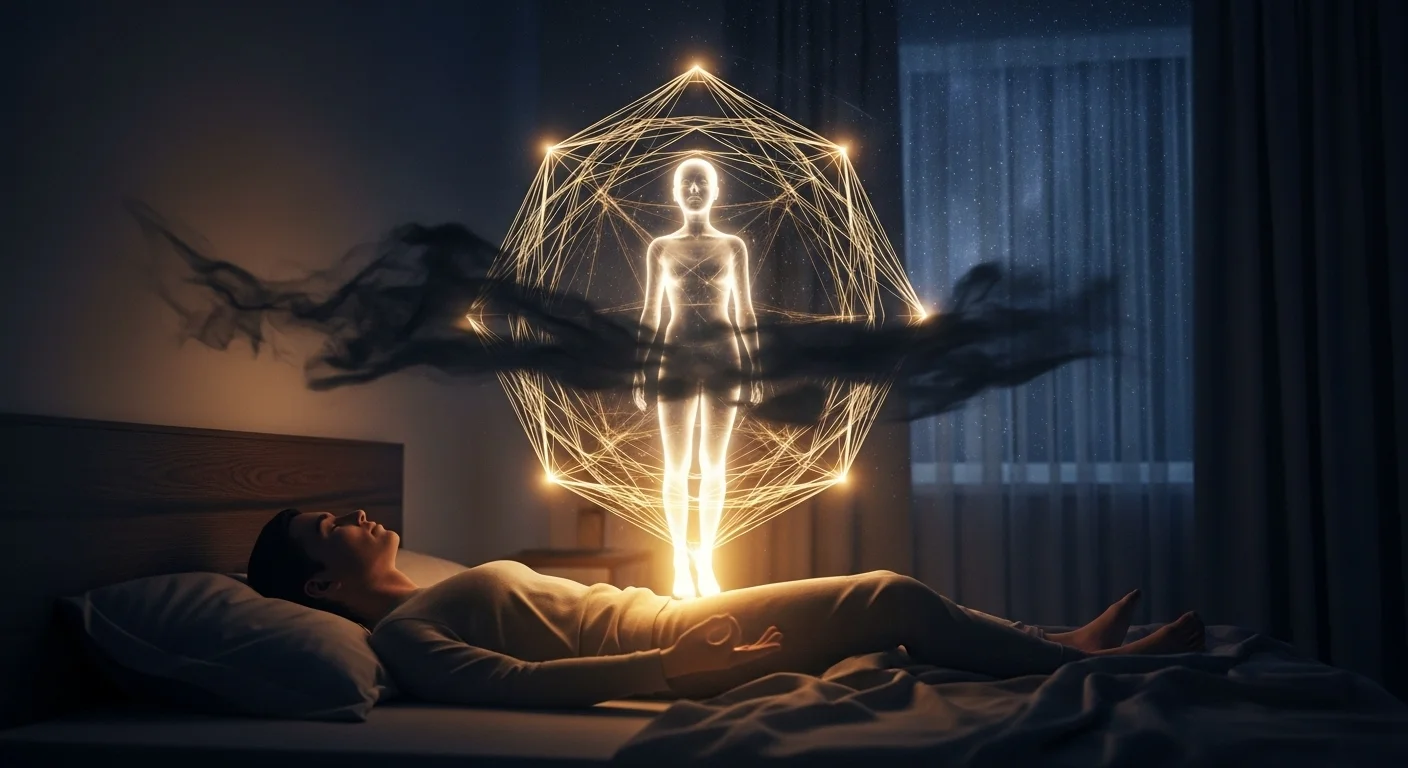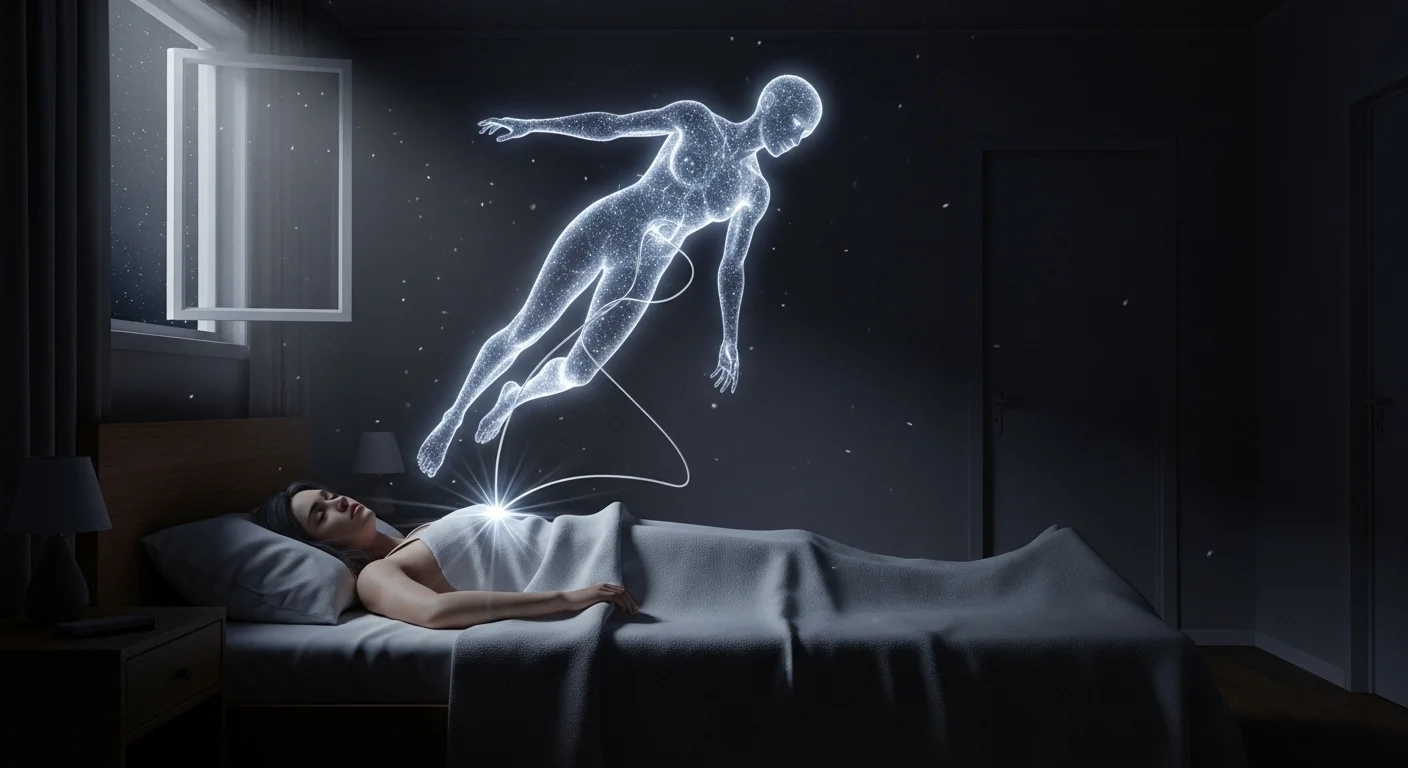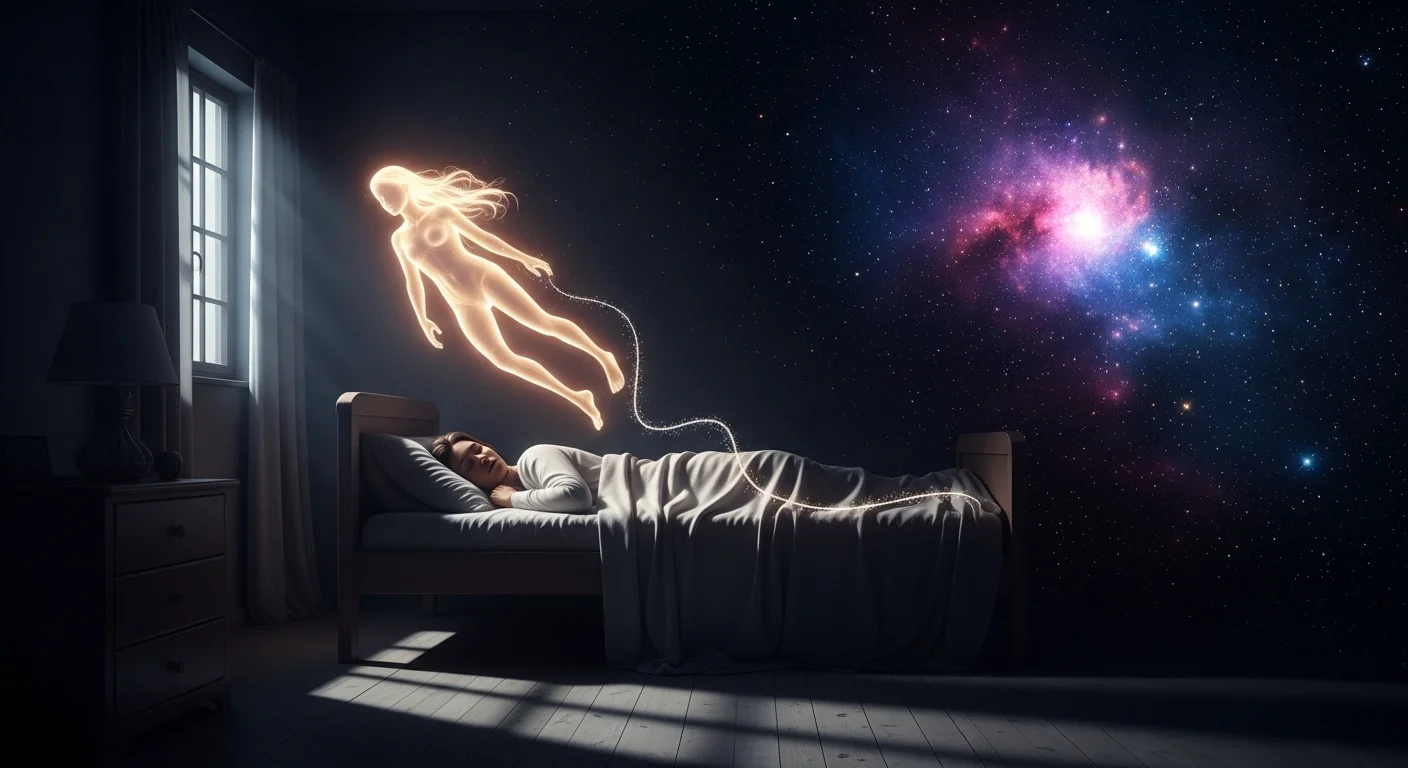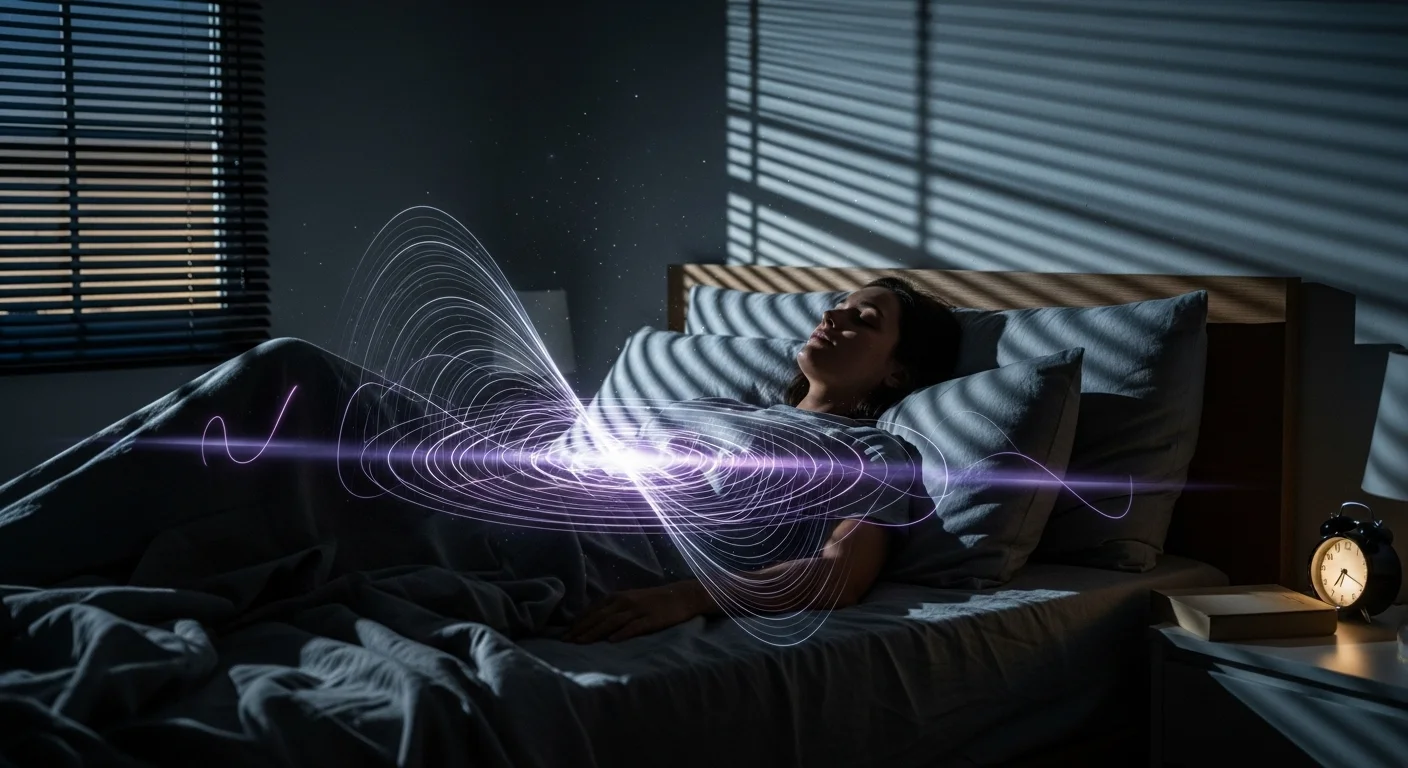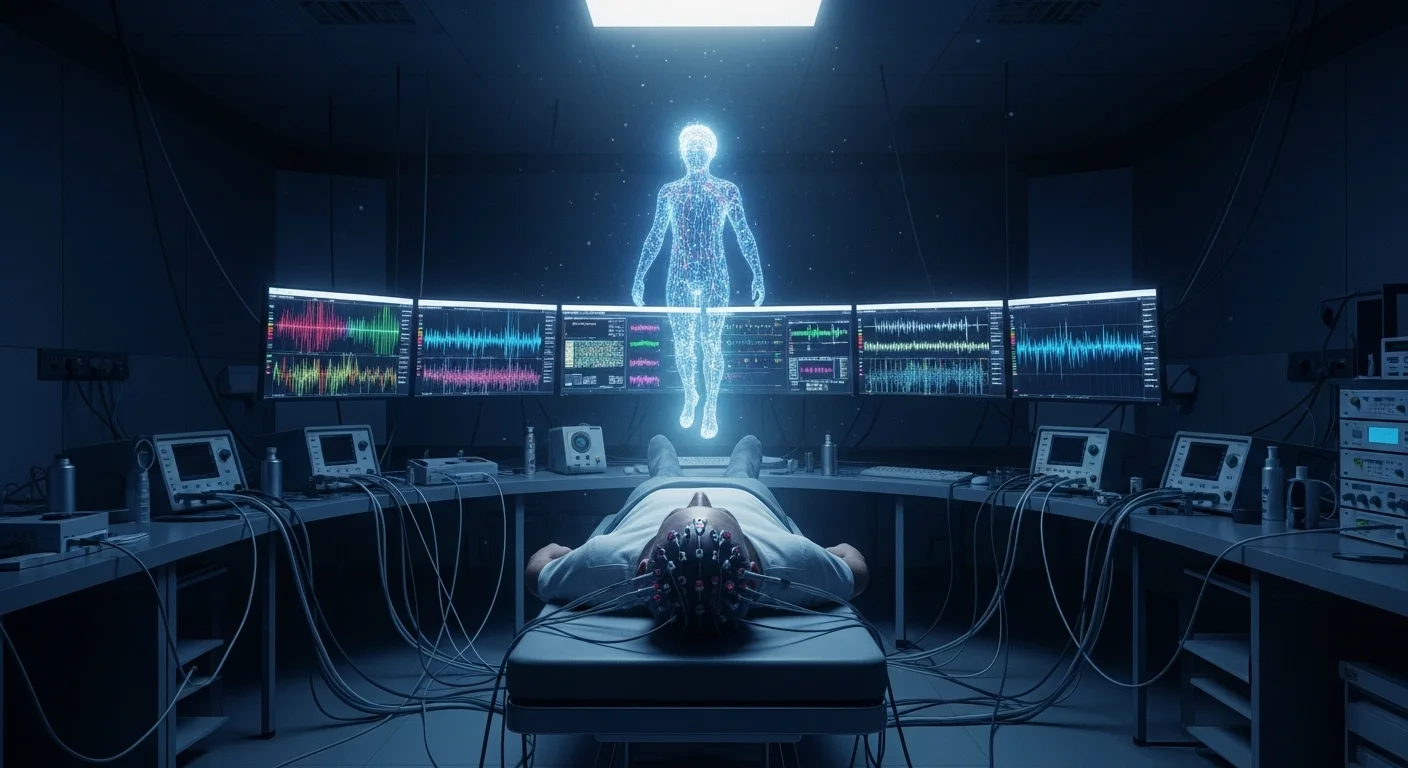
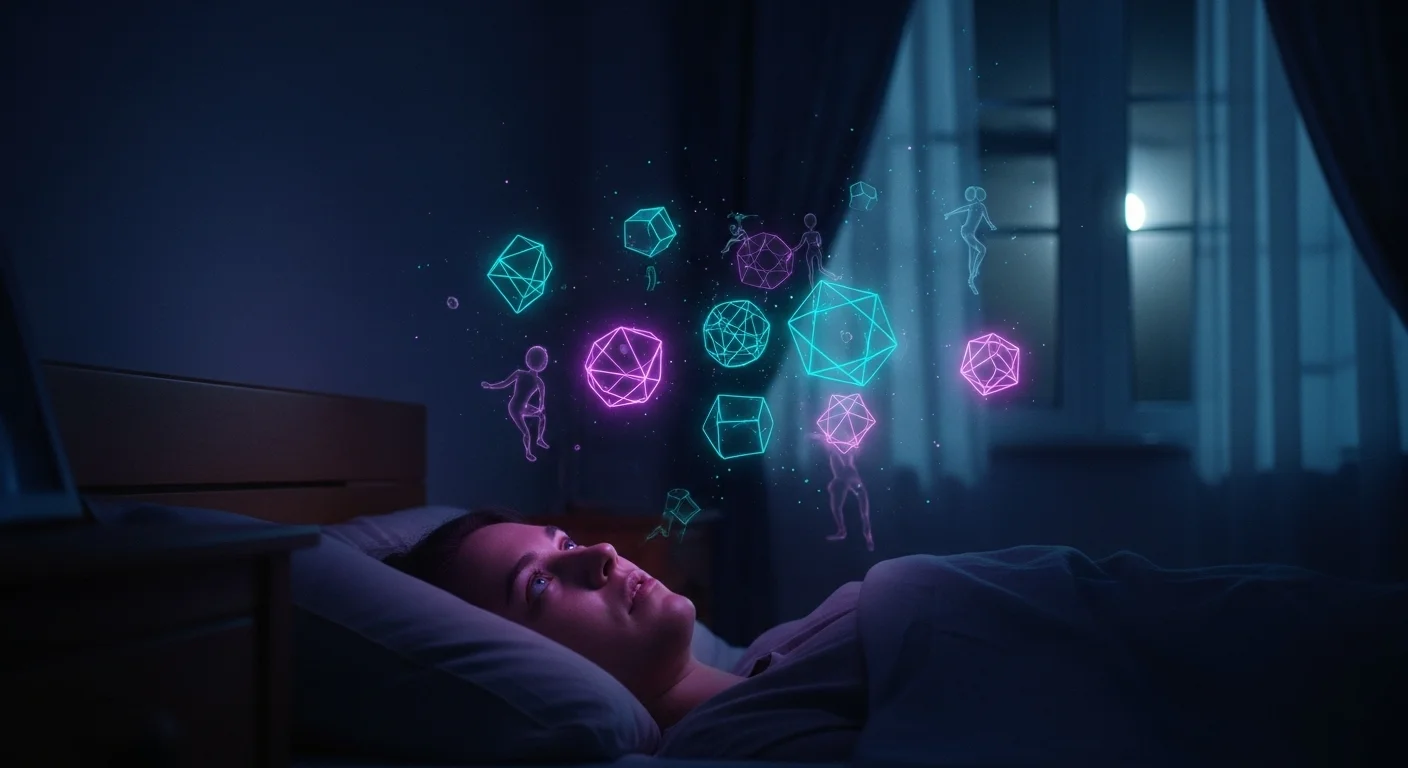
Hypnagogic hallucinations occur during the transition from wakefulness to sleep. These sensory experiences happen specifically while a person is falling asleep. They are distinct from dreams because the individual usually remains partially aware of the real environment. The visions often appear as geometric shapes, flashes of light, or complex images like faces. People may also hear sounds or feel physical sensations that are not present. This state is common and usually does not indicate a medical disorder.
Hypnopompic hallucinations take place during the transition from sleep to wakefulness. These experiences occur immediately after a person wakes up in the morning or after a nap. The individual perceives visual or auditory stimuli that do not exist in the physical room. These hallucinations often feel like a vivid continuation of a dream while the eyes are open. The imagery can linger for a few minutes before fading. This type is less common than hypnagogic hallucinations.
Both categories of hallucinations involve multiple senses. Visual perceptions are the most frequent and include seeing patterns, people, or animals. Auditory hallucinations involve hearing voices, music, or distinct noises. Tactile sensations may include feelings of falling, floating, or being touched. These events result from the brain switching between sleep stages and consciousness. Medical professionals classify these episodes as normal sleep phenomena rather than symptoms of psychosis or severe psychiatric conditions.
Common Types of Sensory Experiences
Visual hallucinations are the most frequent form of sensory experience during sleep transitions. People often see random flashes of light, colors, or geometric patterns that shift and change. As the state progresses, these images can become more complex and realistic. Some individuals report seeing faces, animals, or entire scenes that resemble dreams. These visual perceptions appear clearly even though the eyes are closed. They differ from imagination because they feel involuntary and occur spontaneously without conscious effort.
Auditory sensations are also common as the brain shifts between wakefulness and sleep. You might hear sounds ranging from faint noises to loud crashes. Common examples include hearing one’s own name called, snippets of conversation, or random music. Some people experience a phenomenon known as Exploding Head Syndrome, where they hear a loud bang or explosion inside their head. These sounds are internal hallucinations generated by the brain, but they sound just as real as external noises.
Physical and tactile sensations often accompany visual and auditory hallucinations. A very frequent experience is the sensation of falling or tripping, which often results in a sudden muscle jerk. Others feel as though they are floating, spinning, or leaving their physical body. Some individuals experience sleep paralysis, where they feel unable to move or speak. This state may also include the specific feeling that someone else is present in the room, even if no one is actually there.
Causes and Risk Factors for Sleep Hallucinations
Sleep hallucinations primarily occur during the transition phases between being awake and being asleep. Experts often associate these visual or auditory experiences with narcolepsy, which is a chronic sleep disorder characterized by overwhelming daytime drowsiness. When a person has narcolepsy, their brain enters the rapid eye movement stage of sleep almost immediately. This rapid shift allows dream-like imagery to blend with reality while the individual is still conscious, resulting in vivid and sometimes frightening hallucinations.
Several other medical and psychological conditions can increase the likelihood of experiencing these visions. Mental health disorders such as schizophrenia or bipolar disorder are common risk factors that may alter sleep patterns. Additionally, untreated insomnia or significant sleep deprivation can disrupt the natural sleep cycle, making hallucinations more likely. Certain medications, particularly those that affect the central nervous system or mood, also list vivid dreams and sleep-related hallucinations as potential side effects for patients.
Lifestyle choices and daily habits play a significant role in the frequency of sleep hallucinations. High levels of stress and anxiety frequently trigger these episodes by preventing the brain from relaxing completely. Substance use, including heavy alcohol consumption or recreational drug use, interferes with normal sleep stages and brain chemistry. Furthermore, maintaining an irregular sleep schedule or working night shifts can confuse the body’s internal clock, creating a higher risk for these sensory disturbances.
The Connection Between Sleep Paralysis and Visions
Sleep paralysis occurs when a person wakes up or falls asleep but cannot move or speak. This happens because the body remains in a state of atonia, which is a temporary muscle weakness that is normal during rapid eye movement sleep. During this specific transition, the brain becomes awake, but the biological mechanism that prevents physical movement remains active. This unique state allows dream-like hallucinations to merge directly with the physical reality of the bedroom.
Visions during sleep paralysis are often distinct and intense. Many people report seeing shadowy figures or sensing a threatening presence in the room. These visual hallucinations are frequently accompanied by auditory sensations, such as buzzing, humming, or voices. The experience often triggers a strong fear response in the brain. This fear can alter the perception of the vision, making the hallucinations appear dangerous or malevolent. The combination of immobility and frightening imagery creates a distressing episode.
Neurologically, this connection exists because both paralysis and visions stem from disrupted sleep cycles. The brain fails to switch smoothly between deep sleep and wakefulness. This leads to an overlap where REM components intrude into the waking state. Factors like stress, irregular sleep schedules, and sleep deprivation increase the likelihood of these episodes. While the experience is often terrifying, medical professionals consider it a benign occurrence. Improving sleep hygiene can reduce the frequency of these combined events.
Differences Between Sleep Visions and Mental Illness
Sleep visions occur specifically during the transition periods between wakefulness and sleep. These visual or auditory experiences happen either while falling asleep or upon waking up. This specific timing is the primary distinction from hallucinations caused by mental health disorders. In contrast, hallucinations associated with conditions like schizophrenia typically occur when a person is fully awake and alert during the day. Most medical experts consider sleep-related visions to be a normal neurological phenomenon rather than a symptom of psychiatric illness.
Another important difference involves the individual’s awareness of reality. When a person experiences a vision related to sleep, they usually recognize that the event was not real once they are fully awake. They understand that their brain created an image or sound during the sleep process. Conversely, individuals suffering from psychosis often lack this insight. They frequently believe that their hallucinations are real events and may incorporate these false perceptions into a complex system of delusional beliefs.
The nature and frequency of the symptoms also differ significantly between these two categories. Sleep hallucinations are often isolated events that do not interfere with daily functioning or social interactions. They are usually simple images or brief sounds. Mental illnesses present a broader range of symptoms beyond hallucinations, such as disorganized thinking, behavioral changes, or emotional instability. If visions occur only around sleep times and no other psychological symptoms exist, doctors rarely classify them as signs of a mental disorder.
Treatment Options and When to See a Doctor
Most cases of visions during sleep transitions do not require medical intervention. These experiences are often harmless and temporary. However, improving sleep habits can significantly reduce their frequency. You should establish a consistent sleep schedule and create a relaxing environment in your bedroom. Avoiding caffeine, alcohol, and heavy meals before bed is also beneficial. If stress or anxiety is a trigger, relaxation techniques like meditation or deep breathing exercises may help calm your mind before sleep.
You should seek professional advice if these visions prevent you from sleeping or cause significant distress during the day. Sometimes, these hallucinations are symptoms of underlying sleep disorders such as narcolepsy or sleep apnea. In these specific cases, a doctor might prescribe medication to manage the primary condition. Physicians may also review your current medications, as certain drugs can increase the likelihood of hallucinations. Treating the root cause is usually the most effective way to stop the visions.
It is important to consult a healthcare provider if the hallucinations occur while you are fully awake and active. This distinction helps rule out other psychiatric or neurological conditions that require different treatments. You should also visit a doctor if the visions are accompanied by excessive daytime sleepiness or sudden muscle weakness. A medical professional can conduct a physical exam or recommend a sleep study. Accurate diagnosis ensures that you receive the appropriate care for your specific situation.
our next step
If you already understand what astral projection is and you’re looking for practices that truly work, this e-book presents 35 tested techniques to induce out-of-body experiences. Each technique is explained clearly and directly, allowing you to choose the method that best fits your routine and level of awareness.
This material is ideal for those who want to apply objective and varied methods, speeding up the process of conscious out-of-body projection. It works for both beginners and practitioners who have already had experiences and want to expand their possibilities. This is a practical guide for anyone who wants consistent results.
If you are taking your first steps and want to understand the fundamentals of astral projection with clarity, this manual was created to make your learning easier. In it, you will find clear explanations about the subtle bodies, the stages of projection, the most common sensations, and how to deal with fear and mental blocks.
This e-book is recommended for anyone who needs a solid and safe foundation to start practicing with confidence. It organizes the concepts in a progressive way, helping you understand the process as a whole and develop a consistent and conscious practice.

For those who want more complete and in-depth guidance, the complete astral projection course offers structured lessons, guided practices, visualizations, advanced techniques, and ongoing support. The content was designed to take you from theory to practice with safety and consistency.
This course is suitable for all levels, from beginner to advanced, and provides a systematic approach based on years of research, experience, and proven results. You will learn how to awaken your potential, gain control of your experiences, and integrate spiritual insights into your daily life.