
Sleep transitions occur when the brain shifts between wakefulness and sleep. During these moments, individuals may perceive physical movement without actual bodily motion. These experiences often happen during the hypnagogic state, which is falling asleep, or the hypnopompic state, which is waking up. The brain processes sensory signals differently during these phases. This can create realistic illusions of sliding, floating, or falling. These hallucinations are common and generally indicate normal neurological changes rather than a health problem.
The vestibular system in the inner ear controls balance and spatial orientation. When a person sleeps, the brain reduces its reliance on external sensory input. Sometimes, the brain misinterprets internal signals as the body relaxes or wakes. This error causes specific feelings of motion, such as being pulled or lifted. The disconnect between physical stillness and mental activity creates these sensory disruptions. Researchers classify these events as vestibular motor hallucinations because they involve perceived motion.
Many people describe feeling sucked into the mattress or lifted into the air. These specific sensations often occur alongside sleep paralysis. During sleep paralysis, the body is immobile while the mind is alert. The brain tries to interpret this lack of muscle control and creates a sensation of force. A feeling of being sucked in represents downward pressure, while being lifted suggests floating. These are sensory interpretations of the body’s temporary inability to move voluntarily.
Explanation of the Sucked In Sensation
The sensation of being sucked in often happens during the transition from sleep to wakefulness. This specific state is known as the hypnopompic phase. Individuals report feeling a strong downward pull or a force dragging them into the mattress. This physical feeling frequently occurs alongside sleep paralysis. During this event, the body remains immobile while the mind becomes conscious. The brain interprets this disconnect as a physical force acting upon the body, resulting in the feeling of being pulled down.
This phenomenon involves the vestibular system in the inner ear. This system controls balance and spatial orientation. When waking occurs, the vestibular system may activate before the body processes sensory inputs. Simultaneously, the muscles remain in a state of atonia to prevent movement during dreams. The lack of feedback from the muscles confuses the brain. This confusion creates a false perception of motion or gravity. The mind interprets this signal error as a sensation of falling or being sucked downwards.
Medical professionals classify these episodes as sensory hallucinations. The brain attempts to organize conflicting signals between the inner ear and the paralyzed muscles. It creates a specific physical feeling to explain why the body feels motion but cannot move. Although the experience causes anxiety, it is physically harmless. The sensation normally fades within seconds as full wakefulness returns. Once the body regains muscle control, the sensory systems align. Consequently, the feeling of being sucked into the bed stops immediately.
Explanation of the Lifted Up Sensation
The sensation of being lifted up upon waking is often linked to the vestibular system. This system is located in the inner ear and controls balance and spatial orientation. During sleep, sensory signals are dampened to prevent the body from reacting to dreams. When waking occurs, the brain reconnects with external sensory inputs. A temporary mismatch in this processing can create a false perception of upward movement or levitation. This specific error causes the physical feeling of rising.
This experience frequently happens during the hypnopompic state, which is the transition period from sleep to wakefulness. It is also a common symptom associated with sleep paralysis. In these states, the mind becomes alert while the body remains in muscle atonia. The lack of feedback from the muscles can confuse the brain regarding the body’s position. Without clear physical data, the brain may generate hallucinatory feelings of floating or being pulled upwards against gravity.
Researchers classify this phenomenon as a type of vestibular-motor hallucination or an out-of-body experience. Neurological studies suggest that activity in the temporoparietal junction contributes to these perceptions. This region of the brain integrates sensory information from different parts of the body. When this area functions irregularly during waking transitions, it fails to integrate self-location correctly. The result is a distinct sensory illusion that the body is moving upward while it actually remains still in bed.
Scientific Causes Related to Sleep Paralysis
Sleep paralysis occurs when an individual regains consciousness during the Rapid Eye Movement (REM) stage of sleep. During this specific phase, the brain signals the voluntary muscles to relax completely. This physiological condition is known as REM atonia and prevents the body from physically acting out dreams. If a person wakes up before this cycle concludes, they experience temporary immobility. The brain attempts to interpret the sensory mismatch between an active mind and a paralyzed body.
The sensations of being lifted up or sucked in are classified scientifically as vestibular-motor hallucinations. The vestibular system located in the inner ear manages balance and spatial orientation. During sleep paralysis, this system may activate without actual physical movement. The brain receives these internal signals and interprets them as genuine motion. Consequently, an individual feels sensations of floating, flying, falling, or being pulled. These perceptions result from neurological activity rather than external physical forces.
Heightened activity in the amygdala often accompanies these episodes. This region of the brain is responsible for processing fear and threat detection. When an individual realizes they cannot move, the brain triggers a panic response. This state of hypervigilance significantly intensifies the hallucinations. The mind seeks a logical explanation for the paralysis and the false motion signals. This process frequently results in the perception of a force causing the sensation of being dragged or levitated.
Spiritual Theories Regarding the Astral Body
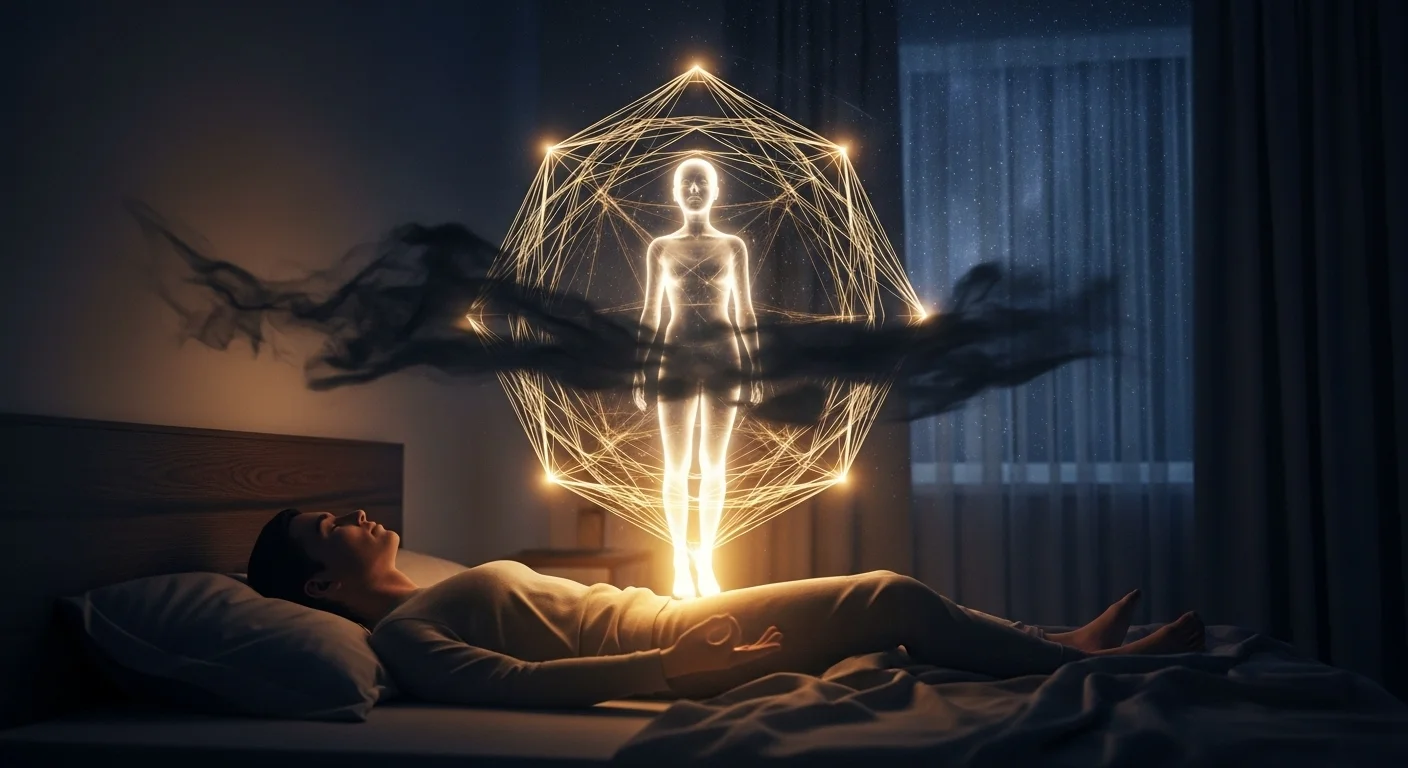
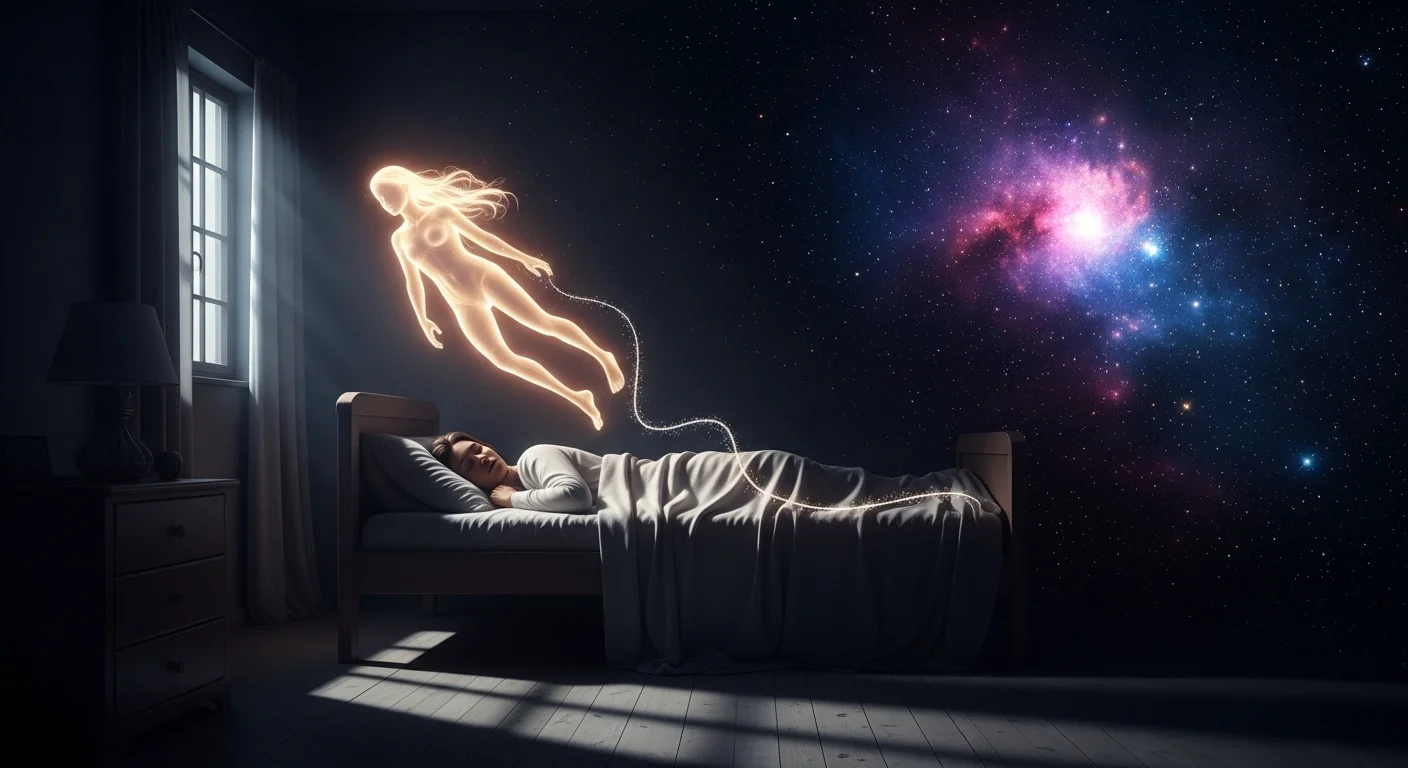
Spiritual traditions often propose the existence of a subtle form known as the astral body. This non-physical entity is believed to house the consciousness and separates from the physical body during sleep. Practitioners suggest that the physical body rests while the astral body travels to different planes of existence. The sensation of being lifted up or sucked in is frequently interpreted as the physical mechanism of this separation or the return of the astral form to the physical vessel.
Many theories describe a vibrational state that occurs before the astral body exits the physical body. This state often manifests as buzzing sounds or intense energy currents throughout the limbs. The sensation of being sucked in is typically associated with the rapid re-entry of the astral body upon waking abruptly. Conversely, the feeling of being lifted up is usually linked to the initial exteriorization process where the subtle body floats upwards away from the dense physical counterpart.
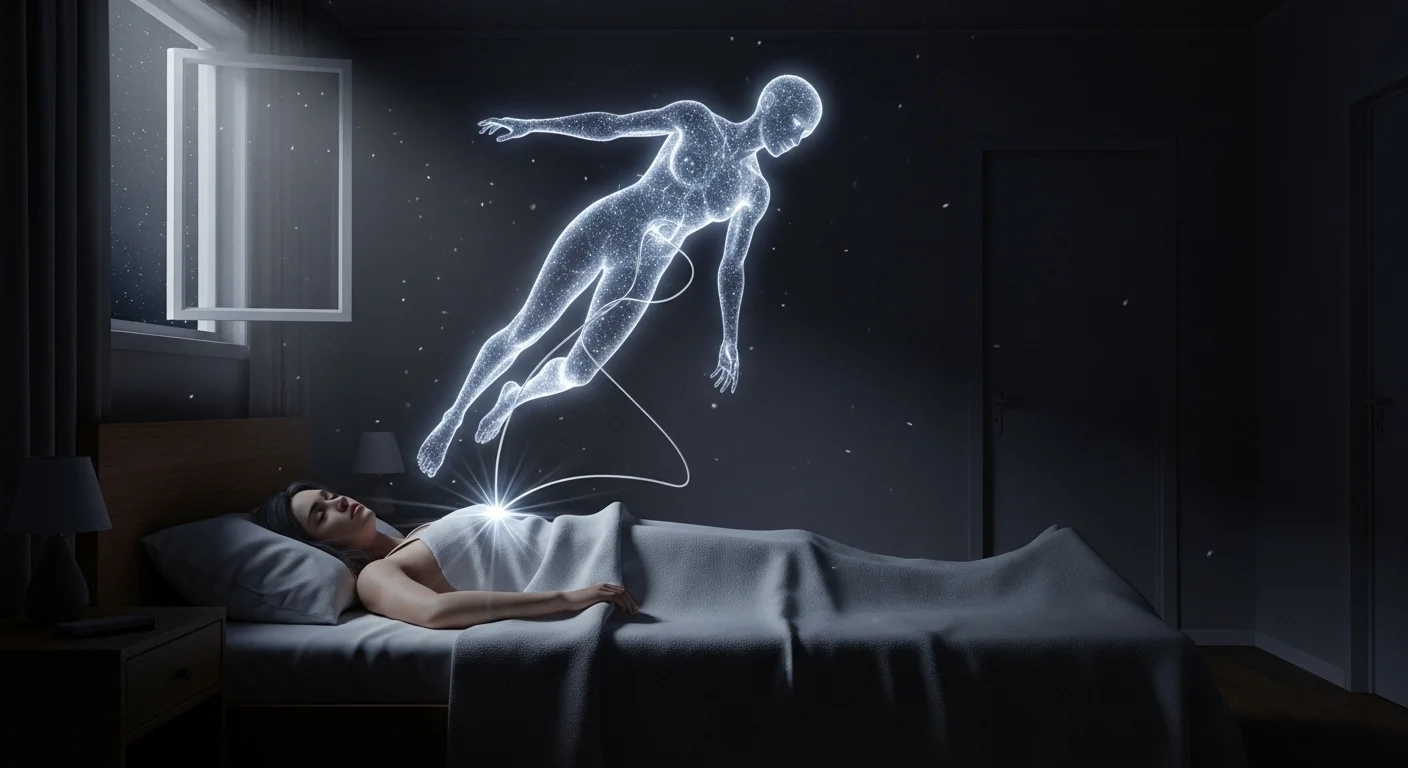
A common concept within these theories is the silver cord which connects the physical and astral bodies. This energetic link ensures that the two bodies remain attached during astral projection or sleep. If the waking process happens too quickly, the cord pulls the astral body back with force. This sudden retraction creates the specific physical sensation of falling or being pulled inward. These experiences are viewed as natural energetic mechanics rather than physical movement or hallucinations.
Techniques to Restore Physical Movement
One effective method to regain control involves focusing on small muscle groups. Attempting to move the entire body at once often fails during these episodes. Instead, concentrate your mental effort on moving a single finger or toe. You can also try to clench your fist or wiggle your toes gently. Once a small movement occurs, the paralysis usually breaks. This action signals the brain that the body is awake and helps to terminate the state of immobility.
Another technique utilizes the muscles that remain active during sleep paralysis. The eyes often retain the ability to move even when the limbs are frozen. Rapidly moving your eyes from side to side can help disrupt the paralysis. You can also try to scrunch your facial muscles or make a grimace. Some individuals find success by altering their breathing pattern. Taking deep, controlled breaths or coughing intentionally can engage the diaphragm and restore function to the larger muscles.
A psychological approach often works better than physical struggle. Panic can increase the duration of the episode and make the sensation more intense. The most practical strategy is to remain calm and wait for the phase to pass. You should acknowledge that the experience is temporary and physically harmless. Focus on relaxing your body rather than fighting the restraint. This reduction in anxiety allows the brain to transition fully into the waking state without further resistance.
our next step
If you already understand what astral projection is and you’re looking for practices that truly work, this e-book presents 35 tested techniques to induce out-of-body experiences. Each technique is explained clearly and directly, allowing you to choose the method that best fits your routine and level of awareness.
This material is ideal for those who want to apply objective and varied methods, speeding up the process of conscious out-of-body projection. It works for both beginners and practitioners who have already had experiences and want to expand their possibilities. This is a practical guide for anyone who wants consistent results.
If you are taking your first steps and want to understand the fundamentals of astral projection with clarity, this manual was created to make your learning easier. In it, you will find clear explanations about the subtle bodies, the stages of projection, the most common sensations, and how to deal with fear and mental blocks.
This e-book is recommended for anyone who needs a solid and safe foundation to start practicing with confidence. It organizes the concepts in a progressive way, helping you understand the process as a whole and develop a consistent and conscious practice.

For those who want more complete and in-depth guidance, the complete astral projection course offers structured lessons, guided practices, visualizations, advanced techniques, and ongoing support. The content was designed to take you from theory to practice with safety and consistency.
This course is suitable for all levels, from beginner to advanced, and provides a systematic approach based on years of research, experience, and proven results. You will learn how to awaken your potential, gain control of your experiences, and integrate spiritual insights into your daily life.