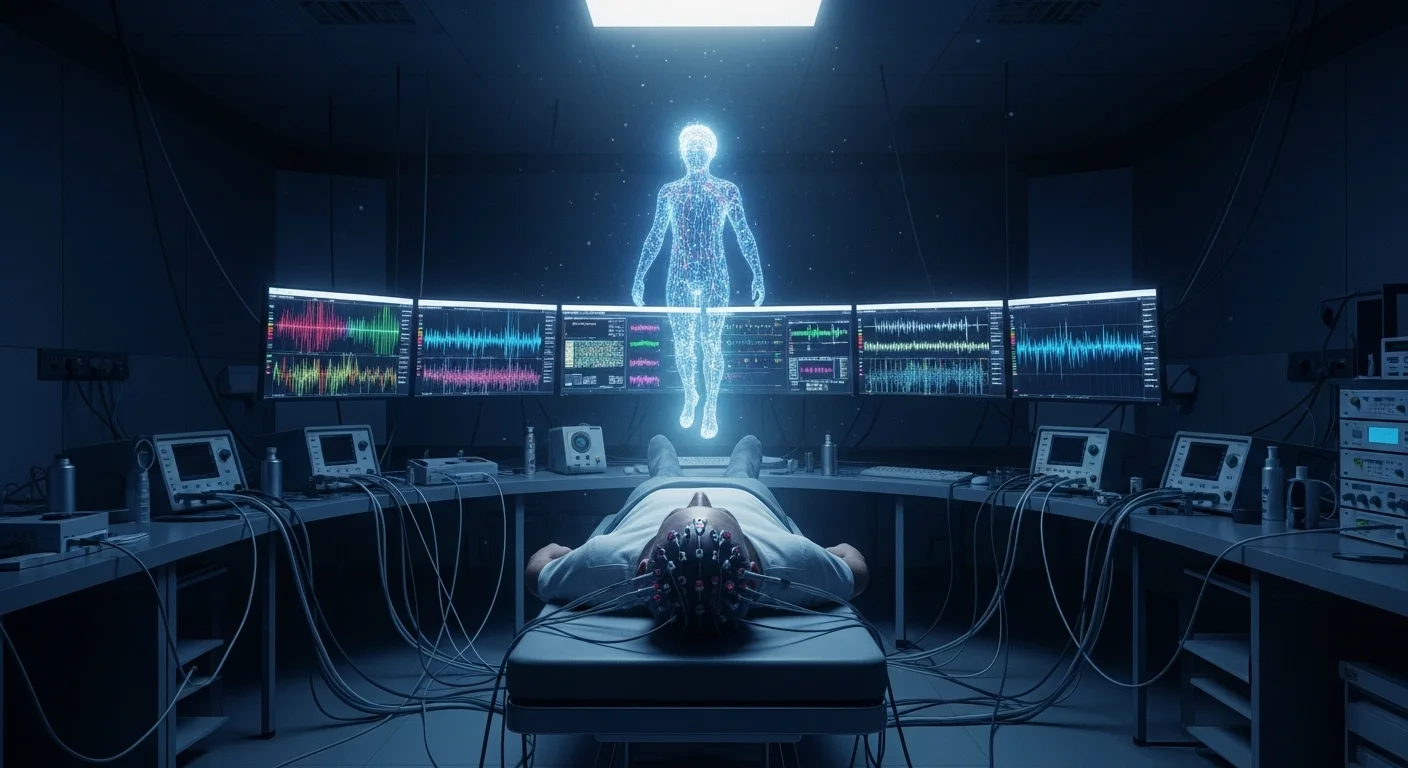
Déjà vu is a French phrase that translates literally to “already seen.” It describes the sudden and specific sensation that you have experienced a current situation before. This phenomenon occurs when a person feels a strong sense of familiarity with a completely new event or setting. Researchers classify this experience as a memory anomaly or a temporary illusion of recognition. The sensation is typically brief and usually happens while the individual is fully awake and conscious of their surroundings.
Déjà rêvé is a distinct phenomenon that translates from French as “already dreamed.” This term refers to the specific feeling that a real-life event was previously experienced in a dream. Unlike déjà vu, which feels like a repetition of a past waking event, déjà rêvé links the present moment directly to a specific memory of a dream. People often recall the actual dream content during the experience, providing a clear mental connection between the sleep state and reality.
It is important to distinguish between these two experiences to fully understand sleep-related memory phenomena. Déjà vu involves a vague sense of familiarity without a known source, whereas déjà rêvé identifies a past dream as the explicit origin of the feeling. Neurologists study both conditions to learn how the brain processes memory storage and sleep cycles. While déjà vu is more common, déjà rêvé provides specific insight into how dream memories persist and resurface during waking hours.

The Role of the Temporal Lobe in Sleep
The temporal lobe sits on the sides of the brain near the ears. This region is responsible for processing auditory information and encoding memories. It remains active while a person sleeps to help organize daily experiences. The temporal lobe works closely with the hippocampus during rest to turn short-term memories into long-term ones. This consolidation process ensures that important information is stored correctly. Any irregular activity in this area can impact how the brain perceives these memories.
Scientists have identified a strong link between the temporal lobe and déjà vu. This phenomenon often results from minor electrical disruptions or seizures in this specific area. These electrical anomalies can happen spontaneously during different stages of sleep. When neurons in the temporal lobe fire incorrectly, they generate a false sense of recognition. This neural error makes the brain believe that a current sensation or dream content is actually a memory from the past.
Activity in the temporal lobe increases significantly during Rapid Eye Movement sleep. This sleep stage involves vivid dreaming and emotional processing. The brain uses this time to integrate new information with existing knowledge. Sometimes, the brain fails to distinguish between a new dream and an old memory during this integration. This processing error creates the illusion of familiarity known as déjà vu. This biological mechanism explains why these confused sensations occur during rest.
Memory Consolidation Processes During REM Sleep
Rapid Eye Movement (REM) sleep is a critical stage of the sleep cycle characterized by increased brain activity. During this phase, the brain actively processes the information gathered throughout the day. It filters out temporary data and selects significant details for long-term storage. This biological function is essential for learning and maintaining cognitive health. Neuroscientists observe that the hippocampus and the neocortex communicate intensely during this period. This neural communication allows recent experiences to stabilize into permanent memories within the brain.
The process of memory consolidation involves the neural replay of specific events. The brain strengthens the connections between neurons that represent these memories. As the brain integrates new information with existing knowledge, it organizes data into a coherent narrative. Sometimes, this processing overlaps with dream states or partial awakenings. If the brain misfiles a memory during this transfer, it may create a sensation of familiarity. This processing error resembles déjà vu, where a new experience feels like a past occurrence.
Errors in the timing of memory transmission can lead to distinct cognitive confusion. When the brain processes a current dream or sensory input during REM sleep, it may accidentally bypass short-term memory systems. The information goes directly to long-term storage areas instead. Upon waking, the individual perceives this recent processing as an old memory. This neural mismatch results in the specific phenomenon of feeling déjà vu. Research suggests this is a minor functional delay rather than a neurological disorder.

Scientific Theories Explaining Deja Vu in Dreams
One primary theory links deja vu in dreams to the process of memory consolidation. During sleep, the brain actively organizes recent experiences and transfers them into long-term storage. Sometimes, a new dream scenario accidentally triggers a fragment of a similar existing memory. This neural overlap makes the dreamer feel as though they have witnessed the specific event previously. Researchers suggest this is a cognitive error where the brain mistakes a current dream narrative for a past event.
Another explanation involves a momentary delay in neural processing within the brain. Information travels through distinct pathways to reach the conscious mind during sleep states. If one pathway transmits dream imagery slightly faster than another, the brain processes the exact same information twice. The mind perceives the second arrival as a memory rather than a current experience. This transmission lag creates a false sensation of familiarity because the brain believes it has already encountered the scene.
A third scientific perspective focuses on the brain’s function as a simulation engine. The mind constructs various predictive models during sleep to prepare for potential real-world challenges. When a waking event closely matches one of these prior dream simulations, the individual experiences a sense of recognition. Scientists often classify this specific phenomenon as deja reve, or already dreamed. The sensation originates from a forgotten memory of a predictive scenario constructed during a previous sleep cycle.
Distinguishing Deja Vu from Precognitive Dreams
Deja vu is a specific sensation of familiarity that occurs during a waking experience. When related to sleep, a person feels they have dreamt the current situation before. This phenomenon is a trick of memory rather than a prediction of the future. The brain incorrectly flags a new event as a past memory. This process creates a convincing illusion that the individual dreamt of the specific moment days or weeks prior to it actually happening in reality.
Precognitive dreams are distinct because they involve specific details recalled before an event occurs. For a dream to be considered precognitive, the dreamer must remember the content clearly upon waking up. This memory exists before the real-life event takes place. If a person records a dream in a journal and that scenario later happens, it is labeled as precognition. Unlike deja vu, this experience relies on documented evidence rather than a sudden feeling of recognition during the event.
The primary difference between these two concepts lies in the timing of the memory. Deja vu is a retrospective error where the mind creates a false history during the event. In contrast, precognitive dreams involve a confirmed memory that precedes the physical occurrence. Scientists attribute deja vu to mismatched neural signals in the brain. Conversely, apparent precognitive dreams are often attributed to coincidence or the subconscious mind analyzing existing data to predict probable future outcomes.
Medical Conditions Associated with Sleep Phenomena
Certain neurological conditions can trigger sensations that resemble déjà vu during sleep or upon waking. Temporal lobe epilepsy is the most significant medical cause associated with this phenomenon. Seizures originating in the temporal lobe often produce intense feelings of familiarity or vivid memory flashbacks. These simple partial seizures can occur while a person is asleep or during the transition between sleeping and waking states. Patients may report these experiences as dreams that feel distinctively real and repetitive.
Narcolepsy is another disorder that frequently disrupts the boundary between sleep and wakefulness. Individuals with this condition often experience hypnagogic or hypnopompic hallucinations. These are vivid sensory perceptions that happen immediately before falling asleep or right after waking up. The brain enters the dreaming phase of sleep prematurely while the person is still conscious. This synchronization error creates confusing scenarios where dream content blends with reality, potentially leading to a false sense of recognition or déjà vu.
Mental health factors can also influence sleep phenomena and memory processing. Severe anxiety and chronic stress are known to fragment sleep cycles. This fragmentation interferes with how the brain consolidates memories during rest. Consequently, a tired brain may misfire when processing new information upon waking. Dissociative disorders also affect memory and perception. These conditions can cause a person to feel detached from their surroundings, creating a sensation that new events have happened before during a dream.
our next step
If you already understand what astral projection is and you’re looking for practices that truly work, this e-book presents 35 tested techniques to induce out-of-body experiences. Each technique is explained clearly and directly, allowing you to choose the method that best fits your routine and level of awareness.
This material is ideal for those who want to apply objective and varied methods, speeding up the process of conscious out-of-body projection. It works for both beginners and practitioners who have already had experiences and want to expand their possibilities. This is a practical guide for anyone who wants consistent results.
If you are taking your first steps and want to understand the fundamentals of astral projection with clarity, this manual was created to make your learning easier. In it, you will find clear explanations about the subtle bodies, the stages of projection, the most common sensations, and how to deal with fear and mental blocks.
This e-book is recommended for anyone who needs a solid and safe foundation to start practicing with confidence. It organizes the concepts in a progressive way, helping you understand the process as a whole and develop a consistent and conscious practice.

For those who want more complete and in-depth guidance, the complete astral projection course offers structured lessons, guided practices, visualizations, advanced techniques, and ongoing support. The content was designed to take you from theory to practice with safety and consistency.
This course is suitable for all levels, from beginner to advanced, and provides a systematic approach based on years of research, experience, and proven results. You will learn how to awaken your potential, gain control of your experiences, and integrate spiritual insights into your daily life.