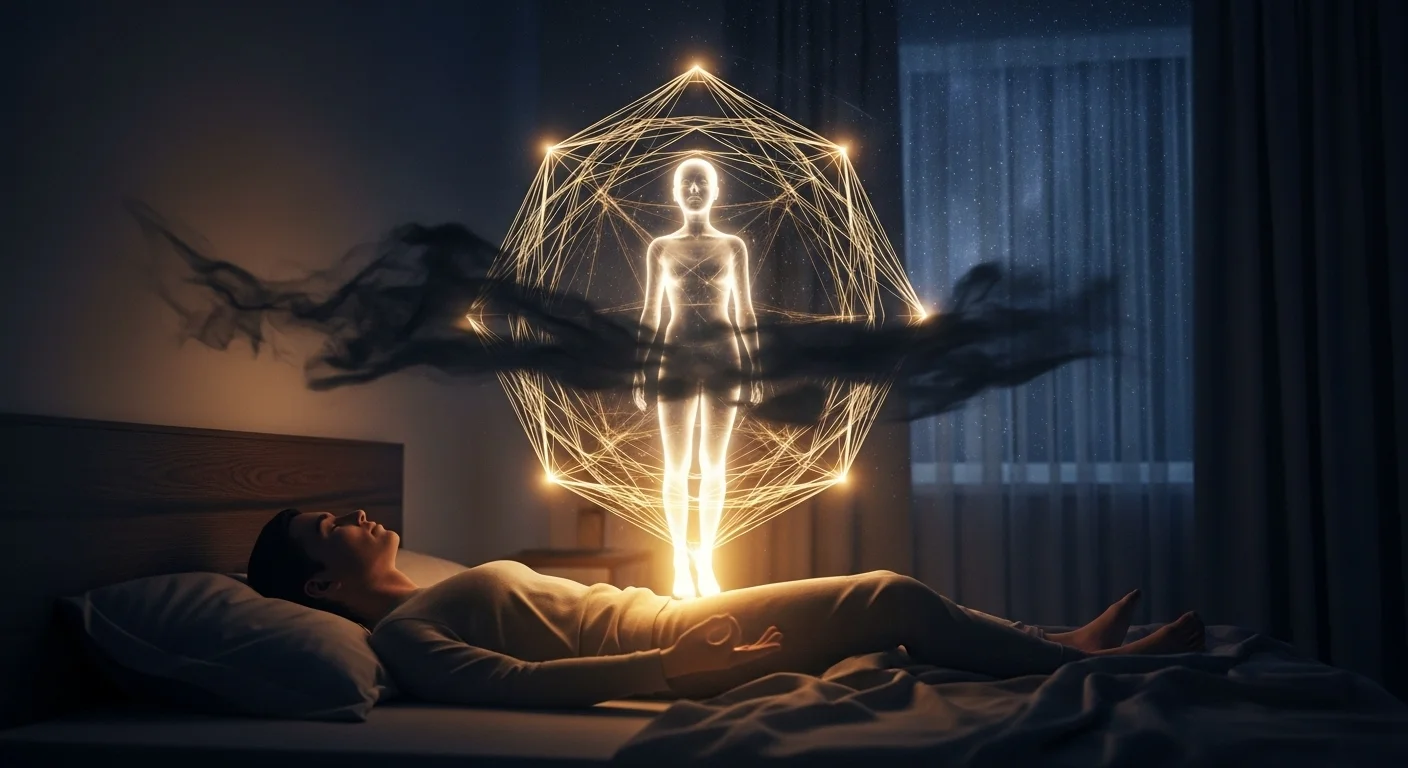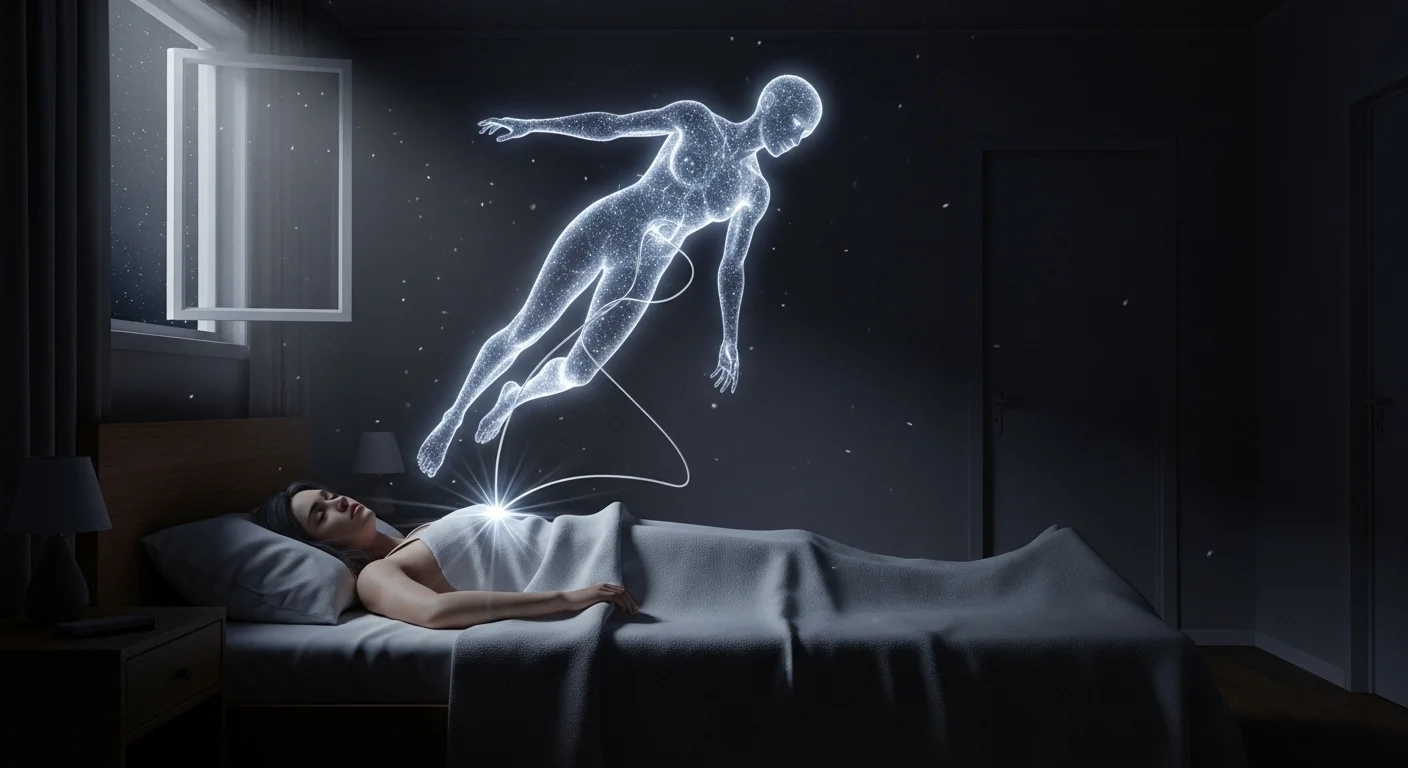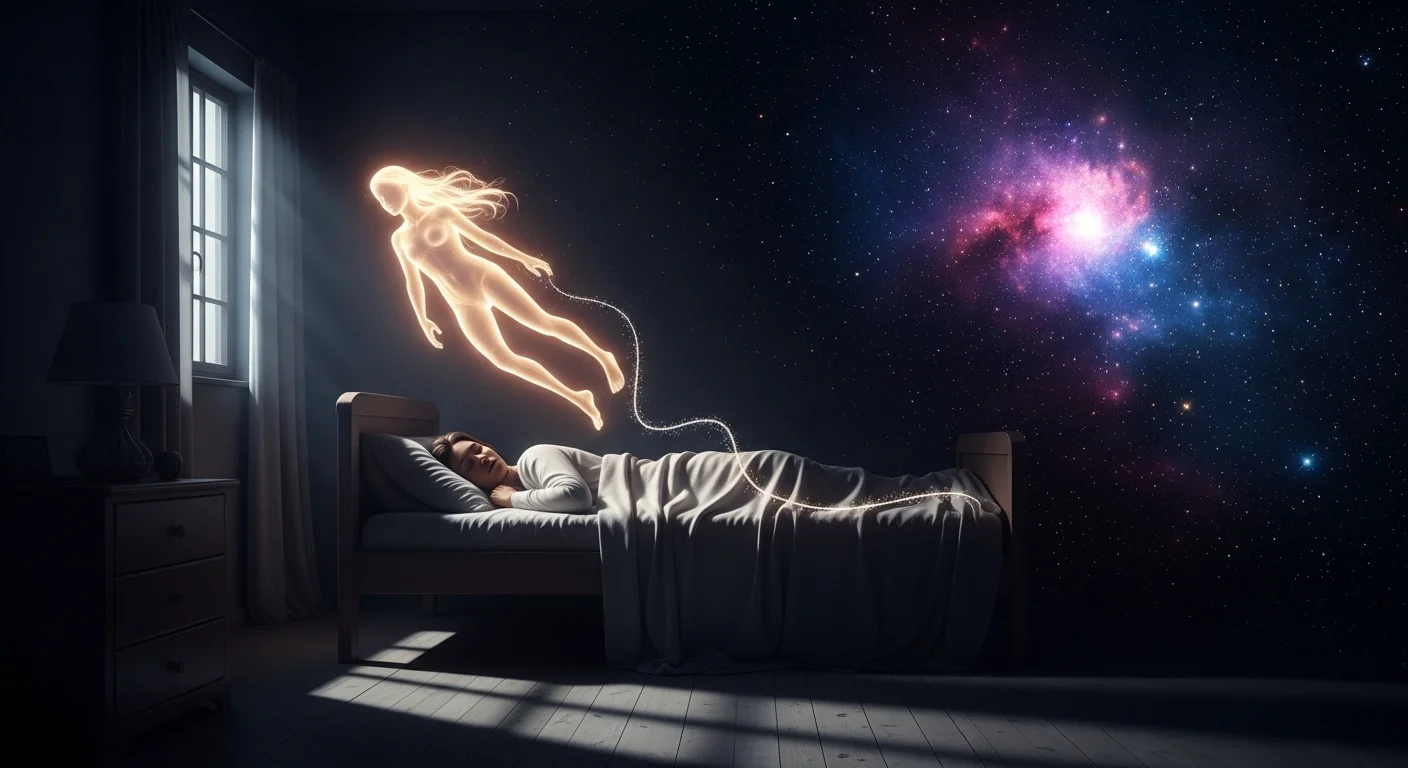
The sleep-wake cycle involves distinct transition periods where consciousness shifts. The first phase is the hypnagogic state, which occurs as an individual falls asleep. During this time, the brain moves from wakefulness into the initial stages of non-rapid eye movement sleep. This period is characterized by a mix of sensory experiences and muscle relaxation. It is common to experience visual or auditory sensations during this phase. This transition prepares the body for deep rest.
The hypnopompic state is the transition phase that takes place when waking up. This period occurs immediately after sleep ends but before full wakefulness begins. While similar to the hypnagogic state, the neural processes differ because the brain is emerging from rapid eye movement sleep. Consciousness returns gradually during this time. Individuals often retain lingering elements of dreams while regaining awareness of their physical surroundings. This state acts as a bridge back to full alertness.
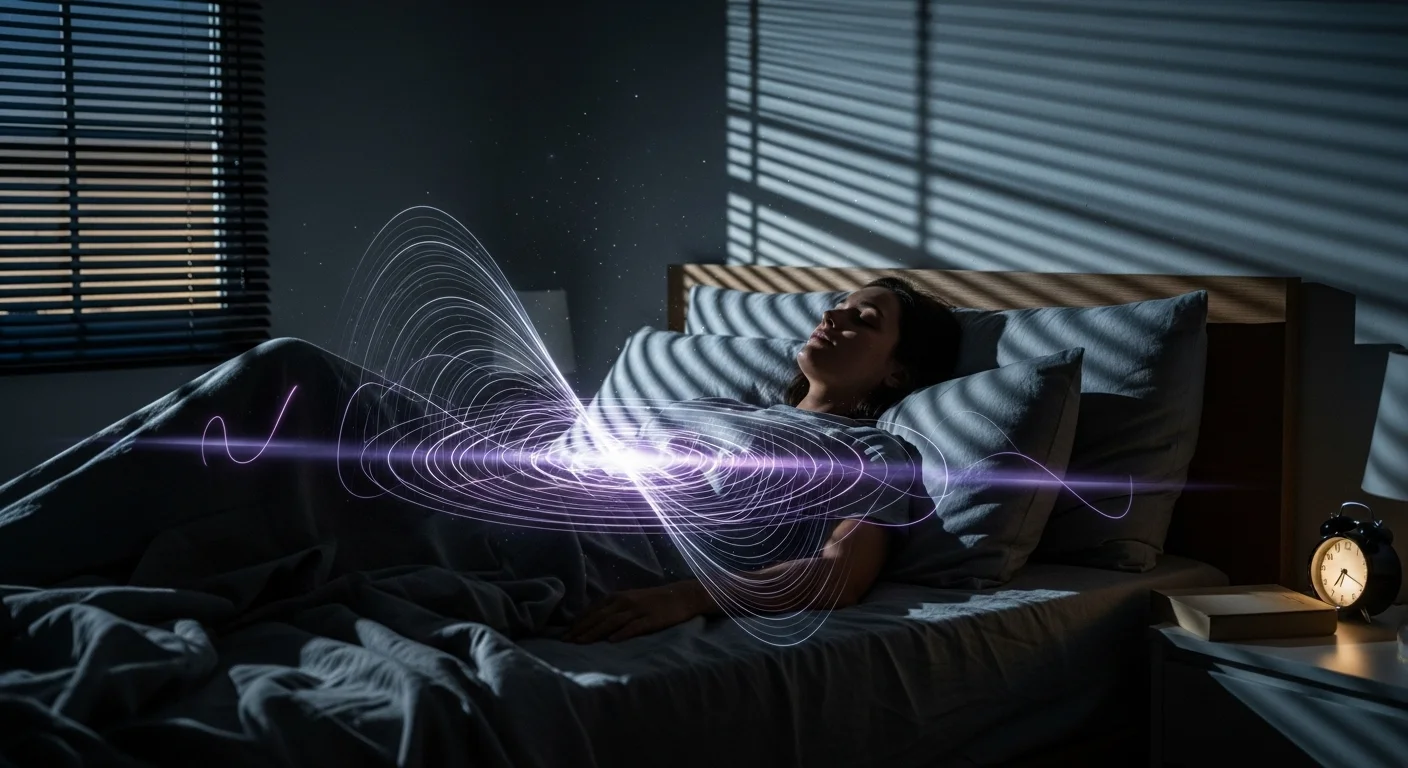
Both states involve distinct sensory phenomena that can affect perception. The brain may generate visual images, sounds, or physical sensations that feel real. Internal body vibrations are a frequent occurrence during these specific transitions. These sensations result from the temporary overlap between sleep paralysis mechanisms and waking consciousness. The nervous system is switching modes, which can cause involuntary muscle twitches or buzzing feelings. These experiences are generally considered normal physiological events.
Relationship Between Sleep Paralysis and Body Vibrations
Sleep paralysis occurs when the brain wakes up but the body remains asleep. This state involves muscle atonia, which prevents physical movement during REM sleep. Many individuals report intense vibrating sensations during these episodes. These vibrations are hallucinated sensory experiences created by the brain. They often happen during the transitions between wakefulness and sleep. The sensation can feel like an internal buzzing or a shaking of the entire body, even though no physical movement is actually taking place.
Scientists believe these vibration sensations result from conflicted signals in the brain. The vestibular system controls balance and spatial orientation. During sleep paralysis, this system may become active while sensory input from the body is blocked. The brain attempts to interpret these erratic signals without actual physical feedback. This confusion results in the perception of movement or buzzing. The motor cortex may also send signals to move muscles, but the body does not respond, causing the vibrating feeling.
These vibrations frequently occur alongside other sensory hallucinations common in sleep paralysis. A person might hear loud buzzing noises or see indistinct shapes while feeling the body vibrate. Although the experience can be startling, the vibrations are physically harmless. They are simply a byproduct of the sleep cycle transition. Understanding this biological connection helps reduce fear during an episode. The sensations typically fade once the body fully wakes up or transitions back into a deep sleep state.
Physical Causes of Internal Tremors During Sleep
The most common physical cause of body vibrations is the natural transition between wakefulness and sleep. During this phase, the brain signals the muscles to relax completely. Sometimes, this signal misfires, leading to sudden muscle contractions known as hypnagogic jerks. Additionally, sleep paralysis can occur when the mind wakes up before the body. This disconnect often creates a sensory hallucination that feels like buzzing, vibrating, or shaking inside the torso or limbs, even though no actual movement is happening.
Several neurological conditions can also trigger internal tremors during sleep or upon waking. Parkinson’s disease is frequently associated with internal vibrations that occur when the muscles are at rest. Multiple sclerosis may cause similar sensations due to damage within the central nervous system. Essential tremor is another disorder that creates involuntary shaking, which can be felt internally. These medical issues affect how nerves communicate with muscles, resulting in distinct physical sensations of vibration without visible external shaking.
High levels of stress and anxiety are significant physical factors that contribute to internal trembling. When the body is stressed, it releases hormones like adrenaline and cortisol, which keep the nervous system in a heightened state of arousal. This physical tension can manifest as a vibrating sensation during rest. Furthermore, consuming excessive amounts of caffeine or lacking sufficient sleep can overstimulate the nervous system. This overstimulation often leads to muscle fatigue and internal tremors during the sleep cycle.
Impact of Anxiety and Stress on Sleep Transitions
High levels of anxiety disrupt the body’s ability to relax during sleep transitions. When a person is stressed, the body releases cortisol and adrenaline. These chemicals keep the nervous system in a state of high alert. This arousal prevents the brain from shifting smoothly from wakefulness to sleep. Consequently, the muscles remain tense while the sensory system stays active. This heightened state increases the likelihood of experiencing physical sensations like vibrations or tremors as the body attempts to shut down.
During the hypnagogic state, anxiety can amplify normal physiological processes. The brain may misinterpret muscle relaxation as a signal of danger or falling. This misinterpretation often triggers sudden muscle contractions or internal buzzing feelings. These vibrations are common symptoms of a hyper-stimulated nervous system. Individuals with chronic stress report these sensations more frequently than relaxed individuals. The vibration sensation is essentially a result of the brain remaining too active while the body tries to enter a paralyzed sleep state.
Experiencing these vibrations often creates a feedback loop of worry. A person may feel the vibration, become frightened, and wake up fully. This reaction releases more stress hormones, which makes falling back asleep difficult. The fear of the sensation occurring again keeps the brain alert. This cycle can lead to sleep fragmentation or insomnia. Reducing overall stress levels through relaxation techniques is the most effective way to stop these anxiety-induced physical sensations during the transition to sleep.
Neurological Conditions That May Cause Vibrations
Multiple sclerosis is a central nervous system disease that frequently causes internal vibration sensations. This condition damages the protective covering of nerves, known as the myelin sheath. When this damage occurs, the electrical signals between the brain and the body become disrupted. Many patients report feeling a buzzing or trembling sensation in their limbs or torso. These sensations often happen without any visible shaking. This specific symptom is a form of paresthesia and indicates underlying nerve issues.
Parkinson’s disease is another neurological disorder associated with vibrating sensations. While this condition usually presents with visible tremors, patients often experience internal tremors first. These internal vibrations feel like a shaking inside the chest or abdomen that others cannot see. This symptom results from a lack of dopamine in the brain, which affects muscle control. These sensations can occur when the body is at rest, including the moments before falling asleep or immediately upon waking up.
Certain forms of epilepsy or focal seizures may also manifest as vibrational feelings. During a simple partial seizure, electrical disturbances in the brain can create sensory hallucinations. A person might feel a buzzing or tingling wave move through their body. Unlike generalized seizures, consciousness is usually maintained during these episodes. If these vibrations occur frequently or accompany other symptoms like muscle weakness, a consultation with a neurologist is necessary to identify the specific neurological cause.
Diagnosis and Medical Treatment Options
Diagnosing body vibrations during sleep transitions begins with a comprehensive medical history. A doctor will evaluate current medications, sleep habits, and stress levels to identify potential triggers. They may request a sleep diary to track patterns over several weeks. If a neurological condition or a specific sleep disorder like narcolepsy is suspected, the physician will likely order a sleep study. This test monitors brain waves and muscle activity to rule out underlying issues such as sleep apnea or seizures.
Medical treatment depends entirely on the specific root cause identified during the diagnosis. If the vibrations stem from sleep deprivation or anxiety, a doctor will prescribe improved sleep hygiene practices and relaxation techniques. For confirmed sleep disorders like narcolepsy or restless legs syndrome, prescription medications are often necessary to regulate the sleep-wake cycle. In cases involving sleep apnea, using a continuous positive airway pressure machine helps stabilize breathing and may reduce the frequency of these sensory disturbances.
When diagnostic tests point to psychological factors such as severe stress or panic disorders, treatment plans may include cognitive behavioral therapy. Psychiatrists might prescribe antidepressants or anti-anxiety medications to stabilize mood and suppress hypnagogic hallucinations. If the vibrations relate to a neurological condition like Parkinson’s disease or multiple sclerosis, the focus shifts to managing the primary disease with specialized drugs. Patients should always consult a healthcare professional before starting any new treatment or changing current medication regimens.
our next step
If you already understand what astral projection is and you’re looking for practices that truly work, this e-book presents 35 tested techniques to induce out-of-body experiences. Each technique is explained clearly and directly, allowing you to choose the method that best fits your routine and level of awareness.
This material is ideal for those who want to apply objective and varied methods, speeding up the process of conscious out-of-body projection. It works for both beginners and practitioners who have already had experiences and want to expand their possibilities. This is a practical guide for anyone who wants consistent results.
If you are taking your first steps and want to understand the fundamentals of astral projection with clarity, this manual was created to make your learning easier. In it, you will find clear explanations about the subtle bodies, the stages of projection, the most common sensations, and how to deal with fear and mental blocks.
This e-book is recommended for anyone who needs a solid and safe foundation to start practicing with confidence. It organizes the concepts in a progressive way, helping you understand the process as a whole and develop a consistent and conscious practice.

For those who want more complete and in-depth guidance, the complete astral projection course offers structured lessons, guided practices, visualizations, advanced techniques, and ongoing support. The content was designed to take you from theory to practice with safety and consistency.
This course is suitable for all levels, from beginner to advanced, and provides a systematic approach based on years of research, experience, and proven results. You will learn how to awaken your potential, gain control of your experiences, and integrate spiritual insights into your daily life.