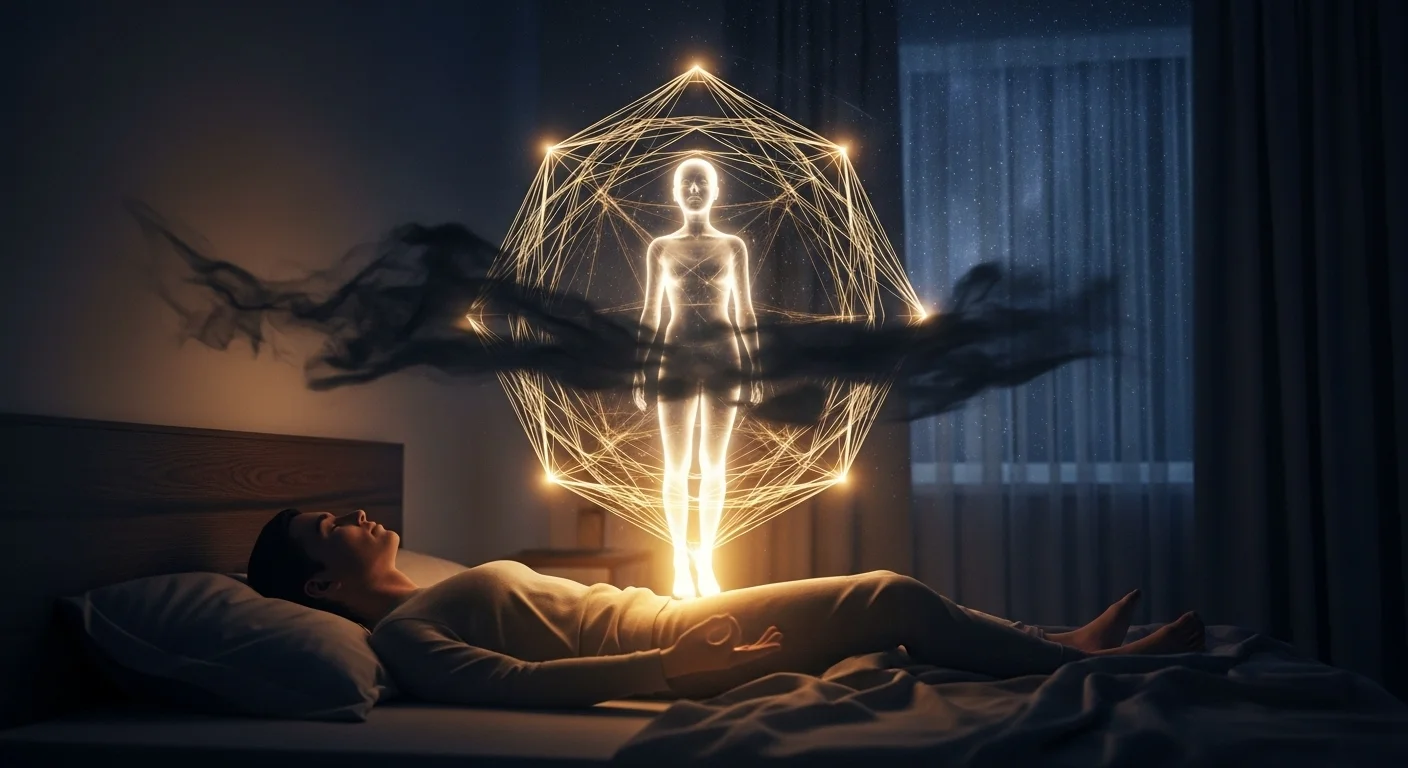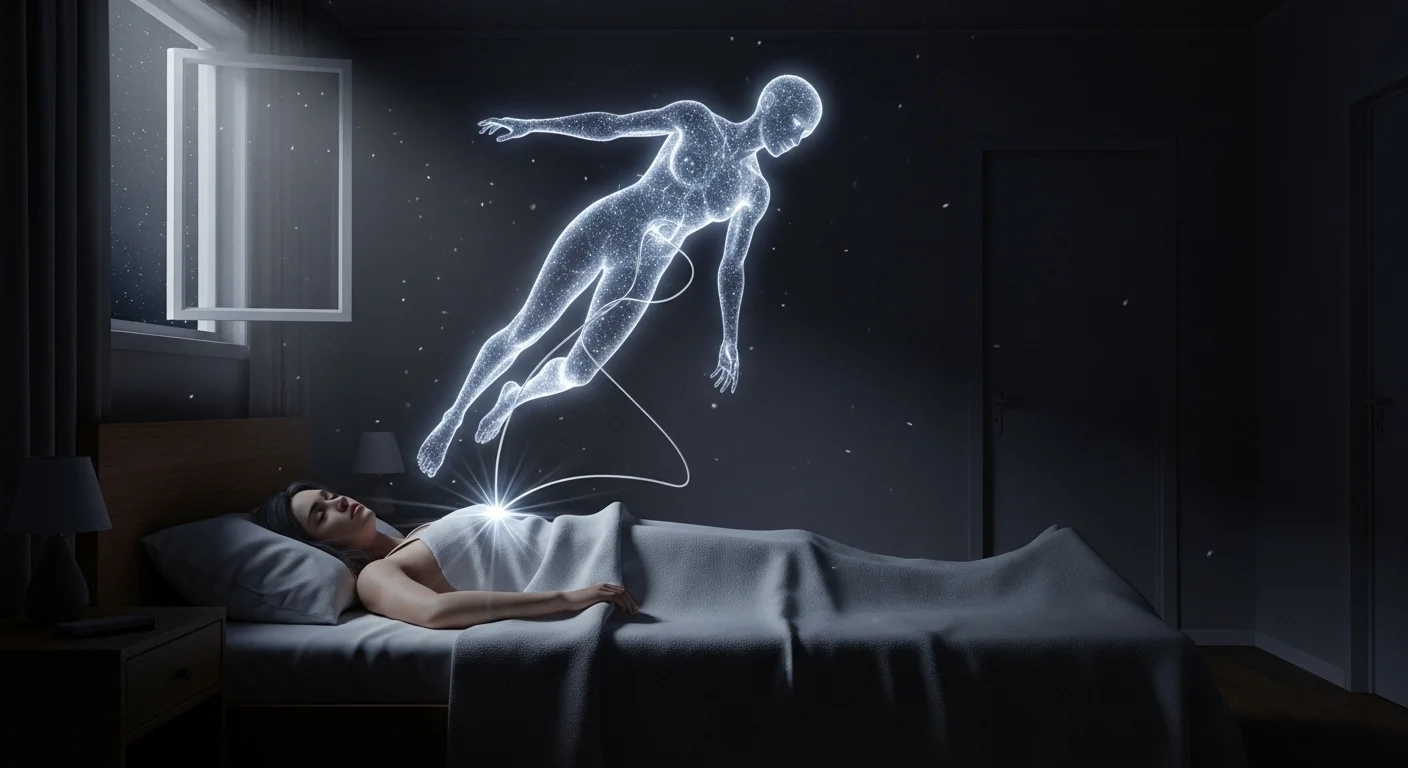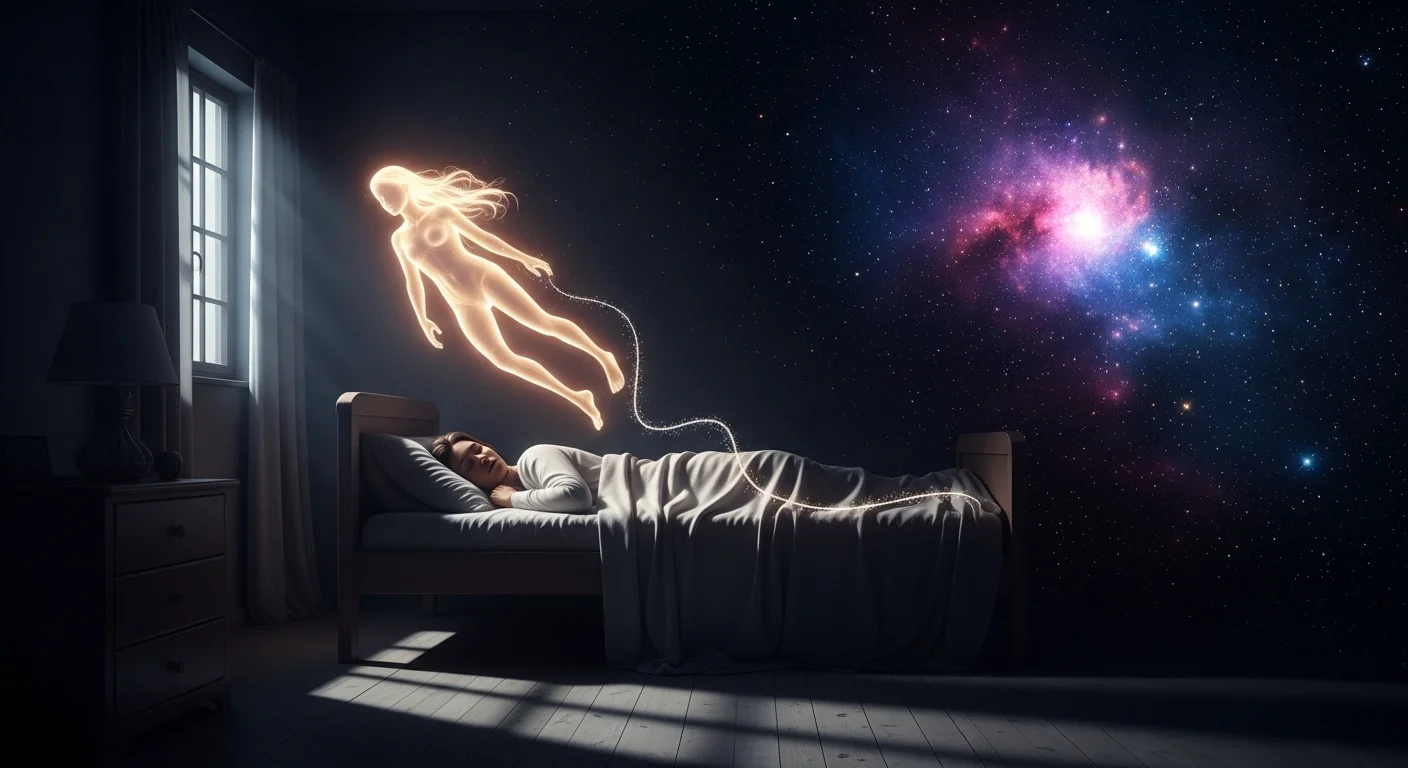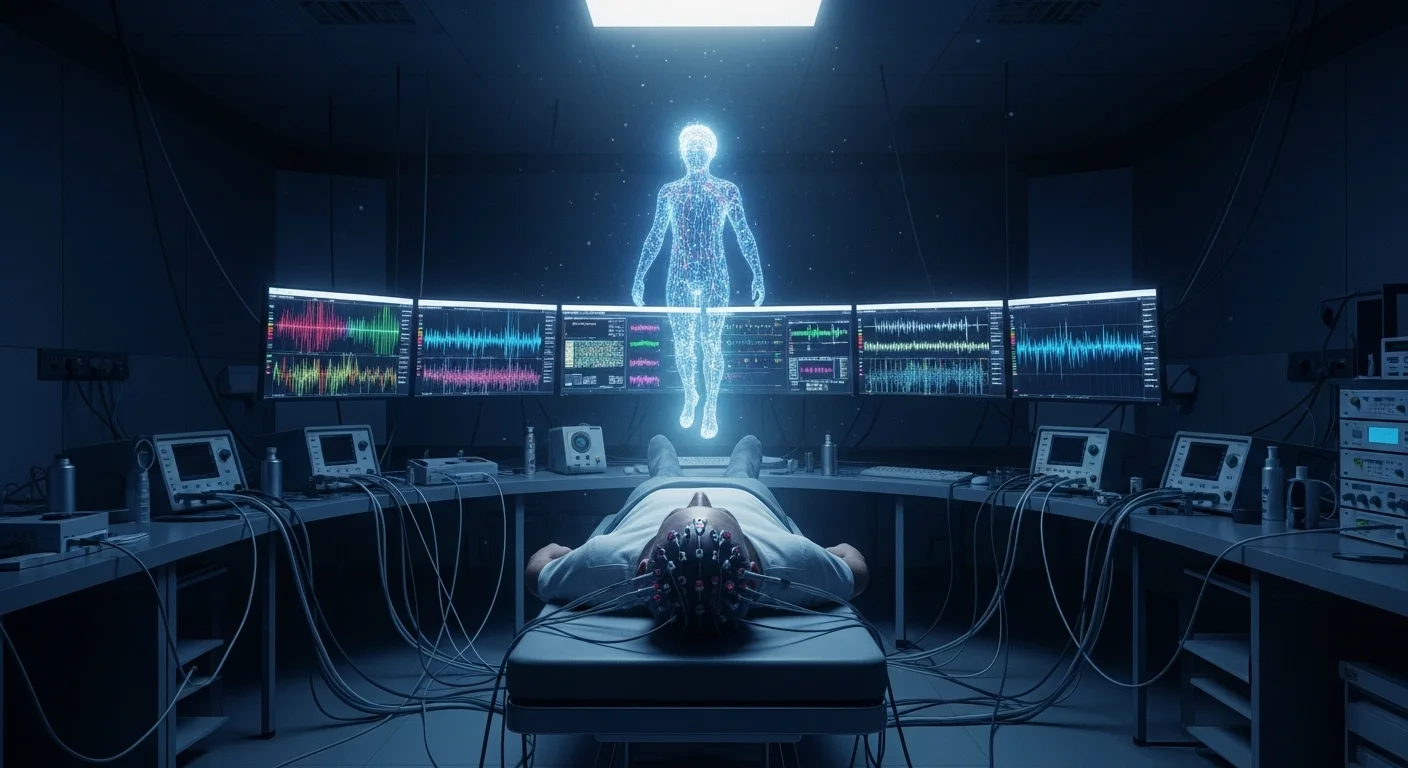
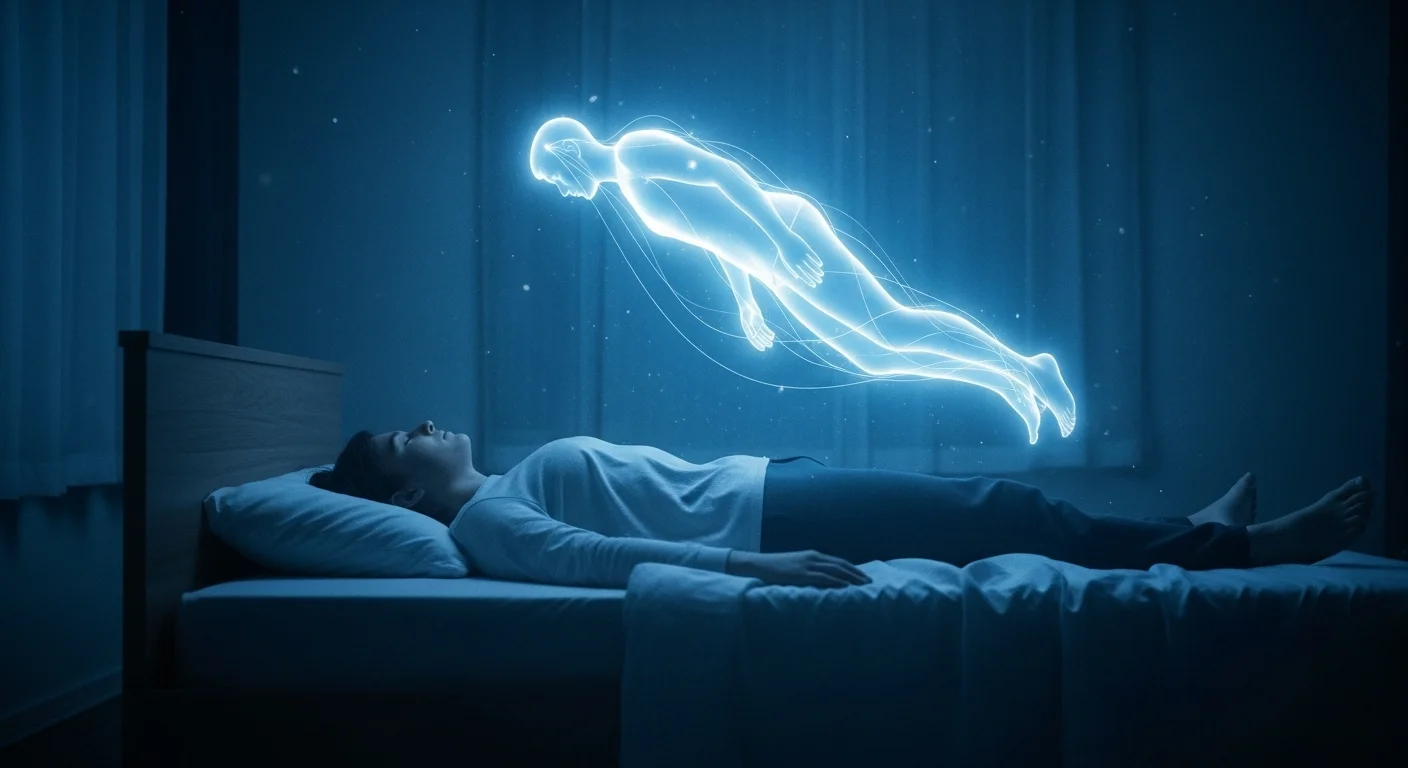
An out-of-body experience is a phenomenon where a person feels detached from their physical body. The individual perceives the world from a location outside their physical self. This vantage point is usually elevated and offers a view of the actual body from a distance. The experience feels realistic to the person involved and involves a clear shift in the center of consciousness. It differs from dreaming because the subject maintains a high level of mental alertness.
Researchers categorize these events using three distinct features. The first feature is the sensation of disembodiment, where consciousness leaves the biological body. The second feature is the change in perspective to a location outside the body. The third feature is autoscopy, which means seeing one’s own body from this external point of view. These components must occur simultaneously for the event to be classified as a standard out-of-body experience in scientific and clinical studies.
This phenomenon occurs in various medical and non-medical contexts. People often report these experiences during near-death situations or severe physical trauma. However, they also happen during sleep paralysis or deep relaxation states. Neurological studies show that specific brain functions related to sensory integration are temporarily disrupted. The definition does not imply a paranormal event but describes a specific alteration in self-perception. It is a documented sensory illusion rather than a confirmed physical separation.
Neurological Explanations for the Phenomenon
Scientists identify the temporoparietal junction as a critical area for out-of-body experiences. This region of the brain processes sensory information from the ears, eyes, and skin. When this area functions incorrectly, the brain fails to integrate visual and tactile signals properly. This failure disrupts the sense of self-location in physical space. Consequently, an individual perceives their consciousness as separate from their physical body. Researchers can even stimulate this area electrically to reproduce these sensations in clinical settings.
Another neurological factor involves the vestibular system, which controls balance and spatial orientation. Disturbances in the inner ear can send conflicting signals to the brain. If the vestibular signals do not match visual input, the brain attempts to resolve the conflict. It constructs a new perspective to make sense of the disagreement. This often results in the sensation of floating or viewing the body from above. These sensory mismatches frequently occur during sleep paralysis or near-death experiences.
Medical studies also link these experiences to specific brain disorders and external chemical factors. Patients with epilepsy often report viewing themselves from an external point during seizures. This phenomenon is known as autoscopy. Additionally, anesthetic drugs like ketamine block sensory input channels in the brain. This blockage prevents the mind from anchoring itself to physical sensations. The resulting dissociation proves that these events have a biological basis rather than a supernatural origin.
The Connection to Sleep Disorders
Research indicates a strong relationship between out-of-body experiences and specific sleep disturbances. The most common condition associated with these events is sleep paralysis. This state occurs when a person wakes up during the rapid eye movement phase of sleep but cannot move their muscles. The brain remains active while the body stays immobile. During this disconnect, the brain may misinterpret sensory signals. This confusion often leads to vivid hallucinations and the specific sensation of floating or leaving the physical body.
Narcolepsy is another sleep disorder frequently linked to these phenomena. Patients with narcolepsy experience fragmented sleep and sudden onset of the rapid eye movement stage. This disruption allows dream-like hallucinations to intrude into waking consciousness. These intrusions can affect the vestibular system, which controls balance and spatial orientation. When this system functions incorrectly during the transition between sleep and wakefulness, the brain struggles to locate the body in space. This error creates the perception of being outside the physical self.
Scientists explain this connection through failures in sensory integration. During normal sleep, the brain inhibits motor commands to prevent physical movement. In sleep disorders, this inhibition persists while the mind becomes alert. The brain sends signals to move, but the body does not respond. This conflict creates a sensory mismatch between intended movement and actual feedback. The temporoparietal junction attempts to resolve this conflict. The result is a constructed reality where the conscious self appears to separate from the paralyzed body.
Psychological Factors and Dissociation
Research suggests that intense psychological stress or trauma can trigger out-of-body experiences. When the mind encounters a threatening situation, it may detach from the physical body as a defense mechanism. This reaction helps the individual distance themselves from pain or fear. Studies show a higher frequency of these events in people with a history of physical abuse or severe emotional distress. The brain creates a sensation of separation to protect the conscious mind from overwhelming stimuli during these critical moments.
Dissociation is a primary psychological factor linked to these experiences. It involves a disruption in the normal integration of consciousness, memory, and identity. Out-of-body experiences often manifest as a form of depersonalization. In this state, a person feels like an outside observer of their own thoughts or body. Clinical observations indicate that individuals prone to dissociative disorders report these sensations more frequently. The brain temporarily disrupts the cohesive sense of self, leading to the perception of existing externally.
Certain personality traits also play a significant role in the occurrence of out-of-body experiences. Individuals who demonstrate high levels of absorption or fantasy proneness are more susceptible to these events. These traits involve a deep focus on mental imagery and internal sensations. Consequently, the brain may misinterpret internal signals as external reality. When the sense of body ownership becomes unstable due to these psychological tendencies, the mind constructs a perspective that is separate from the physical location of the body.
Impact of Medication and Substance Use
Certain chemical substances can induce states where individuals feel detached from their physical bodies. Dissociative anesthetics, such as ketamine and phencyclidine, are frequently cited in clinical reports regarding these experiences. These drugs primarily affect the N-methyl-D-aspartate receptors in the brain. When these receptors are blocked, the transmission of sensory information is disrupted. This disruption prevents the brain from integrating bodily sensations correctly, leading to the perception of separation between the self and the physical form.
Classical psychedelic substances, including LSD and psilocybin, also trigger out-of-body episodes through different neural pathways. These compounds interact mainly with serotonin receptors located in the cortex of the brain. The activation of these receptors alters how the brain processes visual and spatial information. Consequently, a user may perceive their location as being outside their actual physical coordinates. This altered state of consciousness demonstrates how specific chemical changes in the brain directly influence self-perception and body awareness.
Beyond recreational substances, standard prescription medications can cause similar dissociative effects as unintended side effects. Patients taking strong opioids for pain relief or certain sedatives sometimes report feelings of floating or detachment. These experiences often occur during the onset of the drug’s action or during withdrawal phases. The chemical alteration of the central nervous system impacts the temporal-parietal junction. This specific brain region is responsible for assembling sensory data, and its impairment results in errors in body ownership.
Medical Assessment and Professional Help
Most out-of-body experiences are isolated events and do not pose a danger to health. However, you should seek professional advice if these episodes happen frequently or cause significant distress. A medical assessment is necessary to rule out underlying physical or mental health conditions. A general practitioner usually conducts the initial evaluation. They will examine your medical history and current symptoms. If needed, they will refer you to a specialist for further investigation.
Specialists use specific diagnostic tools to understand the biological cause of these sensations. A neurologist often orders an electroencephalogram to measure electrical activity in the brain. This test helps identify conditions like temporal lobe epilepsy. Magnetic resonance imaging scans may also be used to detect structural abnormalities. Doctors also investigate sleep disorders, such as narcolepsy or sleep paralysis. These medical tests ensure that the experience is not a symptom of a serious neurological injury or disease.
Treatment depends entirely on the root cause identified during the medical assessment. If the cause is a condition like epilepsy or migraines, doctors prescribe medication to control the symptoms. For sleep-related issues, professionals recommend changes to sleep habits and lifestyle. In cases where no physical illness exists, psychological counseling is beneficial. Therapy helps individuals manage anxiety or stress associated with the event. Understanding the scientific basis of the experience often reduces fear and improves well-being.
our next step
If you already understand what astral projection is and you’re looking for practices that truly work, this e-book presents 35 tested techniques to induce out-of-body experiences. Each technique is explained clearly and directly, allowing you to choose the method that best fits your routine and level of awareness.
This material is ideal for those who want to apply objective and varied methods, speeding up the process of conscious out-of-body projection. It works for both beginners and practitioners who have already had experiences and want to expand their possibilities. This is a practical guide for anyone who wants consistent results.
If you are taking your first steps and want to understand the fundamentals of astral projection with clarity, this manual was created to make your learning easier. In it, you will find clear explanations about the subtle bodies, the stages of projection, the most common sensations, and how to deal with fear and mental blocks.
This e-book is recommended for anyone who needs a solid and safe foundation to start practicing with confidence. It organizes the concepts in a progressive way, helping you understand the process as a whole and develop a consistent and conscious practice.

For those who want more complete and in-depth guidance, the complete astral projection course offers structured lessons, guided practices, visualizations, advanced techniques, and ongoing support. The content was designed to take you from theory to practice with safety and consistency.
This course is suitable for all levels, from beginner to advanced, and provides a systematic approach based on years of research, experience, and proven results. You will learn how to awaken your potential, gain control of your experiences, and integrate spiritual insights into your daily life.