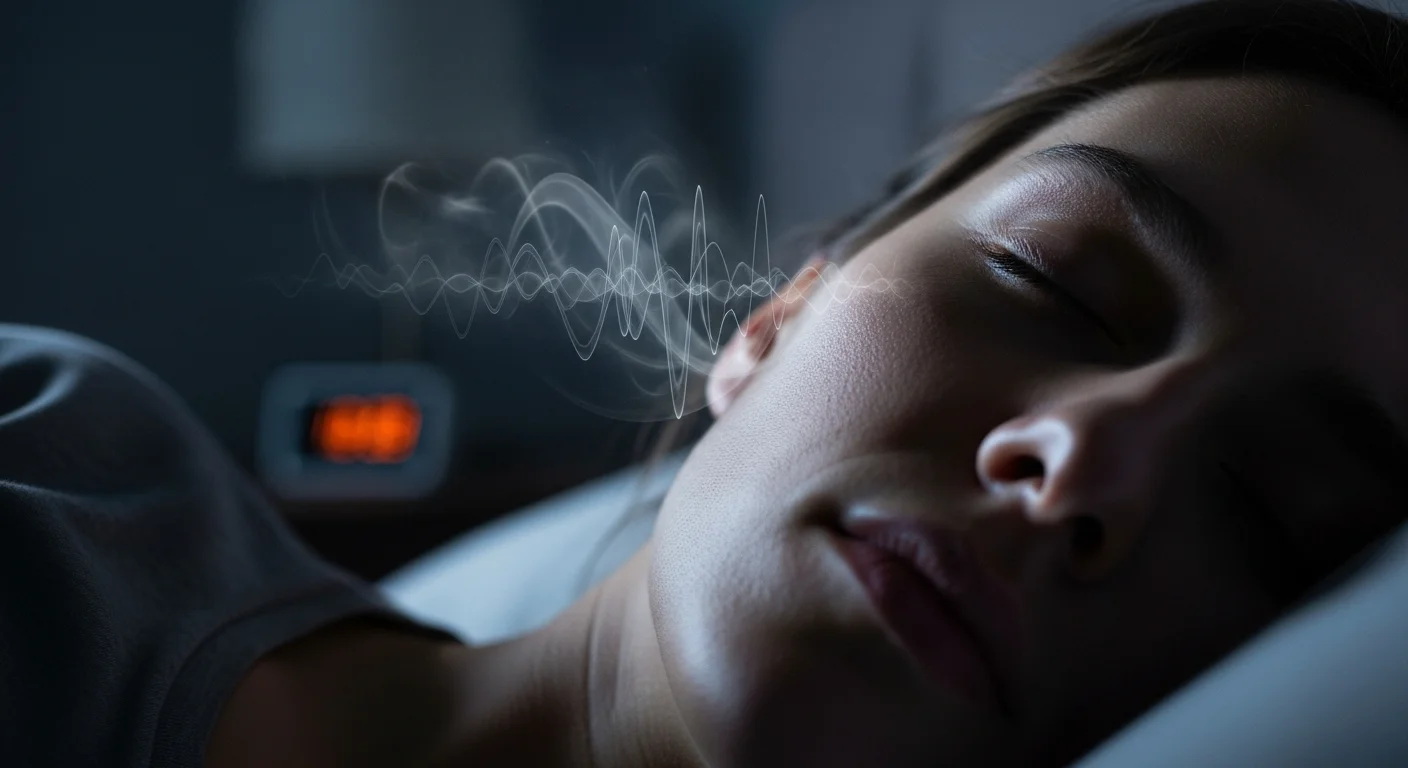
Hypnagogic auditory hallucinations are sensory perceptions that occur while a person falls asleep. These experiences happen during the transition state between wakefulness and sleep, which is known as hypnagogia. Individuals hear sounds that have no external physical source in the surrounding environment. These sounds are created entirely by the brain but feel very real to the person experiencing them. This condition is distinct from hypnopompic hallucinations, which occur when a person wakes up in the morning.
The content of these hallucinations varies significantly among different people. Common auditory sensations include hearing a voice calling one’s name, telephone ringtones, banging noises, or indistinct whispers. The sounds range from faint and muffled noises to loud and startling crashes. Most individuals perceive these sounds as originating from within the room or right next to their ears. Despite the lack of an external stimulus, the auditory inputs register as authentic sensory data in the brain.
Medical professionals generally consider these hallucinations to be a benign sleep phenomenon. They usually do not indicate an underlying mental health disorder or a neurological problem. Studies suggest that a large percentage of the general population experiences these auditory events at least once in their lifetime. Stress, irregular sleep schedules, and exhaustion often increase the frequency of these episodes. Doctors typically treat the condition only if the sounds cause significant anxiety or disrupt the sleep cycle.
Common Characteristics of Voices Heard During Sleep Onset
The auditory hallucinations experienced during the transition to sleep vary significantly between individuals. Some people report hearing clear and distinct speech, while others hear mumbled or indistinguishable whispers. These sounds may appear to originate from inside the head or from an external source within the room. It is common for the voice to sound like a familiar person, such as a family member calling a name, but the voice can also sound like a complete stranger.
The content of these auditory experiences is usually fragmented and rarely forms a coherent conversation. Listeners frequently hear their own name being called out, which often causes them to wake up fully. Other times, the voices speak short, random sentences or nonsense phrases that have no logical context. The speech is typically brief and does not engage the listener in a dialogue. The messages are generally neutral, though some individuals may occasionally hear aggressive or commanding words.
These auditory sensations are fleeting and usually last only a few seconds before fading away. Individuals remain aware that the sounds are not real once they regain full wakefulness. This distinction is important because it separates sleep-related hallucinations from symptoms of mental health disorders. While the experience can be startling or confusing, it is generally harmless and does not indicate an underlying medical problem. Most people realize quickly that their brain produced the sound during the sleep process.
Neurological Causes of Hearing Sounds at Night
The primary neurological cause for hearing sounds while falling asleep is a phenomenon known as hypnagogic hallucination. This state occurs during the transition between wakefulness and sleep. During this brief period, the brain remains partially active while beginning the shutdown process for rest. The auditory cortex may spontaneously generate signals that the conscious mind interprets as external sounds. These hallucinations are common and usually considered a normal part of the sleep cycle rather than a sign of illness.
Another factor involves how the brain processes internal information in the absence of external stimuli. As the environment becomes quiet at night, the brain receives less sensory input from the ears. In response to this silence, the neural networks may amplify internal noise or random electrical activity. The brain attempts to organize this random activity into recognizable patterns, such as voices or whispers. This process is functional and demonstrates the brain’s constant need to interpret data.
Specific neurological conditions can also trigger these auditory experiences. Exploding Head Syndrome causes a person to hear a loud crash or bang right before sleep. This happens due to a delay in shutting down specific parts of the brain’s reticular formation. Sleep paralysis is another condition where the brain wakes up but the body remains immobile, often resulting in auditory hallucinations. These events indicate minor disruptions in the neurological transition between sleeping and waking states.
Distinguishing Sleep Phenomena from Mental Health Disorders
Auditory hallucinations that occur while falling asleep are known as hypnagogic hallucinations. These experiences are common and usually considered a normal part of the sleep cycle. The brain processes sensory information differently during the transition from wakefulness to sleep. Unlike mental health disorders, these sounds happen only during this specific window of time. They do not persist throughout the day or interfere with daily activities. Recognizing this specific timing is crucial because it helps identify the experience as a benign sleep phenomenon.
Auditory hallucinations related to mental health conditions exhibit different patterns. These voices often appear when the individual is fully awake and alert. They may comment on actions, give commands, or converse with one another. Such experiences frequently occur alongside other symptoms, such as delusions or disorganized thinking. If the voices cause significant distress or disrupt social functioning, they likely indicate a medical concern. A mental health disorder typically presents a complex set of symptoms that extends beyond simple sounds.
Differentiating between these two categories requires attention to the environment and the state of consciousness. Sleep-related sounds are isolated events that happen in bed. In contrast, psychiatric symptoms affect the individual in various settings. If you are unsure about the nature of these sounds, you should consult a medical professional. A doctor or sleep specialist can review your medical history to provide an accurate diagnosis. Proper assessment ensures that normal sleep occurrences are not mistaken for a psychiatric illness.
Risk Factors Including Stress and Sleep Deprivation
High levels of daily stress act as a primary trigger for auditory hallucinations during the transition to sleep. When the brain remains hyperactive due to anxiety or worry, it often fails to relax completely. This state of heightened alertness can cause the mind to misinterpret internal thoughts as external sounds or voices. Individuals experiencing significant life pressure report these occurrences more frequently than those who are relaxed. Reducing mental strain is usually necessary to decrease the frequency of these episodes.
Sleep deprivation significantly disrupts normal neurological function and increases the likelihood of hearing voices while falling asleep. When a person accumulates a sleep deficit, the brain attempts to enter the dream stage too quickly. This rapid transition causes elements of dreaming to intrude into the waking state before sleep is fully established. Irregular sleep schedules and insomnia exacerbate this condition. A well-rested brain maintains a distinct separation between reality and the dream-like hallucinations that occur during sleep cycles.
The combination of chronic stress and insufficient rest creates an ideal environment for hypnagogic hallucinations to occur. These factors often exist alongside other behaviors that negatively impact sleep quality, such as excessive caffeine consumption or irregular bedtimes. Addressing the underlying causes of physical and mental exhaustion is crucial for prevention. Medical professionals typically recommend improved sleep hygiene and stress management techniques as first steps. Proper rest allows the nervous system to stabilize and process sensory information correctly.
Management Strategies and When to Consult a Doctor
Managing auditory hallucinations during sleep onset often involves improving general sleep hygiene. You should establish a consistent sleep schedule by going to bed at the same time every night. Reducing stress through relaxation techniques before bed can also lower the frequency of these episodes. It is important to avoid stimulants like caffeine or alcohol in the evening, as they disrupt sleep cycles. Creating a quiet and dark environment helps the brain transition smoothly into the sleep state without sensory confusion.
If these experiences cause anxiety, understanding that they are usually harmless can reduce their impact. However, if other sleep disorders like narcolepsy or insomnia are present, treating those conditions often resolves the hallucinations. You should review current medications with a healthcare provider, as some drugs may contribute to these symptoms. Keeping a sleep diary to track patterns can assist in identifying specific triggers. Focusing on calmness rather than fear allows the brain to ignore the sounds more effectively.
You should consult a doctor if the voices occur during the day while you are fully awake. Medical advice is also necessary if these sounds prevent you from getting adequate rest or cause significant emotional distress. A professional evaluation is required if the experiences are accompanied by other symptoms like anxiety, depression, or paranoia. A sleep specialist or psychiatrist can determine if the hallucinations are symptoms of a more serious neurological or psychiatric condition requiring specific medical treatment.
our next step
If you already understand what astral projection is and you’re looking for practices that truly work, this e-book presents 35 tested techniques to induce out-of-body experiences. Each technique is explained clearly and directly, allowing you to choose the method that best fits your routine and level of awareness.
This material is ideal for those who want to apply objective and varied methods, speeding up the process of conscious out-of-body projection. It works for both beginners and practitioners who have already had experiences and want to expand their possibilities. This is a practical guide for anyone who wants consistent results.
If you are taking your first steps and want to understand the fundamentals of astral projection with clarity, this manual was created to make your learning easier. In it, you will find clear explanations about the subtle bodies, the stages of projection, the most common sensations, and how to deal with fear and mental blocks.
This e-book is recommended for anyone who needs a solid and safe foundation to start practicing with confidence. It organizes the concepts in a progressive way, helping you understand the process as a whole and develop a consistent and conscious practice.

For those who want more complete and in-depth guidance, the complete astral projection course offers structured lessons, guided practices, visualizations, advanced techniques, and ongoing support. The content was designed to take you from theory to practice with safety and consistency.
This course is suitable for all levels, from beginner to advanced, and provides a systematic approach based on years of research, experience, and proven results. You will learn how to awaken your potential, gain control of your experiences, and integrate spiritual insights into your daily life.