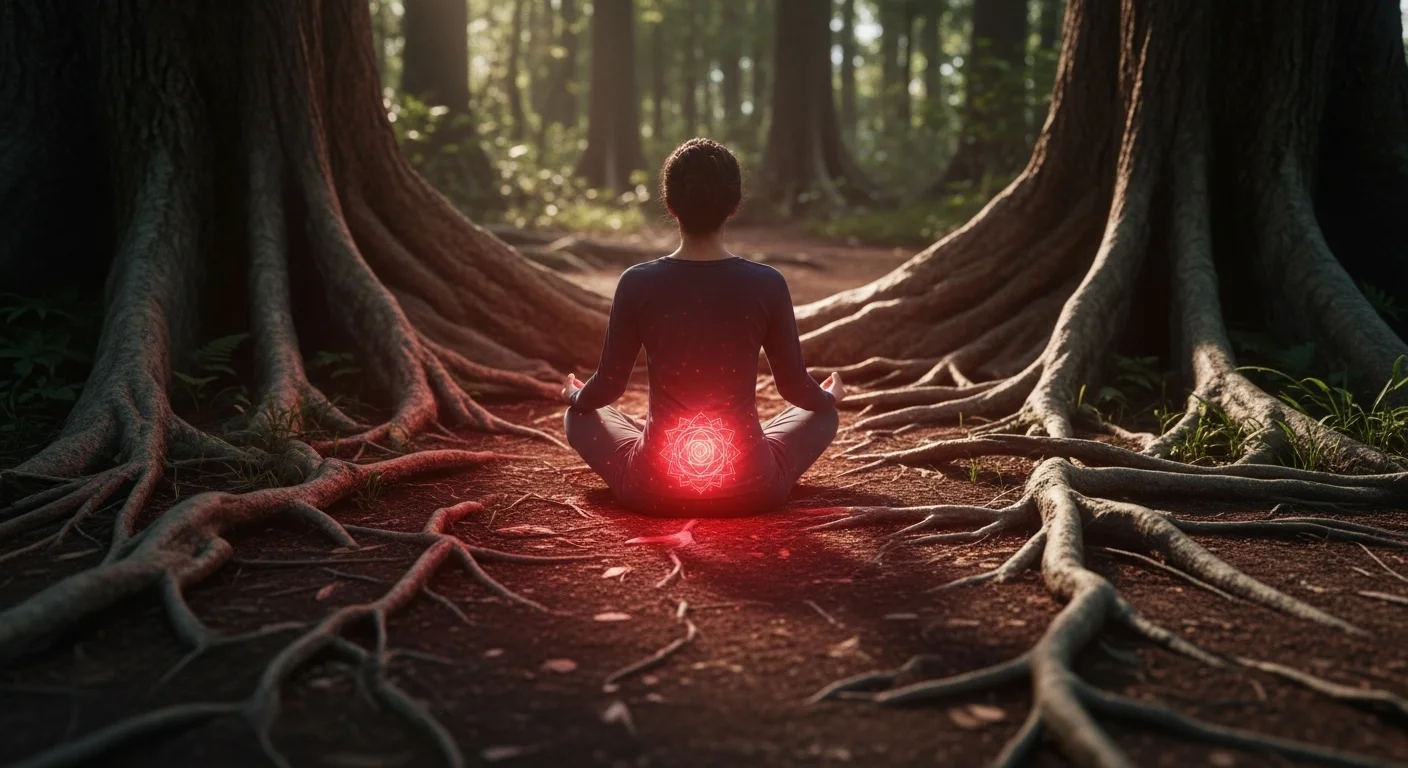
The word Chakra comes from the Sanskrit language. It literally translates to wheel, circle, or disk in English. Ancient texts use this term to describe specific energy centers located within the human body. These centers are not physical objects but conceptual points of spiritual power.
Linguists trace the origin of the term to the root “kwel,” which means to turn or revolve. In the context of yoga traditions, the word specifically refers to a rotating vortex of energy. This definition emphasizes constant movement and the circulation of life force.
The term also implies a cyclic pattern or a recurring order in many Eastern philosophies. When applied to anatomy, it defines seven distinct points along the spinal column. Practitioners state that these centers regulate physical functions through a continuous flow of vital energy.
History of the Chakra Concept
The concept of chakras originated in ancient India. The earliest mentions appear in the Vedas, which are religious texts written between 1500 and 1000 BCE. These early descriptions focused on ritualistic fire altars rather than the energy centers used in modern yoga practices.
Later texts called the Upanishads developed the theory further. The specific system of energy centers emerged within the Tantric tradition during the medieval period. This era defined the locations and functions of chakras in the human body to support meditation and breath control.
Western scholars interpreted these eastern concepts in the early twentieth century. Authors from the Theosophical Society translated Sanskrit texts and added associations like colors and psychological states. This modern interpretation created the seven-chakra system that is currently taught in yoga studios worldwide.
The Seven Primary Chakras
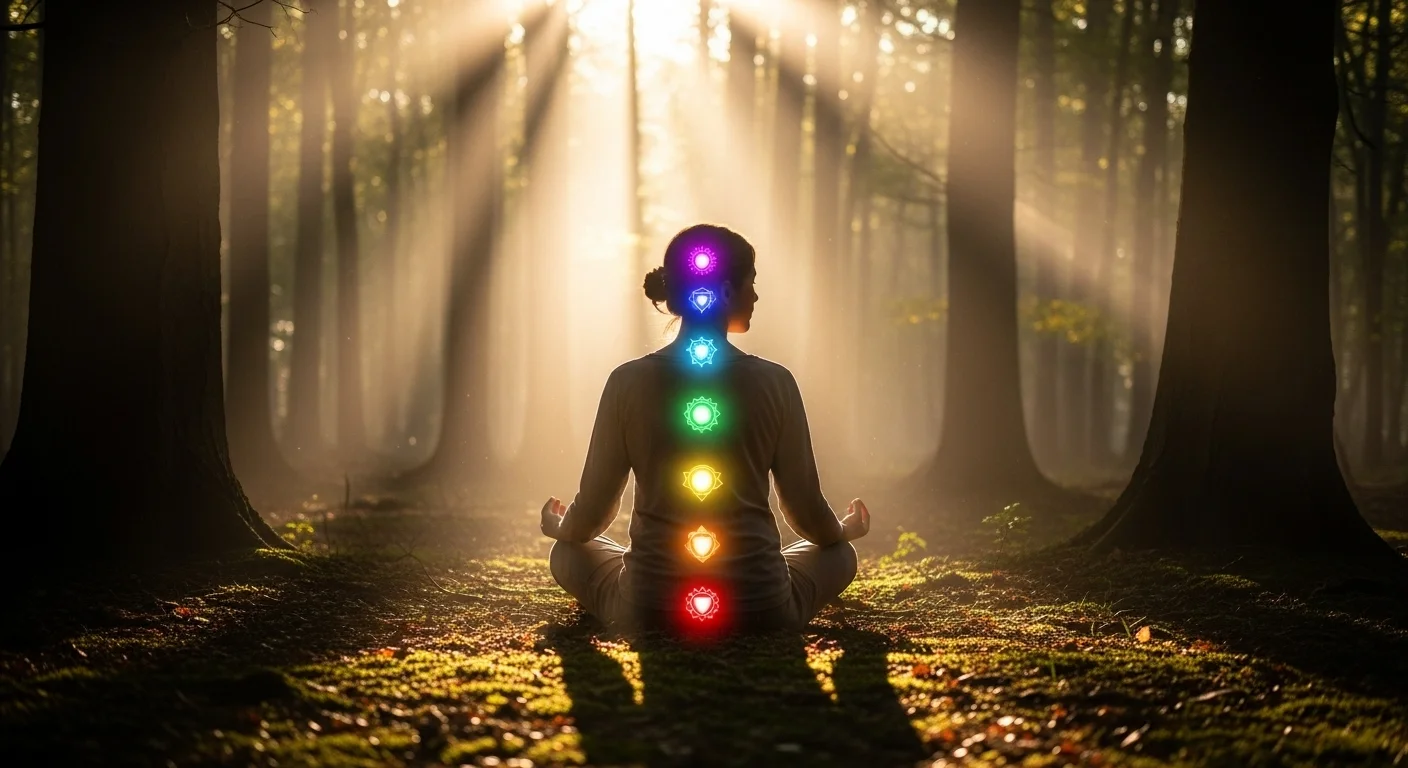
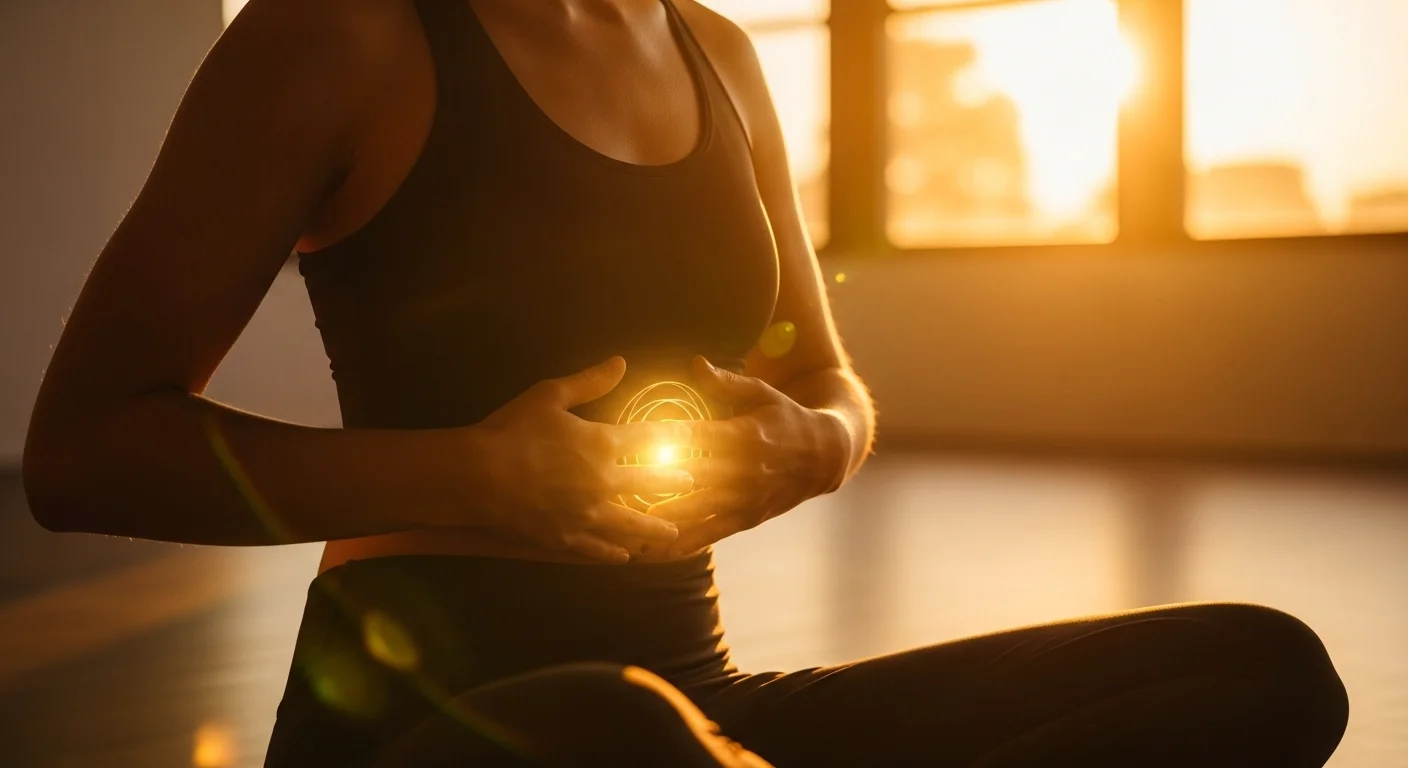
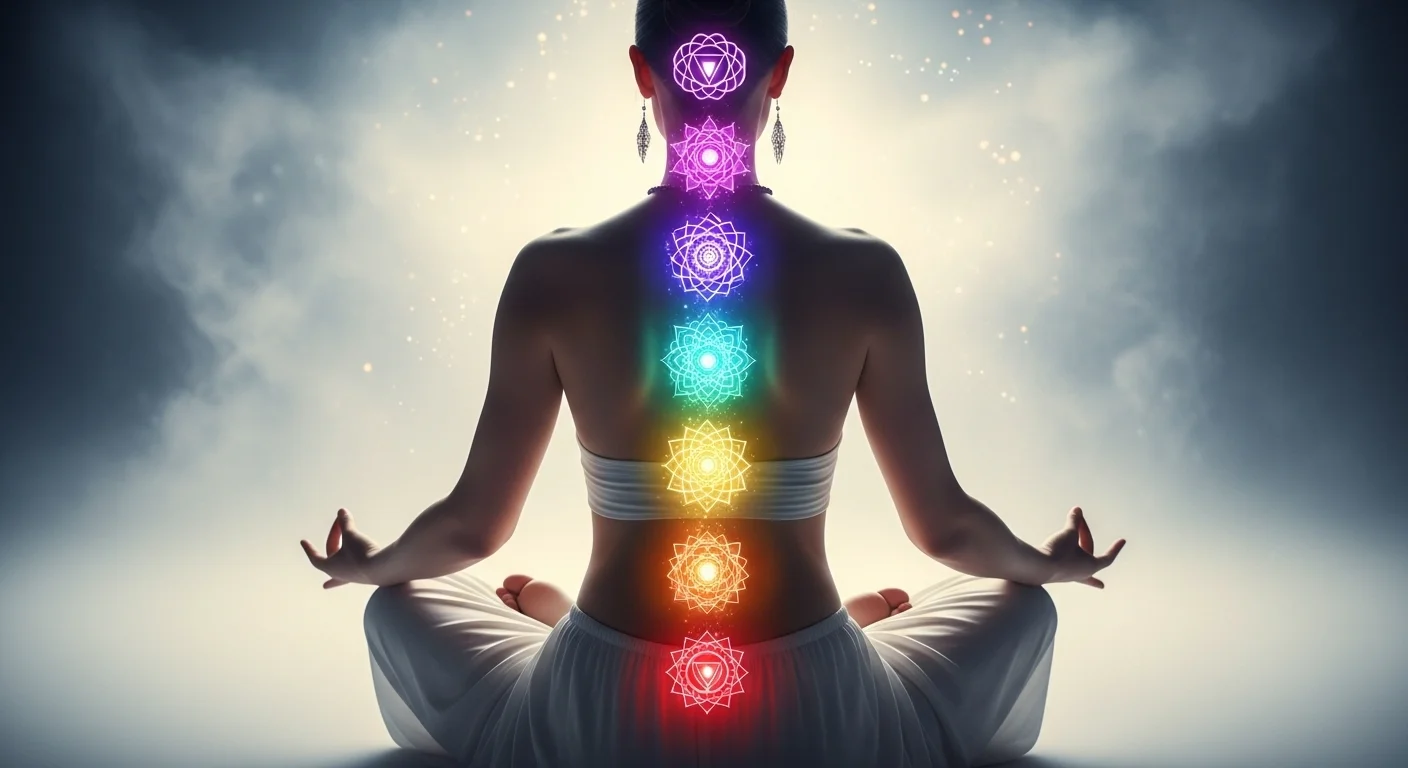
The human energy system contains seven main centers located along the spine. The first is the Root Chakra at the base, which governs stability. Above that lies the Sacral Chakra, associated with reproduction. The third is the Solar Plexus Chakra, located in the abdomen, which controls personal power and digestion.
The Heart Chakra sits in the center of the chest and processes emotions. It links the lower physical points with the upper mental points. The Throat Chakra is found at the neck and manages communication. These centers allow individuals to express feelings and interact with others through speech.
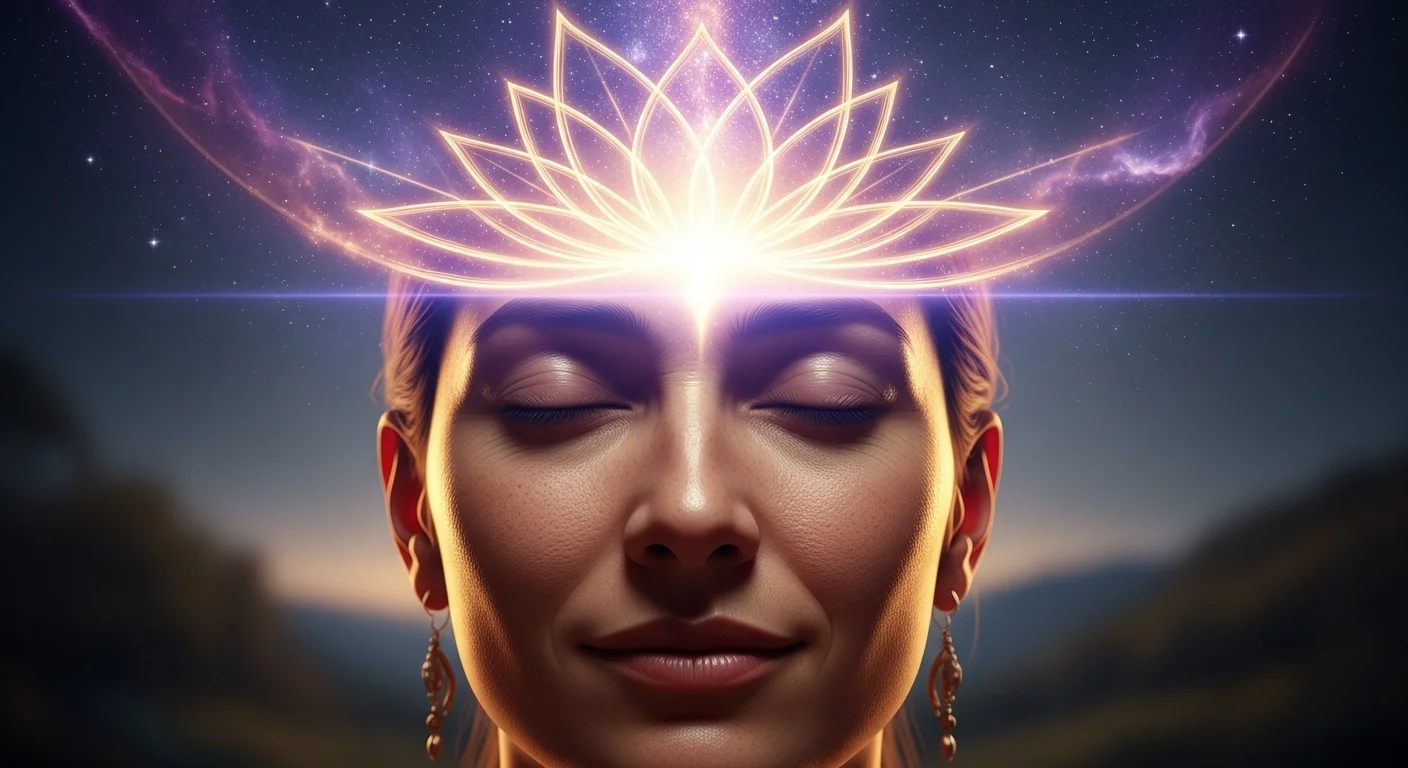
The Third Eye Chakra is located on the forehead between the eyebrows. This center focuses on intuition and visual perception. Finally, the Crown Chakra sits at the top of the head. It represents awareness and thought. All seven points work together to maintain function within the body.
Locations within the Human Body
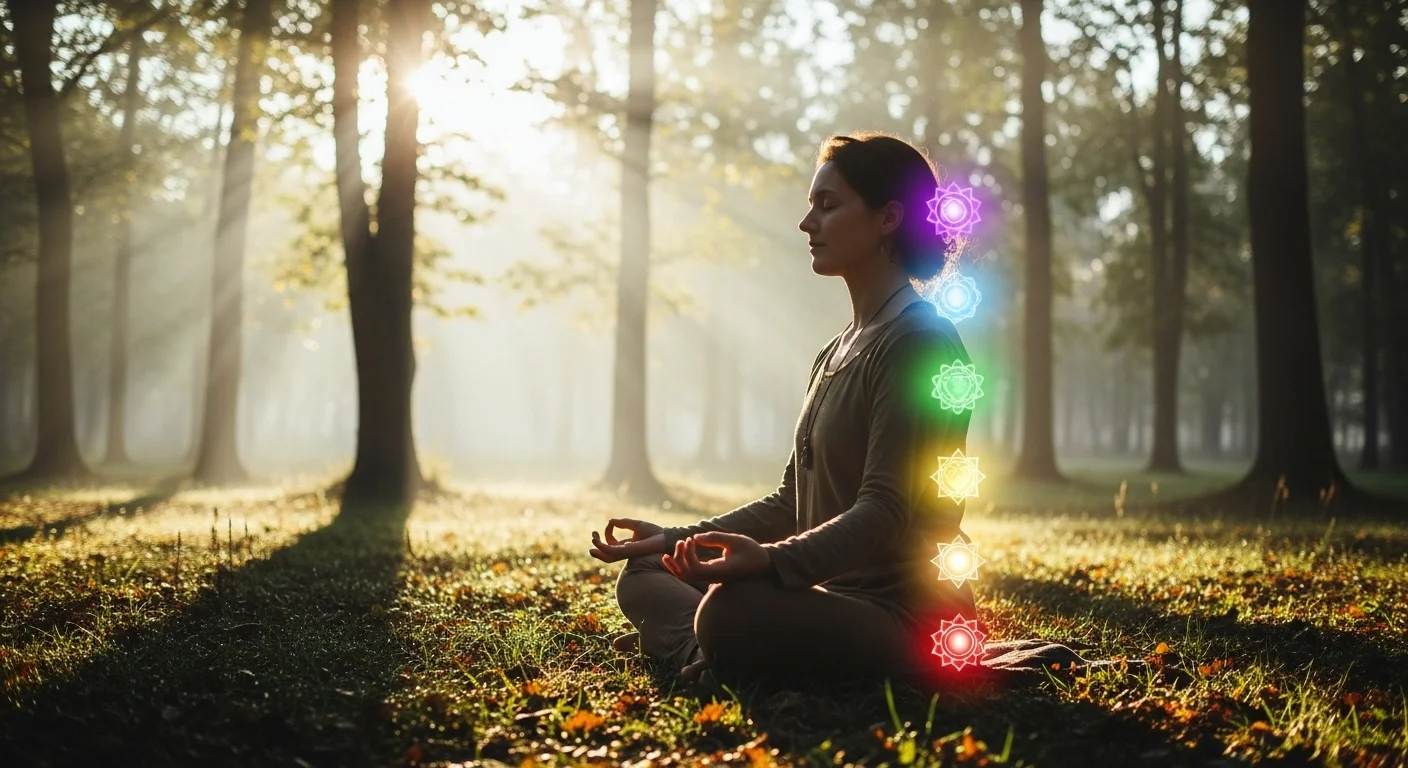
The primary chakra system consists of seven distinct energy centers. These points align vertically along the spinal column. They start at the base of the spine and extend upward to the crown of the head. Each specific location corresponds to a nerve plexus and major organs.
The Root Chakra sits at the base of the tailbone. Above this, the Sacral Chakra is found just below the navel. The Solar Plexus Chakra resides in the upper abdomen area. Finally, the Heart Chakra is located in the center of the chest near the heart.
The Throat Chakra is positioned centrally within the throat region. The Third Eye Chakra sits on the forehead between the eyebrows. The Crown Chakra is located at the very top of the head. This linear arrangement connects the physical body from the bottom to the top.
Functions of Each Energy Center
The first three chakras govern physical survival and basic needs. The root chakra manages safety and stability. The sacral center controls creativity and emotional balance. The solar plexus chakra directs personal power and self-discipline. These lower centers build the foundation for physical health and daily functioning.
The heart chakra connects physical and spiritual energies. It regulates feelings of love, compassion, and emotional healing. The throat chakra functions as the center for communication and expression. This area allows individuals to state thoughts clearly. Together, they facilitate interaction with others and internal emotional processing.
The upper chakras manage mental processes and spiritual connection. The third eye chakra controls intuition and perception beyond sight. The crown chakra connects a person to universal consciousness. These energy centers support wisdom and spiritual awareness. They function to expand understanding of the self and the world.
Signs of Blocked Chakras
A blocked chakra often causes specific physical symptoms in the body. You might experience chronic pain or stiffness in the area near the affected energy center. Frequent headaches, digestive issues, or general fatigue are also common indicators that the energy flow is currently restricted.
Emotional instability is another primary sign of an imbalance. A person may feel overwhelming anxiety, sudden anger, or deep sadness without a clear external cause. Mental confusion and a lack of focus can also signal that specific chakras are not functioning correctly at this time.
Behavioral changes frequently accompany these blockages as well. You might struggle to communicate effectively or find it difficult to make decisions. Some individuals withdraw socially or feel stuck in their personal growth. These practical difficulties suggest that the energy system requires attention and alignment.
our Next Step
You can deepen your knowledge even further with the comprehensive manual I’ve prepared on the 7 main chakras. In it, you’ll understand what chakras are, their physical, emotional, and spiritual aspects, as well as the associated deities. It also includes practical charts with crystals, flower essences, scents, Reiki, and much more.
Additionally, you can purchase my book, 69 Exercises for Chakra Alignment—a direct, accessible, and transformative guide filled with specific techniques to work on each chakra. This material is perfect for both those looking to apply exercises in their daily routine and therapists seeking safe, structured resources to use in their sessions.