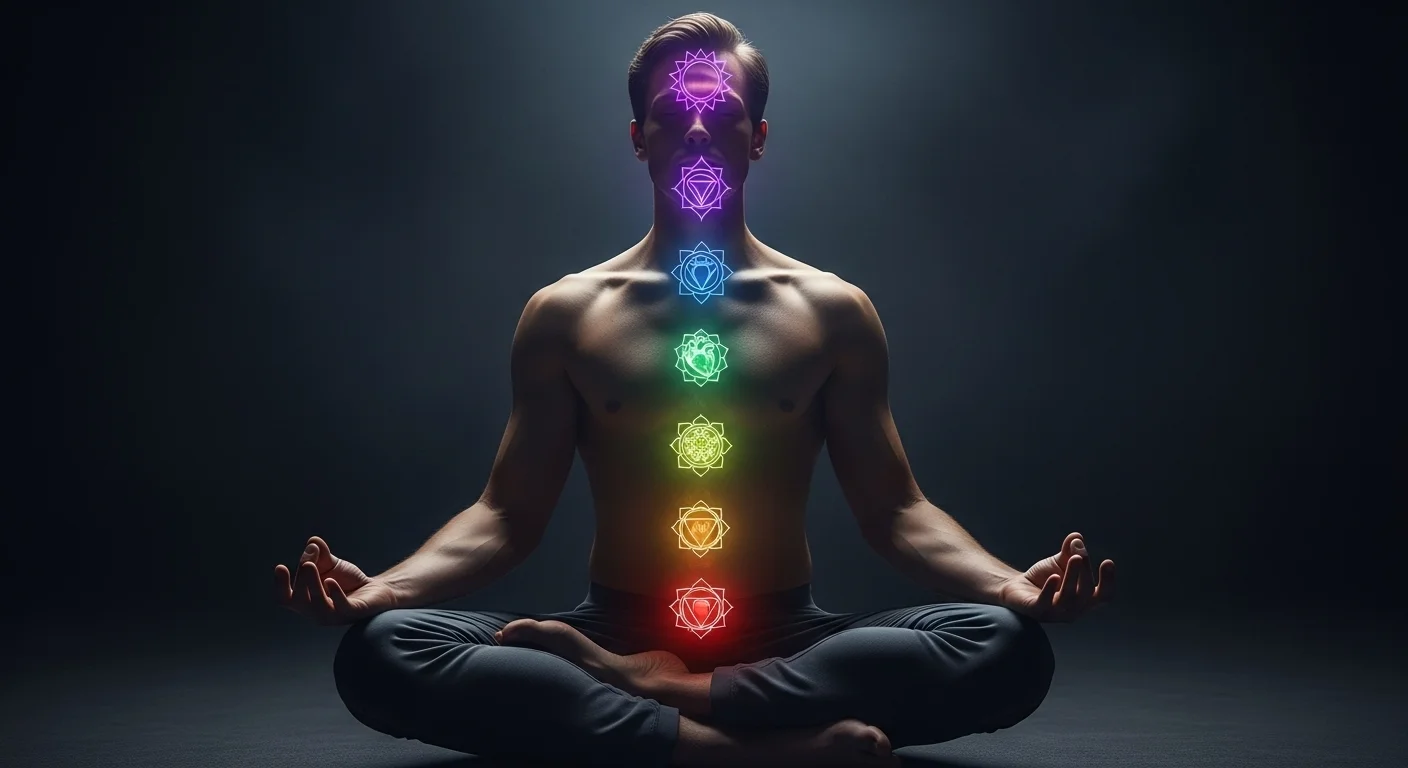
The term chakra comes from the ancient Sanskrit language of India. It literally translates to wheel or disk. In the context of yoga and meditation, this word refers to specific centers of energy located within the human body. These centers align vertically along the spinal column.
Historical records trace the concept back to the Vedas. These are the earliest religious texts from ancient India. Written between 1500 and 1000 BC, these scriptures contain the first known mention of chakras. Later traditions, such as the Upanishads, expanded upon this initial knowledge significantly.
Practitioners believe these centers regulate the movement of energy throughout the body. There are seven main chakras described in most traditions. Each corresponds to specific organs and physical functions. A balanced system allows energy to move freely from the base of the spine to the head.
Locations of the Seven Main Chakras in the Body
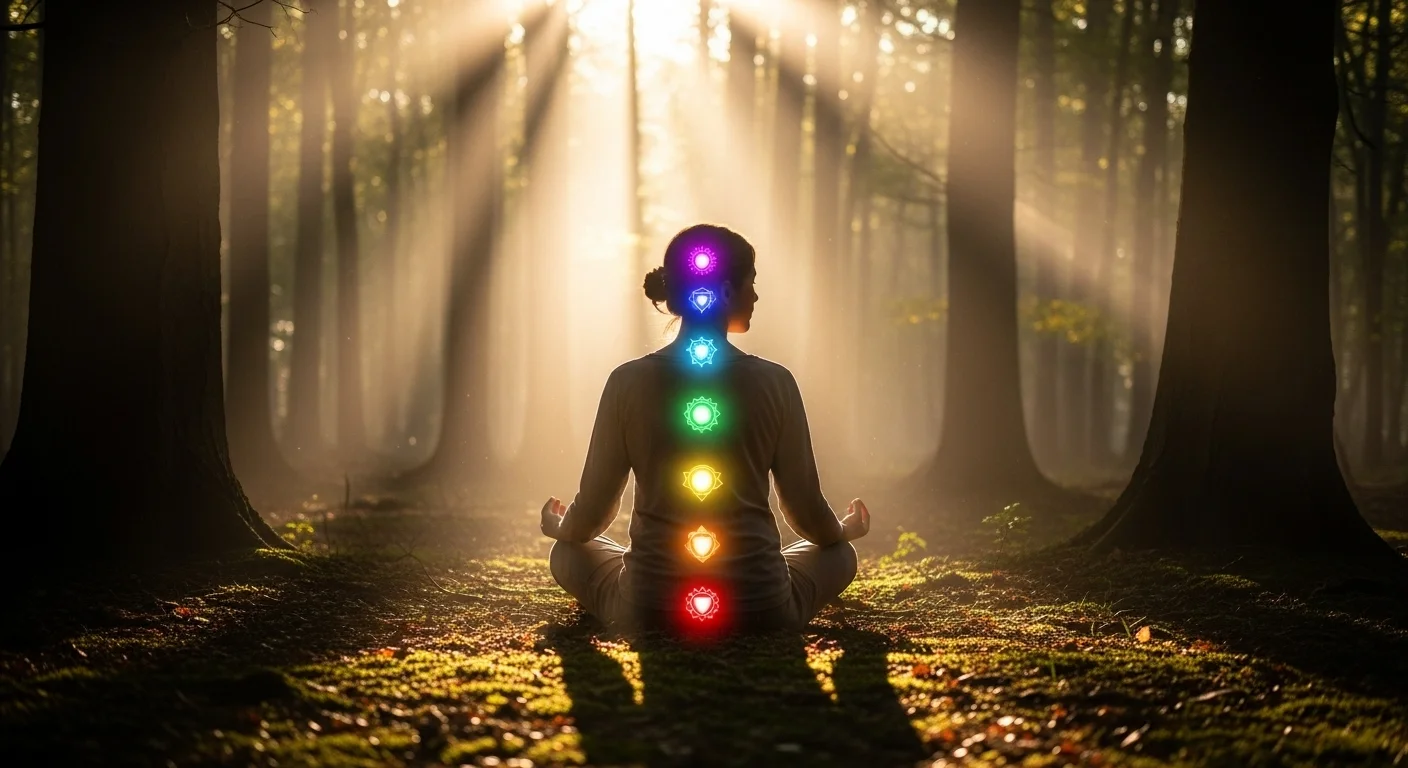
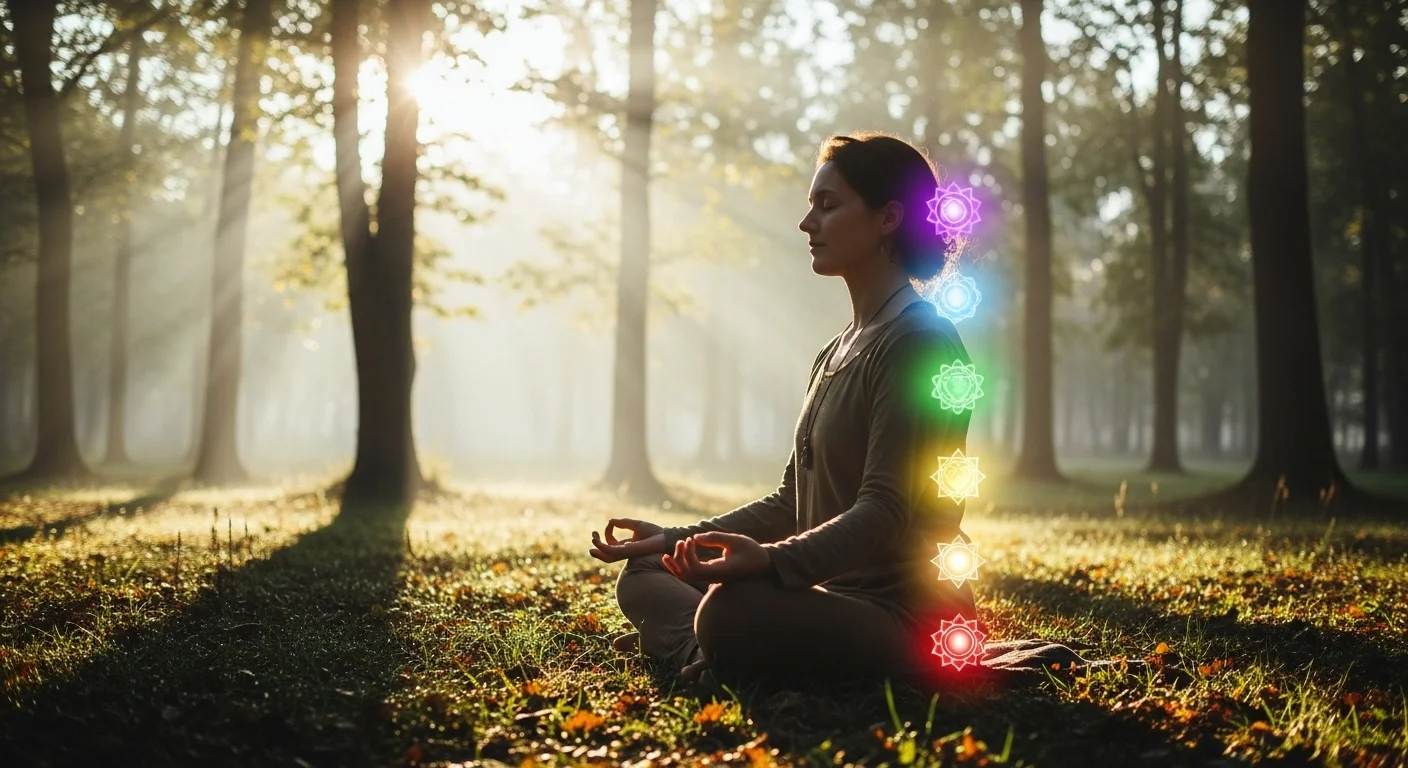
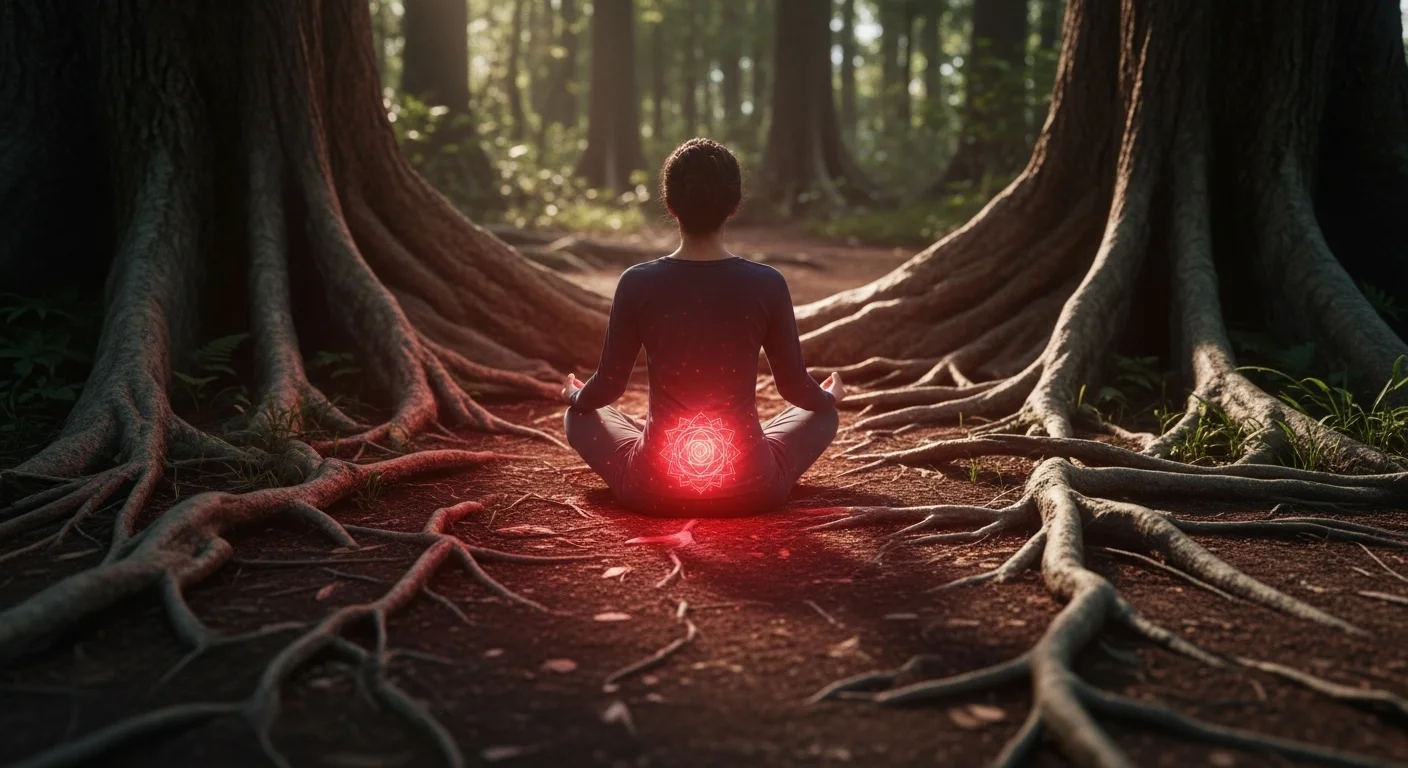
The system begins at the base of the spine with the Root Chakra. Just above this point, below the navel, sits the Sacral Chakra. The Solar Plexus Chakra is located in the upper abdomen area. These three centers align along the lower spine and stomach region.
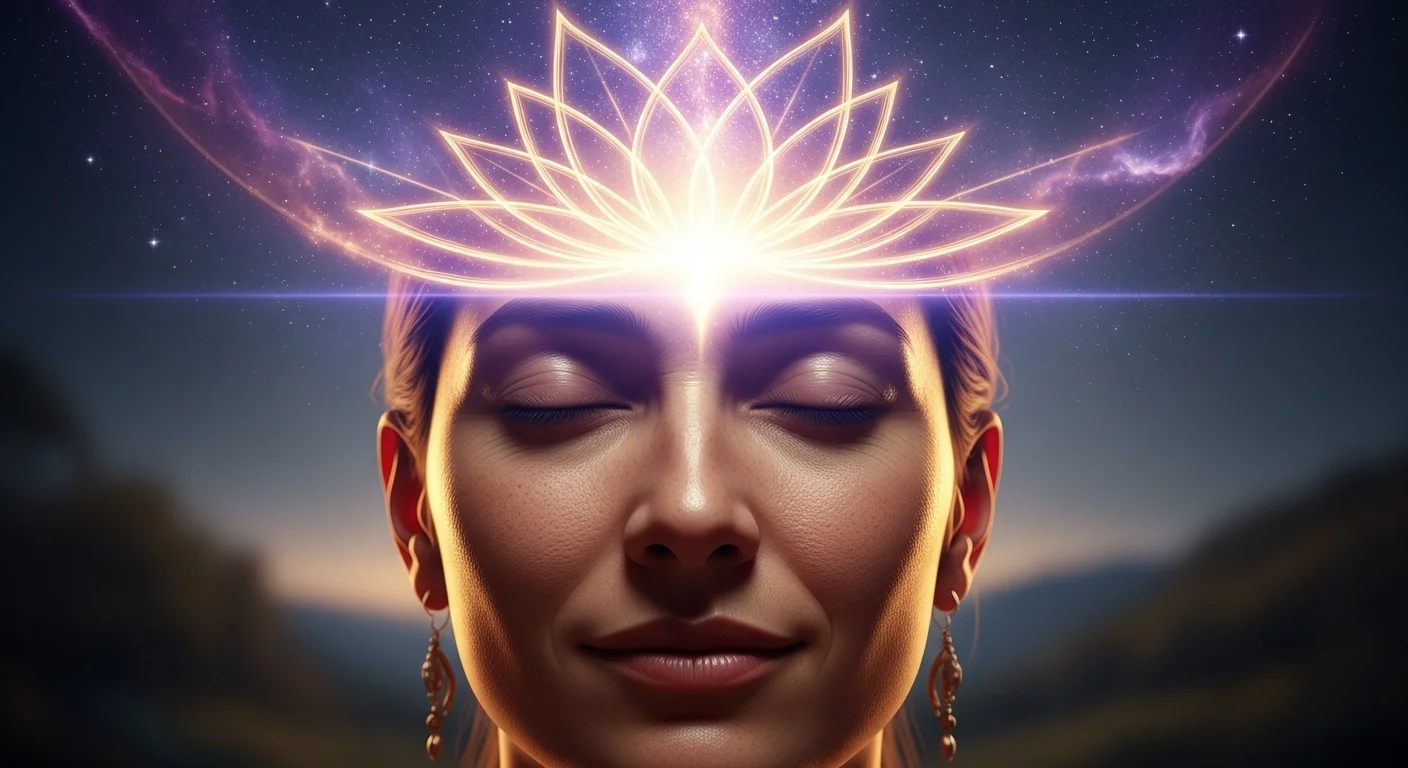
The Heart Chakra resides in the center of the chest, near the physical heart organ. Moving upward, the Throat Chakra is found at the base of the neck. The Third Eye Chakra is positioned on the forehead, specifically in the space between the eyebrows.
The final energy center is the Crown Chakra, which sits at the very top of the head. All seven main chakras form a vertical line that follows the spinal column. This specific arrangement connects the lower body to the head through a central channel.
The Specific Functions of Each Energy Center
The lower chakras manage physical needs and basic survival instincts. The Root Chakra governs safety and stability in the physical world. The Sacral Chakra controls creativity and emotional balance. The Solar Plexus Chakra regulates personal power, confidence, and digestion. These centers build the foundation for physical well-being.
The Heart Chakra connects physical and spiritual energies within the body. It manages love, compassion, and relationships with others. The Throat Chakra directs communication and self-expression. This center allows individuals to speak clearly and listen effectively. These functions facilitate social interaction and honest exchange of information.
The upper chakras focus on mental clarity and spiritual awareness. The Third Eye Chakra governs intuition, perception, and imagination. The Crown Chakra connects individuals to higher consciousness and universal knowledge. These final energy centers support wisdom and provide a sense of spiritual purpose and understanding.
Colors and Elements Associated with the Chakras
Each chakra corresponds to a specific color and natural element. The Root Chakra is red and links to the element of Earth. The Sacral Chakra is associated with the color orange and Water. The Solar Plexus Chakra corresponds to the color yellow and the element of Fire.
The Heart Chakra sits in the center and is green, representing Air. Moving upward, the Throat Chakra is blue and connects to the element of Ether. The Third Eye Chakra is associated with the color indigo and links directly to the element of Light.
Finally, the Crown Chakra appears as violet or white and represents cosmic energy. Practitioners use these specific colors and elements during meditation techniques. Focusing on the correct visual spectrum and elemental nature helps individuals identify and balance each distinct energy center within the human body.
Symptoms of Blocked or Unbalanced Chakras
Physical symptoms often indicate that specific energy centers are not functioning correctly. You might experience chronic pain, stiffness, or recurring tension in the body parts near the affected chakra. For example, a blockage in the throat area frequently results in noticeable sore throats or persistent neck issues.
Emotional instability often signals an imbalance within your energy system. Common signs include sudden mood swings, persistent anxiety, or feelings of deep insecurity. A blocked heart chakra may cause difficulty trusting others, while an unbalanced root chakra often leads to excessive fear regarding basic survival needs.
Behavioral patterns also change when chakras are blocked or overactive. You may notice a lack of motivation, trouble communicating clearly, or a tendency to isolate yourself from social situations. Identifying these specific habits helps determine which energy center requires attention and restoration techniques.
Techniques Used to Balance the Chakras
Meditation is a common method for regulating energy centers. Practitioners sit in silence and focus on specific areas of the body. They often visualize colors associated with each chakra to restore flow. This mental practice helps remove blockages and promotes stability within the system.
Physical movement, specifically yoga, also supports chakra health. Certain poses target specific locations along the spine to stimulate nerve bundles and organs. By holding these postures and controlling the breath, individuals can release tension. This process aligns the physical body with internal energy currents.
Many people utilize external tools to assist with balancing. Sound healing uses specific frequencies or mantras to resonate with energy points. Additionally, placing stones on the body or receiving energy work like Reiki can address imbalances. These techniques aim to correct disruptions in the energy field.
our Next Step
You can deepen your knowledge even further with the comprehensive manual I’ve prepared on the 7 main chakras. In it, you’ll understand what chakras are, their physical, emotional, and spiritual aspects, as well as the associated deities. It also includes practical charts with crystals, flower essences, scents, Reiki, and much more.
Additionally, you can purchase my book, 69 Exercises for Chakra Alignment—a direct, accessible, and transformative guide filled with specific techniques to work on each chakra. This material is perfect for both those looking to apply exercises in their daily routine and therapists seeking safe, structured resources to use in their sessions.