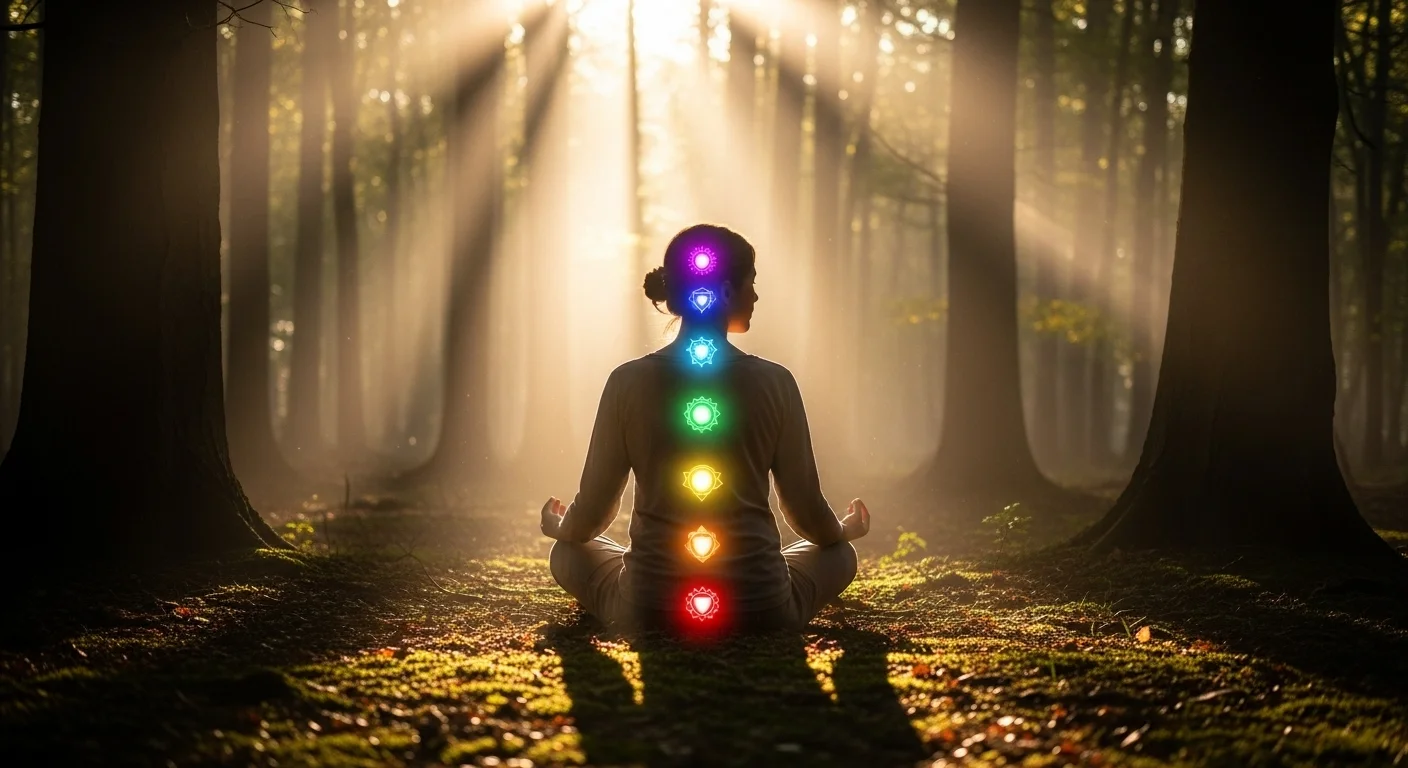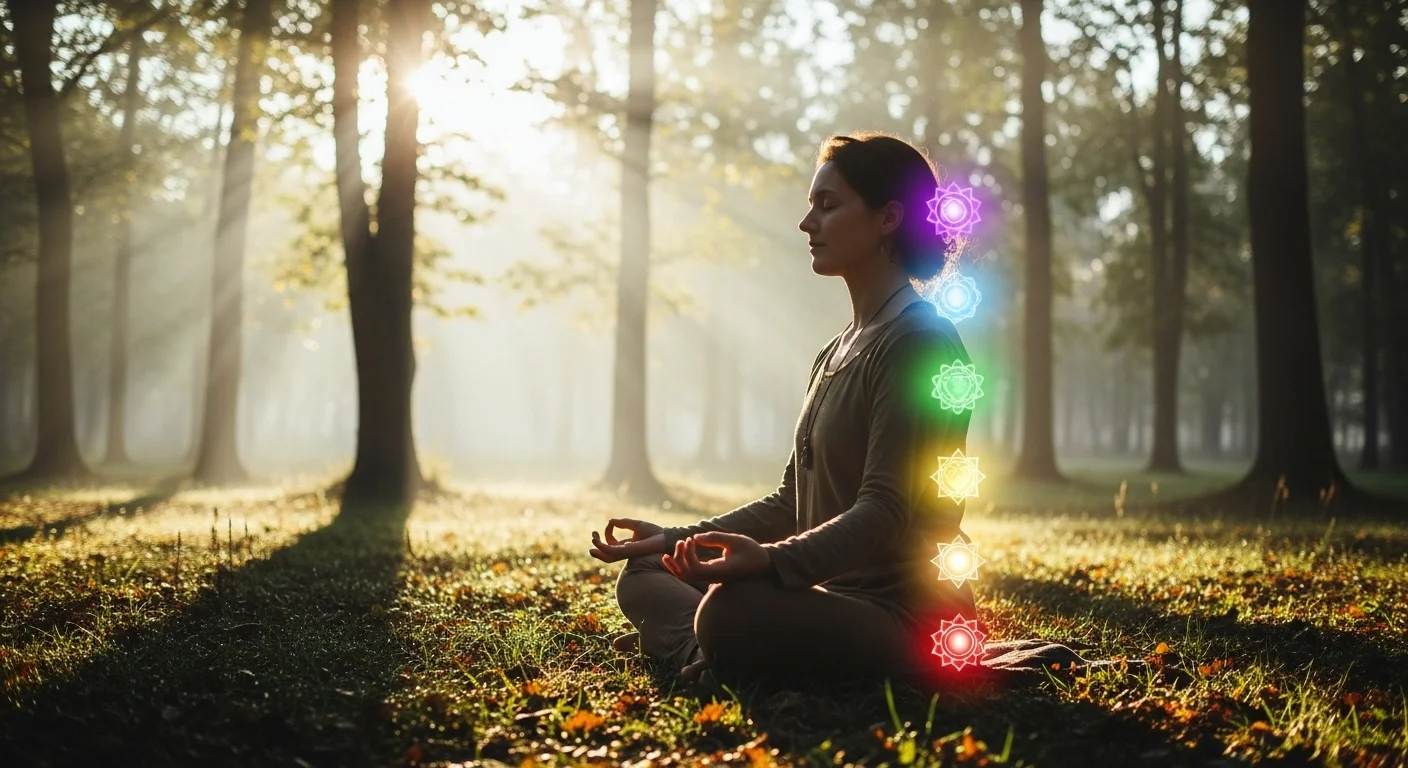

The term chakra comes from the Sanskrit word for wheel or disk. It refers to specific energy centers located within the human body. There are seven main points that align along the spinal column. They start at the base of the spine and end at the crown of the head.
These centers regulate the flow of energy throughout the physical form. This energy is often called prana. The system operates through a network of invisible channels. Each point corresponds to specific nerve bundles and major organs. This connection influences both physical health and general emotional stability.
The concept originated in ancient India thousands of years ago. The earliest written records appear in the Vedas. These are ancient religious texts from the Sanskrit tradition. Scholars date these texts between 1500 and 500 BC. The knowledge passed down through oral traditions before being recorded in writing.
Overview of the Seven Main Chakras
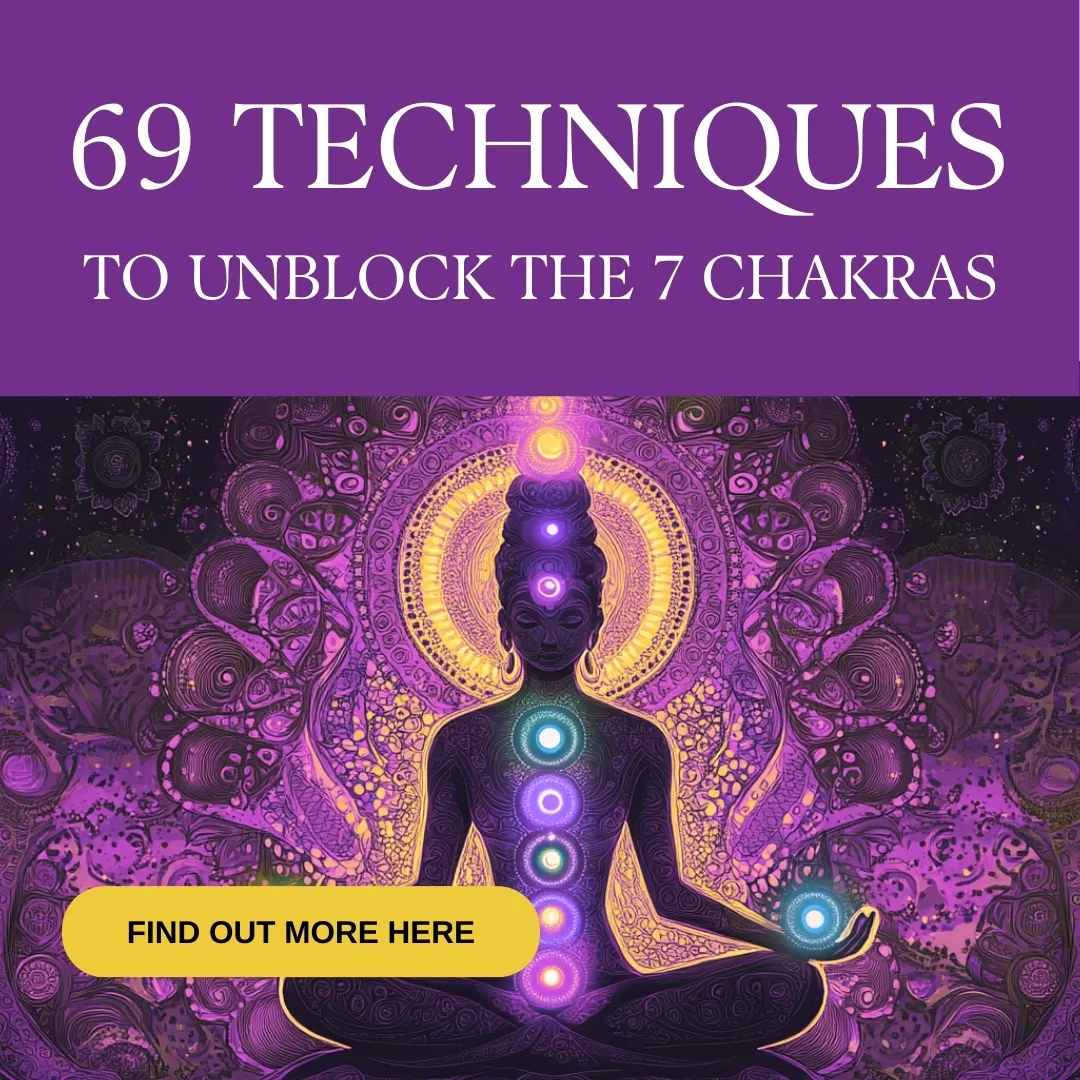
The human energy system contains seven primary centers known as chakras. These centers align vertically along the spinal column, starting from the base of the spine and extending to the top of the head. Each individual chakra corresponds to specific organs and distinct physical functions within the body.
The lower chakras regulate basic survival needs and emotional stability. The Root Chakra sits at the spine’s base, followed upward by the Sacral Chakra and the Solar Plexus Chakra. The Heart Chakra acts as the central point, connecting physical instincts with higher mental processes and communication.
The upper section consists of the Throat Chakra, the Third Eye Chakra, and the Crown Chakra. These centers govern communication, intuition, and cognitive awareness. Practitioners study these seven points to understand how energy flow influences physical health and psychological states throughout the human system.
Functions of the Lower Chakras
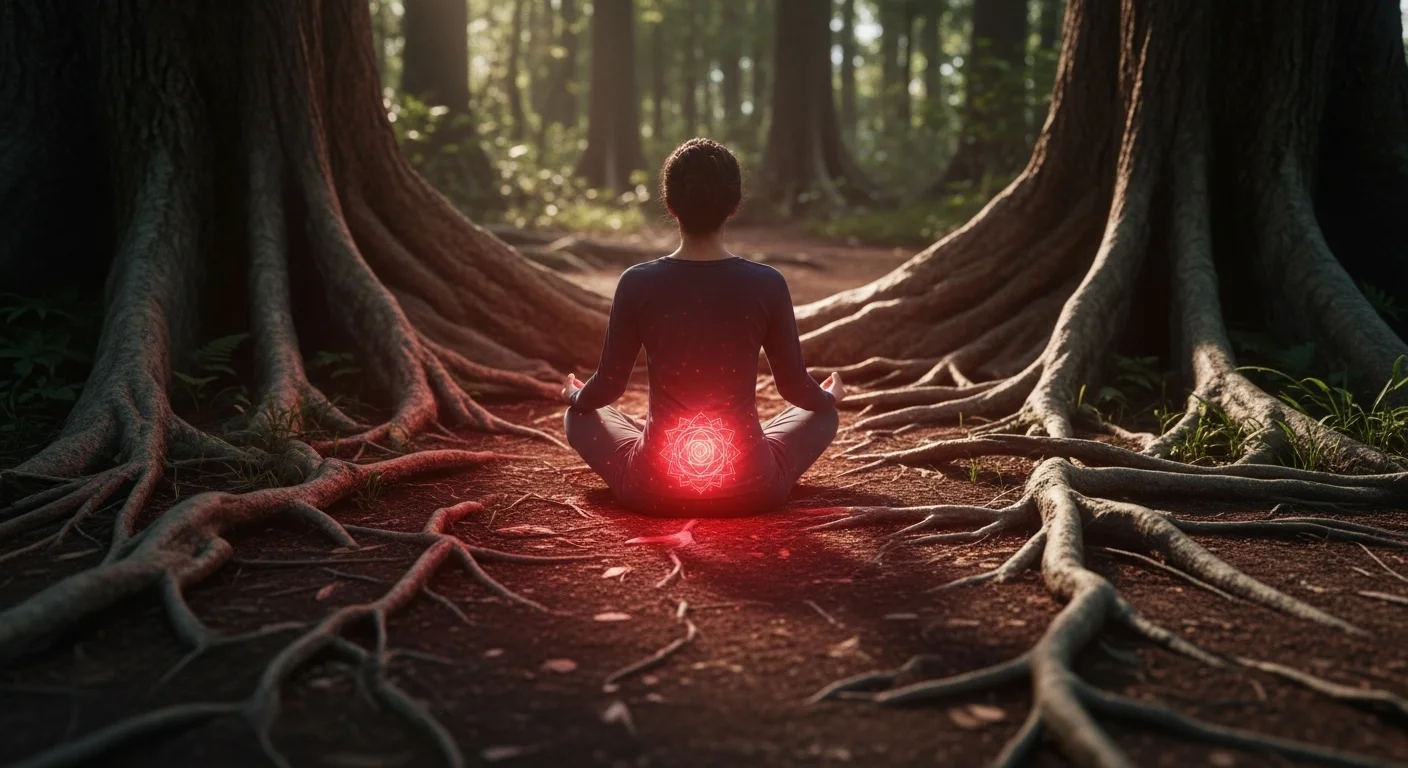
The first energy center is the Root Chakra. It governs basic physical survival and safety needs. This energy center connects the body to the physical world. It influences feelings of security and stability. When this system functions correctly, an individual feels safe and grounded in their environment.
The second center is the Sacral Chakra, located near the lower abdomen. It regulates emotional processing and creative expression. This area also controls sexual energy and reproductive organs. A balanced Sacral Chakra allows for healthy emotional responses and supports personal relationships with others.
The third energy center is the Solar Plexus Chakra. It sits in the upper abdomen and manages personal power and self-esteem. This chakra also influences digestion and metabolic processes. Strong energy in this region provides the willpower and confidence needed to make decisions and take action.
Functions of the Upper Chakras
The upper chakras consist of the throat, the third eye, and the crown. These energy centers govern mental processes, communication, and spiritual connection. The throat chakra is located in the neck region. It controls verbal expression, truth, and the ability to communicate thoughts clearly to others.
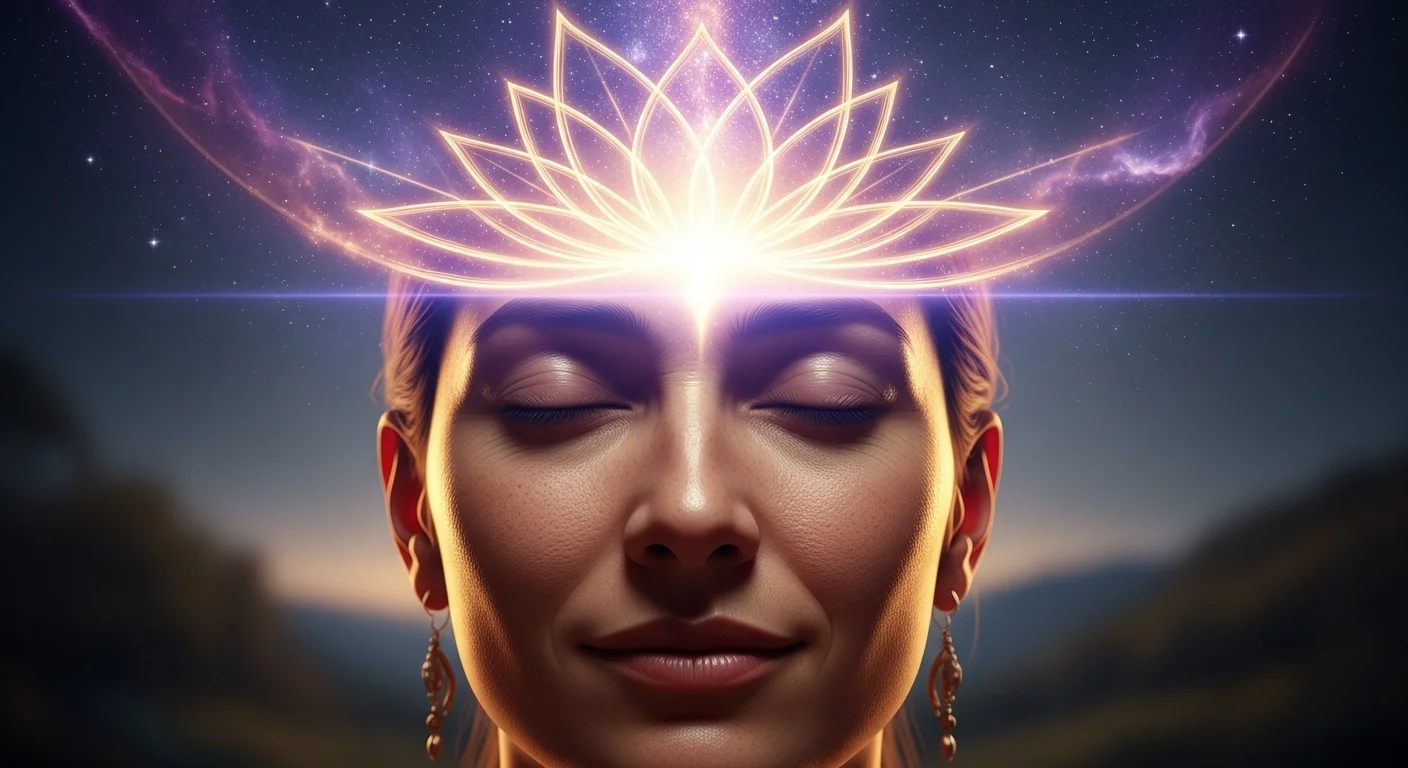
The third eye chakra sits between the eyebrows on the forehead. This center manages intuition, imagination, and perception beyond physical sight. It processes visual information and supports cognitive functions. A balanced third eye allows for clear decision-making and an objective understanding of reality.
The crown chakra is located at the very top of the head. It functions as the center for higher consciousness and spiritual awareness. This chakra integrates energy from the body with the universe. It is responsible for a sense of unity and connection to systems larger than oneself.
Signs of Blocked or Unbalanced Chakras
Blocked chakras often manifest through physical symptoms in specific areas of the body. For example, an imbalance in the throat chakra may cause distinct neck pain or persistent voice issues. These ailments suggest that energy is not flowing correctly through that specific region of the physical form.
Emotional instability serves as another common indicator of disruption within the system. You might experience sudden bursts of anger, excessive fear, or deep sadness without a clear external cause. These mental states indicate that a particular energy center requires immediate attention to restore emotional equilibrium.
Behavioral patterns also change significantly when energy centers become blocked. A person might struggle with communication, lack motivation, or feel isolated from others. Identifying these specific difficulties helps practitioners determine exactly which chakra functions incorrectly and needs specific techniques for realignment and proper balance.
Methods for Balancing the Chakra System
Practicing yoga postures helps align the physical body and supports energy regulation. Specific poses target individual chakras to remove blockages or increase activity. Additionally, controlled breathing exercises serve to calm the nervous system. These physical techniques provide a foundational approach to restoring stability within the energy centers.
Meditation remains a primary method for focusing attention on specific areas of the body. Many practitioners use visualization techniques involving colors associated with each chakra. Chanting specific sounds or mantras can also create vibrations that stimulate these centers. This mental focus aids in correcting imbalances effectively.
External tools often supplement personal practices to maintain equilibrium. Crystals and gemstones are frequently placed on the body to resonate with specific energy frequencies. Aromatherapy uses essential oils to trigger physiological responses. Furthermore, professional energy healing sessions, such as Reiki, can assist in clearing persistent disruptions.
our Next Step
You can deepen your knowledge even further with the comprehensive manual I’ve prepared on the 7 main chakras. In it, you’ll understand what chakras are, their physical, emotional, and spiritual aspects, as well as the associated deities. It also includes practical charts with crystals, flower essences, scents, Reiki, and much more.
Additionally, you can purchase my book, 69 Exercises for Chakra Alignment—a direct, accessible, and transformative guide filled with specific techniques to work on each chakra. This material is perfect for both those looking to apply exercises in their daily routine and therapists seeking safe, structured resources to use in their sessions.