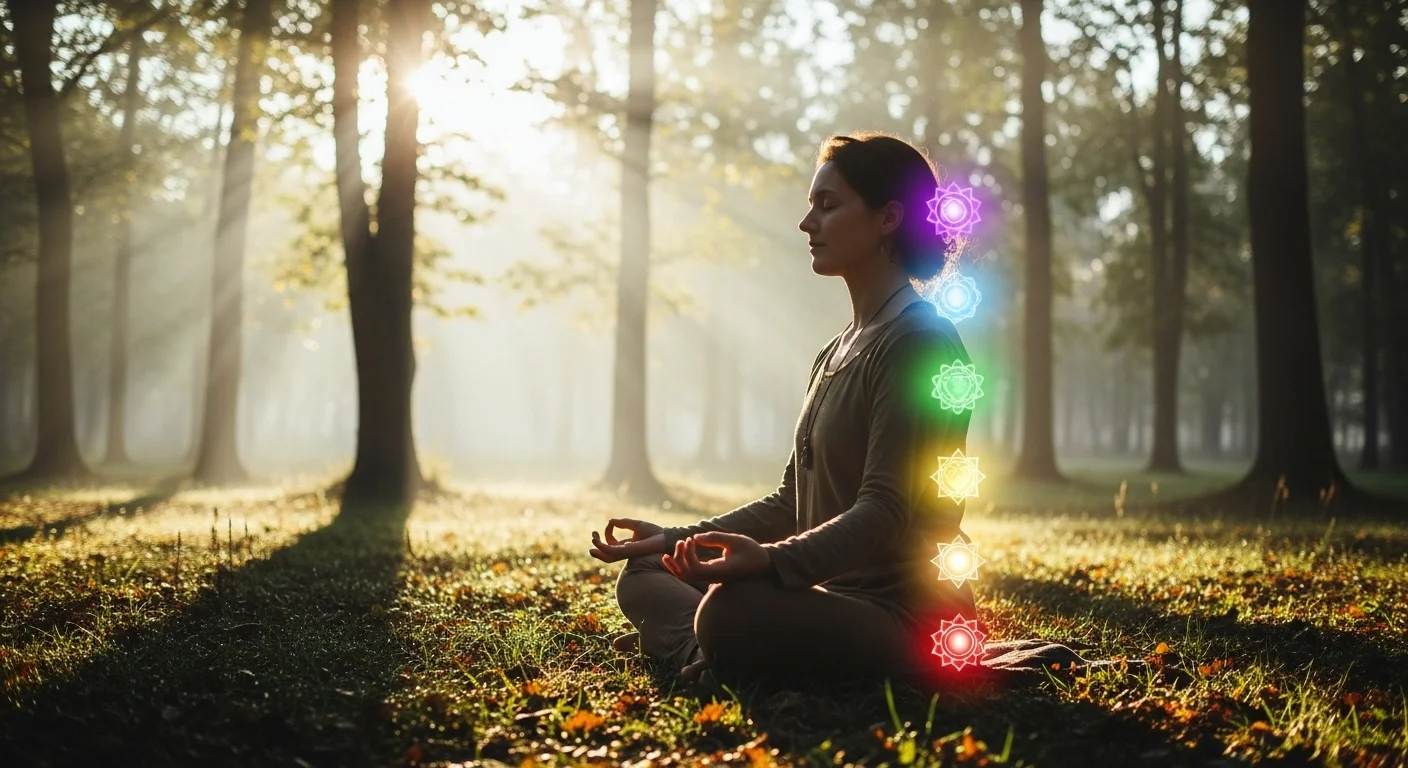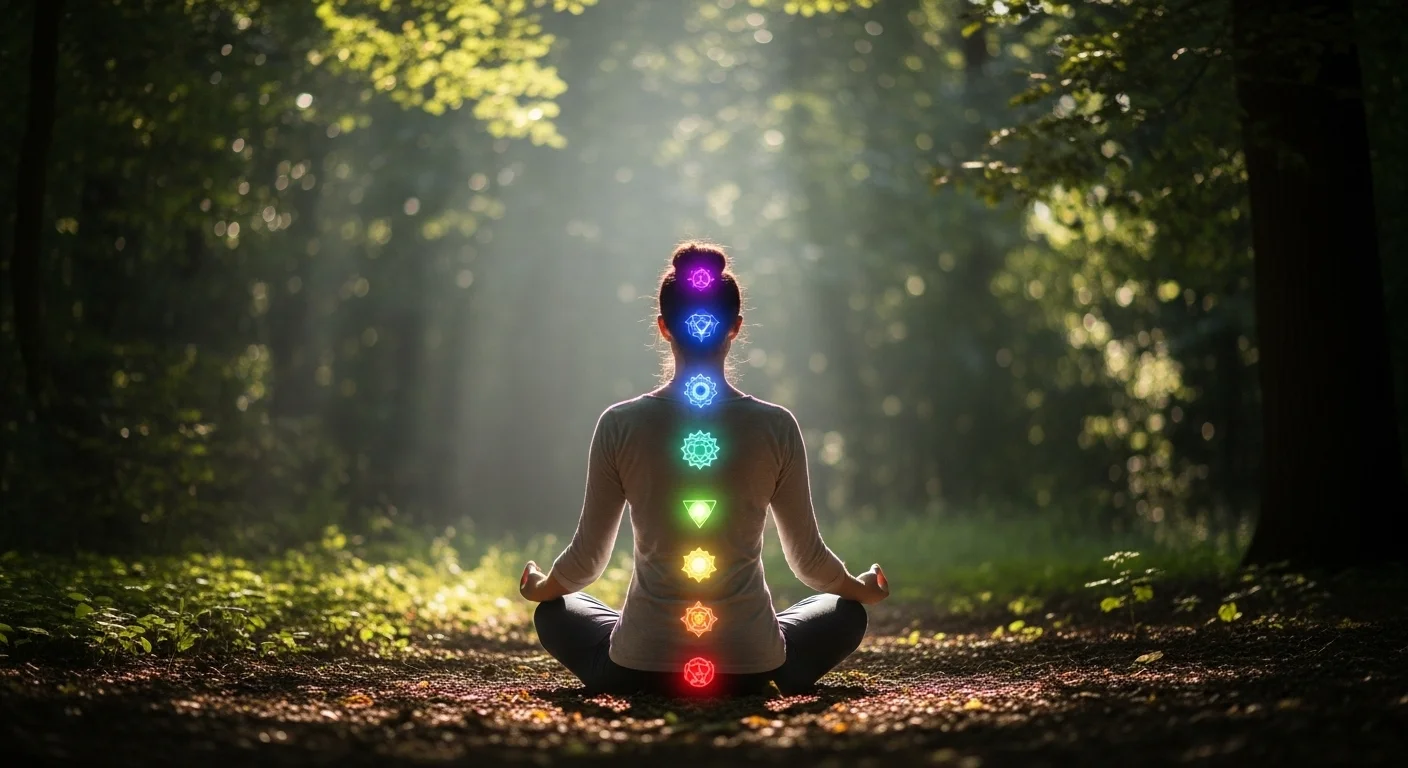
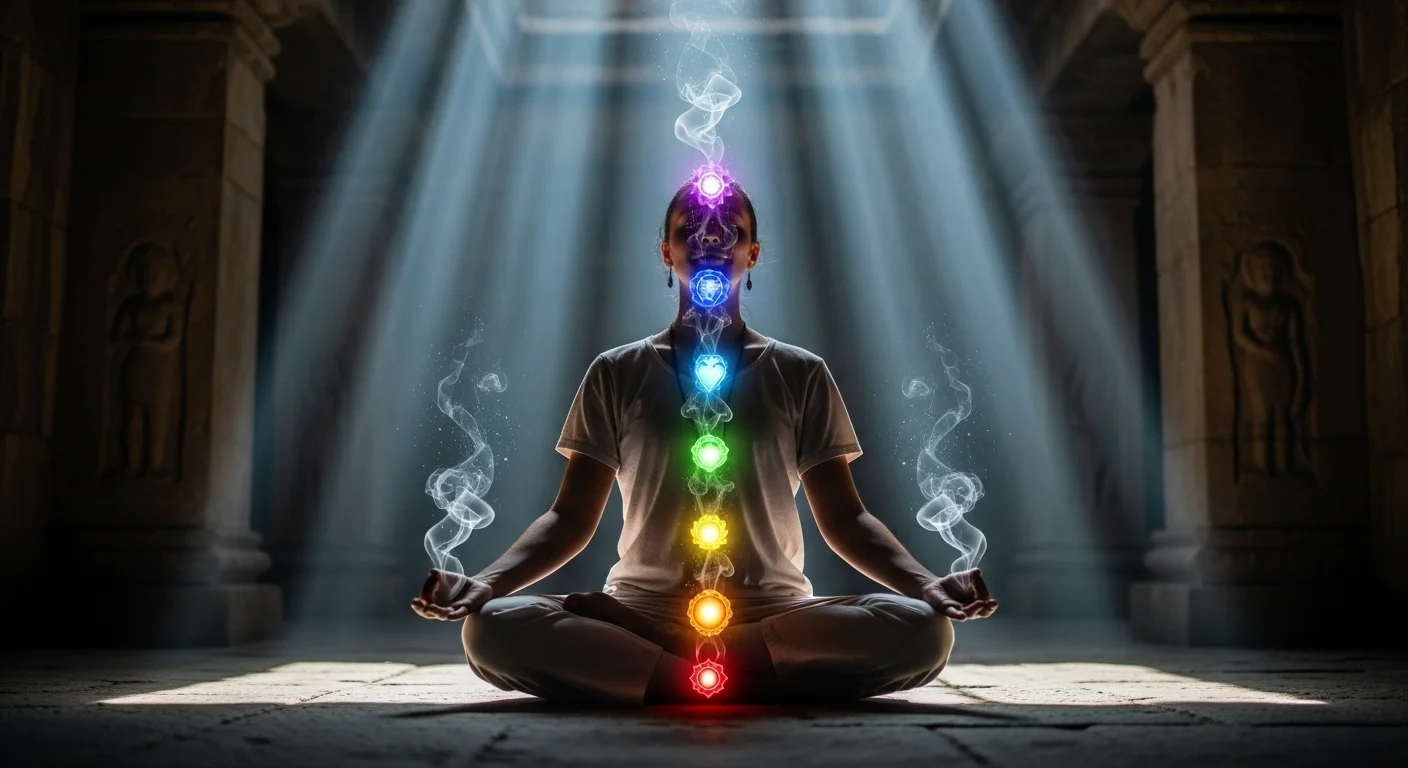
The seven main chakras appear as a specific spectrum of light ascending the spine. The Root Chakra is red, representing stability. The Sacral Chakra is orange, associated with creativity. The Solar Plexus Chakra is yellow, governing personal power. These lower centers manage physical needs.
The Heart Chakra is green, which signifies balance and compassion. The Throat Chakra is blue, linked to verbal communication. The Third Eye Chakra is indigo, connected to intuition and perception. Each color correlates to a specific frequency and location within the human body.
The Crown Chakra is violet or white, symbolizing spiritual awareness. These seven colors strictly follow the order of the visible light spectrum. Practitioners use this color system to identify imbalances. This classification provides a clear method for analyzing energy centers in the body.

The Red Color of the Root Chakra
The Root Chakra, also known as Muladhara, is associated with the color red. It sits at the base of the spine. This color represents grounding and physical survival. It relates to the connection between the body and the earth. The hue signifies safety, security, and basic human needs.
Red has the longest wavelength in the visible light spectrum. This property links the color to density and slower vibration. It stimulates the physical body and provides vitality. In this system, red connects to instinct, stability, and the strength to endure difficult situations in the material world.
A balanced red center promotes a feeling of presence. The individual feels safe and supported in their environment. A deficiency in this energy often causes fear or anxiety. Too much red energy leads to anger or aggression. Visualizing this color helps restore stability to the energy system.
Orange and Yellow Colors in the Sacral and Solar Plexus
The Sacral chakra is the second energy center and sits below the navel. It is represented by the color orange. This center governs emotions, creativity, and sexual energy. A balanced orange chakra promotes feelings of pleasure, emotional stability, and healthy relationships with others.
The Solar Plexus chakra is located in the upper abdomen and features the color yellow. This center controls self-esteem, personal power, and confidence. It serves as the primary source of willpower and discipline. When the yellow energy flows correctly, it supports mental clarity and decision-making.
These two warm colors represent the lower mental and emotional aspects of the human body. Orange focuses on feeling and sensation, while yellow focuses on thinking and acting. Practitioners use these color associations to diagnose specific energy imbalances and restore proper function to the system.
The Green Color of the Heart Chakra
The Heart Chakra is the fourth energy center in the human body system. It is located in the center of the chest. This chakra correlates with the color green. This specific color represents safety, growth, and balance within the physical and emotional environment.
Green energy relates directly to the capacity for love and compassion. It governs how an individual connects with other people. This color supports feelings of empathy and forgiveness. A balanced green energy allows for healthy relationships and emotional stability in daily life.
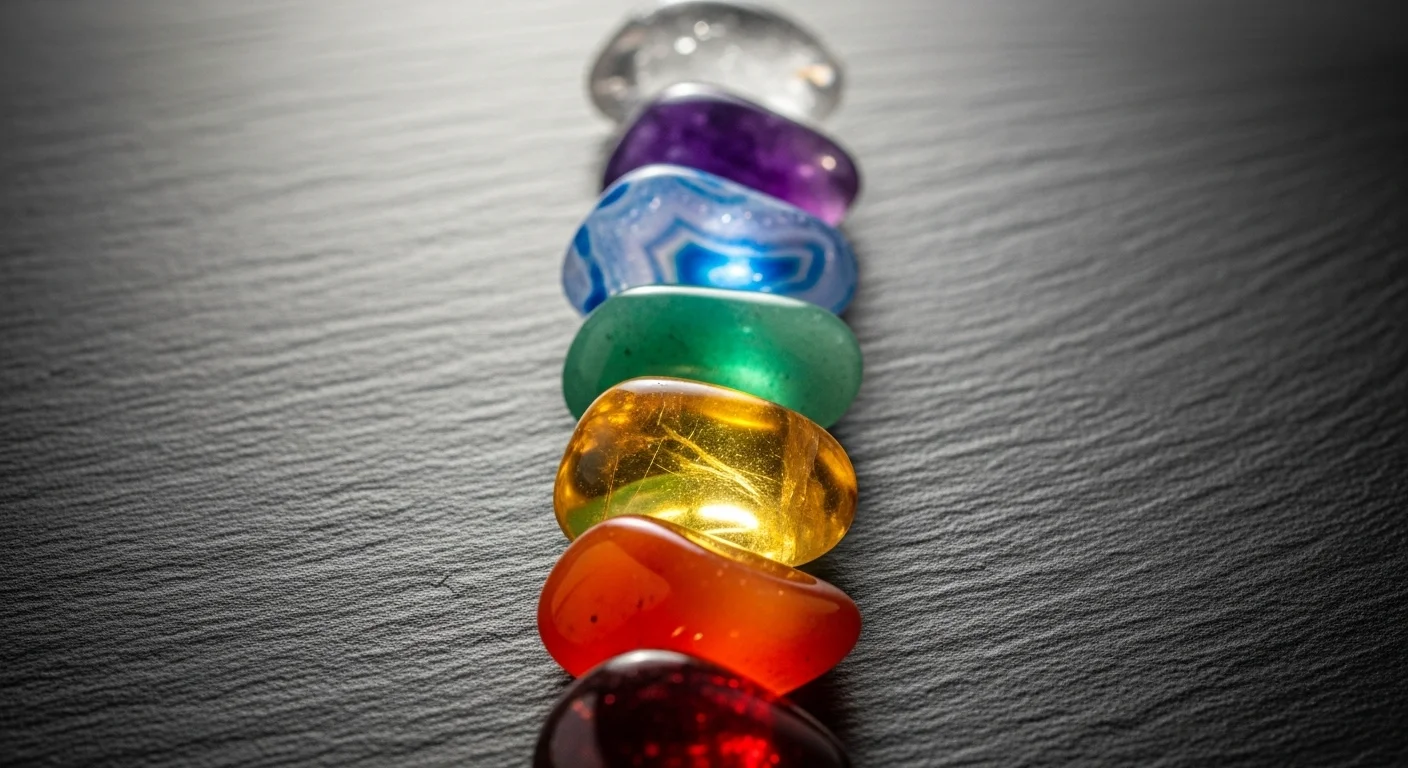
Visualizing the color green can help restore a sense of calm. Practitioners often use green stones like jade or malachite to focus on this area. These tools aim to align the energy center. This process helps to reduce stress and improve mental clarity.
The Blue Color of the Throat Chakra
The Throat Chakra is known as Vishuddha in Sanskrit. It is associated with the color blue. This energy center is located in the center of the throat. The blue color represents communication and truth. It governs the ability to speak clearly and listen effectively to others.
This specific shade of blue signifies mental clarity and honest expression. It helps individuals verbalize their thoughts and feelings without fear. When this chakra is balanced, the blue energy supports creative self-expression. It ensures that internal thoughts match external words during social interactions with people.
A blocked Throat Chakra often leads to difficulty in speech or social anxiety. To balance this area, many people focus on the color blue during meditation. Visualizing a bright blue light at the throat can help restore function. This practice encourages better communication skills daily.
Indigo and Violet Colors of the Upper Chakras
The upper chakras connect the physical body to mental and spiritual states. The sixth energy center is the Third Eye chakra, which is located in the center of the forehead. This chakra corresponds to the color indigo. It governs intuition, perception, and mental clarity.
Indigo represents deep focus and the ability to see the big picture. Above this center sits the Crown chakra at the top of the head. This final energy point corresponds to the color violet. It is associated with consciousness, wisdom, and the brain.
The violet color signifies spiritual connection and universal awareness. A balanced Crown chakra promotes a sense of peace and unity. Together, the indigo and violet colors represent the highest frequencies of the human energy system. They facilitate understanding and higher mental processing.
Your Next Step
You can deepen your knowledge even further with the comprehensive manual I’ve prepared on the 7 main chakras. In it, you’ll understand what chakras are, their physical, emotional, and spiritual aspects, as well as the associated deities. It also includes practical charts with crystals, flower essences, scents, Reiki, and much more.

Additionally, you can purchase my book, 69 Exercises for Chakra Alignment—a direct, accessible, and transformative guide filled with specific techniques to work on each chakra. This material is perfect for both those looking to apply exercises in their daily routine and therapists seeking safe, structured resources to use in their sessions.