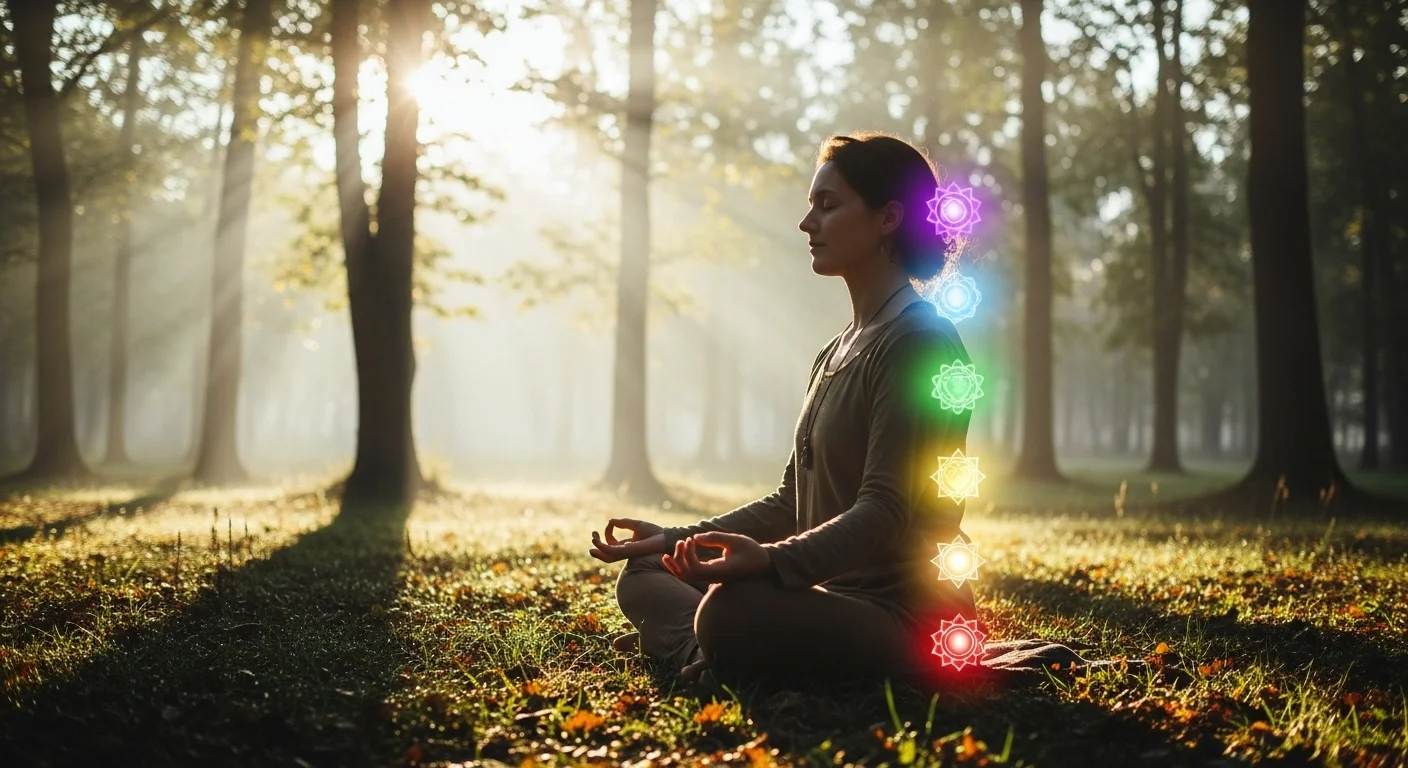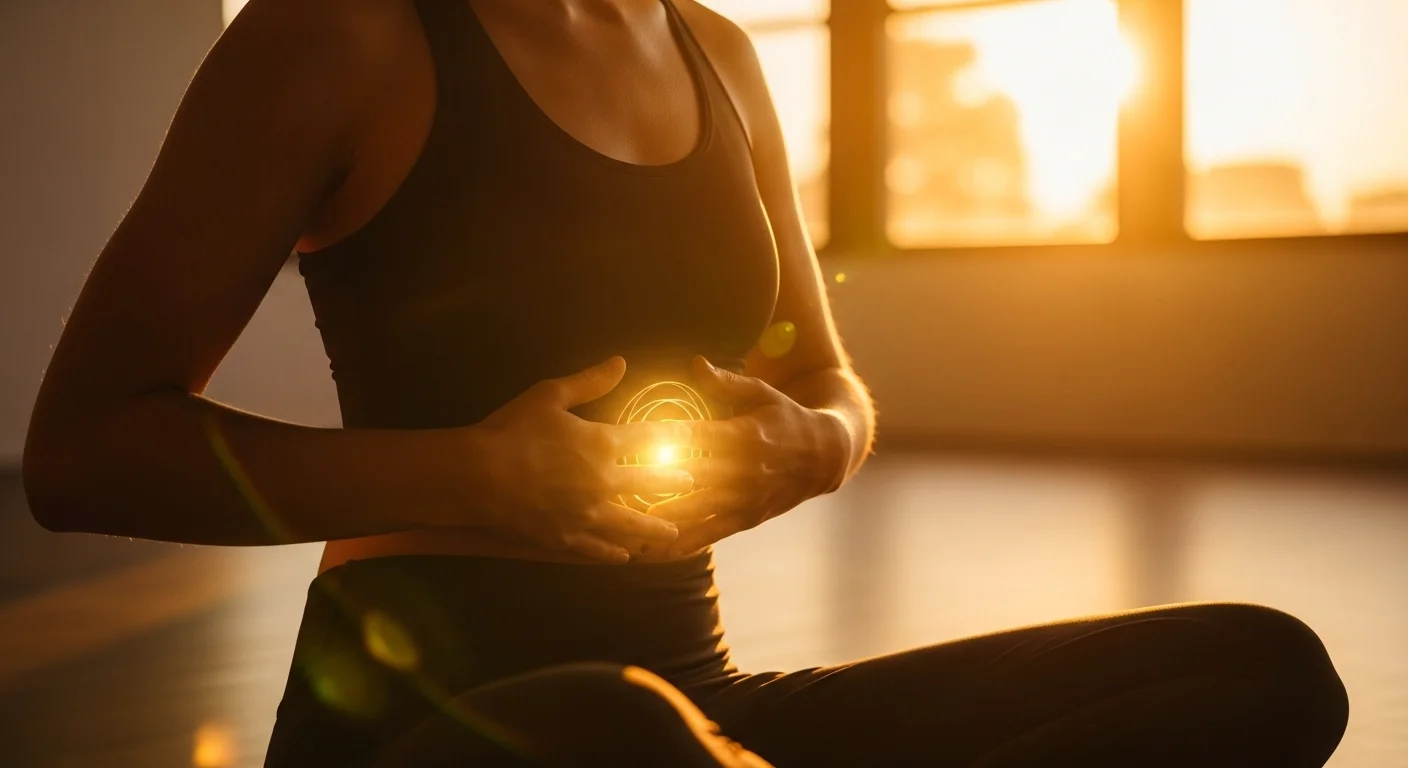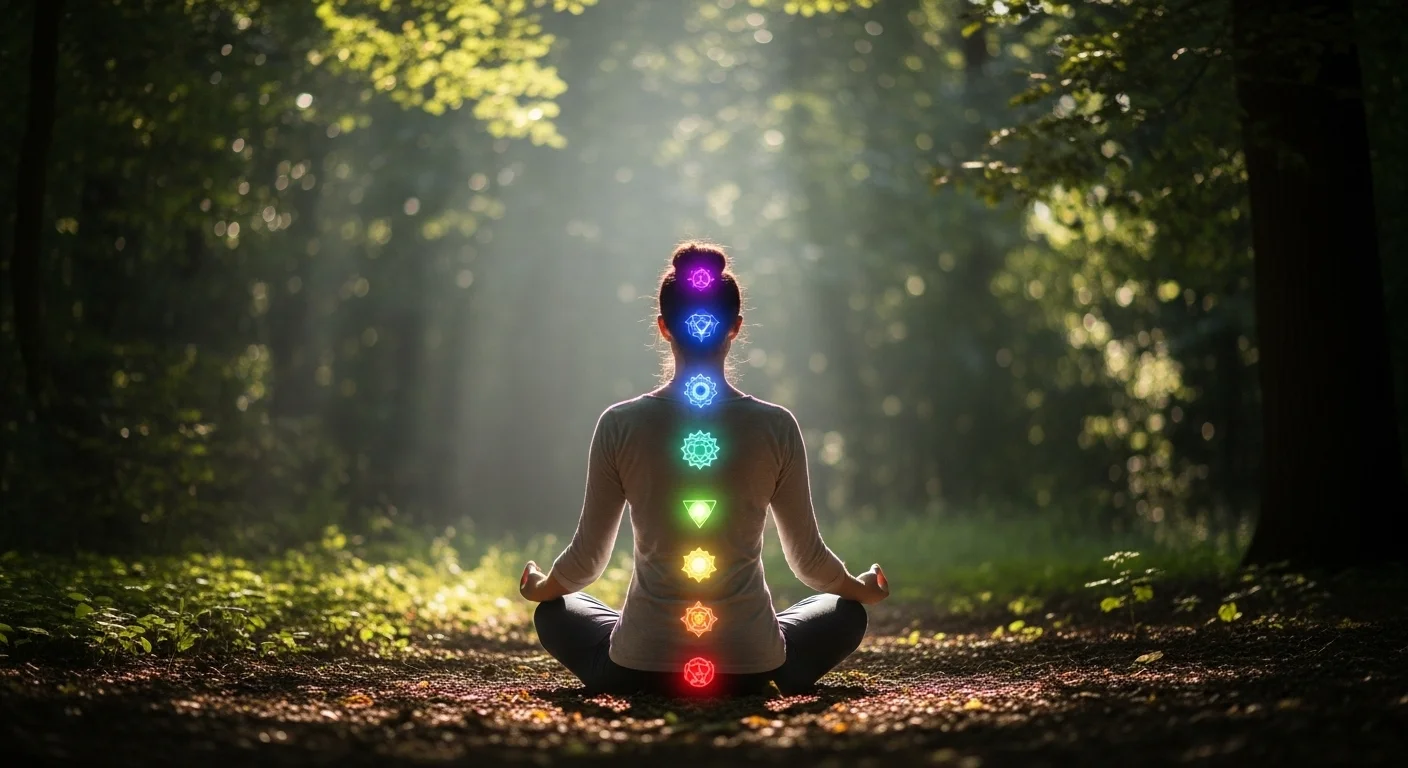
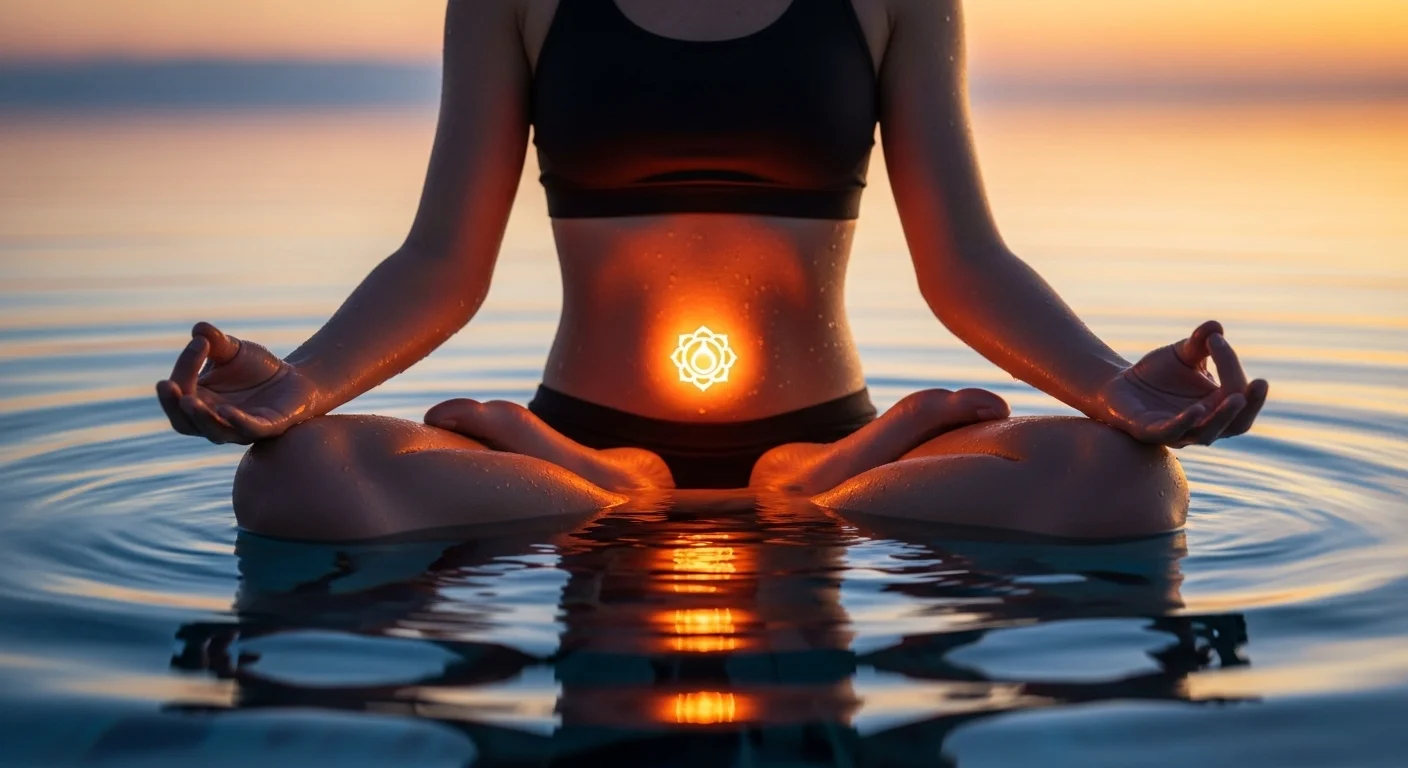
The Sacral Chakra, known as Svadhisthana in Sanskrit, is the second energy center in the human body system. It is located in the lower abdomen, approximately two inches below the navel. This specific chakra acts as the center for the color orange and the water element.
This energy center governs emotional identity, creativity, and desire. It functions as the primary focal point for personal feelings and sensual expression. When this system operates correctly, it allows individuals to experience pleasure and maintain healthy, functional relationships with themselves and other people.
A balanced Sacral Chakra supports emotional stability and reproductive health. It connects the physical body with emotional reactions, facilitating the processing of daily experiences. Blockages in this area may lead to instability, a lack of motivation, or physical issues in the pelvic region.
Location and Physical Associations
The second chakra sits in the lower abdomen. You can find this energy center approximately two inches below the navel. It extends inward toward the lumbar spine. This position allows it to govern the pelvic area and the central part of the body.
This chakra manages the reproductive system and the urinary tract. It directly influences the function of the ovaries and testes. The bladder and kidneys also fall under its control. These physical structures rely on this specific energy center for regulation and basic biological processes.
Physical associations also include the hips, pelvis, and lower back. This center regulates the movement of bodily fluids. It controls blood circulation, lymph flow, and mucus. Proper function in this area supports flexibility and stability within the skeletal and muscular systems of the pelvis.
Psychological and Emotional Functions
The Sacral Chakra governs the processing of feelings and emotions. It is linked to the ability to experience pleasure. When this center functions correctly, an individual accepts change and processes emotions effectively. This energy center also influences how a person relates to others on an emotional level.
This chakra regulates creative expression and sexual identity. It controls the psychological drive to produce new ideas. The center also manages sexual desires and the comfort one feels with their body. A balanced state supports confidence and a clear sense of personal needs and wants.
Psychological issues occur when this chakra is blocked or overactive. Common symptoms include emotional instability, dependency on others, or fear of intimacy. An individual may struggle with setting boundaries or controlling their moods. Proper function allows for stability and the ability to enjoy life without guilt.
Signs of an Unbalanced Sacral Chakra
An unbalanced sacral chakra often manifests through distinct physical symptoms in the lower body area. You may experience persistent lower back pain, tight hips, or kidney problems. Reproductive health issues are also common indicators of dysfunction in this energy center. These physical signs suggest a blockage needs attention.
Emotional instability is a primary sign of a blocked sacral chakra. You might feel overwhelmed by constantly changing moods or experience a sudden lack of creativity. Some individuals struggle with emotional detachment and feel unable to express feelings. Anxiety and depression can also result from this disruption.
Behavioral issues frequently occur when this chakra is not aligned properly. You may notice patterns of addictive behavior or a significantly low libido. Difficulties with intimacy and relationships are standard symptoms. A person might also lack the motivation to pursue hobbies or engage in social activities.
Methods to Balance the Sacral Chakra
Specific physical exercises target the pelvic region to stimulate energy flow. Yoga poses like the cobra or butterfly stretch open the hips effectively. Regular movement practices help release tension stored in the lower abdomen. This process restores proper function to the second energy center.
Since this chakra relates to the water element, hydration is essential for balance. Drinking plenty of water or swimming supports internal regulation. Consuming orange foods such as carrots, oranges, and mangoes also provides necessary nutrients. These dietary changes directly impact the body’s energy system.
Meditation focused on the lower abdomen allows for mental regulation of this center. Visualizing the color orange during silence stabilizes emotional responses. Engaging in creative hobbies like painting or writing also activates the sacral area. These mental tasks align focus with the chakra’s purpose.
Associated Stones and Dietary Recommendations
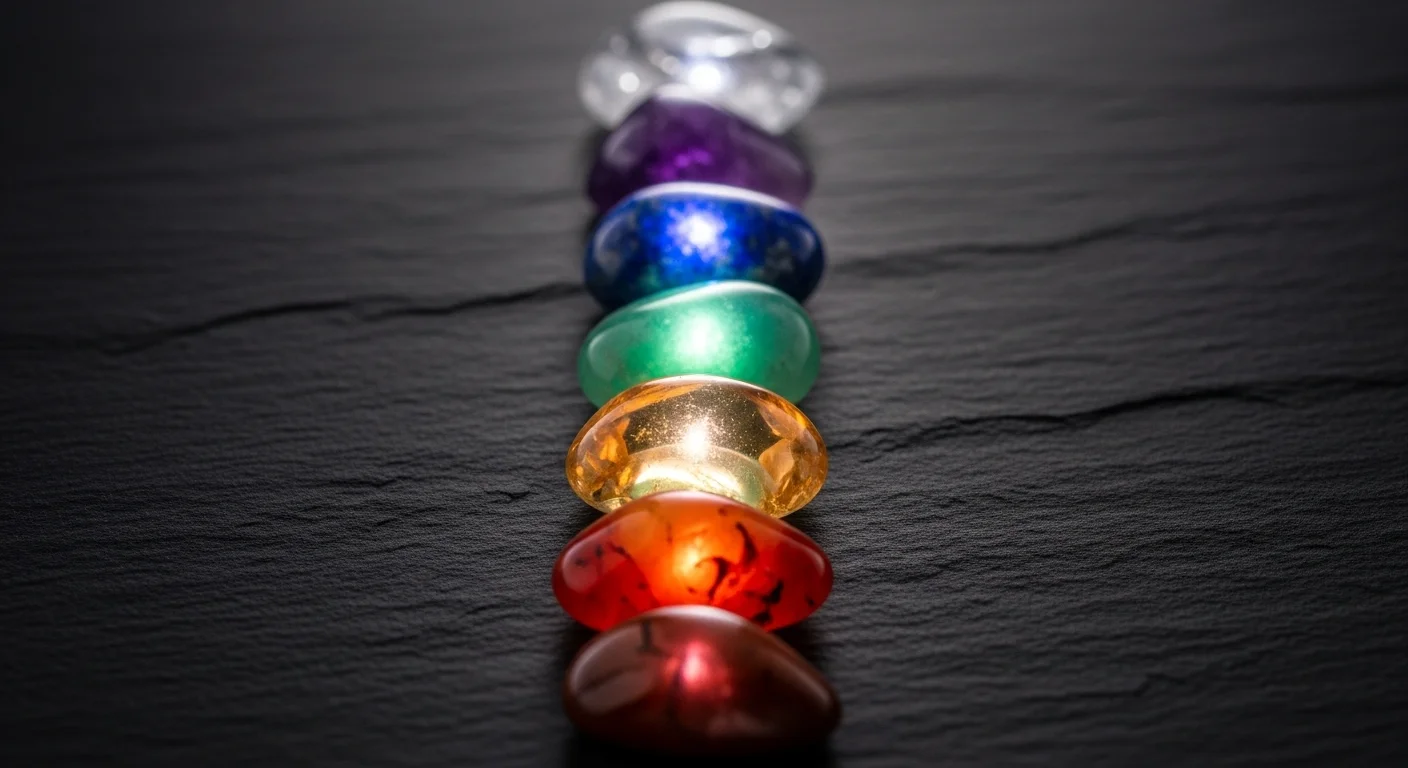
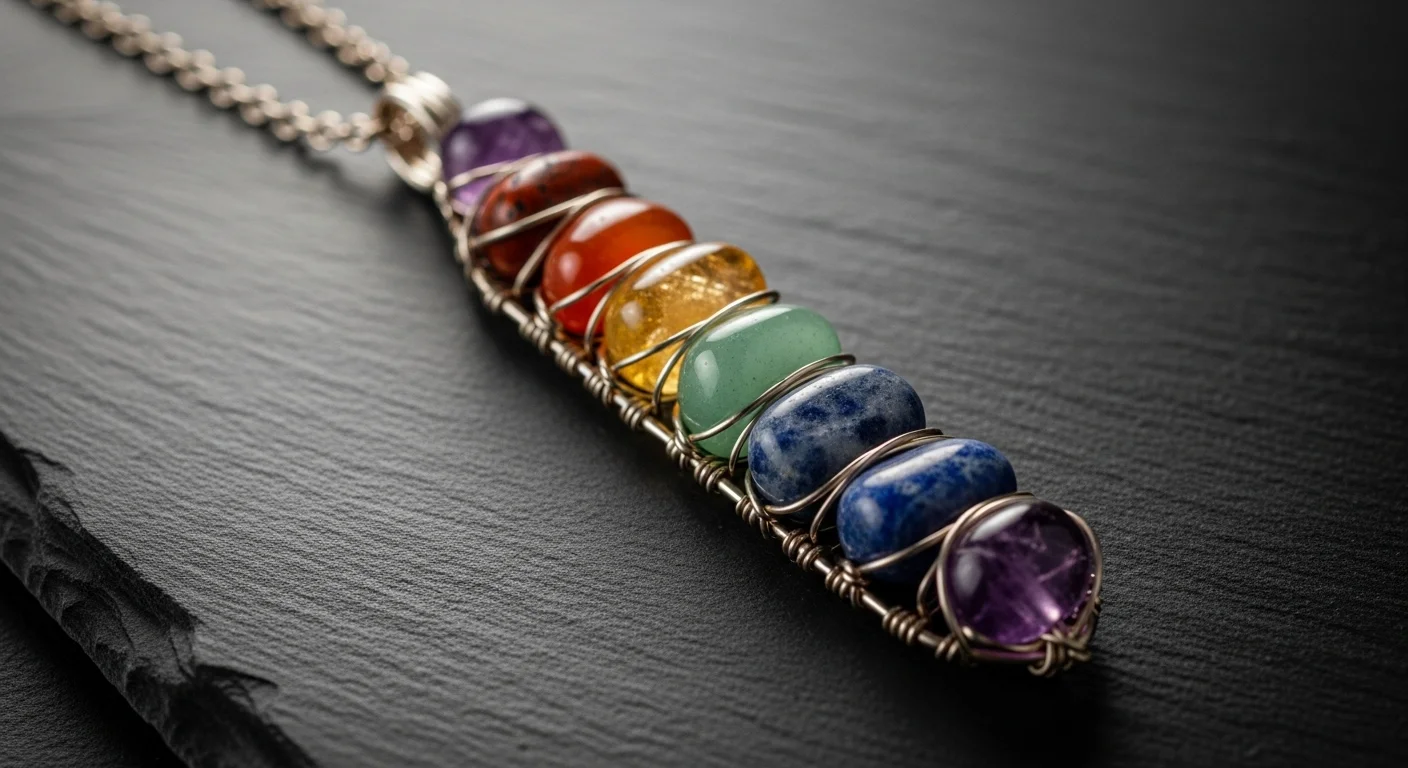
Practitioners often use orange stones to balance the Sacral Chakra. Carnelian is a common choice because it helps stabilize energy. Orange calcite acts as a cleansing stone for this center. Moonstone helps with emotional balance. You can place these stones on the lower abdomen during meditation sessions.
Dietary adjustments may support the function of this energy center. Consuming orange-colored foods is a standard recommendation. Examples include carrots, oranges, mangoes, and pumpkins. These foods provide essential vitamins. Hydration is also important for this chakra. Drinking plenty of water or herbal tea helps maintain physical health.
You should also include foods rich in healthy fats. Seeds and nuts are beneficial for the Sacral Chakra. Walnuts, flax seeds, and sesame seeds offer Omega-3 fatty acids. A balanced diet supports the physical organs located in the pelvic region. Consistency in these dietary habits yields the best results.
Your Next Step
You can deepen your knowledge even further with the comprehensive manual I’ve prepared on the 7 main chakras. In it, you’ll understand what chakras are, their physical, emotional, and spiritual aspects, as well as the associated deities. It also includes practical charts with crystals, flower essences, scents, Reiki, and much more.

Additionally, you can purchase my book, 69 Exercises for Chakra Alignment—a direct, accessible, and transformative guide filled with specific techniques to work on each chakra. This material is perfect for both those looking to apply exercises in their daily routine and therapists seeking safe, structured resources to use in their sessions.