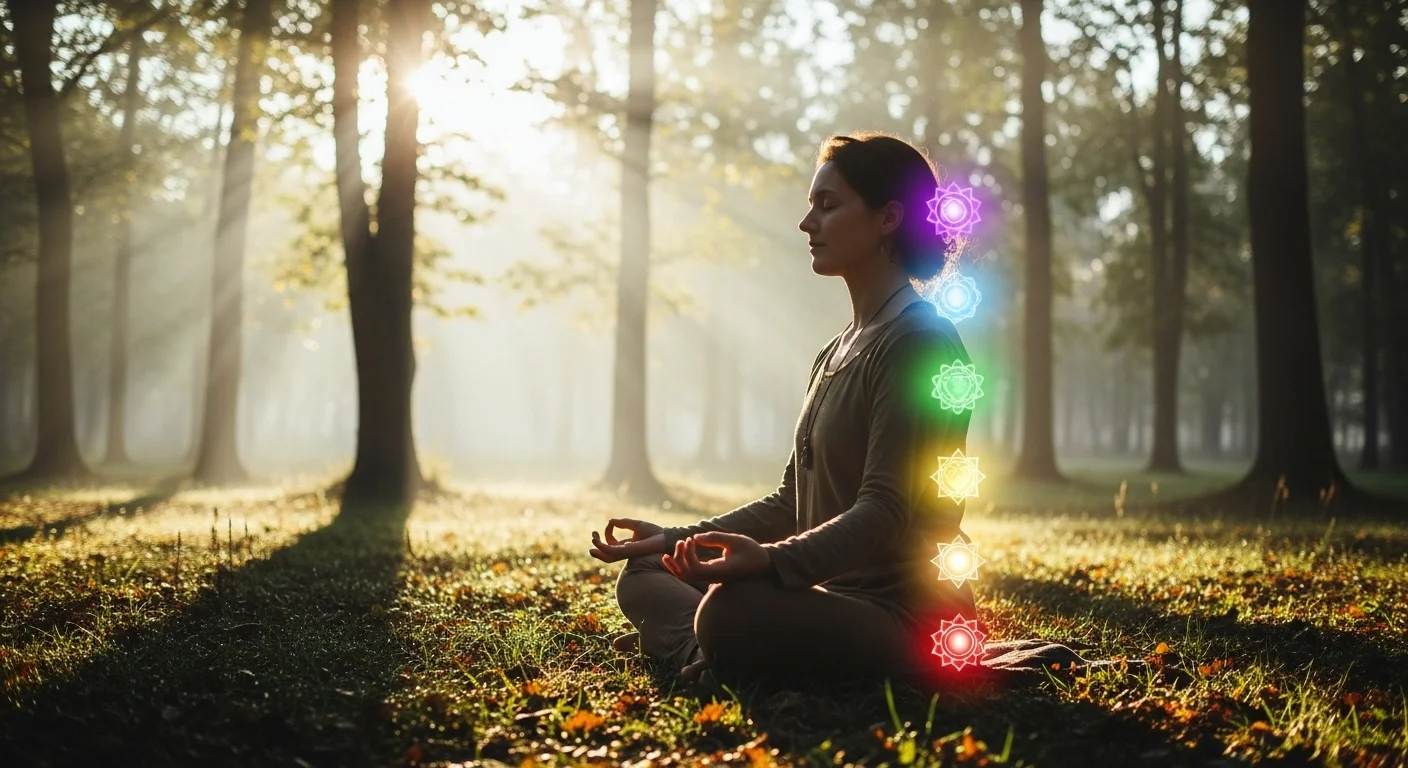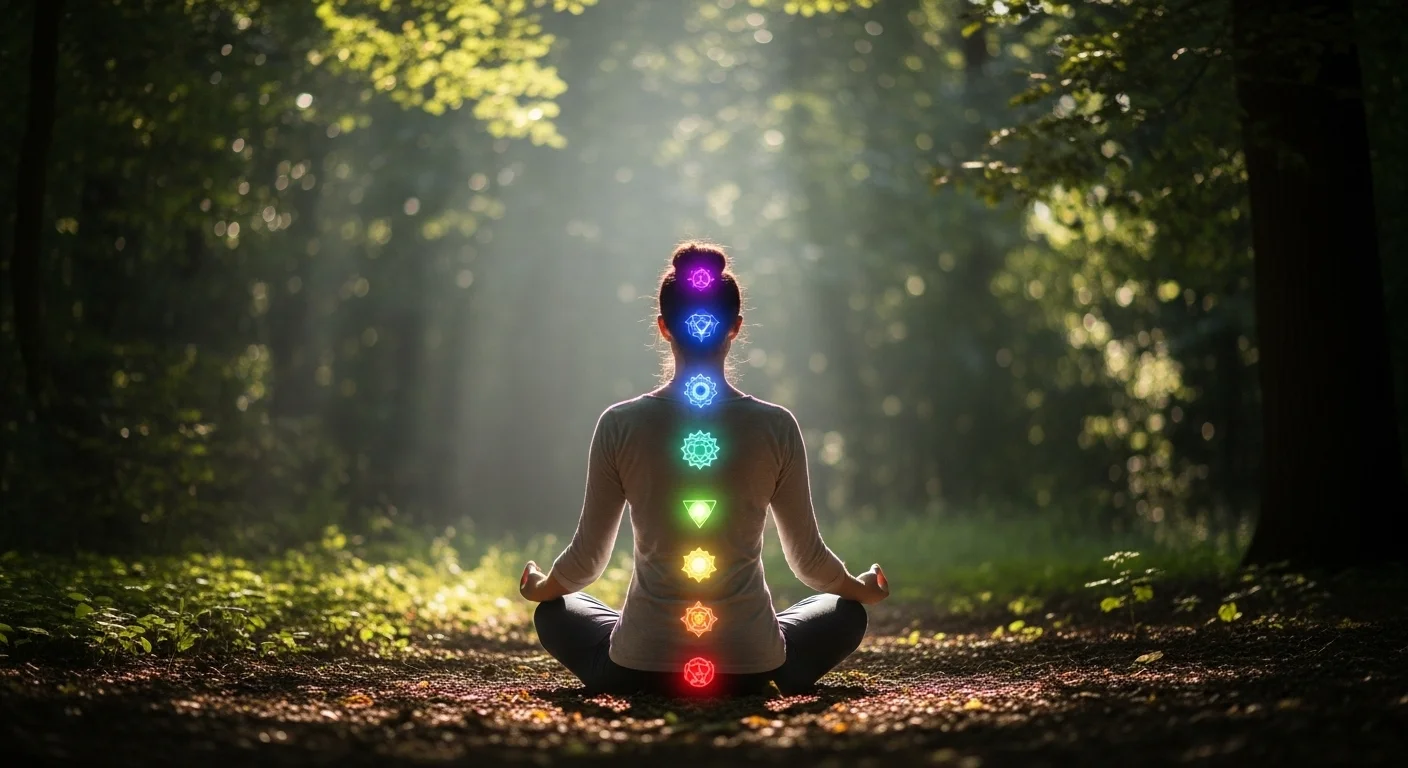

The sacral chakra is the second energy center in the human body. It is located in the lower abdomen, just below the navel. This center governs the pelvic area and the reproductive organs. It serves as the primary hub for creative energy and emotional processing within the system.
This chakra regulates the expression of basic emotions and feelings. It directly influences sexuality, pleasure, and the need for socialization. On a physical level, it manages the function of the kidneys, bladder, and lower back. Proper functioning leads to emotional stability and healthy interpersonal relationships.
The main purpose of this energy center is to support adaptability. It helps individuals accept change and move forward without resistance. A balanced sacral chakra supports confidence and clarity. It enables a person to experience life with sensation and establish distinct boundaries with other people.

Symptoms of Sacral Chakra Imbalance
An imbalance in the sacral chakra often manifests through specific physical ailments. Individuals may experience chronic pain in the lower back or hips. Problems with the reproductive organs, bladder, or kidneys are also common indicators. Additionally, a person might notice fluctuating energy levels or general lethargy.
Emotional instability is another primary sign of a blocked sacral chakra. People frequently report excessive mood swings, anxiety, or feelings of detachment from their feelings. You might feel overwhelmed by emotions or struggle to express them clearly. A sudden lack of creativity is also typical.
Behavioral symptoms often involve difficulties in personal relationships and intimacy. An underactive chakra can lead to social isolation or a low libido. Conversely, an overactive chakra may result in addictive behaviors or emotional dependency. These patterns disrupt the ability to form healthy connections with others.
Yoga Poses for Sacral Chakra Healing
Yoga practice balances energy in the body through specific physical movements. To heal the sacral chakra, practitioners focus on postures that open the hips and lower abdomen. These movements increase flexibility in the pelvic region and improve circulation to the reproductive organs located in this area.
The Goddess Pose is a common stance that strengthens the lower body and opens the pelvis. Another effective posture is the Pigeon Pose, which stretches the hip flexors deeply. Practicing the Butterfly Pose also helps by relaxing the inner thighs and reducing tension in the hips.
You should hold each position for several minutes to allow the muscles to release tightness. Deep breathing during these exercises supports physical relaxation and mental focus. Regular practice of these sequences releases stored tension in the sacral area and restores mobility to the lower spine.
Meditation and Affirmations for Balance
Meditation is a practical method to regulate the sacral chakra. Sit in a comfortable position and focus your attention on the lower abdomen. Visualize a steady orange light in this area. This mental exercise helps to clear energy blockages and restores natural flow within the body.
You can combine meditation with specific verbal affirmations to reinforce the practice. Affirmations are positive statements that reprogram thought patterns. Repeat phrases that focus on creativity and emotions. Speaking these words aloud directs intention toward the pelvic region and supports emotional stability during the session.
Common sentences for this chakra include claiming ownership of feelings and embracing pleasure. Examples are “I accept my emotions” or “I am creative.” Practice this routine daily for the best results. Consistent repetition strengthens the mind and helps maintain a balanced state over time.
Foods That Support the Sacral Chakra
A balanced diet helps regulate the body’s energy centers. Since the color orange represents the sacral chakra, consuming foods of this pigment is beneficial. Examples include carrots, oranges, mangoes, and pumpkins. These items contain essential vitamins that support physical health and energy stability.
This energy center governs fluids within the body, so hydration remains essential. Eating water-rich vegetables like cucumbers, zucchini, and melons helps maintain proper flow. Drinking sufficient clear water throughout the day also assists the kidneys and bladder, which are physically linked to this chakra.
Healthy fats and seeds provide nutrients for the reproductive system. Walnuts, flaxseeds, and sesame seeds offer Omega-3 fatty acids that reduce inflammation. Incorporating these ingredients into meals supports the physical organs associated with the sacral region, promoting overall stability and functional balance.
Crystals and Essential Oils for Therapy
Crystal therapy often uses orange stones to balance the Sacral Chakra. Common choices include carnelian, orange calcite, and citrine. Practitioners place these stones directly on the lower abdomen during meditation. This placement helps focus attention on the energy center and supports emotional stability.
Essential oils provide another method for stimulating this energy center. Ylang-ylang, sweet orange, and sandalwood are frequent recommendations for therapy. You can apply diluted oils to the skin or use a diffuser to inhale the scent. These aromas aim to promote creativity and sensuality.
Combining crystals and oils creates a comprehensive healing session. Users often hold a stone while inhaling a compatible scent. This dual approach reinforces the intention to clear blockages. Regular practice with these tools assists in maintaining a healthy flow of energy through the body.
Your Next Step
You can deepen your knowledge even further with the comprehensive manual I’ve prepared on the 7 main chakras. In it, you’ll understand what chakras are, their physical, emotional, and spiritual aspects, as well as the associated deities. It also includes practical charts with crystals, flower essences, scents, Reiki, and much more.

Additionally, you can purchase my book, 69 Exercises for Chakra Alignment—a direct, accessible, and transformative guide filled with specific techniques to work on each chakra. This material is perfect for both those looking to apply exercises in their daily routine and therapists seeking safe, structured resources to use in their sessions.