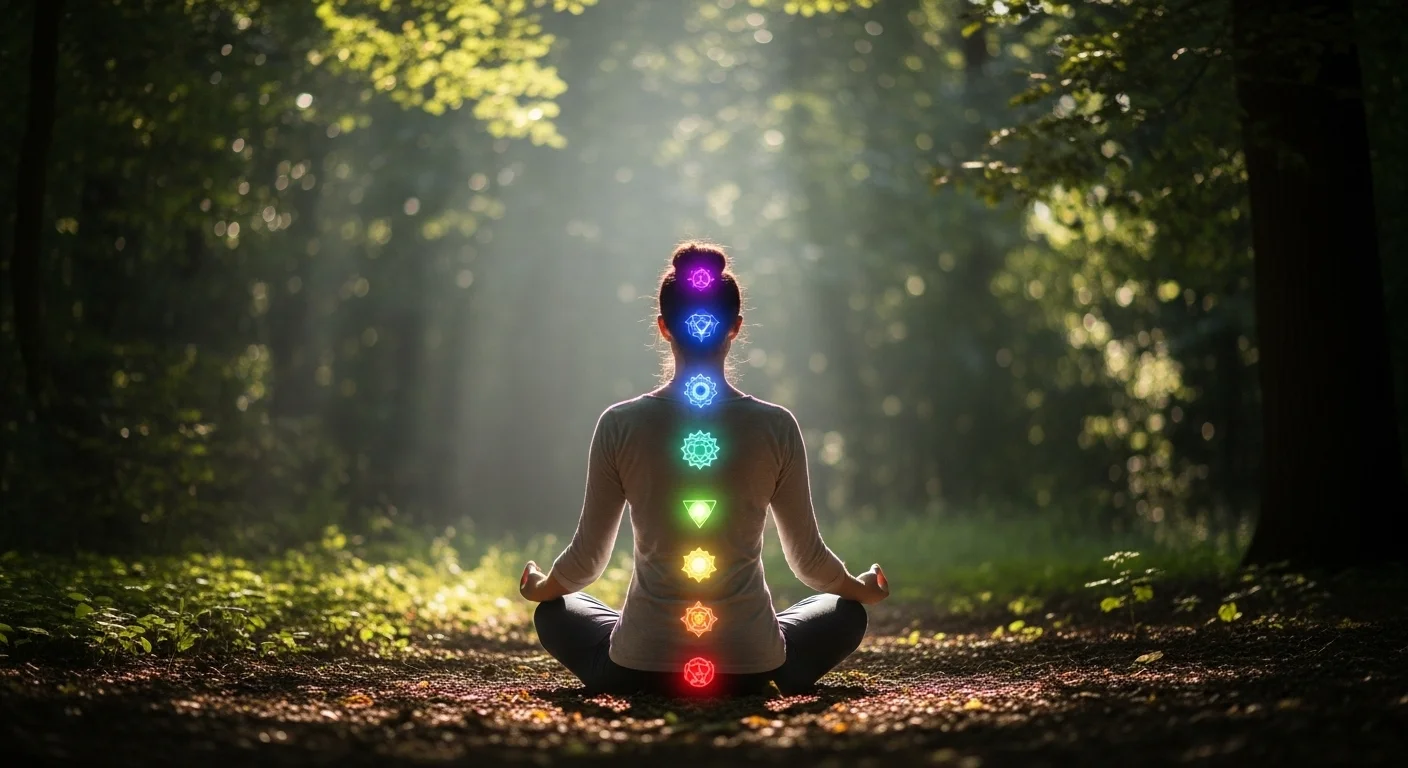
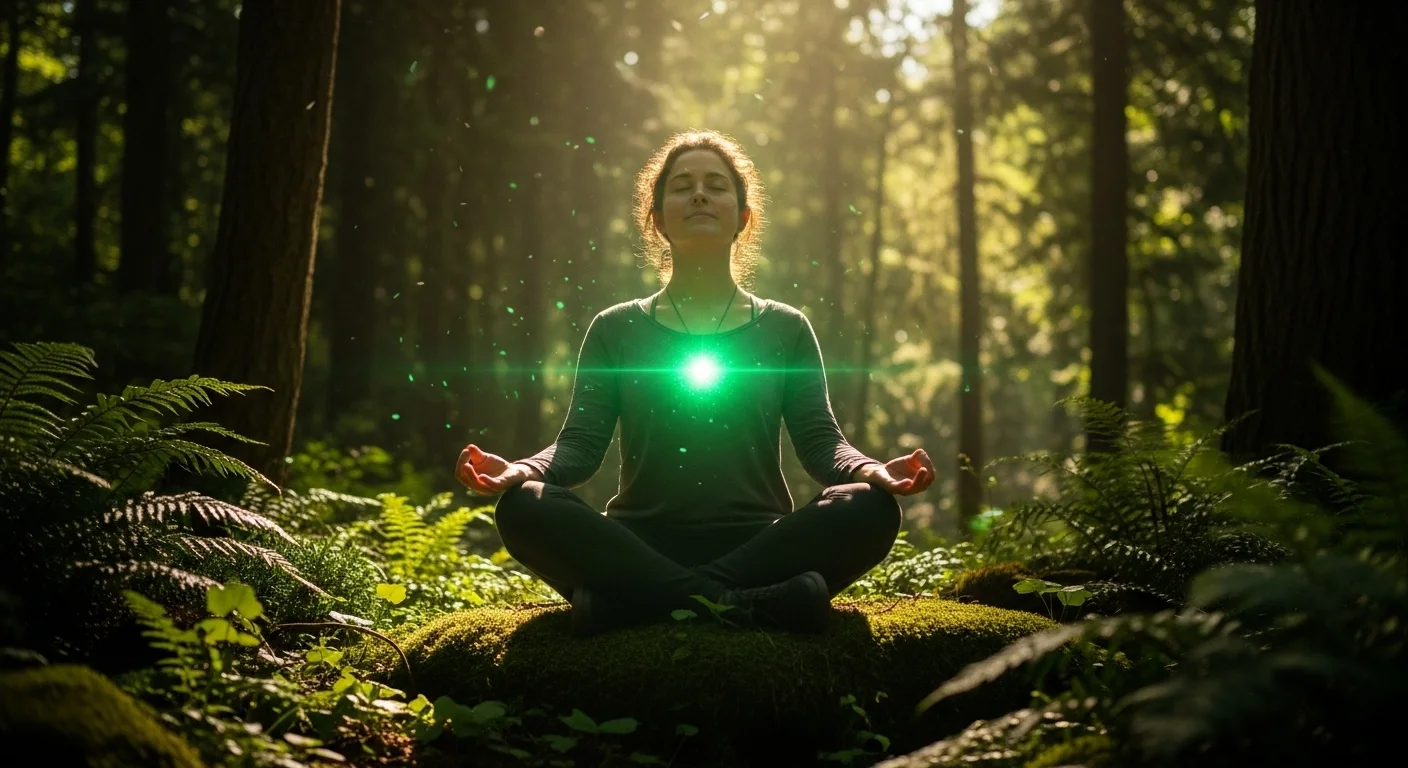
In Sanskrit, the term Anahata translates to “unstruck” or “unhurt,” symbolizing a state of purity and resilience that exists beneath our past grievances. Located at the very center of the chest, this energy center serves as the spiritual bridge between the lower chakras of matter and the upper chakras of spirit. It is traditionally represented by the color green and a twelve-petaled lotus, encompassing the physical heart, lungs, and thymus gland while governing our sense of inner peace.
As the epicenter of love and compassion, the heart chakra influences how we relate to ourselves and the world. A balanced Anahata allows for deep empathy, forgiveness, and the ability to form healthy relationships without fear of vulnerability. It is not merely about romantic affection but encompasses unconditional love for all beings. When this center is open, we move past judgment and resentment, cultivating a profound sense of unity and acceptance that radiates outward to everyone we meet.
However, when the energy in this area becomes blocked, individuals may experience feelings of jealousy, loneliness, or an inability to trust others. Physical symptoms might manifest as respiratory issues or poor circulation, reflecting this emotional constriction. Understanding the Anahata is the first step toward healing these blockages and restoring emotional equilibrium. By acknowledging the vital role of this chakra, we invite a transformation that aligns our physical vitality with our spiritual capacity for generosity and kindness.
Recognizing the Signs of a Blocked or Overactive Heart Chakra
When the energy flow within the Anahata is obstructed, the manifestation is often an overwhelming sense of isolation or emotional withdrawal. A blocked heart chakra typically results in difficulty trusting others, leading to a fear of intimacy and a tendency to hold onto past grudges. Individuals might find themselves struggling to forgive, building walls around their emotions to prevent further pain. Physically, this deficiency can sometimes present as poor circulation, shallow breathing, or visible tension in the upper back.
Conversely, an overactive heart chakra creates an excessive outpouring of energy that often lacks healthy boundaries. Those experiencing this imbalance frequently display codependent behaviors, prioritizing the needs of others to their own detriment. This state is characterized by a desperate need for approval, possessiveness in relationships, or overwhelming jealousy. Instead of balanced compassion, the love expressed becomes suffocating or conditional, eventually leading to profound emotional exhaustion and a loss of personal identity within close relationships.
Beyond emotional turbulence, physiological symptoms often serve as tangible indicators of significant alignment issues. Whether the chakra is blocked or overactive, the body may respond with heart palpitations, high blood pressure, or persistent respiratory challenges like asthma. Recognizing these physical and emotional warning signs is the crucial first step toward restoration. By acknowledging these symptoms, you can begin the necessary work of realigning your energy center, paving the way for a more grounded and emotionally stable existence.
Practical Techniques for Opening and Healing Your Heart Center
One of the most effective ways to begin healing the heart chakra is through dedicated breathwork and visualization exercises. Start by finding a quiet space and focusing on the area in the center of your chest, imagining a vibrant emerald green light expanding with every inhale. Deep, rhythmic breathing signals safety to the nervous system, allowing emotional walls to gradually soften. By consistently practicing this green light meditation, you invite a renewed sense of compassion and release stagnant energy that blocks emotional flow.
Integrating physical movement is another powerful method to stimulate the Anahata energy center. Incorporate chest-opening yoga poses such as Camel Pose or Cobra to physically expand the ribcage and release tension stored in the upper body. Additionally, spending time in nature—surrounded by the lush greenery that resonates with the heart chakra’s frequency—can naturally restore balance. Whether through purposeful stretching or simply walking outdoors, engaging the physical body bridges the gap between emotional intention and tangible energetic shifts.
Finally, cultivating a mindset of gratitude and forgiveness is essential for maintaining an open heart. Practice repeating positive affirmations daily, such as “I give and receive love effortlessly,” to actively rewire negative thought patterns. Keeping a gratitude journal can also shift your focus from lack to abundance, fostering a nurturing internal environment. These consistent mental adjustments help prevent old wounds from hardening, ensuring your emotional center remains a conduit for genuine connection and deep empathy.
Integrating Heart Chakra Practices into Your Daily Routine
Incorporating heart chakra healing into your everyday life does not require hours of meditation; rather, it involves small, intentional shifts in mindset. Start your morning by placing a hand over your heart center and setting a compassionate intention for the day ahead. You might also choose to wear green clothing or consume green vegetables, as this color is vibrationally linked to the Anahata. These physical reminders serve to ground your awareness in love before you even step out the door.
As you navigate daily responsibilities, utilize stress as a specific trigger for rebalancing. When tension arises, practice deep breathing to expand the chest and release constriction. Interpersonally, strive to listen without judgment, fostering empathy that strengthens emotional connections. If conflicts occur, practicing immediate forgiveness prevents negative energy from blocking this energy center. By consciously choosing patience over reaction, you maintain a continuous flow of harmonious energy, ensuring your heart remains open even during challenging professional or personal interactions.
Conclude your day with a reflective practice designed to nurture self-love and emotional release. Spending five minutes journaling about specific moments of gratitude can significantly amplify heart coherence. You might also engage in a brief visualization exercise, imagining a warm, emerald light enveloping your body as you prepare for sleep. Using affirmations such as “I am worthy of love” helps reprogram the subconscious mind, ensuring your rest is restorative and firmly aligned with your emotional well-being.
Your Next Step
You can deepen your knowledge even further with the comprehensive manual I’ve prepared on the 7 main chakras. In it, you’ll understand what chakras are, their physical, emotional, and spiritual aspects, as well as the associated deities. It also includes practical charts with crystals, flower essences, scents, Reiki, and much more.

Additionally, you can purchase my book, 69 Exercises for Chakra Alignment—a direct, accessible, and transformative guide filled with specific techniques to work on each chakra. This material is perfect for both those looking to apply exercises in their daily routine and therapists seeking safe, structured resources to use in their sessions.