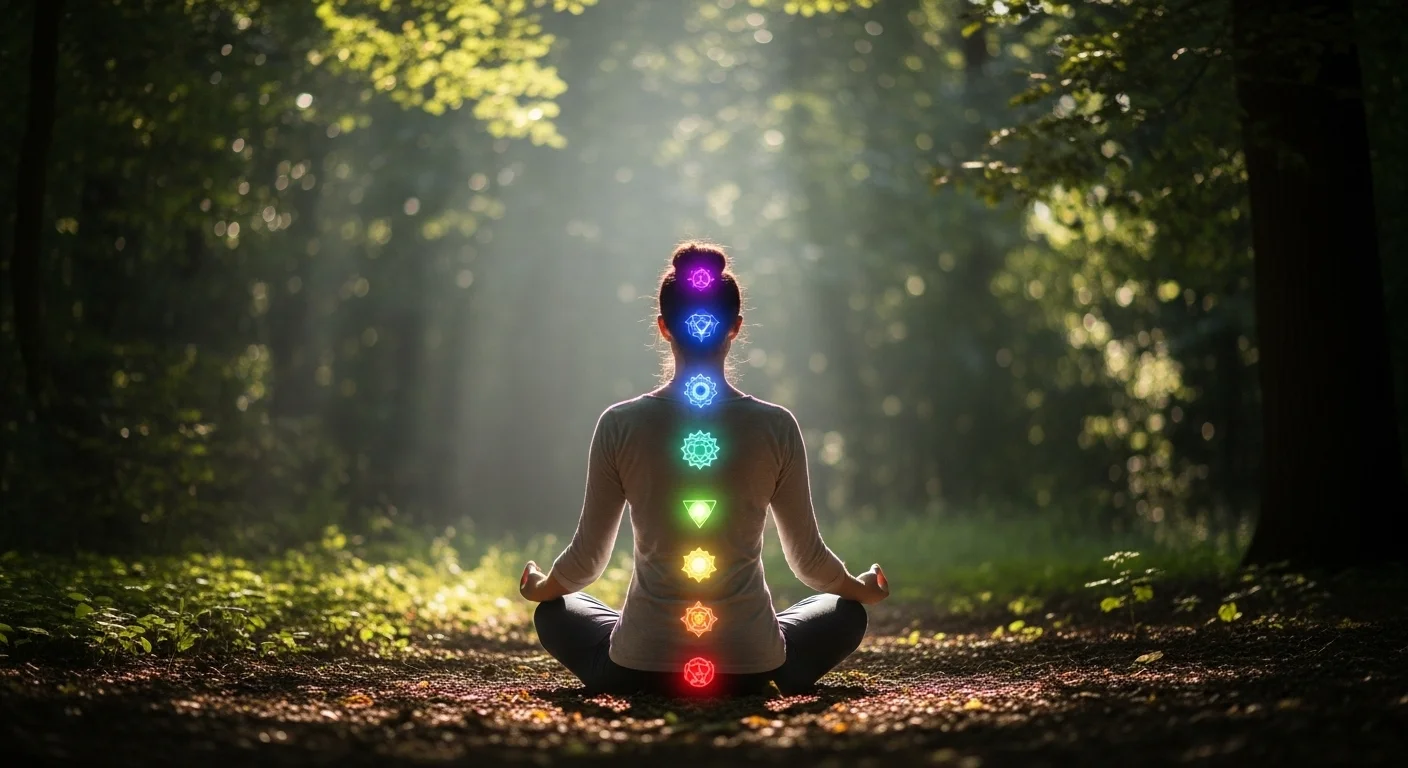

The Heart Chakra, known in Sanskrit as Anahata, serves as the spiritual bridge between the lower physical chakras and the higher spiritual centers. Located in the center of the chest, it is traditionally symbolized by a green twelve-petaled lotus flower. This energy center represents the precise point where earthly grounding meets divine consciousness, creating a vital equilibrium within the body. When we explore the meaning of Anahata, we are essentially looking at the unhurt, unstruck, and unbeaten sound of the universe.
At its core, the Heart Chakra governs our capacity for unconditional love, deep empathy, and profound compassion for both ourselves and others. Unlike the fleeting romantic passion associated with other energy centers, Anahata fosters an enduring state of acceptance and emotional healing. When this center is open and balanced, an individual experiences a sense of wholeness and interconnectedness with all of life. It acts as the seat of the soul, dictating how we relate to the world through kindness and forgiveness.
Associated with the element of air, the Heart Chakra embodies qualities of freedom, expansion, and lightness of being. This elemental connection suggests that love should be pervasive rather than constrictive. Understanding the essence of Anahata requires acknowledging its role as a transformative alchemist, converting grief and past traumas into understanding. By mastering this center, practitioners cultivate a serene resilience that remains untouched by external chaos, perfectly embodying the true spirit of the “unstruck” note.
Identifying the Symptoms of a Blocked or Imbalanced Heart Chakra
When the heart chakra is blocked, the flow of energy to the center of the chest is restricted, leading to distinct emotional challenges. You might experience profound feelings of loneliness, isolation, or an inability to connect with others on a meaningful level. This energetic stagnation often manifests as a deep-seated fear of rejection or betrayal, causing you to build emotional walls. Furthermore, individuals may struggle with self-acceptance, harboring grudges and finding it difficult to offer forgiveness to themselves or those around them.
An imbalance in the fourth chakra frequently impacts your relationships and social interactions in noticeable ways. You may find yourself becoming overly defensive, jealous, or possessive, driven by a scarcity mindset regarding love and affection. Conversely, a blockage can result in becoming a “people pleaser” who lacks healthy boundaries, sacrificing personal needs to gain approval. These behavioral patterns create a cycle of codependency or withdrawal, making it nearly impossible to sustain healthy, balanced partnerships with friends or romantic partners.
Beyond emotional turmoil, a disrupted heart chakra can present physical symptoms centered around the chest and upper back. Common complaints include poor circulation, heart palpitations, or respiratory issues like shallow breathing and asthma. Tension often accumulates in the shoulders and upper back, reflecting the weight of carrying unaddressed emotional burdens. Whether the chakra is underactive, leading to coldness and withdrawal, or overactive, resulting in overwhelming emotional outbursts, recognizing these physical cues is essential for restoring holistic harmony and energetic flow.
Practical Techniques for Healing and Opening the Heart Center
One effective approach to unblocking the Anahata involves physical movement designed to expand the chest cavity. Yoga poses such as the Camel, Cobra, or Bridge are excellent for physically opening the heart space, encouraging energetic flow through the thoracic region. Complementing these postures with pranayama, specifically deep breathwork, helps circulate stagnant energy throughout the body. By consciously directing breath into the center of the chest, you signal the nervous system to release deep-seated tension and embrace vulnerability.
Beyond physical movement, cultivating a mindset of compassion is crucial for rebalancing this energy center. Practicing loving-kindness meditation, often known as Metta, allows individuals to direct positive intentions toward themselves and others, gradually dissolving feelings of resentment or grief. Incorporating daily affirmations such as “I am open to love” or “I forgive myself completely” helps rewire negative thought patterns. This intentional mental shifting creates a safe internal environment where emotional wounds can heal, fostering a sense of connection.
Finally, integrating sensory elements into your daily routine can significantly amplify your healing efforts. Since the heart chakra is associated with the color green and the element of air, spending time in nature is naturally restorative. You might also utilize crystals like rose quartz or jade during relaxation to align vibrational frequencies with love. Additionally, using essential oils such as rose, lavender, or jasmine can stimulate the olfactory system to trigger immediate relaxation and emotional release, grounding your practice.
How a Balanced Heart Chakra Transforms Relationships and Emotional Well-being
When the Anahata is in harmony, the transformation begins internally, manifesting as a profound sense of inner peace and emotional stability. You no longer seek external validation to feel complete, as a balanced heart chakra fosters deep self-acceptance and compassion. This shift allows you to navigate life’s emotional highs and lows with grace, replacing reactivity with understanding. By healing old wounds and releasing grudges, you create the necessary space for genuine happiness and mental clarity to flourish in your daily life.
In the realm of relationships, this energetic equilibrium radically changes how you connect with others. You begin to offer love freely without attaching conditions or expectations, which naturally eliminates the strain of co-dependency. A balanced heart center empowers you to set healthy boundaries while maintaining an open and empathetic demeanor. Consequently, your interactions become more authentic and supportive, allowing you to attract partners and friends who resonate with your vibration of respect, kindness, and mutual growth.
Ultimately, sustained alignment in the heart chakra cultivates a spirit of forgiveness that dissolves feelings of isolation and resentment. You start to recognize the interconnectedness of all beings, which fosters a sense of unity rather than separation. This expansive perspective acts as a shield against toxic behaviors, ensuring that your emotional well-being remains resilient regardless of external circumstances. Living from this centered state not only heals your past but actively constructs a future built on enduring love and trust.
Your Next Step
You can deepen your knowledge even further with the comprehensive manual I’ve prepared on the 7 main chakras. In it, you’ll understand what chakras are, their physical, emotional, and spiritual aspects, as well as the associated deities. It also includes practical charts with crystals, flower essences, scents, Reiki, and much more.

Additionally, you can purchase my book, 69 Exercises for Chakra Alignment—a direct, accessible, and transformative guide filled with specific techniques to work on each chakra. This material is perfect for both those looking to apply exercises in their daily routine and therapists seeking safe, structured resources to use in their sessions.