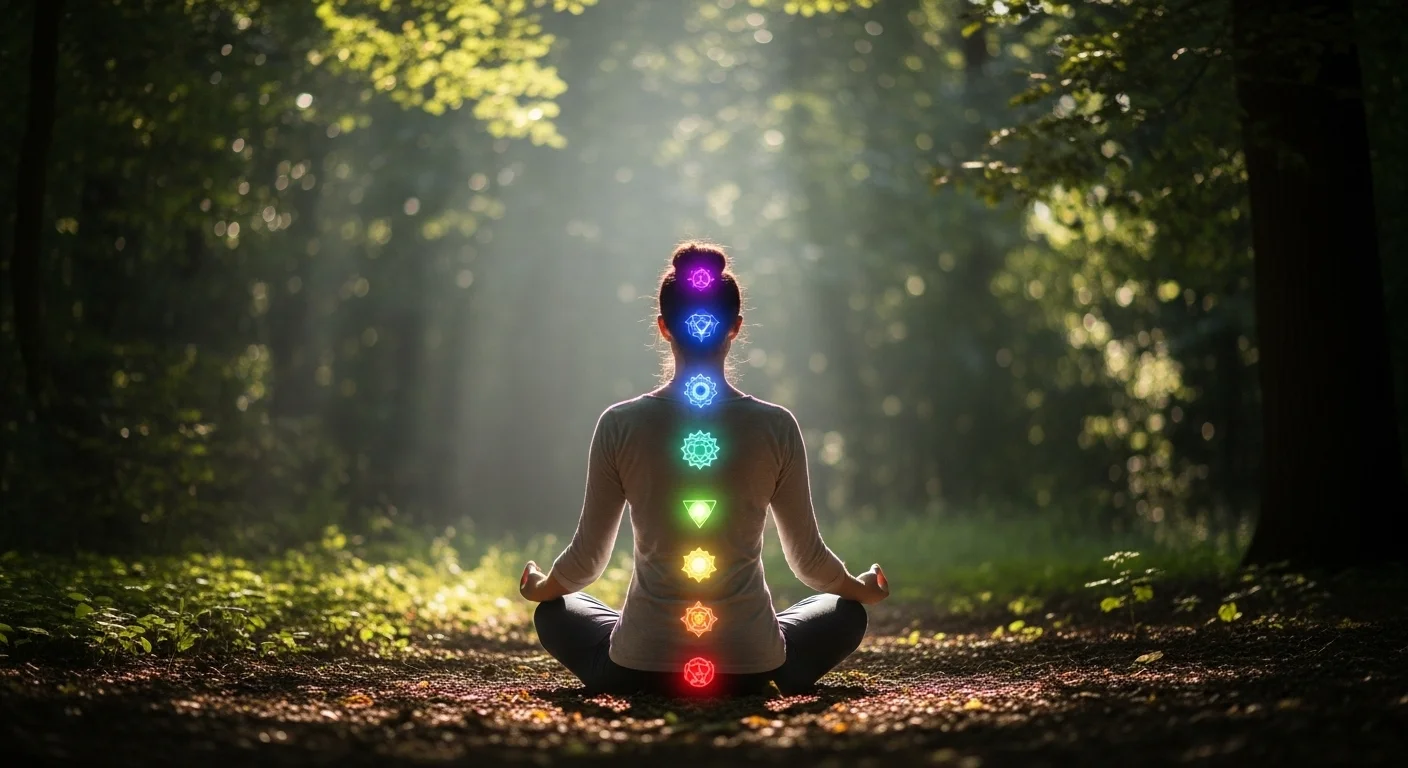

The heart chakra, or Anahata, serves as the vital center of the subtle body, positioned centrally in the chest. It acts as the profound bridge connecting the lower chakras, associated with materiality, to the upper chakras, which govern spirituality. By harmonizing these forces, this energy center facilitates a unique state of equilibrium, allowing individuals to experience deep compassion. Understanding its central position is the first step toward appreciating its critical role in maintaining a healthy, integrated energy system.
When this energy center functions optimally, it radiates the powerful frequencies of empathy, forgiveness, and unconditional love. A balanced heart chakra empowers you to form deep connections with others while simultaneously nurturing a healthy relationship with yourself. Conversely, blockages here often manifest as feelings of isolation or an inability to let go of past grievances. Recognizing the significance of this chakra means acknowledging that true emotional healing begins with the capacity to give and receive love freely.
Ultimately, the heart chakra functions as the primary driver of transformation and personal growth within your energetic system. Governed by the element of air, it teaches us to expand our consciousness and breathe through life’s challenges with grace. Prioritizing the health of the heart center is not merely self-care but a fundamental requirement for holistic wellness. By grasping its profound significance, you lay the necessary groundwork for the specific healing practices and restoration techniques that follow.
Identifying Symptoms of an Imbalanced Heart Center
When the Anahata chakra is blocked, individuals often experience a profound sense of isolation and emotional detachment from the world around them. You might find it increasingly difficult to trust others, building invisible walls to protect yourself from potential rejection or betrayal. This defensive posture frequently manifests as loneliness, a lack of empathy, or an inability to forgive past grievances. Consequently, meaningful relationships suffer as the natural flow of love and compassion becomes stifled by fear and lingering resentment.
Conversely, an overactive heart center presents challenges characterized by a lack of boundaries and overwhelming emotional dependency. Those experiencing this imbalance may find themselves loving to the point of self-sacrifice, prioritizing others while neglecting their own needs. You might feel a desperate need for external validation, leading to possessiveness, jealousy, or dramatic mood swings. This excessive outpouring of energy eventually leaves you drained, creating a cycle where emotional stability is entirely dependent on the reactions and acceptance of those around you.
Beyond emotional turmoil, the body often signals distress through physical symptoms located in the chest and upper back region. Common manifestations include recurring respiratory issues, high blood pressure, or a persistent sensation of tightness within the chest cavity. You might also experience poor circulation or tension in the shoulders and arms, reflecting the weight of emotional burdens you carry. Recognizing these somatic warning signs is a crucial step in understanding the state of your energy system and initiating the healing process.
Proven Techniques for Effective Heart Chakra Healing
One of the most powerful methods for unblocking the heart center involves targeted meditation and visualization practices. Begin by finding a quiet space and focusing your attention on the center of your chest, visualizing a vibrant emerald green light expanding with every breath you take. This simple yet profound exercise helps to dismantle energetic walls and invites compassion to flow freely. By consistently dedicating time to this practice, you create a nurturing environment for old emotional wounds to heal.
Incorporating physical elements into your daily routine further amplifies the healing process for the Anahata. Engaging in heart-opening yoga poses, such as the Camel or Cobra pose, physically expands the chest area to release stored tension and stress. Additionally, spending time in nature or keeping rose quartz and green aventurine crystals nearby serves as a tangible reminder of your intention to heal. These grounding activities connect your physical body with your emotional state, effectively bridging the gap between internal feelings and external actions.
Finally, true emotional liberation is often achieved through the conscious practice of forgiveness and the use of positive affirmations. Holding onto past grievances constricts the heart chakra, so writing a letter of forgiveness to yourself or others can be incredibly liberating. Complement this by reciting affirmations like “I am open to giving and receiving love” daily to reprogram your subconscious mind. This mental discipline shifts your perspective from fear to acceptance, ultimately restoring the natural rhythm of your emotional well-being.
Maintaining Anahata Balance for Long-Term Wellness
Sustaining the health of your Anahata chakra is a continuous journey rather than a one-time destination, requiring consistent attention to your emotional landscape. Integrating small, daily rituals into your routine is essential for preventing energy blockages from returning over time. Whether you choose to practice gratitude journaling each morning or engage in brief heart-centered meditations, these consistent habits create a resilient foundation. By treating spiritual hygiene with the same importance as physical hygiene, you ensure lasting emotional equilibrium.
Physical well-being plays a pivotal role in anchoring the energetic balance of the heart center for the long term. Incorporating chest-opening yoga poses, such as the Camel or Cobra, helps to physically expand the heart space and release stored tension. Additionally, nourishing your body with green, nutrient-rich foods aligns with the vibrational frequency of this chakra. Beyond the physical, practicing active forgiveness releases the heavy burdens of resentment, allowing love and compassion to circulate freely without obstruction.
Finally, protecting your energy through healthy boundaries is crucial for preserving the progress you have made in your healing journey. Surrounding yourself with supportive relationships and distancing yourself from toxic environments prevents your heart from instinctively closing off in self-defense. Regularly spending time in nature, particularly among trees and lush greenery, can naturally recalibrate your energy field. By consciously curating your social environment and connecting with the earth, you cultivate a safe space where your heart can thrive indefinitely.
Your Next Step
You can deepen your knowledge even further with the comprehensive manual I’ve prepared on the 7 main chakras. In it, you’ll understand what chakras are, their physical, emotional, and spiritual aspects, as well as the associated deities. It also includes practical charts with crystals, flower essences, scents, Reiki, and much more.

Additionally, you can purchase my book, 69 Exercises for Chakra Alignment—a direct, accessible, and transformative guide filled with specific techniques to work on each chakra. This material is perfect for both those looking to apply exercises in their daily routine and therapists seeking safe, structured resources to use in their sessions.