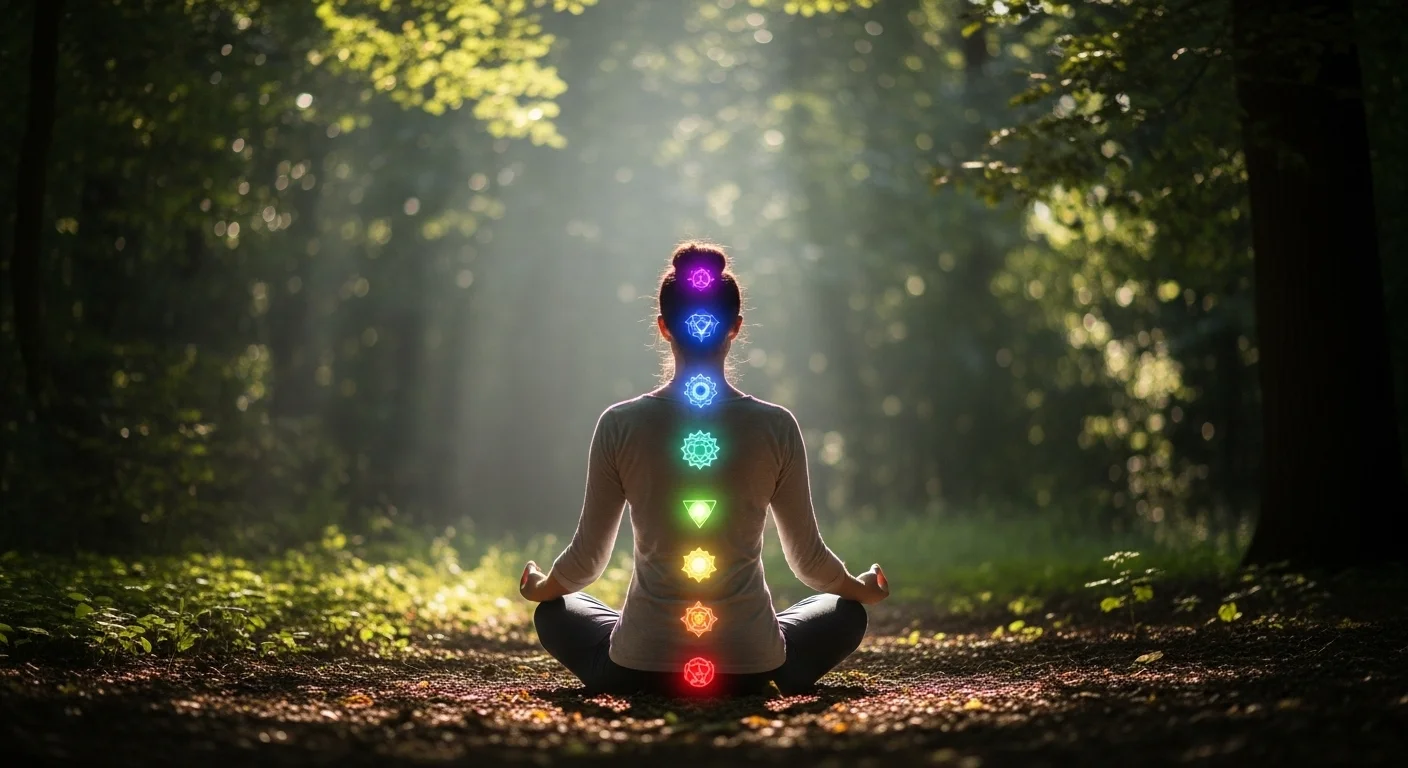
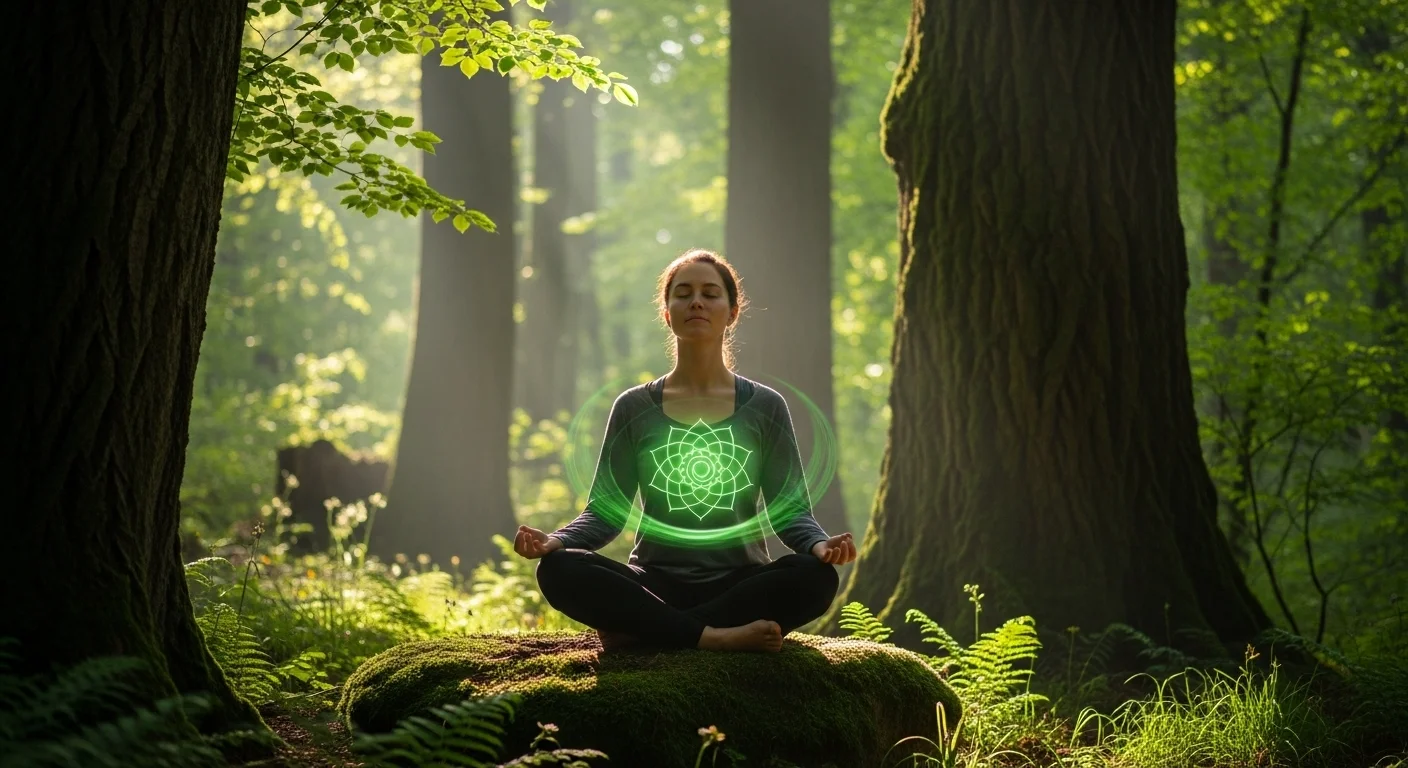
The Anahata Chakra, commonly known as the Heart Chakra, serves as the vital pivot point of the subtle body, positioned perfectly in the middle of the seven main energy centers. Located near the physical heart, it acts as a spiritual bridge connecting the lower chakras of matter and survival with the upper chakras of intuition and spirit. Its name translates from Sanskrit as “unstruck,” representing a state of pure, unbroken sound and an infinite well of compassion residing within every individual.
Governed by the element of air, the Anahata Chakra influences our ability to give and receive love freely, extending beyond romantic affection to encompass universal kindness. When this energy center is vibrant and balanced, characterized by a soothing green color, it fosters deep feelings of empathy, forgiveness, and emotional stability. Conversely, blockages here can manifest as jealousy, fear of intimacy, or holding onto grudges, highlighting the crucial need to maintain equilibrium in this center for establishing healthy, lasting relationships.
Beyond the emotional realm, the significance of the Heart Chakra extends to physical well-being, intimately linked to the heart, lungs, and circulatory system. Prioritizing the health of this center encourages a profound sense of inner peace and harmony that radiates outward into every aspect of daily life. By understanding and nurturing the Anahata, individuals unlock the potential for profound spiritual growth, moving away from ego-driven desires toward a life centered on unity, acceptance, and unconditional love for oneself and others.

Identifying Signs of Balance and Blockage in the Heart Center
When the Anahata chakra is functioning optimally, you experience a profound sense of wholeness and connection with the world around you. A balanced heart center manifests as the ability to give and receive love freely without fear or hesitation. You likely feel a deep capacity for empathy, forgiveness, and compassion toward yourself and others. This harmonious state often brings about an enduring inner peace, allowing you to navigate relationships with boundaries that are healthy rather than rigid.
Conversely, a blockage in this energy center can create feelings of isolation and emotional withdrawal. Individuals with an underactive heart chakra often struggle to trust others, leading to difficulty in forming meaningful intimate bonds. You might find yourself holding onto old grudges or feeling unable to let go of past hurts. This deficiency frequently presents as a sense of loneliness or an inability to empathize, resulting in a guarded demeanor that keeps genuine emotional connection at a distance.
Imbalances can also manifest as an overactive chakra, where love becomes suffocating or conditional. This state is characterized by codependency, jealousy, and a tendency to sacrifice your own needs entirely for the sake of others. Beyond emotional symptoms, physical cues may arise in the corresponding area of the body. You should pay attention to recurring issues involving the chest, lungs, or upper back, as these ailments can sometimes serve as somatic indicators that the heart center requires healing.
Effective Practices for Awakening and Healing the Heart Chakra
One of the most tangible ways to stimulate the Anahata is through yoga asanas that physically expand the chest. Poses such as Camel, Cobra, and Cow Face pose stretch the thoracic spine, encouraging energy flow into the heart center. By consciously breathing into these stretches, you release physical tension in the upper back, which often mirrors emotional guarding. This physical opening creates a receptive state, allowing stagnant energy to dissipate and deep compassion to flourish within.
Beyond physical movement, meditation plays a crucial role in rebalancing this energy center. A powerful technique involves visualizing a vibrant emerald green light glowing in the center of your chest, growing brighter with every inhalation. You can accompany this with loving-kindness meditation, extending wishes of well-being to yourself and others. Using affirmations like “I give and receive love effortlessly” helps rewire negative thought patterns, fostering a deep sense of emotional security and inner peace.
Integrating heart-centered habits into your daily routine further solidifies healing. Since air is the element of the Anahata, spending time in breezy, open green spaces can be incredibly restorative. Additionally, practicing conscious acts of forgiveness is essential for clearing blockages caused by past grievances. Whether journaling to release old resentments or engaging in random acts of kindness, these behavioral shifts align your actions with the frequency of love, effectively harmonizing the heart chakra for long-term balance.
Integrating Anahata Energy into Daily Life for Emotional Wellness
Integrating the energy of the heart chakra extends far beyond dedicated meditation sessions, weaving compassion into the very fabric of your daily routine. To cultivate emotional wellness, begin by practicing intentional acts of kindness toward yourself and others. Whether it is offering a genuine compliment to a colleague or simply pausing to breathe deeply during a stressful moment, these small gestures act as powerful ripples. By consciously choosing empathy over judgment in ordinary interactions, you align with Anahata’s core frequency of unconditional love.
A crucial aspect of maintaining a balanced heart center involves the active practice of forgiveness, which liberates you from heavy emotional burdens. Holding onto past resentments restricts the natural flow of energy through the Anahata, often leading to feelings of isolation. Try to view difficult relationships through a lens of understanding, acknowledging that everyone is fighting internal battles. When you release the need to assign blame, you create essential space for emotional healing and genuine inner peace to flourish within you.
Finally, you can anchor this harmonious energy by immersing yourself in nature and practicing consistent gratitude. Since the heart chakra is visually associated with the color green, spending time in lush environments helps to naturally recalibrate your emotional state. Pair this connection with a nightly gratitude journal, listing three things you appreciate about your life or relationships. This routine shifts your focus from scarcity to abundance, reinforcing a sense of interconnectedness and sustaining a healthy, open heart throughout your journey.
Your Next Step
You can deepen your knowledge even further with the comprehensive manual I’ve prepared on the 7 main chakras. In it, you’ll understand what chakras are, their physical, emotional, and spiritual aspects, as well as the associated deities. It also includes practical charts with crystals, flower essences, scents, Reiki, and much more.

Additionally, you can purchase my book, 69 Exercises for Chakra Alignment—a direct, accessible, and transformative guide filled with specific techniques to work on each chakra. This material is perfect for both those looking to apply exercises in their daily routine and therapists seeking safe, structured resources to use in their sessions.