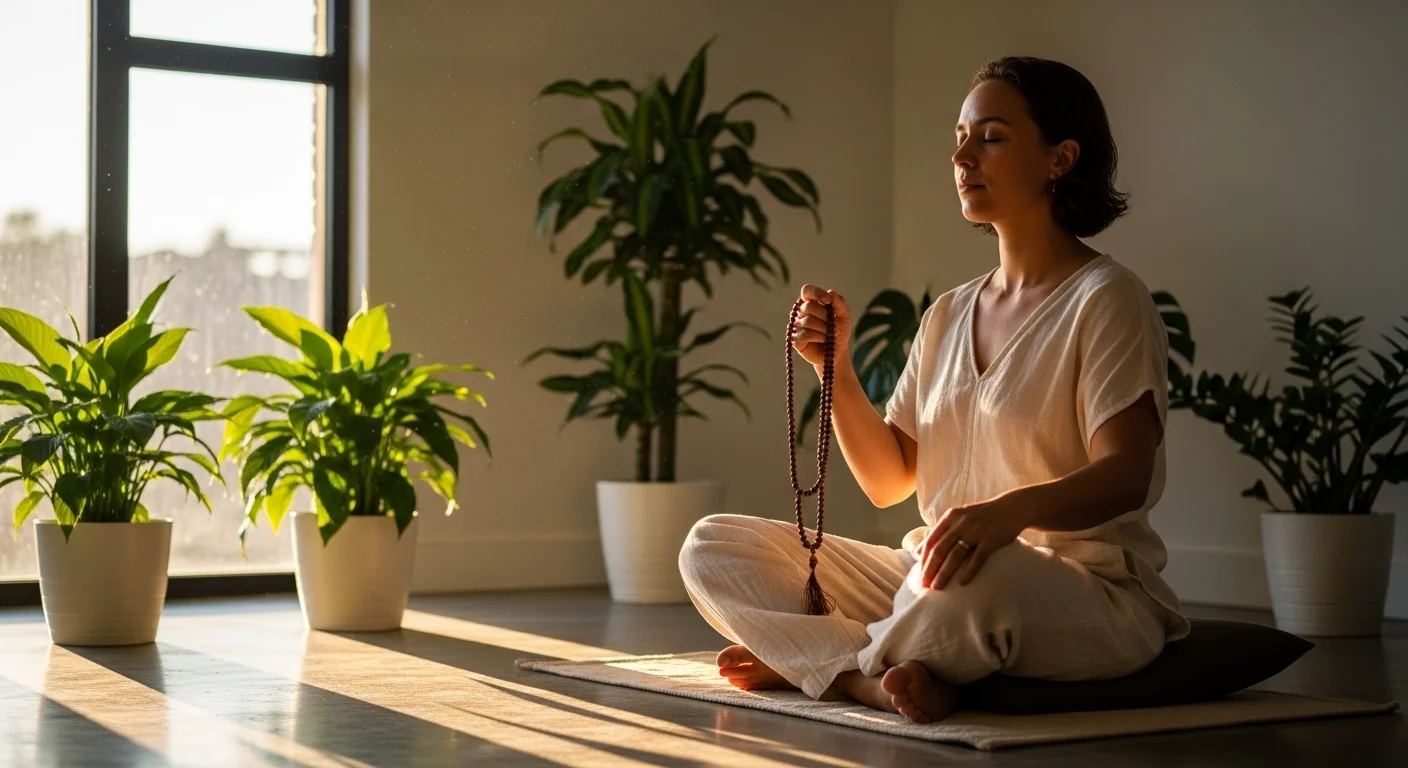
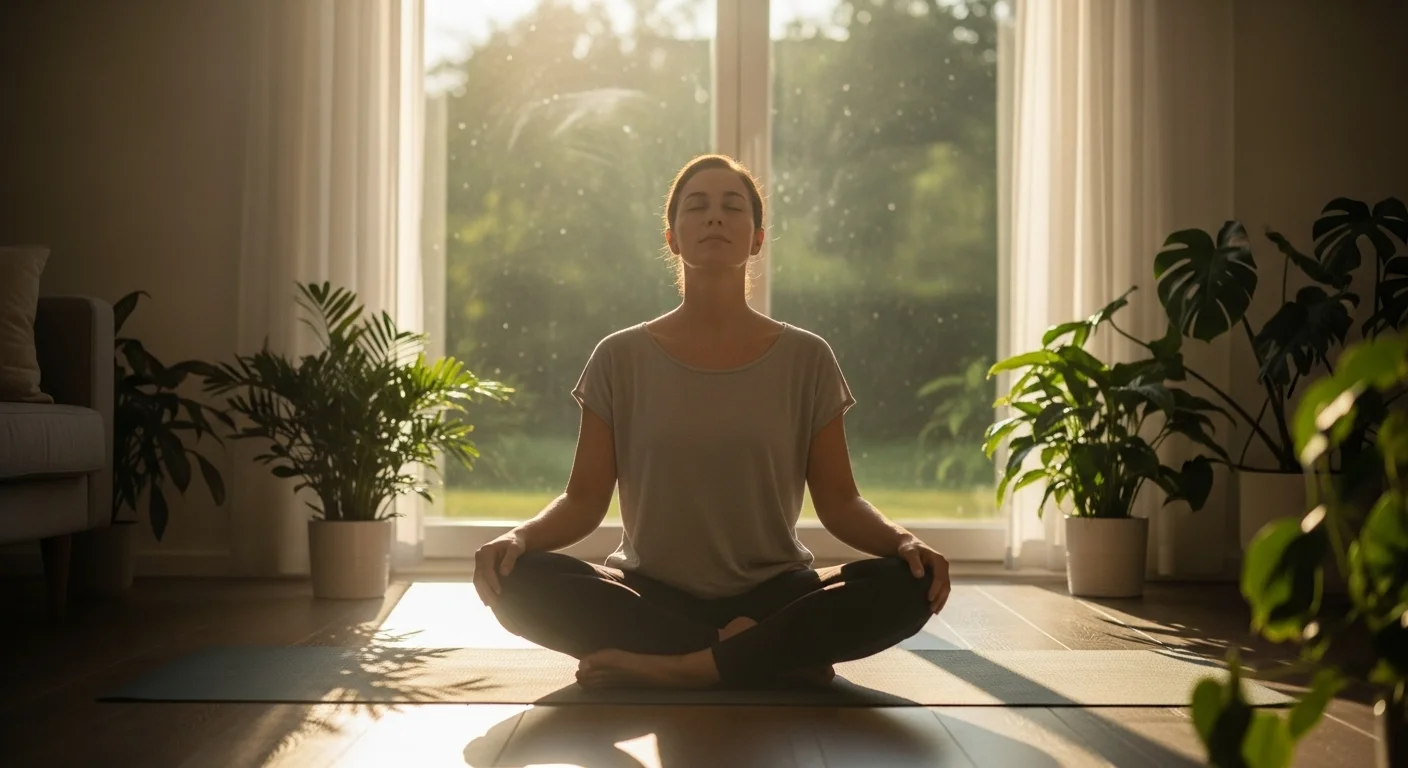
Mindfulness meditation is a mental practice that involves focusing on the present moment. Practitioners observe their thoughts and feelings without judging them as good or bad. This technique requires you to pay attention to sensations in the body and the breath. It trains the mind to remain calm and aware.
The process typically begins by sitting in a quiet space and closing the eyes. You direct your attention to the rhythm of your breathing. When the mind wanders to other topics, you notice the distraction. Then, you return your focus to the breath without reacting emotionally to the intrusion.
This practice does not aim to stop thoughts or empty the mind completely. Instead, the objective is to build awareness of mental patterns. By observing the mind clearly, an individual learns to recognize impulses. This leads to a state of mental clarity and emotional stability during daily activities.
Evidence-Based Benefits of the Practice
Clinical studies frequently show that mindfulness meditation reduces symptoms of stress and anxiety. Researchers have observed that regular practice lowers cortisol levels in the body. This process helps individuals manage daily pressures more effectively. Many therapists recommend this technique as a standard treatment for mental health conditions.
Scientific data indicates that meditation improves cognitive functions such as attention and memory. Brain imaging reveals structural changes in areas responsible for learning and focus after consistent training. These changes allow practitioners to sustain concentration for longer periods and process information with greater speed and accuracy.
Medical research also demonstrates positive effects on physical health markers. Studies link mindfulness to lower blood pressure and improved sleep quality among participants. By activating the relaxation response, the body recovers from strain more efficiently. This contributes to better overall heart health and reduced risk of illness.
How to Prepare for a Meditation Session
Find a quiet place where nobody will disturb you during the session. This helps you focus entirely on the practice. Turn off your phone or put it on silent mode to avoid distractions. Choose a specific time of day to build a consistent habit.
Wear loose clothing that does not restrict your breathing or movement. Sit on a chair or a cushion with your back straight. Rest your hands on your lap comfortably. Close your eyes or lower your gaze to limit visual input during the meditation period.
Set a timer for the desired duration of your practice. Start with five or ten minutes if you are a beginner. Take a few deep breaths to relax your body before you begin. Commit to remaining still until the timer signals the end.

Step-by-Step Instructions for Mindfulness
Begin by finding a quiet location to sit. You may sit on a cushion or use a chair. Keep your spine straight to maintain an upright posture. Rest your hands on your lap. Close your eyes or simply lower your gaze toward the floor to limit distractions.
Direct your attention to your breathing. Observe the sensation of air entering and leaving your nostrils. Feel your abdomen rise and fall. Do not attempt to alter the speed or depth of your breath. Simply observe the physical process of breathing as it happens naturally.
Your mind will eventually wander away from the breath. This occurrence is normal. When you notice a new thought, acknowledge it immediately. Return your attention to the physical sensation of breathing. Repeat this action every time a distraction arises. Continue this practice for five to ten minutes.
Common Distractions and How to Handle Them
When you meditate, your mind will wander often. This is a normal part of the process. You might think about your daily tasks or memories from the past. Do not judge yourself for these thoughts. Simply notice that your attention has moved away from the breath.
Physical sensations can also interrupt your practice. You may feel an itch or some discomfort in your body. External noises like traffic or voices can occur too. Acknowledge these distractions without reacting to them emotionally. Return your focus to your meditation anchor or your breathing pattern.
The act of returning to the present moment is the core exercise. Every time you notice a distraction, gently bring your focus back. This repetition strengthens your ability to concentrate over time. Consistency is important for improvement, so practice this redirection during every session you perform.
Establishing a Consistent Daily Routine
You must meditate every day to see results. It is best to choose one specific time for your practice. Many people find the morning is the best time because the house is quiet. However, you can also meditate in the evening before you go to sleep.
Select a quiet place where no one will disturb you. You do not need a special room, but you need silence. Start with short sessions to build the habit slowly. Five or ten minutes is enough time for a beginner to practice mindfulness effectively each day.
Connect your meditation to a habit you already have. For example, meditate right after you brush your teeth. This method helps your brain remember the task. Do not worry if you miss a day, but try to return to your schedule as soon as possible.