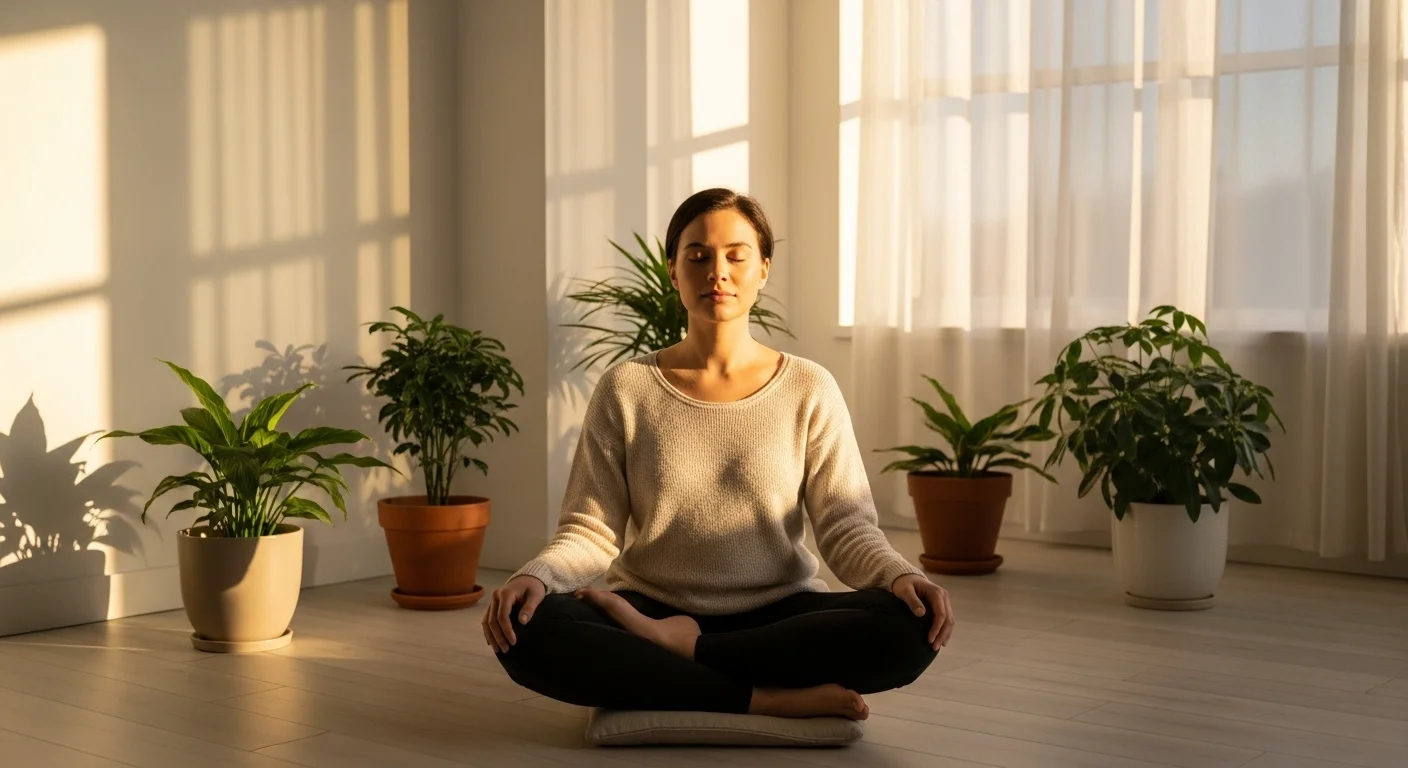
Mindfulness meditation is a mental training practice that involves focusing your attention on the present moment. You observe your thoughts, feelings, and physical sensations without judging them as good or bad. This technique helps you become fully aware of where you are and what you are doing.
During the practice, you usually concentrate on a specific focal point, such as your breathing. When your mind wanders, you simply notice the distraction and return your focus to the breath. This process teaches you how to observe your mental activity instead of reacting to it automatically.
The goal is not to stop your thoughts or empty your mind completely. Instead, you learn to view your thoughts as temporary events that pass. This builds a skill called self-regulation, which allows you to manage stress and emotions more effectively in your daily life.
Benefits of Mindfulness Meditation
Mindfulness meditation significantly reduces stress levels in the body. Regular practice lowers the production of cortisol, which is a primary stress hormone. This process helps individuals manage anxiety and depression more effectively. It creates a stable mental state and promotes better emotional regulation during difficult situations.
This practice improves cognitive functions such as focus and concentration. Studies show that people who meditate demonstrate longer attention spans. It also enhances memory retention and the ability to process information quickly. A consistent routine trains the brain to ignore distractions and maintain mental clarity throughout the day.
Practicing mindfulness supports physical health by lowering blood pressure and improving heart health. It also aids in better sleep patterns by relaxing the body and mind before bed. Many practitioners report fewer symptoms of insomnia and fatigue. These physical changes contribute to an overall sense of well-being.
How to Prepare for Your Practice
Select a quiet room where you will not encounter distractions. Turn off your phone or place it in another room to ensure focus. Choose a specific time of day for your session. Morning hours often work well because the mind is usually clearer then.
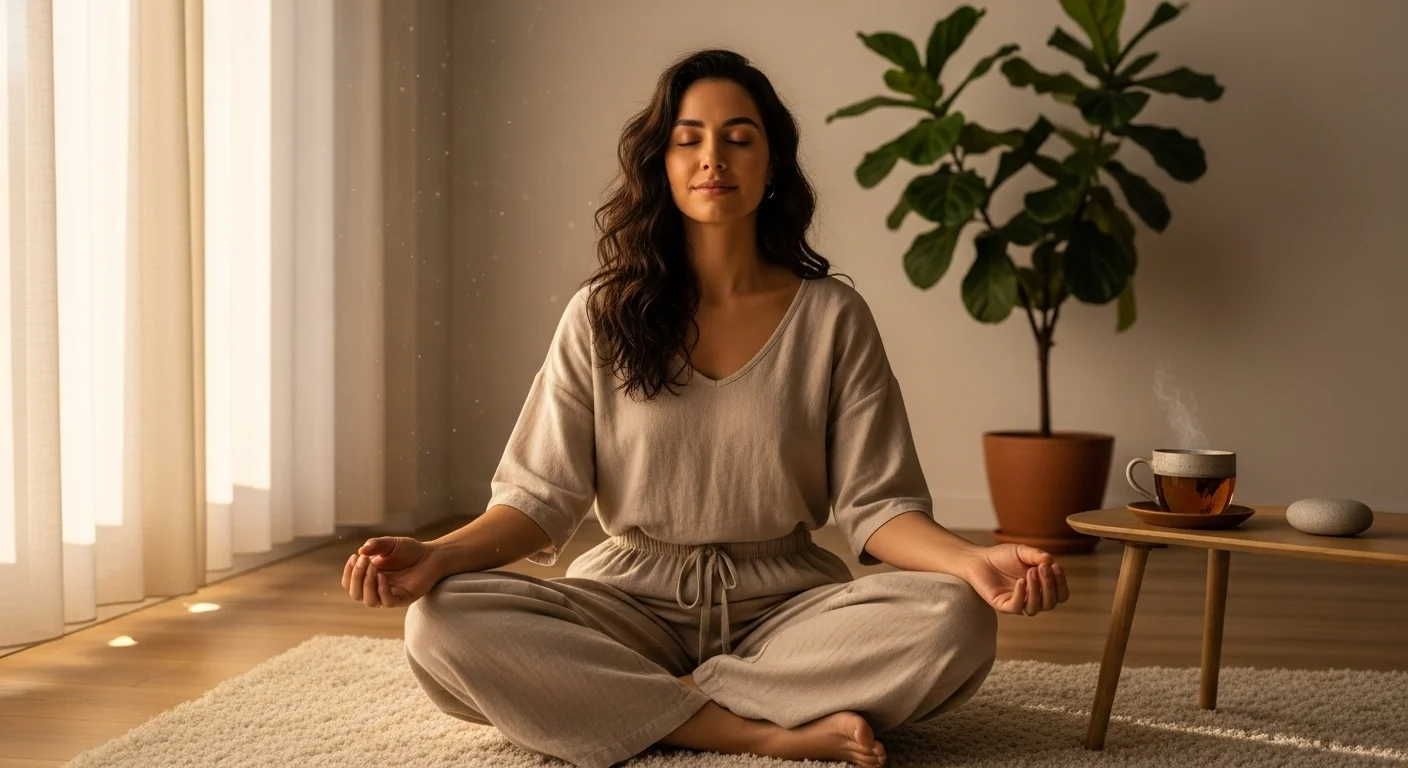
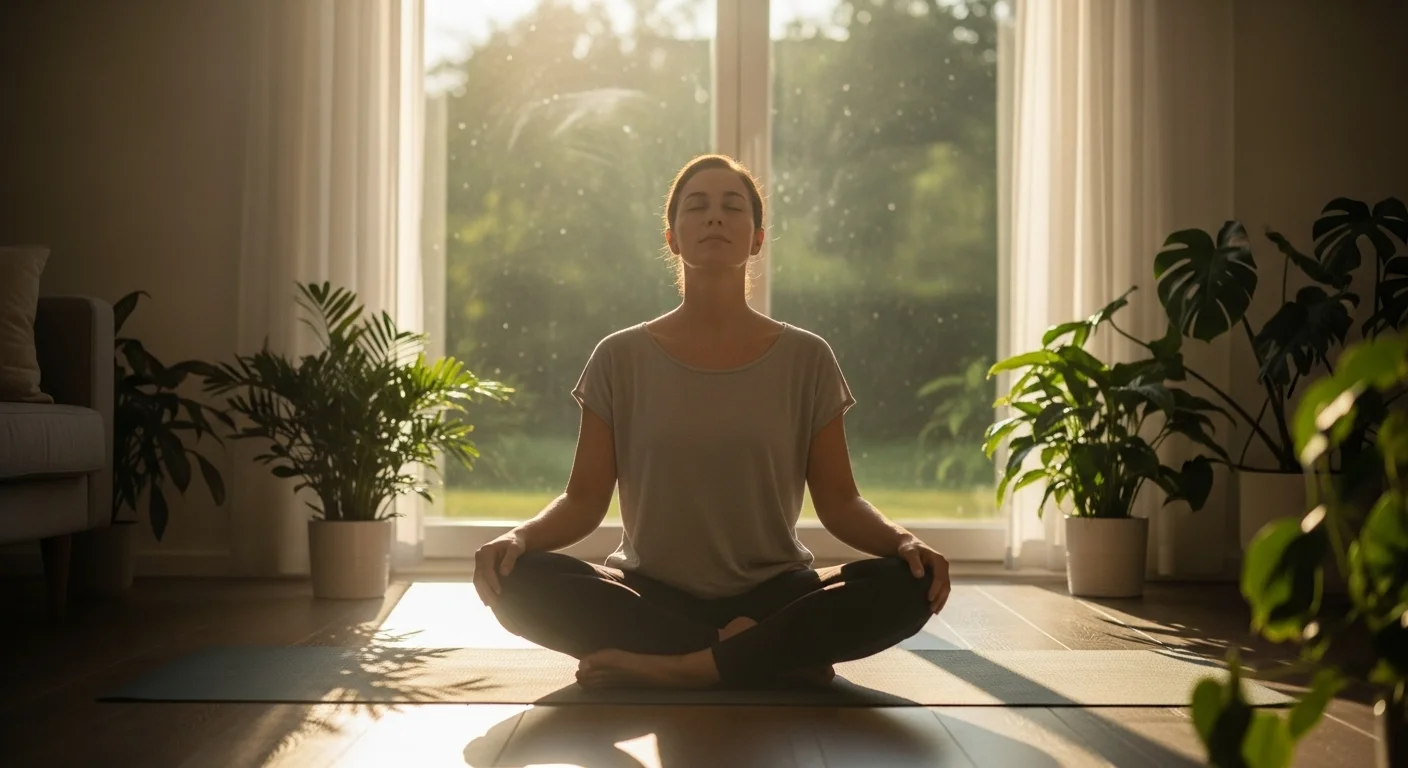
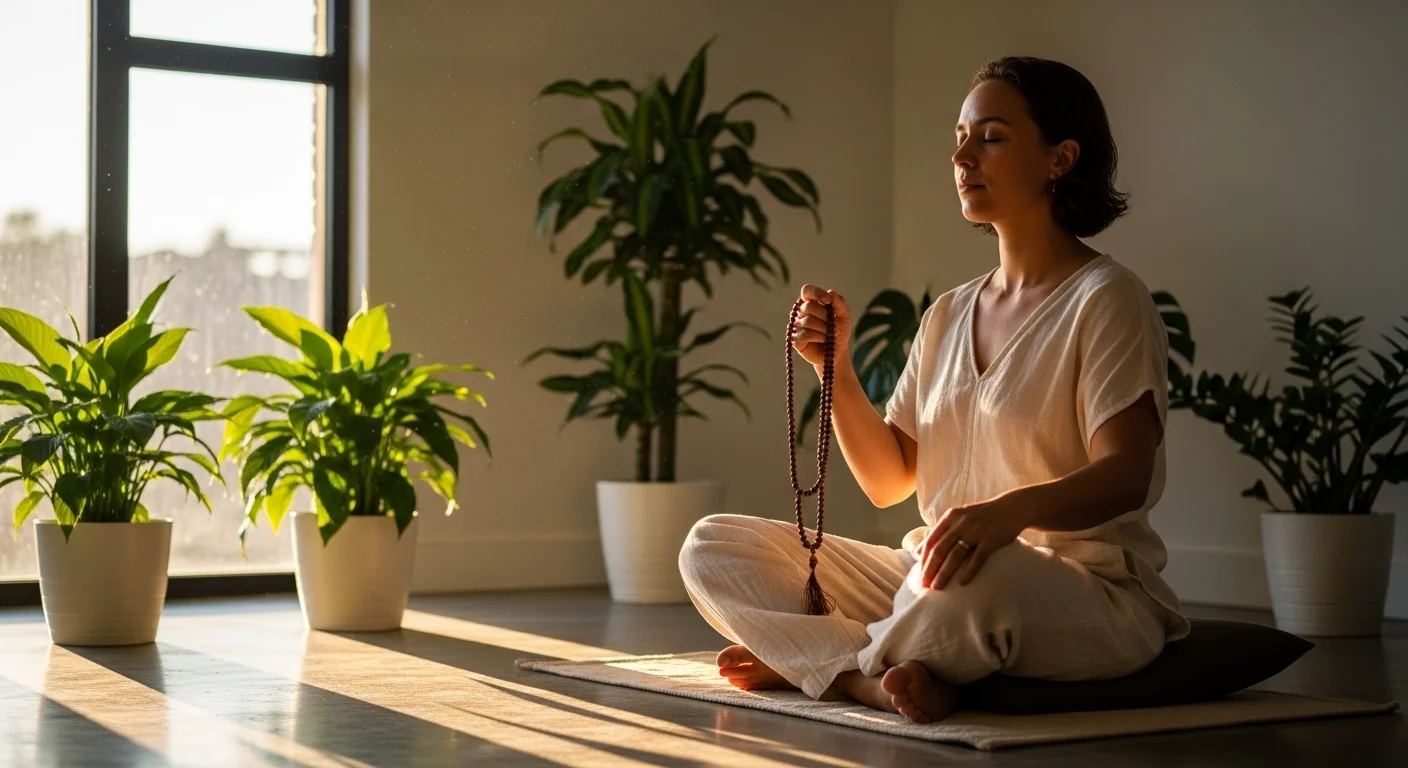
Sit on a firm chair or a cushion on the floor. Keep your back straight to maintain alertness during the process. Rest your hands on your lap or knees comfortably. You do not need to cross your legs if that position causes you physical pain.
Set a timer for five to ten minutes before you close your eyes. This step stops you from checking the clock constantly. Take a few deep breaths to relax your body. Decide to focus only on your breathing until the alarm sounds at the end.

Step-by-Step Instructions for Beginners
Start by finding a quiet place where you will not be disturbed. Sit comfortably on a chair or a cushion on the floor. Keep your back straight but not stiff to maintain alertness. Rest your hands on your legs and close your eyes gently.
Focus your attention on your breathing without changing how you breathe. Notice the sensation of air entering through your nose and filling your lungs. Observe the feeling of the air leaving your body as you exhale. Keep your focus on this natural rhythm.
Your mind will wander during this process, which is normal. When you notice distractions, simply return your attention to your breath. Do not judge yourself for losing focus. Continue this practice for five to ten minutes before opening your eyes to finish.
Common Challenges and How to Handle Them
Many beginners feel frustrated when their mind wanders during meditation. This is a normal part of the process and does not mean you have failed. When you notice your thoughts drifting, simply acknowledge them without judgment and return your attention to your breathing.
Physical discomfort or restlessness often distracts new practitioners while they sit. You do not need to stay perfectly still if you feel pain. Adjust your position slightly to relieve tension, or try meditating in a chair if sitting on the floor causes too much strain.
Finding time to practice every day can seem difficult at first. You do not need long sessions to see results. Start with just five minutes each morning or evening. Consistency matters more than duration, so try to make meditation a regular part of your daily routine.
Establishing a Daily Meditation Routine
Select a specific time and location for your practice each day. Morning hours are often effective because there are fewer distractions. You should choose a quiet corner in your home where you can sit comfortably. Consistency helps you form a lasting habit and reduces hesitation before starting.
Beginners should start with short sessions to avoid mental fatigue. Five to ten minutes is a sufficient duration for the first few weeks. You can gradually increase the time as your concentration improves. The primary goal is maintaining the schedule rather than sitting for long periods.
Use a digital calendar or a physical journal to track your progress. Setting a daily alarm on your phone serves as a helpful reminder. Recording your sessions reinforces the behavior and shows your attendance over time. This data helps you identify patterns and adjust your schedule.