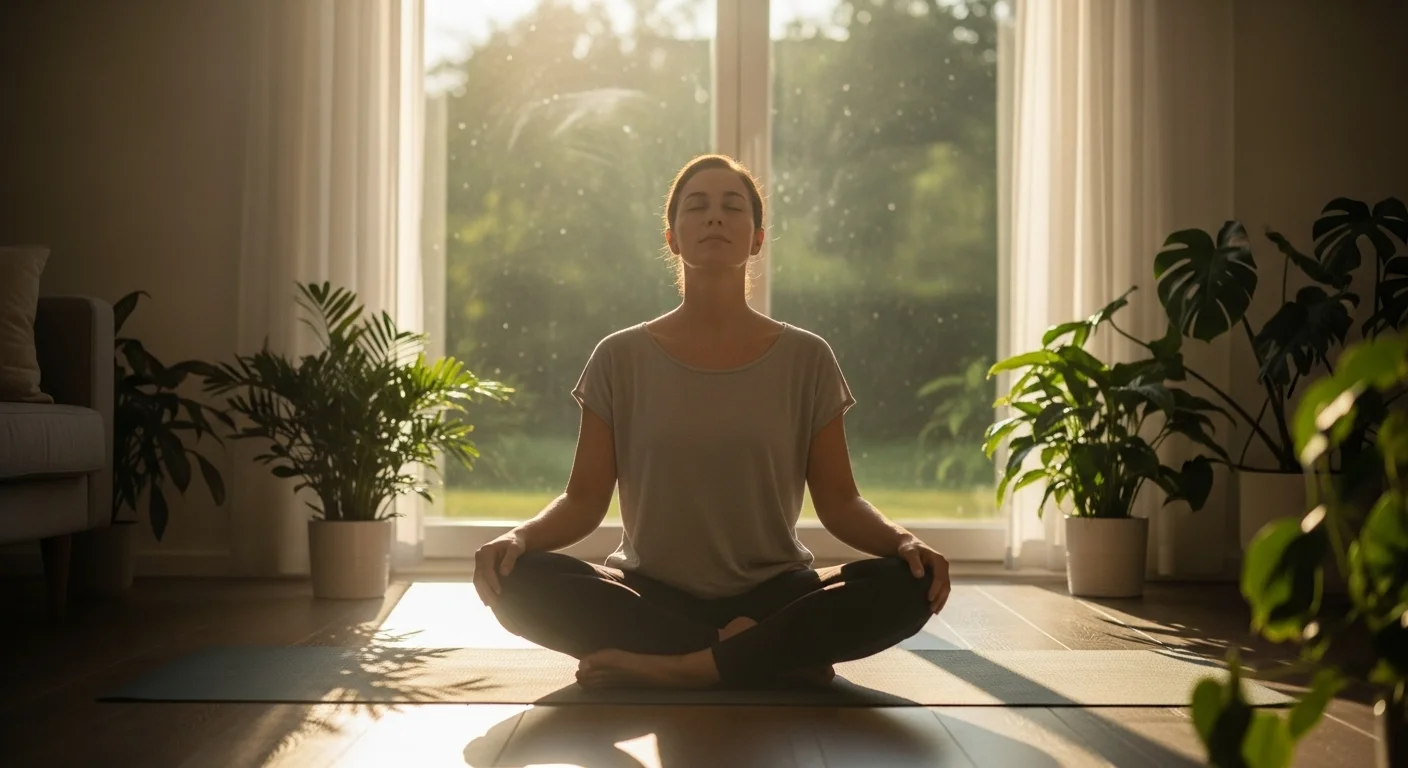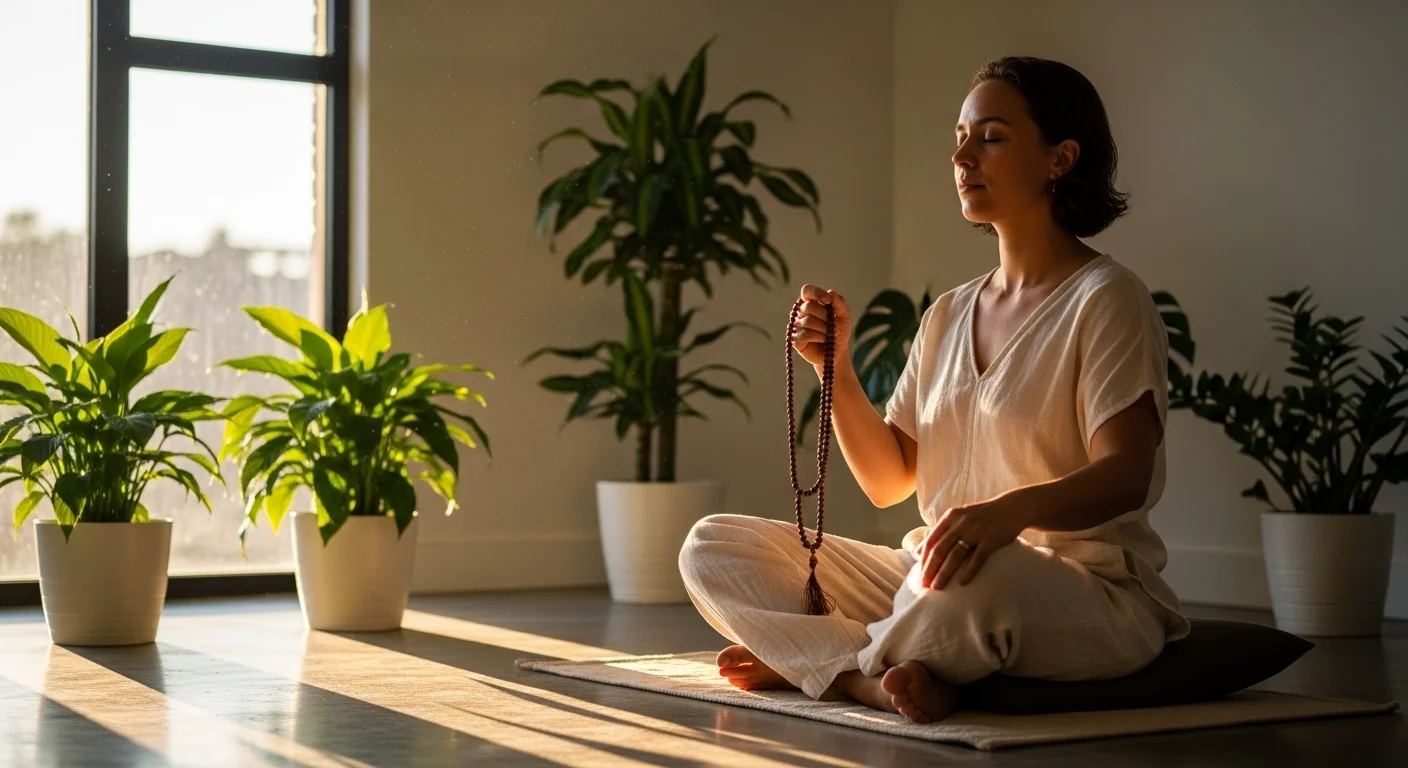
Breathing exercises are specific techniques used to control the respiratory system. People practice these methods to change their breathing rate and depth voluntarily. This conscious regulation helps individuals improve their lung function and manage their physical state effectively during daily activities.
Most exercises involve structured patterns of inhalation, retention, and exhalation. You might breathe through the nose or mouth depending on the specific technique. These distinct rhythms alter the amount of oxygen that enters the bloodstream and the carbon dioxide expelled.
Health professionals classify these practices as therapeutic tools for the body and mind. They serve as non-medical interventions to reduce stress and lower blood pressure. Regular training strengthens the diaphragm and increases overall respiratory capacity for better physical health.
Benefits of Breathing Techniques
Controlled breathing helps regulate the nervous system by activating the parasympathetic response. This process lowers cortisol levels and reduces feelings of stress or anxiety. Regular practice lowers heart rate and blood pressure, promoting a state of physical relaxation.
These techniques improve mental focus and cognitive function by increasing oxygen supply to the brain. Proper airflow helps clear mental fog and supports better decision-making. Individuals often report improved emotional regulation and a greater ability to handle difficult situations.
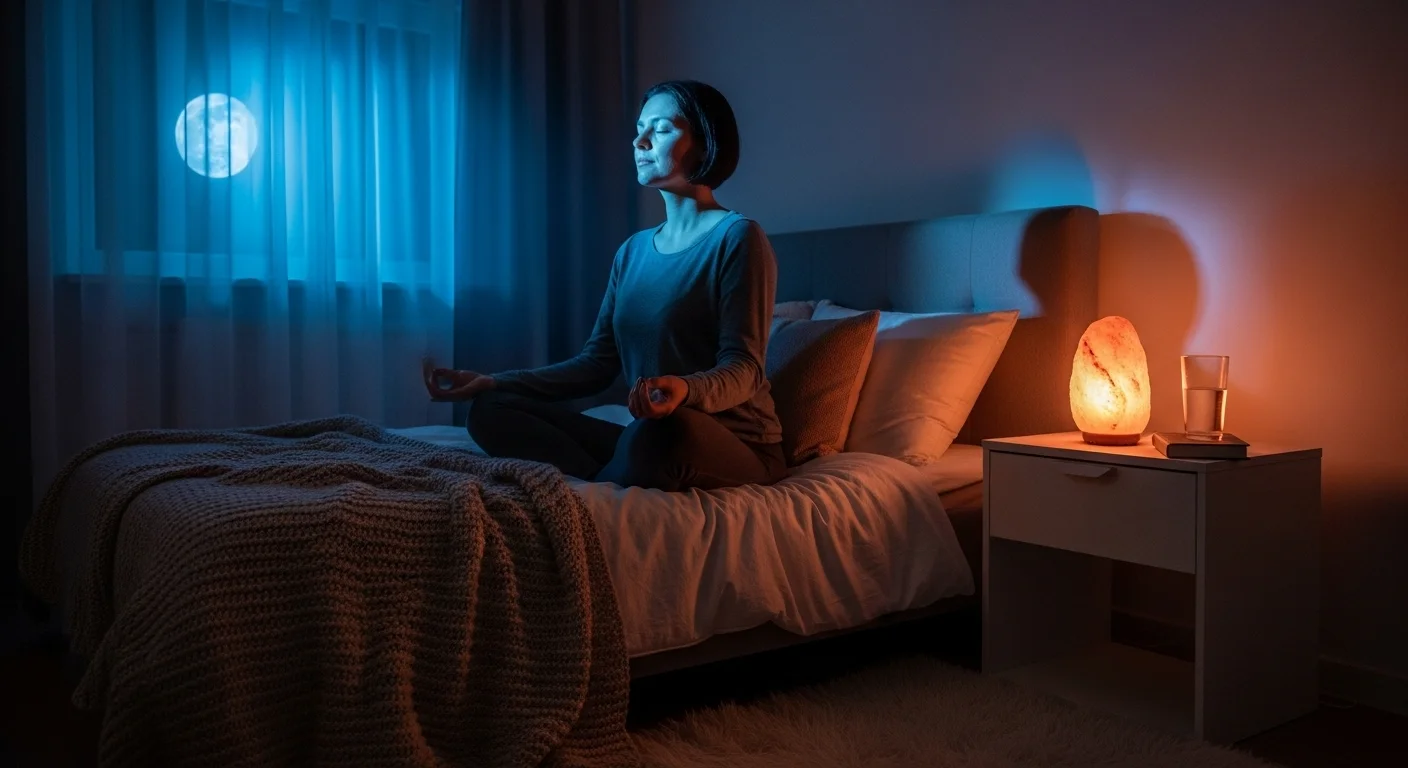
Breathing exercises strengthen the diaphragm and increase overall lung capacity. This leads to better stamina during physical activities and improved athletic performance. Additionally, consistent practice aids sleep quality by preparing the body for rest and reducing instances of insomnia.
Steps for Diaphragmatic Breathing
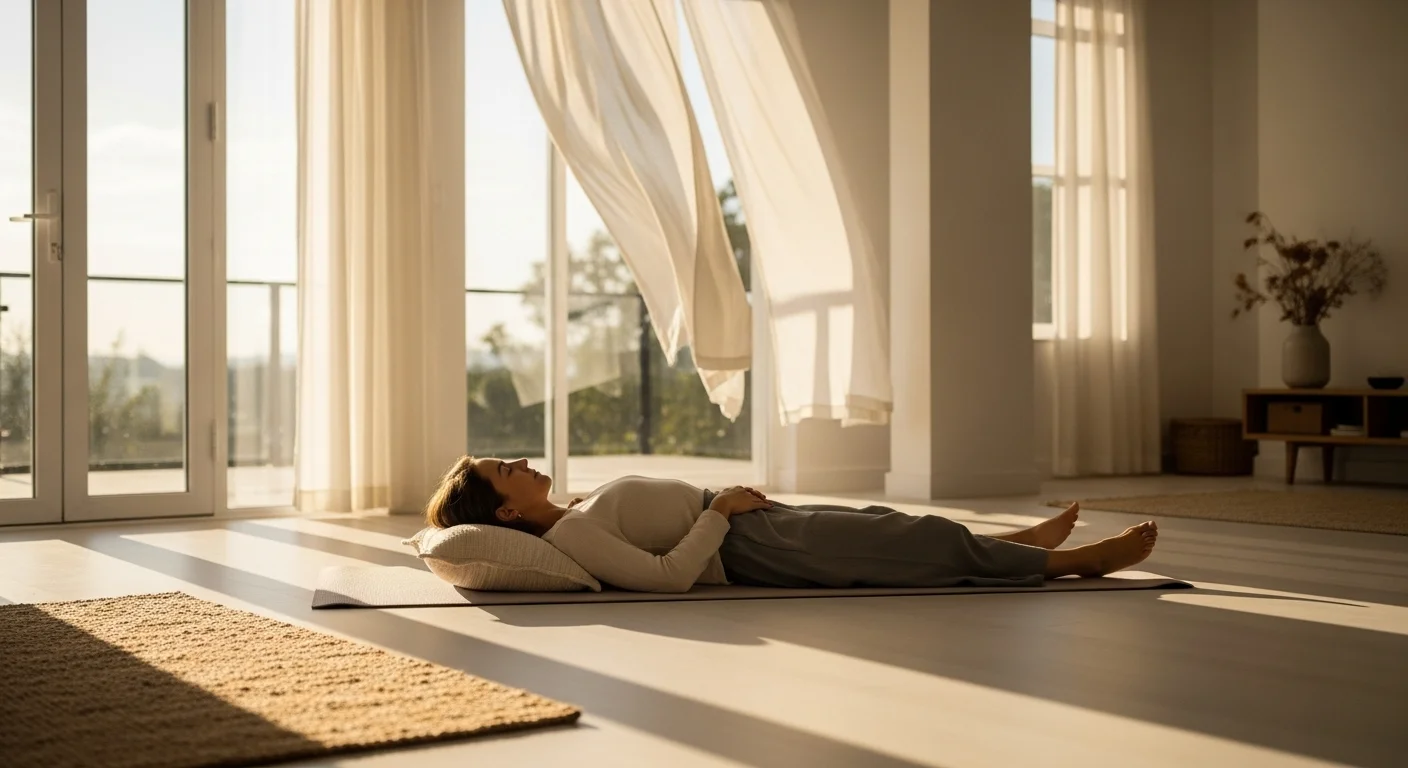
Start by finding a comfortable place to sit or lie flat on your back. Relax your shoulders and neck muscles to remove tension. Place one hand on your upper chest and the other hand flat against your stomach area.
Inhale slowly through your nose for several seconds. Focus on pushing your stomach out against your hand while keeping your chest still. You should feel your diaphragm expand as air fills your lungs, causing your hand to rise.
Tighten your stomach muscles and exhale slowly through pursed lips. The hand on your stomach must move inward as you release the air. Ensure the hand on your chest remains stationary throughout the entire process to verify proper technique.
Instructions for Box Breathing
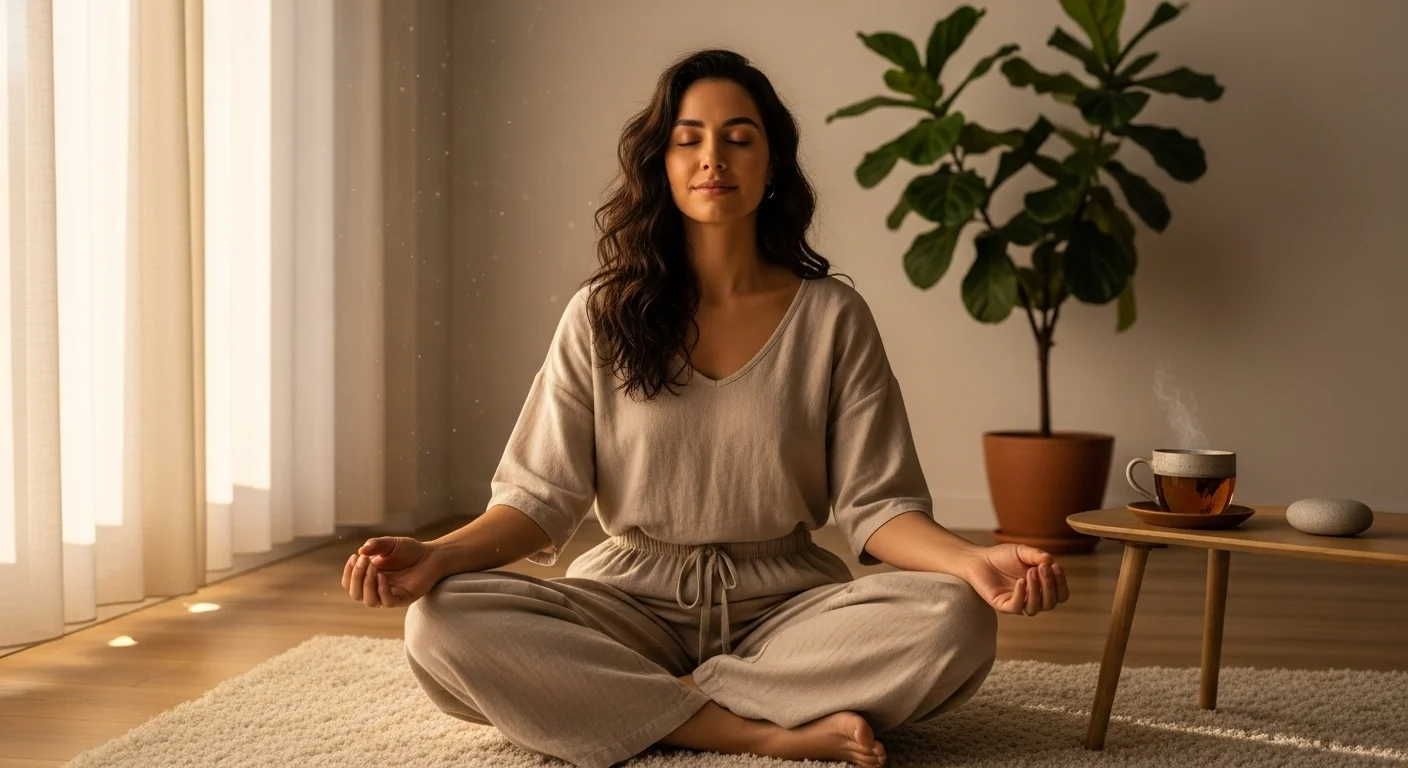
To begin box breathing, sit in a comfortable chair with your back straight. Close your eyes and breathe out slowly through your mouth to release all air from your lungs. This prepares your body for the exercise and focuses your mind.
Inhale deeply through your nose while counting slowly to four. Feel the air fill your lungs completely. Once your lungs are full, hold your breath inside for another count of four. Keep your body relaxed during this holding phase.
Exhale slowly through your mouth for a count of four, pushing all the air out. Finally, hold your lungs empty for a count of four before inhaling again. Repeat this cycle for several minutes to calm your nervous system.
Method for 4-7-8 Breathing
Sit with your back straight. Place the tip of your tongue behind your front teeth. Exhale all air through your mouth. Close your mouth and inhale through your nose while you count to four to start.
Hold your breath for a count of seven. Keep your tongue in position behind your teeth during this time. Do not exhale or inhale while you count. This step retains the air inside your lungs.
Exhale air through your mouth making a sound. Count to eight during this exhalation. This action completes one breath cycle. Repeat this process three times for a total of four cycles to finish the exercise.
Recommendations for Daily Practice
You should practice breathing exercises every day for the best results. Start with five minutes in the morning or evening. You can gradually increase the time to ten or twenty minutes as you get more comfortable with the routine.
Choose a quiet place where you will not be disturbed by others. Sit in a comfortable chair with your back straight and feet flat on the floor. You can also lie down on a firm surface if you prefer that position.
Focus entirely on your breath during the session. Inhale deeply through your nose and exhale slowly through your mouth. Stop the exercise immediately if you feel dizzy or lightheaded, and return to your normal breathing pattern until you recover.