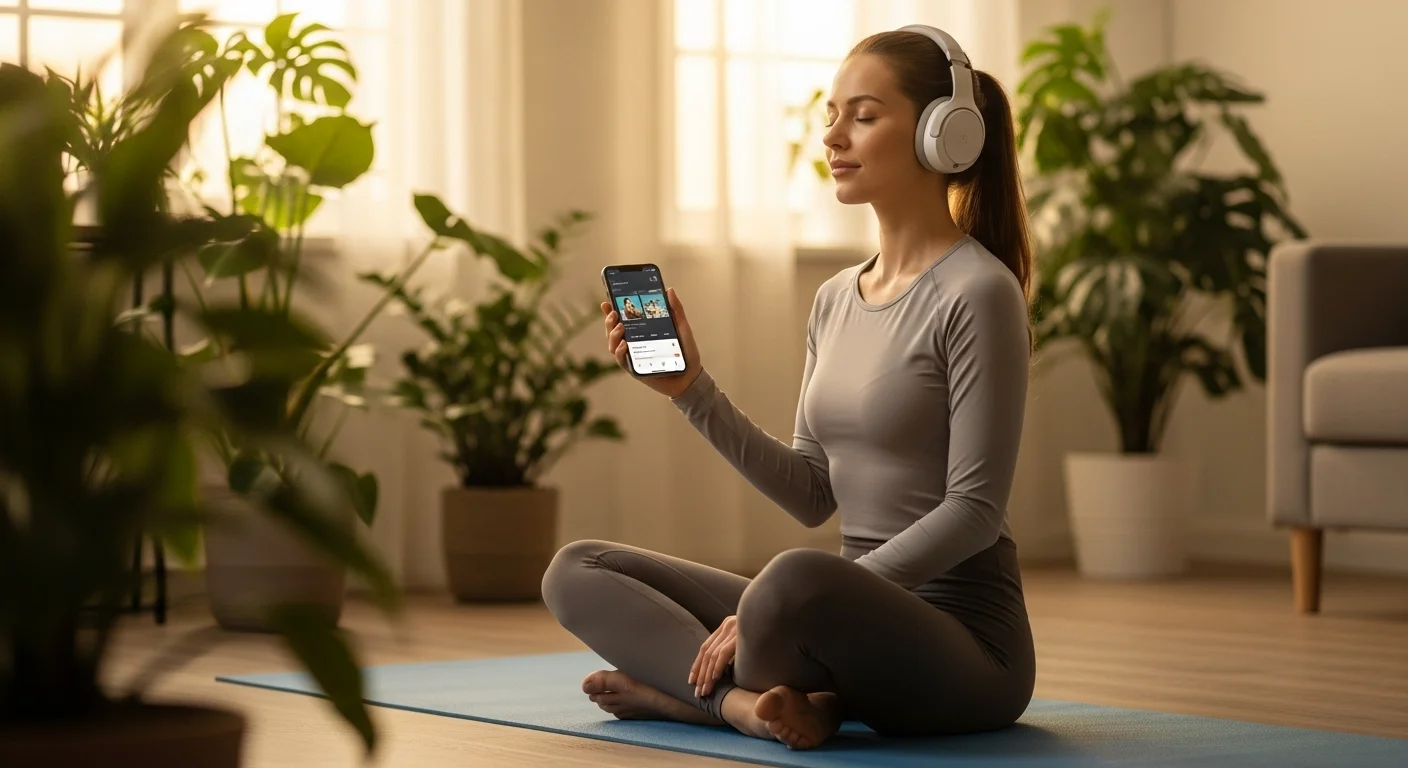
Guided meditation is a practice where a teacher or narrator directs your mental focus. You listen to a voice that provides specific instructions on how to relax. This method helps individuals who struggle to meditate alone or need structure during the session.
You can access these sessions through audio recordings, video clips, or live classes. The instructor guides you through steps involving breathing exercises, mental imagery, or physical relaxation. The goal is to reach a calm state of mind by following the spoken directions.
This form of meditation differs from silent practice because it relies on external input. The narrator keeps your attention focused on the present moment. This reduces distraction and makes the process easier for beginners who are learning to control their thoughts.
How Guided Meditation Works
Guided meditation uses a trained instructor or an audio recording to lead the session. The guide provides specific verbal instructions to help focus your attention. This external direction assists participants in staying on track and reduces mental distractions during the practice.
You follow a series of steps to relax your muscles and calm your mind. This process activates the parasympathetic nervous system, which lowers your heart rate. The structured approach changes brain activity patterns to promote a state of deep rest.
The guide often suggests mental images or body scans to maintain your focus. These specific techniques occupy the mind and effectively prevent wandering thoughts. By concentrating on these prompts, you reach a specific emotional or mental state more easily.
Benefits of Guided Meditation Practice
Guided meditation helps reduce stress levels significantly. Listening to an instructor allows the brain to relax without effort. This practice lowers cortisol production in the body. It provides a structured way to clear the mind of anxious thoughts.
Many practitioners experience better sleep quality after sessions. The audio guidance prepares the body for rest by slowing the heart rate. It also helps manage emotions effectively. People learn to observe feelings without reacting to them immediately during the day.
This method improves concentration and attention span over time. Beginners find it easier than silent meditation because the voice offers direction. It removes the confusion of what to do next. Regular practice strengthens the ability to focus on specific tasks.

Common Types of Guided Meditation
One popular method is the body scan. In this practice, the teacher directs your attention to different parts of the body. You focus on physical sensations from head to toe. This helps release tension and connects the mind to the body.
Visualization exercises ask listeners to imagine a specific scene or setting. The guide describes a peaceful environment to induce relaxation. This technique uses mental imagery to reduce stress. It requires the participant to focus on details like sights and sounds.
Mindfulness meditation focuses on the present moment. The instructor tells you to observe thoughts without judgment. Often, you will concentrate on the breath to anchor your attention. This type improves focus and helps manage negative emotions effectively.
Steps to Start a Guided Meditation Session
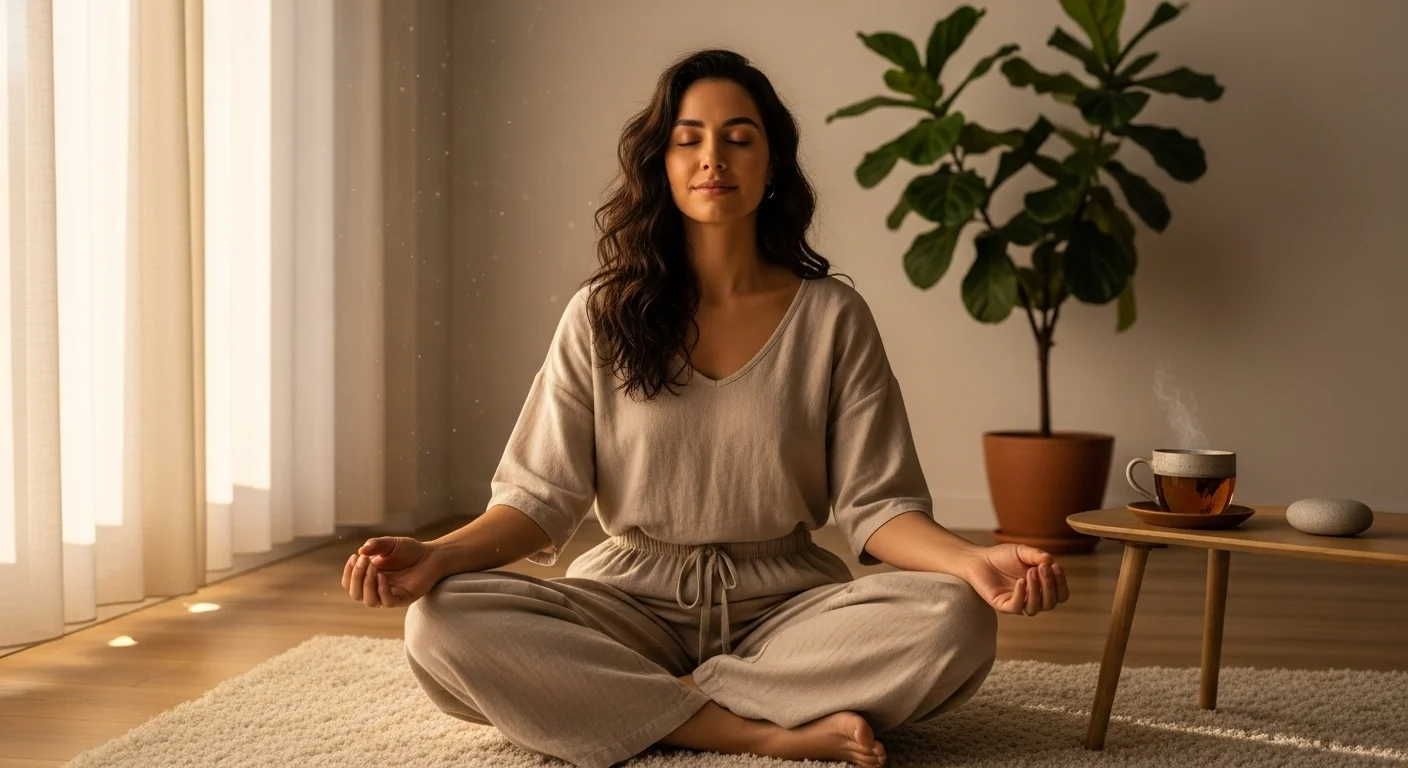
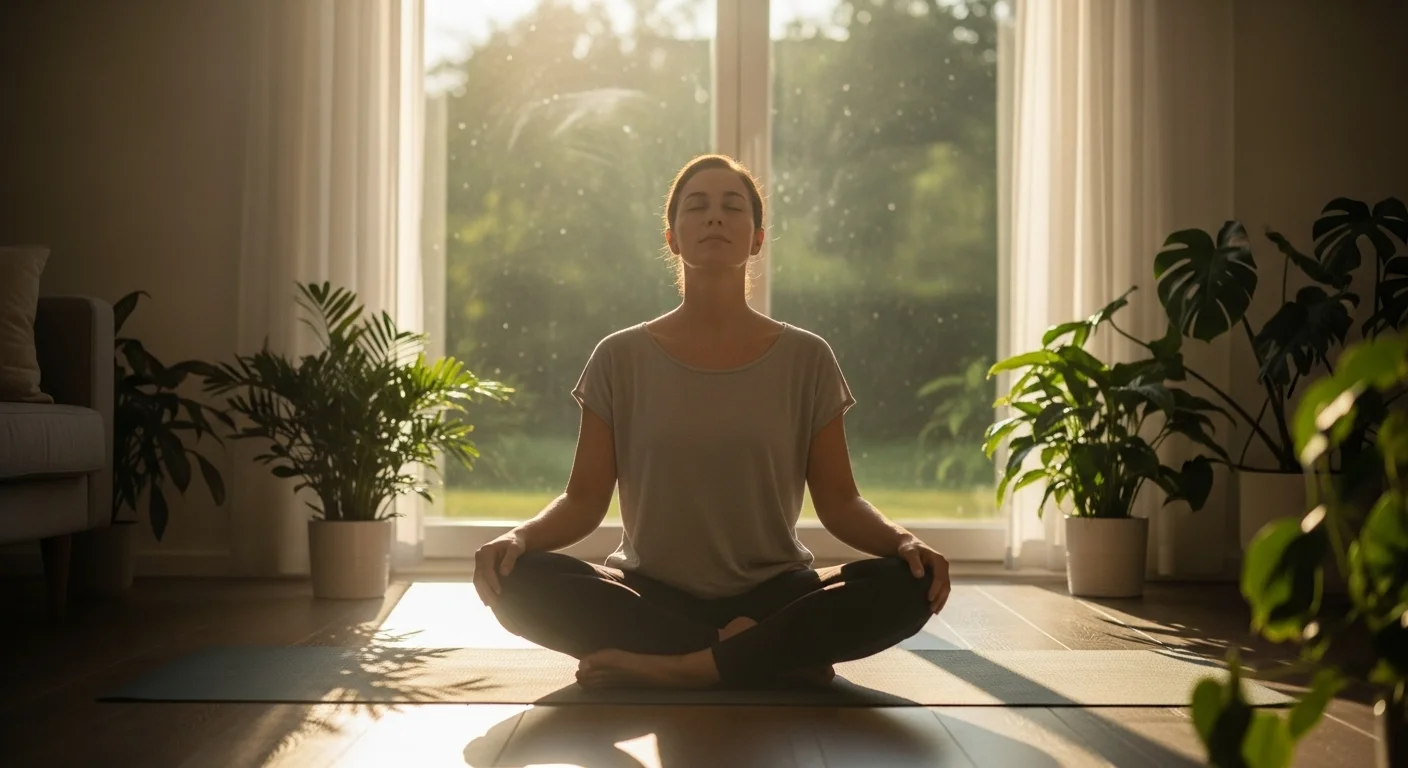
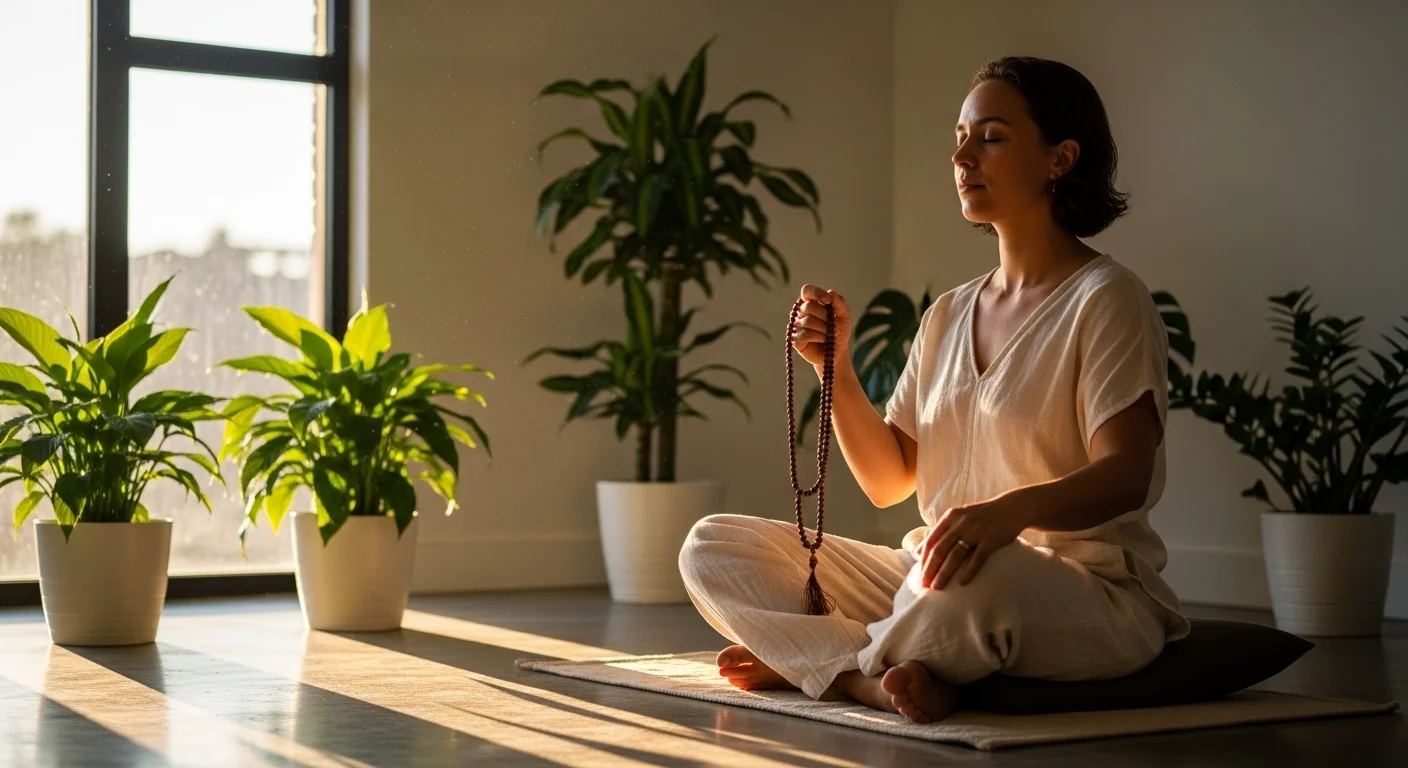
First, select a quiet location where interruptions are unlikely to occur. You can sit on a chair or cushion, or lie down on a flat surface. Ensure your body position feels stable and comfortable before you begin the process.
Next, choose an audio recording or video that suits your current needs or goals. Many applications and websites offer specific tracks for sleep, anxiety, or focus. Adjust the volume to a level that allows you to hear the voice clearly.
Finally, press play and close your eyes if the instructor suggests doing so. Focus your attention on the spoken instructions and follow the breathing exercises as directed. Allow your mind to concentrate fully on the guidance provided throughout the session.
Tools and Resources for Guided Meditation
Many digital applications provide structured meditation sessions for users. Popular smartphone apps like Headspace and Calm offer libraries of pre-recorded audio tracks. These platforms often categorize content by specific goals, such as stress reduction or improved sleep quality.
Video hosting sites and streaming services also function as valuable resources. YouTube hosts thousands of free guided sessions ranging from short clips to hour-long practices. Additionally, podcasts focused on mental wellness frequently publish audio episodes led by certified instructors.
Local community centers and yoga studios often conduct in-person group classes for guided meditation. For home practice, individuals can utilize CDs or digital audio files from authors. These offline tools are useful for those wishing to disconnect from the internet.