There are many ways to meditate without spending money. You can use mobile applications that offer basic timers and guided sessions at no cost. Websites also host audio files and video instructions for beginners who need assistance starting their practice.
Local community centers frequently organize free group meditation events. These gatherings allow participants to learn techniques from experienced instructors in a physical setting. Public libraries may also provide books and audio resources to help individuals understand different meditation methods.
Universities and non-profit organizations often publish research-based meditation guides online. These materials usually focus on stress reduction and mental focus. Users can download PDF guides or stream audio tracks directly from these institutional websites without creating an account.
Advantages of Practicing Meditation
Meditation reduces stress levels significantly. Regular practice lowers the production of cortisol, a primary stress hormone. This process stabilizes your mood and helps manage symptoms of anxiety. It provides a practical method for maintaining better mental health.
You can improve your attention span through consistent sessions. Research indicates that meditation trains the brain to focus on a single task. This skill helps you ignore distractions and retain information more effectively during work or study.
Physical health also improves with this habit. Many individuals meditate to relax their muscles and treat insomnia. This leads to higher quality sleep at night. Additionally, the practice can lower blood pressure and support heart health.
List of Free Meditation Apps
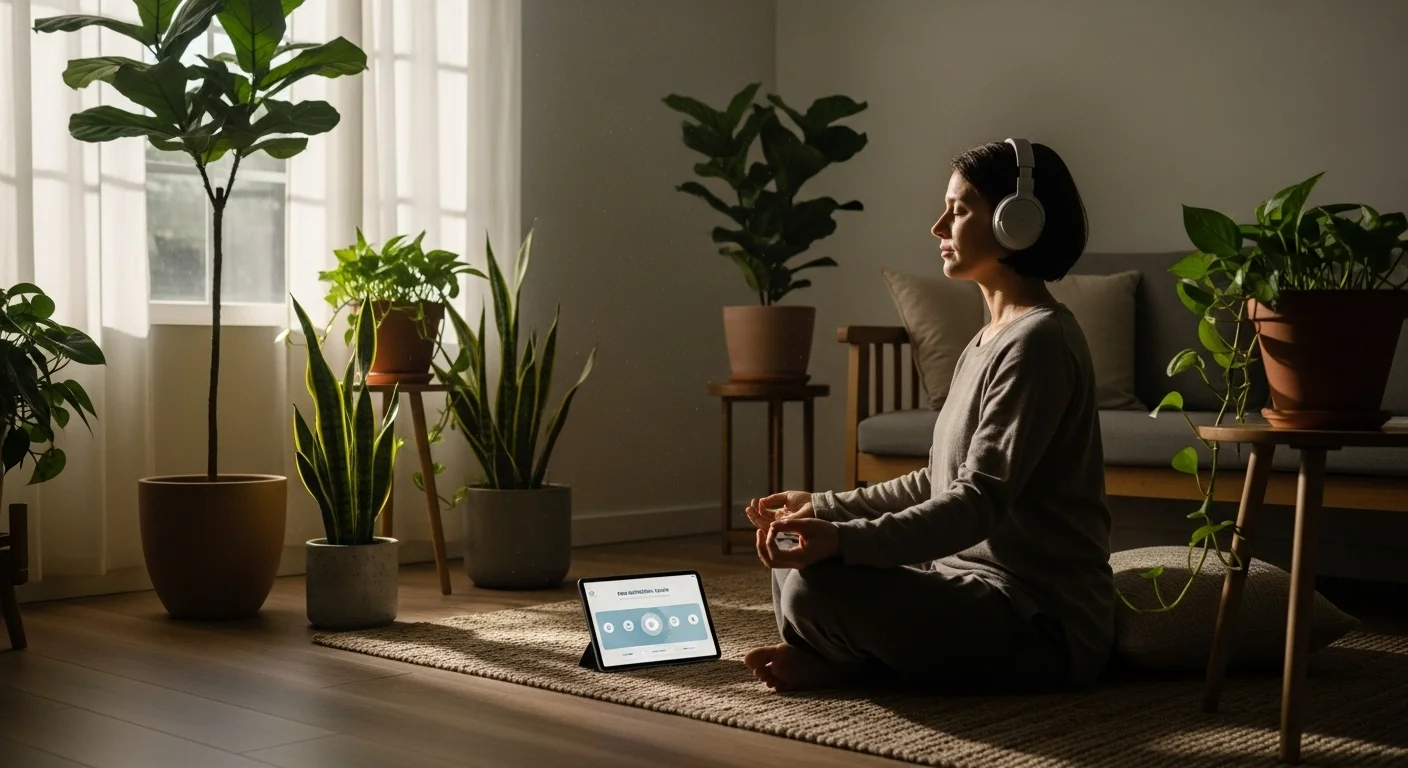
There are several mobile applications available that provide guided meditation sessions without cost. Insight Timer is a popular choice because it offers a large library of free tracks. Users can filter these sessions by time, topic, or specific teacher.
Smiling Mind is another useful tool developed by psychologists and educators. It is completely free and includes programs for different age groups. The UCLA Mindful app also provides free guided meditations based on scientific research at the university’s research center.
Some commercial apps like Headspace and Calm operate on a subscription model but still offer free introductory courses. These basic sessions cover fundamental techniques such as breathing and body scanning. You can use these limited features without entering payment details.
Free Online Video Resources
You can find thousands of free meditation videos on platforms like YouTube. Many instructors upload guided sessions that range from five minutes to one hour. You can search for specific types of meditation such as mindfulness, sleep aids, or stress reduction techniques.
These videos often feature soothing visual backgrounds or nature scenes to help you relax. Some creators provide verbal instructions to guide your breath and focus, while others only play calming music. This visual format works well for beginners who need external focus points.
Many universities and health organizations also publish free video libraries on their official websites. You can save your favorite videos into playlists for easy daily access. This allows you to build a personal collection of effective meditation tools without paying any subscription fees.
Instructions for Basic Techniques
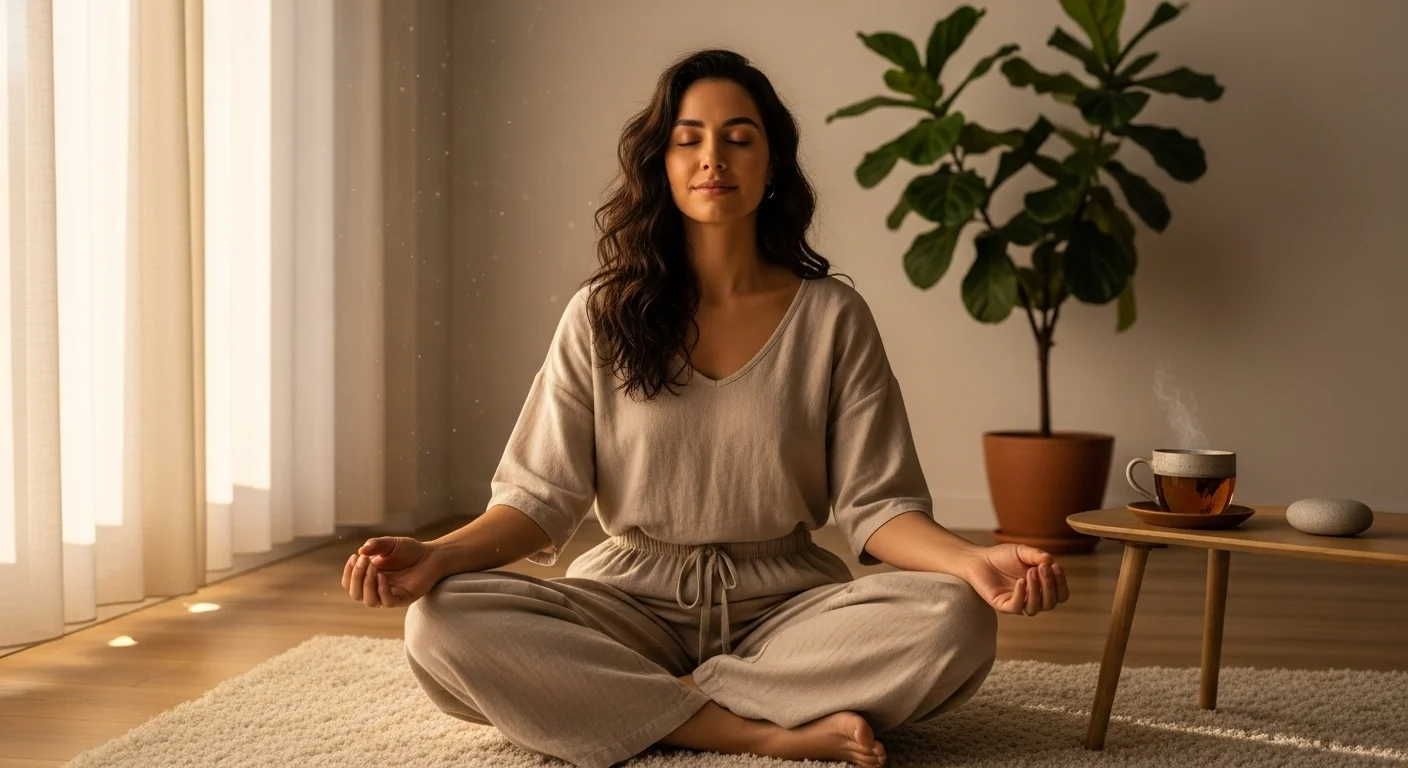
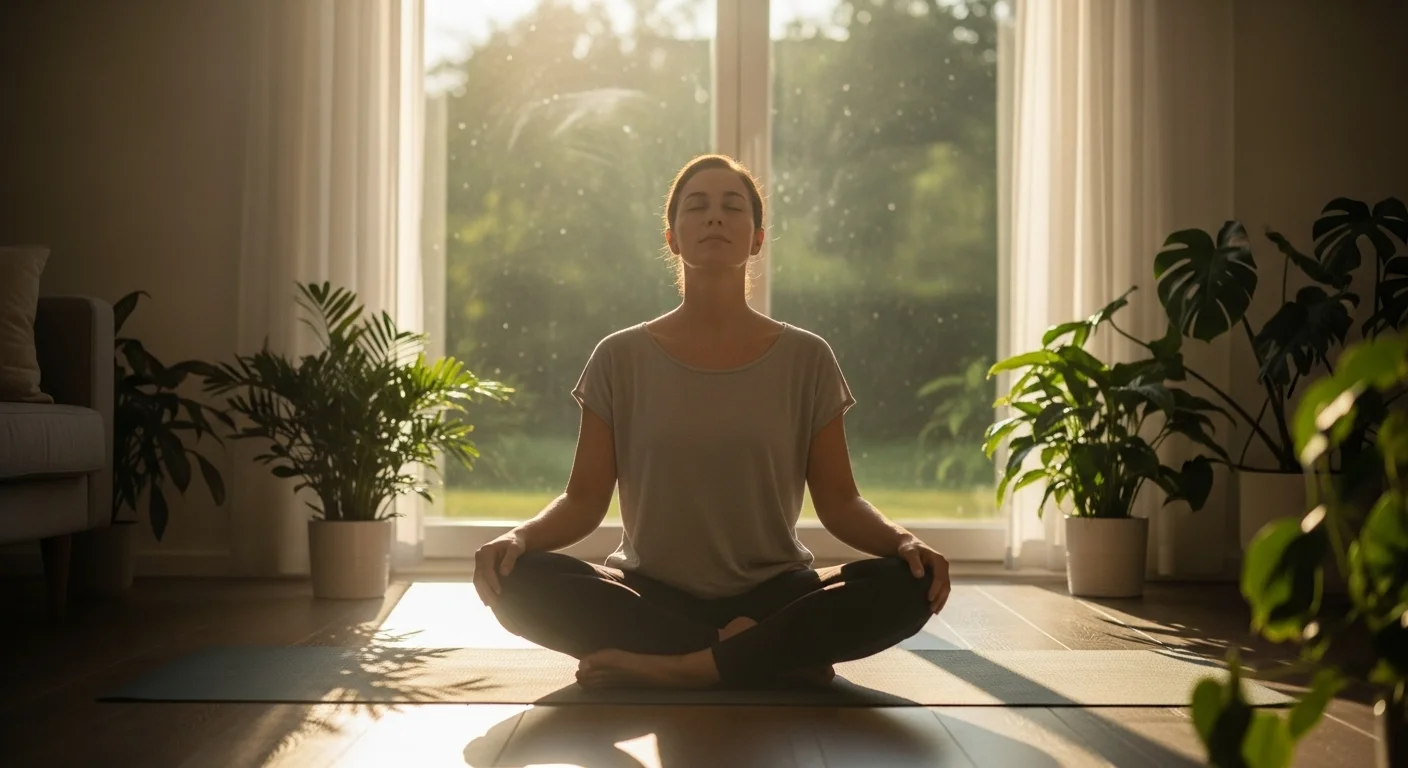
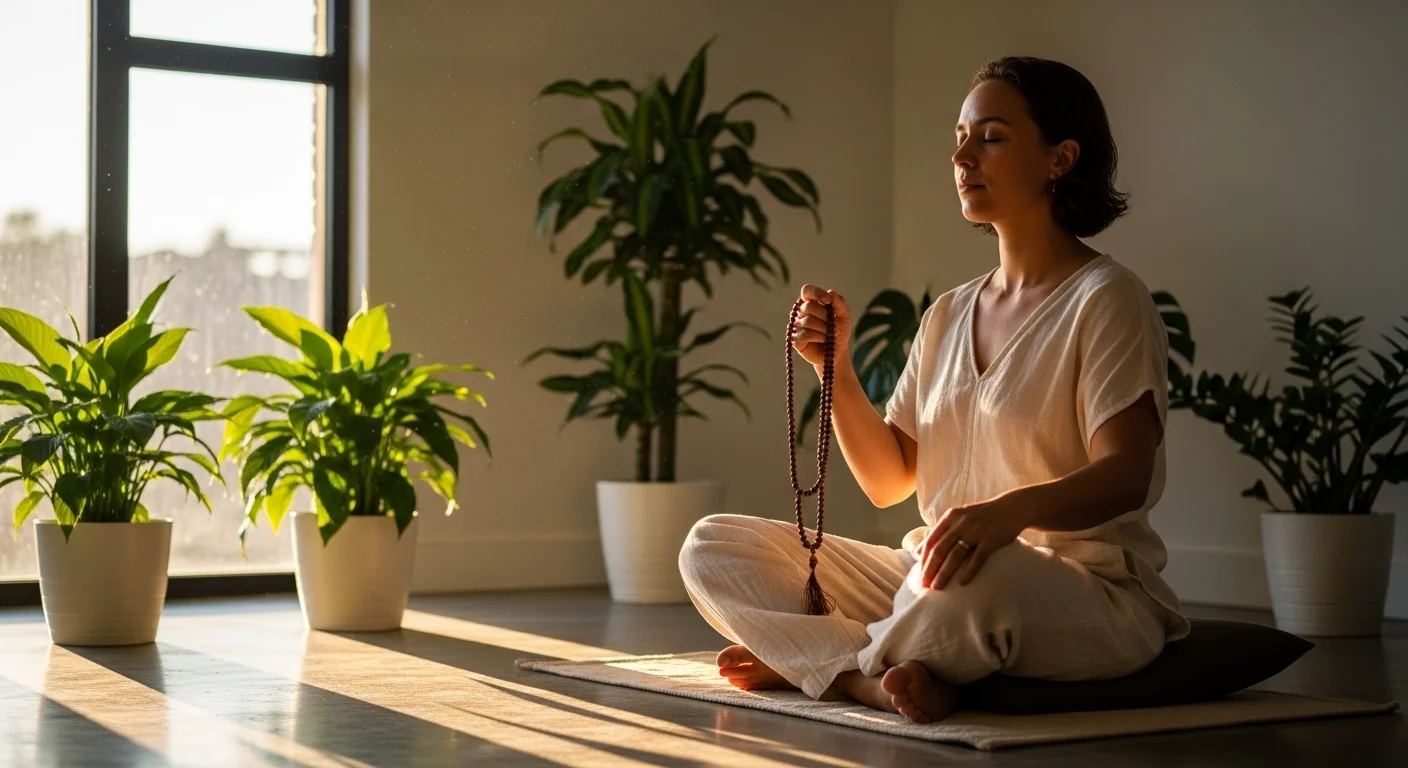
To begin, find a quiet location where distractions are minimal. Sit on a chair or a floor cushion. Maintain a straight back to support alertness. Place your hands on your knees or lap. Close your eyes or keep them slightly open.
Direct your attention to the physical sensation of breathing. Feel the air enter your nostrils and fill your lungs. Observe the chest falling as you exhale. Do not force the breath. Allow the body to breathe at its natural rhythm.
Distractions will occur as your mind wanders to various thoughts. This happens to everyone. When you notice a distraction, calmly return your focus to the breath. Repeat this action of redirecting attention for the entire duration of the practice.
Tips for Consistent Practice
You should choose a specific time every day to meditate. Many people find the morning is best because it is quiet. Put this time on your calendar like an appointment. This helps you treat the practice seriously and builds a routine.
Beginners often try to meditate for too long at first. It is better to start with short sessions of five minutes. Increase the time slowly as you get comfortable. This method prevents frustration and makes the habit easier to maintain over time.
Select a quiet place in your home where you will not be disturbed. Remove distractions like phones or loud noises from this area. Using the same location every day trains your brain to enter a meditative state quickly and reduces resistance.