Meditation is a mental practice that involves training attention and awareness. The primary goal is to achieve a mentally clear and emotionally calm state. It is not about stopping thoughts completely. Instead, the practice centers on observing the present moment.
Most techniques rely on a single point of focus. You may concentrate on the breath, a sound, or a sensation. When the mind wanders away from this object, you return your attention to it. This repetition builds mental strength.
This process changes how you relate to thinking. You learn to watch mental activity without judgment. This creates distance between a stimulus and your reaction. The result is often a greater sense of control and stability in daily life.
Physical and Mental Benefits of Practice
Regular meditation lowers cortisol levels in the body, which reduces physical stress. Studies show that consistent practice lowers blood pressure and improves heart health. This helps the immune system function better and reduces the risk of stress-related illnesses.
Mentally, meditation improves focus and concentration spans. It teaches the brain to redirect thoughts, which decreases symptoms of anxiety and depression. Practitioners report better emotional regulation and a significant reduction in negative thinking patterns over time.
Consistent practice also improves sleep quality by relaxing the nervous system. Research indicates that meditation increases gray matter density in the brain, supporting memory and learning. These structural changes promote long-term cognitive health and overall well-being.
How to Prepare for a Session
Find a quiet room where you will not be disturbed by other people or noise. Silence your phone or turn off notifications before you start the session. Choose a time of day when you are alert and can focus properly.
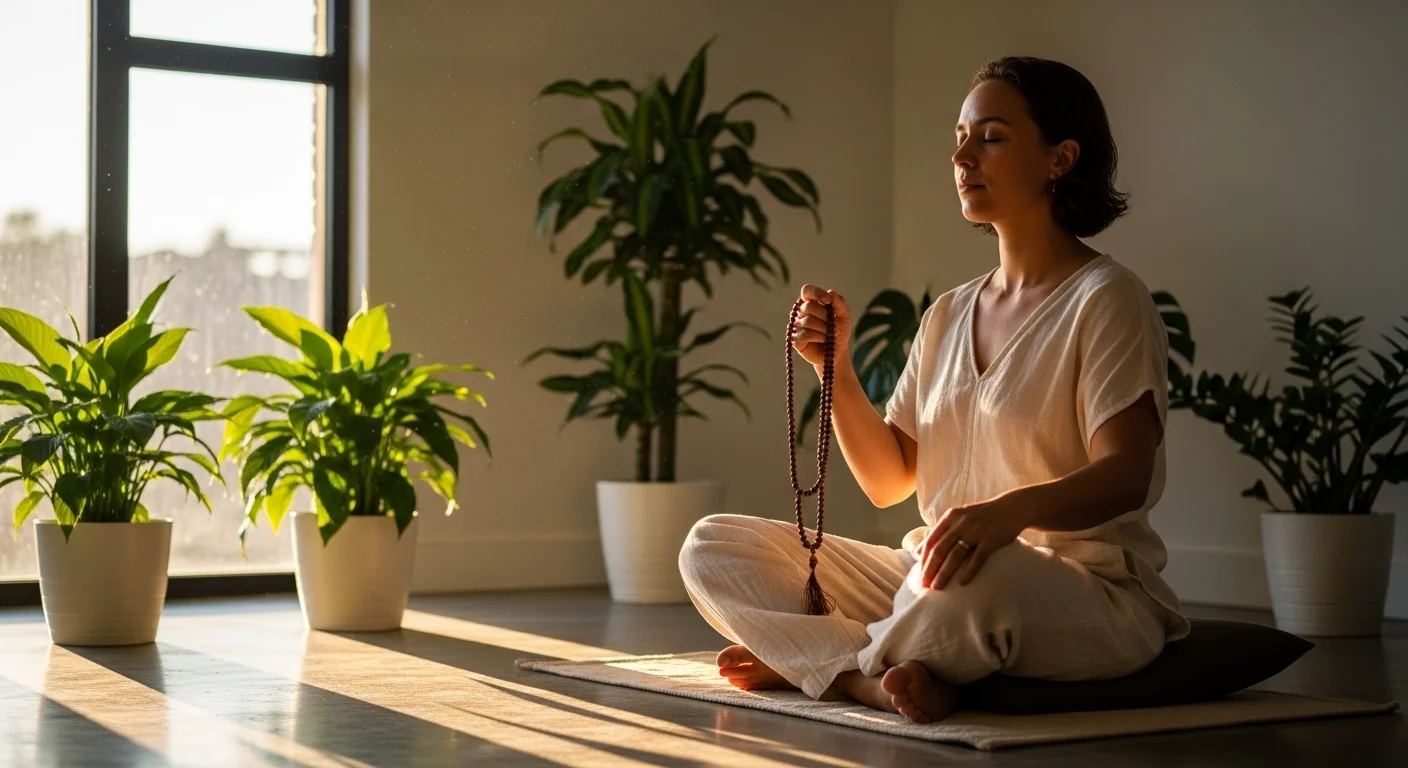
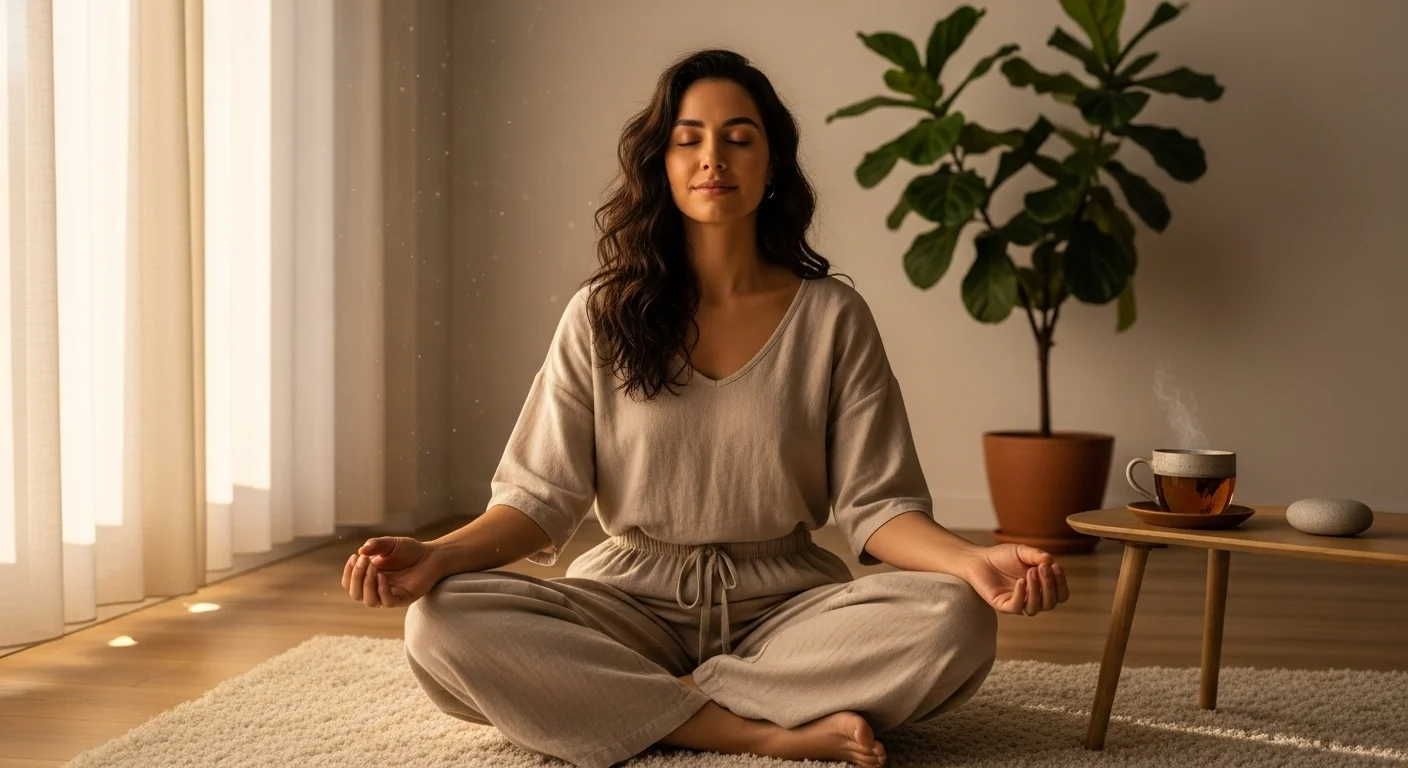
Wear loose clothing that does not restrict your movement or breathing. Sit on a cushion or a firm chair with your back straight and upright. You should keep your hands on your lap and place your feet flat on the floor.
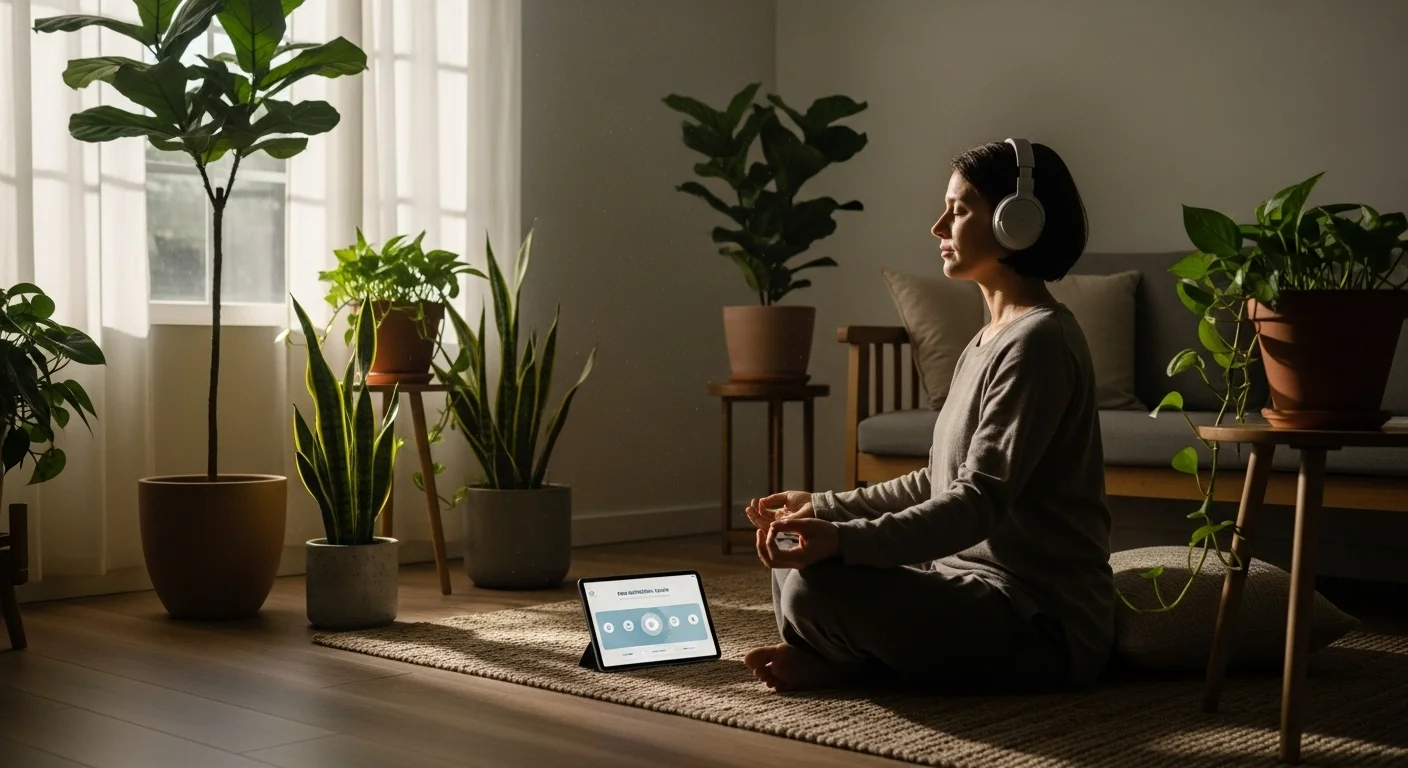
Set a digital timer for your session to track the duration accurately. Close your eyes gently or lower your gaze to limit visual distractions in the room. Take a few deep breaths to settle your body before you begin the practice.

Step-by-Step Meditation Instructions
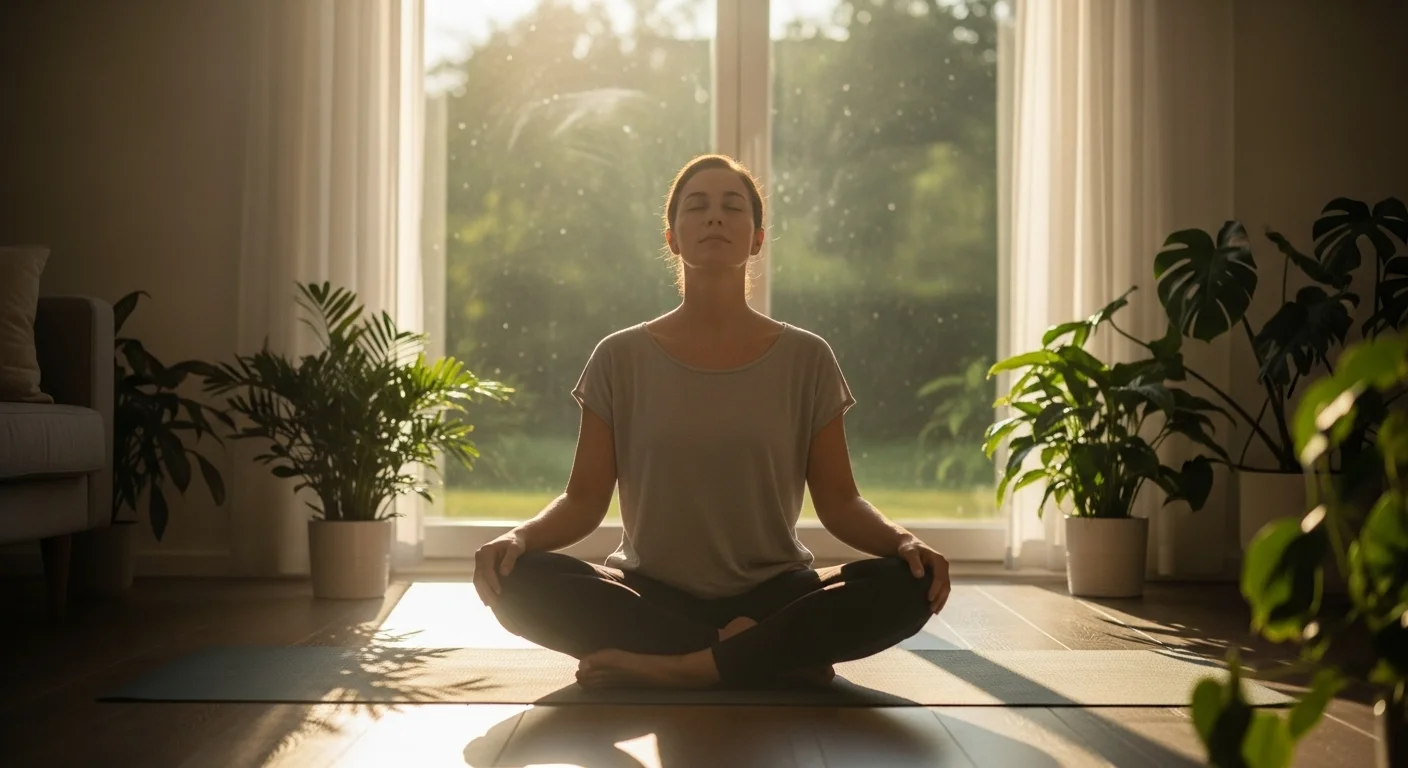
Find a quiet place to sit. Sit on a chair or a cushion on the floor. Keep your back straight but relaxed. Rest your hands on your lap. Close your eyes gently to remove visual distractions from the room.
Focus your attention on your breath. Breathe in through your nose and out through your mouth. Observe the sensation of the air moving. Do not control the speed or depth of the breath. Let the body breathe naturally.
Your mind will wander during the process. Notice when thoughts arise and return your focus to the breath. Do not judge yourself for thinking. Open your eyes slowly after five or ten minutes to end the session.
Dealing with Distractions During Practice
Distractions are a normal part of meditation practice. You will hear noises or have random thoughts while you sit. Do not try to force these interruptions away. Acknowledge that your mind has wandered from the specific point of focus.
Gently return your attention to your breathing once you notice a distraction. You do not need to analyze the thought or judge yourself for losing focus. Simply redirect your awareness back to the physical sensation of the breath entering your body.
This process of losing focus and returning is the core of the exercise. Each time you bring your attention back, you strengthen your ability to concentrate. View these moments as opportunities to practice rather than as failures in the session.
Tips for Establishing a Daily Routine
Select a specific time and quiet place for your practice every day. Consistently meditating at the same hour helps build a habit quickly. You might choose to meditate immediately after waking up or right before going to sleep at night.
Begin with short sessions to avoid feeling overwhelmed by the process. Five or ten minutes is a sufficient duration for beginners to start effectively. You can gradually increase the length of your meditation sessions as you become more comfortable with the routine.
Connect your new habit to an existing activity to ensure you remember it. For example, plan to meditate right after you brush your teeth. Setting a daily alarm on your phone also serves as a reliable reminder to practice your meditation.