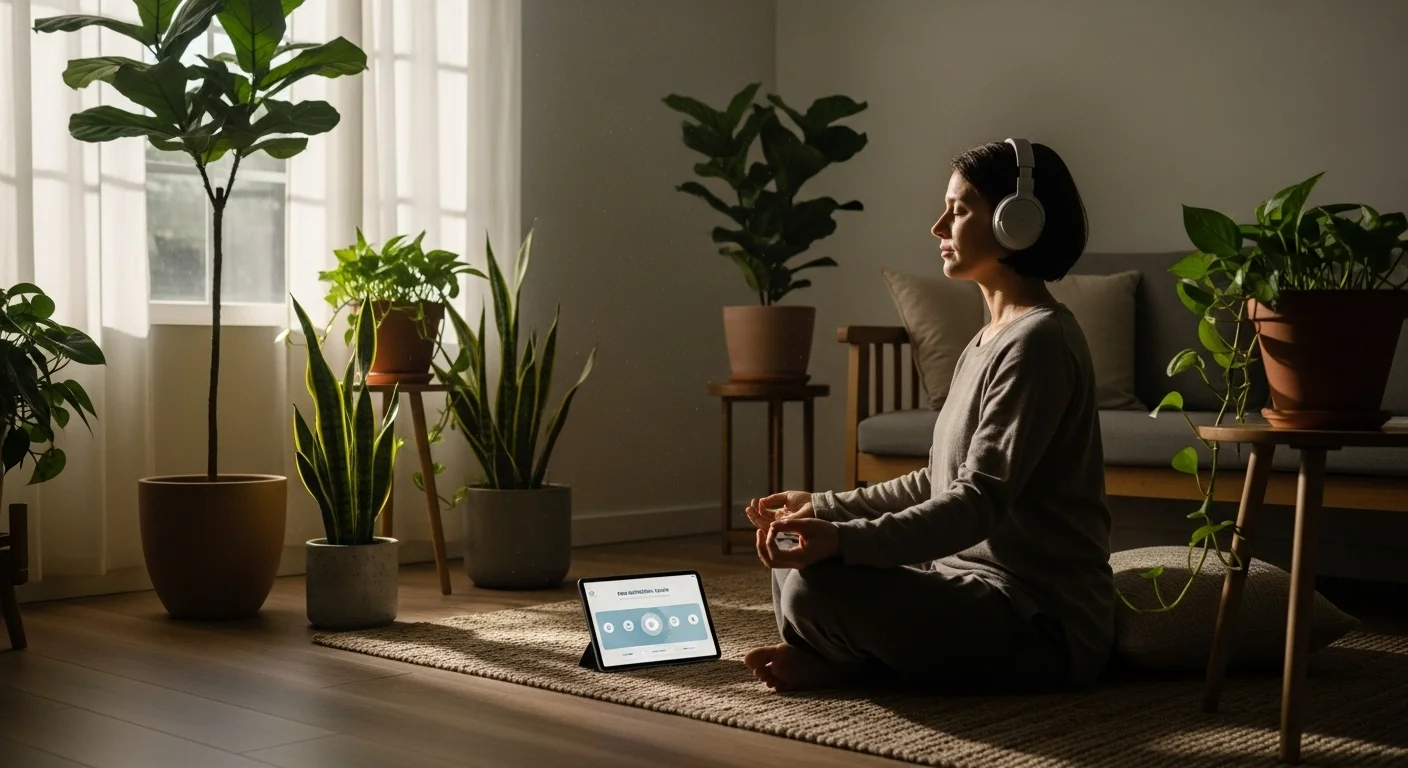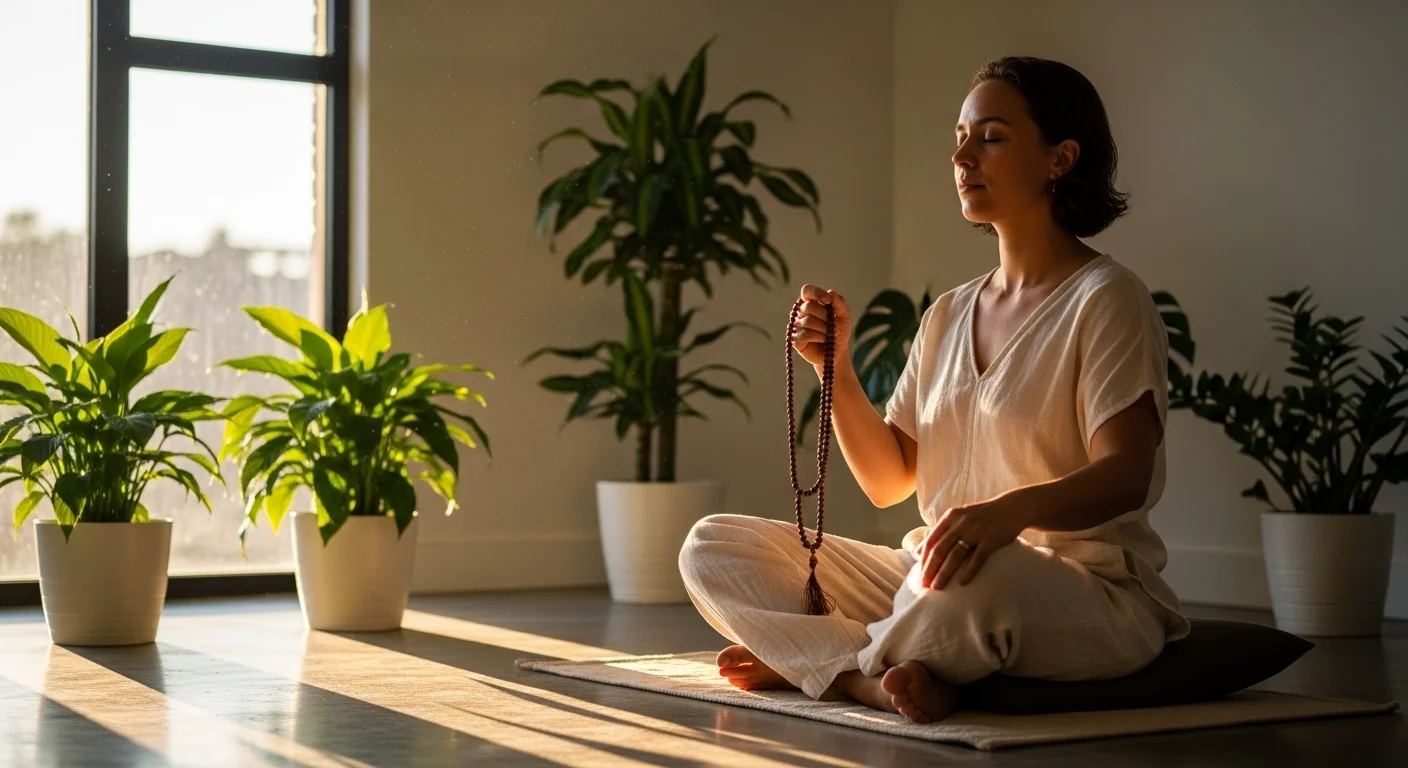
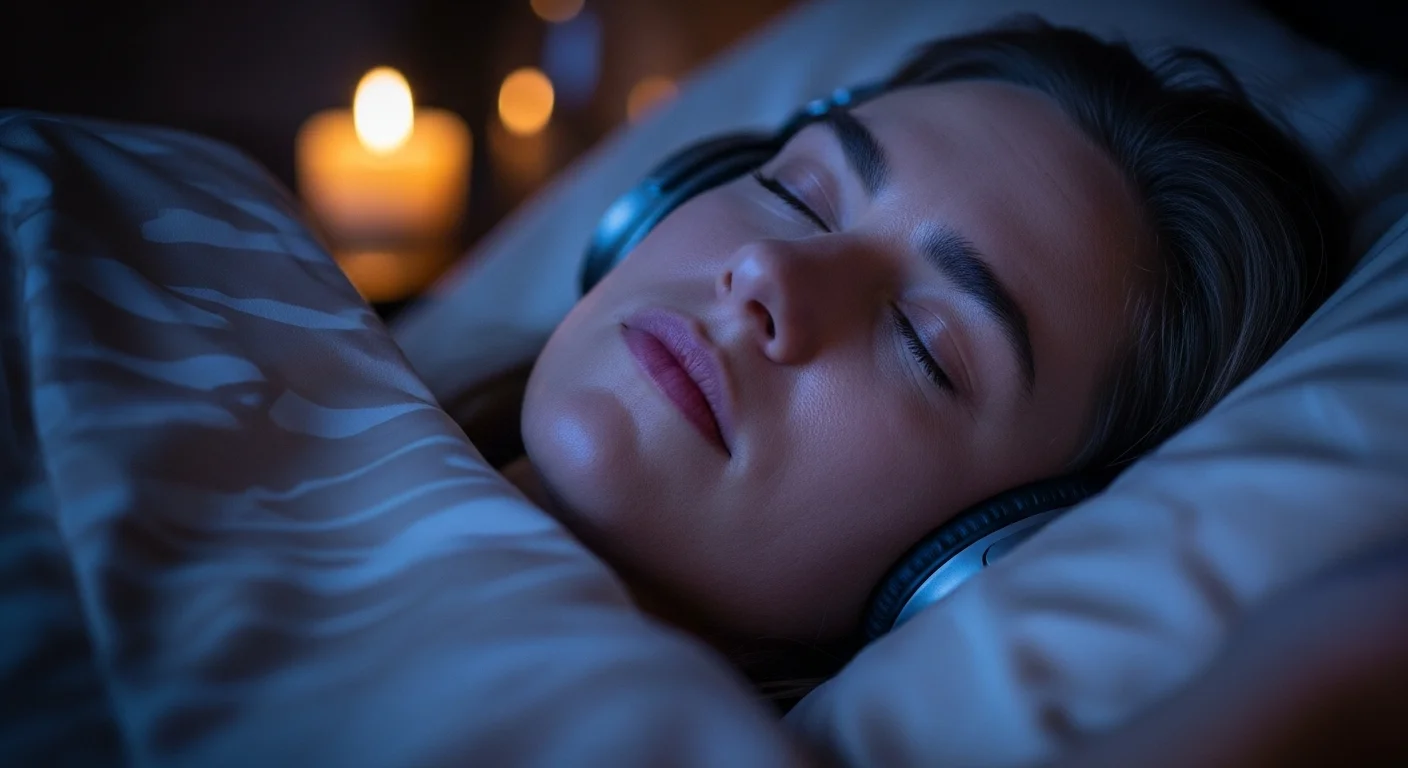
Guided sleep meditation is a method where a person listens to a recording to induce sleep. A narrator provides vocal instructions to relax the body and mind. This practice aims to reduce activity in the brain before bedtime occurs.
The narrator leads the listener through specific mental exercises. These often involve deep breathing or focusing on different body parts. The instructions help disconnect from daily stress. This process allows the nervous system to calm down for rest.
Users access these sessions through apps, websites, or podcasts. You simply lie in bed and follow the voice. No prior experience is necessary to start. The recordings vary in length to suit different preferences and sleep schedules.
How Meditation Affects the Brain Before Sleep
Meditation changes electrical activity in the brain. During the day, the brain produces beta waves associated with alertness and problem-solving. Practicing meditation shifts this activity toward alpha and theta waves. This transition signals the body to prepare for rest.
The practice also influences the production of specific chemicals. It reduces levels of cortisol, which is the primary stress hormone. Simultaneously, it increases the release of melatonin and serotonin. These neurotransmitters are essential for regulating the sleep-wake cycle and relaxation.
Finally, meditation lowers activity in the amygdala, the area responsible for processing fear and anxiety. This helps quiet racing thoughts that often prevent sleep. The process activates the parasympathetic nervous system, lowering heart rate and promoting a physical state of calm.
The Main Benefits of Guided Sleep Meditation
Guided sleep meditation helps the body relax before bed. It lowers the heart rate and slows down breathing. This process reduces muscle tension and physical stress. These physical changes prepare the body for a deep and consistent rest cycle.
This practice also quiets the mind effectively. It distracts the brain from anxious thoughts or daily worries. By focusing on a specific voice or sound, the listener stops overthinking. This mental shift makes it easier to fall asleep quickly.
Regular use improves overall sleep quality over time. It helps individuals stay asleep longer without waking up frequently. This leads to increased energy levels the next day. Many people use this method as a tool to manage symptoms of insomnia.

Common Techniques Used in Sleep Meditation
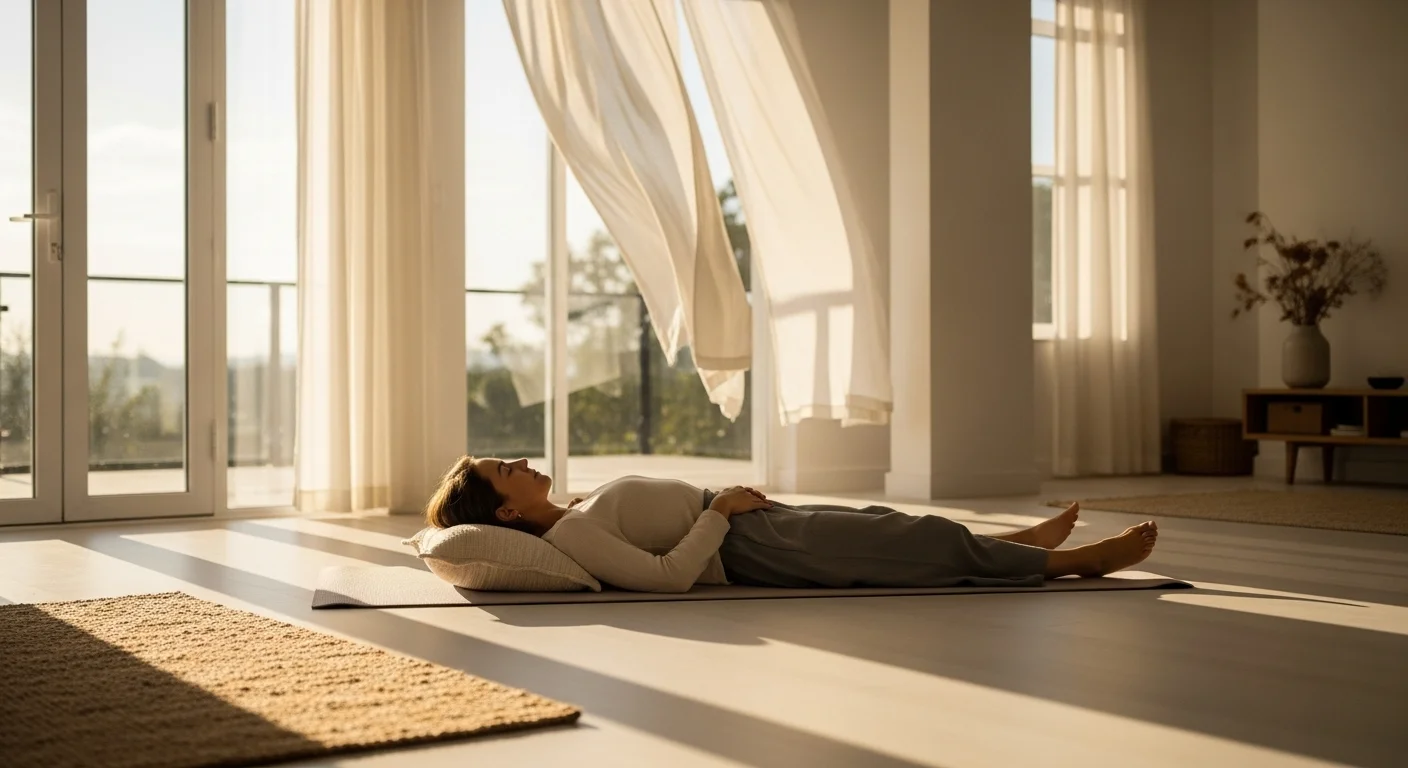
One method is the body scan. This technique involves focusing attention on different body parts. You tense and then relax muscle groups starting from the toes. The goal is to release tension and prepare the body for rest.
Deep breathing exercises are also frequently used. The narrator guides you to inhale slowly through the nose and exhale through the mouth. This process lowers the heart rate and signals the nervous system to calm down for sleep.
Visualization is another common approach. You imagine a scene or a location to distract the mind from thoughts. Some scripts also include counting backwards to clear mental activity. These tasks help transition the brain into a state of sleep.
Steps to Start a Guided Sleep Meditation Practice
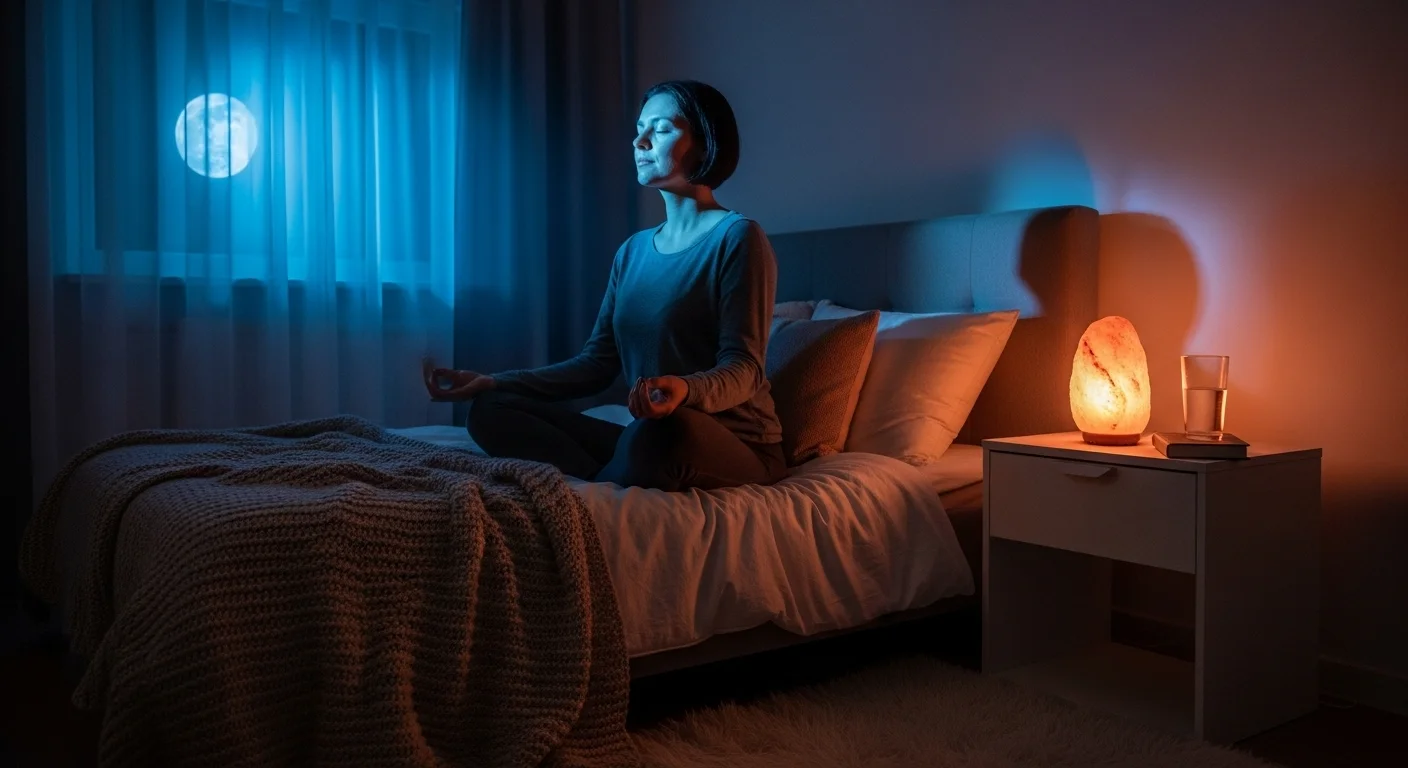
First, choose a quiet environment where you will not be disturbed. Select a comfortable sleeping position in your bed. Next, find a recording or application that offers guided meditation specifically designed for sleep. Ensure the volume is low but audible.
Begin the audio and close your eyes. Follow the narrator’s instructions carefully. You will likely focus on your breathing or relax specific muscle groups in your body. If your mind wanders, gently bring your attention back to the voice.
Establish a regular schedule by practicing at the same time every night. This routine signals your brain that it is time to rest. You can use headphones for better sound quality, but a speaker also works if it minimizes distractions.
Tools and Resources for Sleep Meditation
Many digital applications provide guided meditation specifically for sleep. Popular options include Headspace, Calm, and Insight Timer. These platforms offer libraries of audio tracks, breathing exercises, and bedtime stories. Users can choose sessions based on duration or specific sleep issues.
Proper audio equipment enhances the effectiveness of sleep meditation. Comfortable headphones or sleep masks with built-in speakers prevent discomfort while lying down. A white noise machine or a smart speaker can also play background sounds to block distracting external noises.
Free resources are widely available on video streaming sites and podcast networks. YouTube hosts many channels dedicated to relaxation techniques and sleep music. Additionally, various podcasts release nightly episodes featuring guided imagery and progressive muscle relaxation to induce rest.