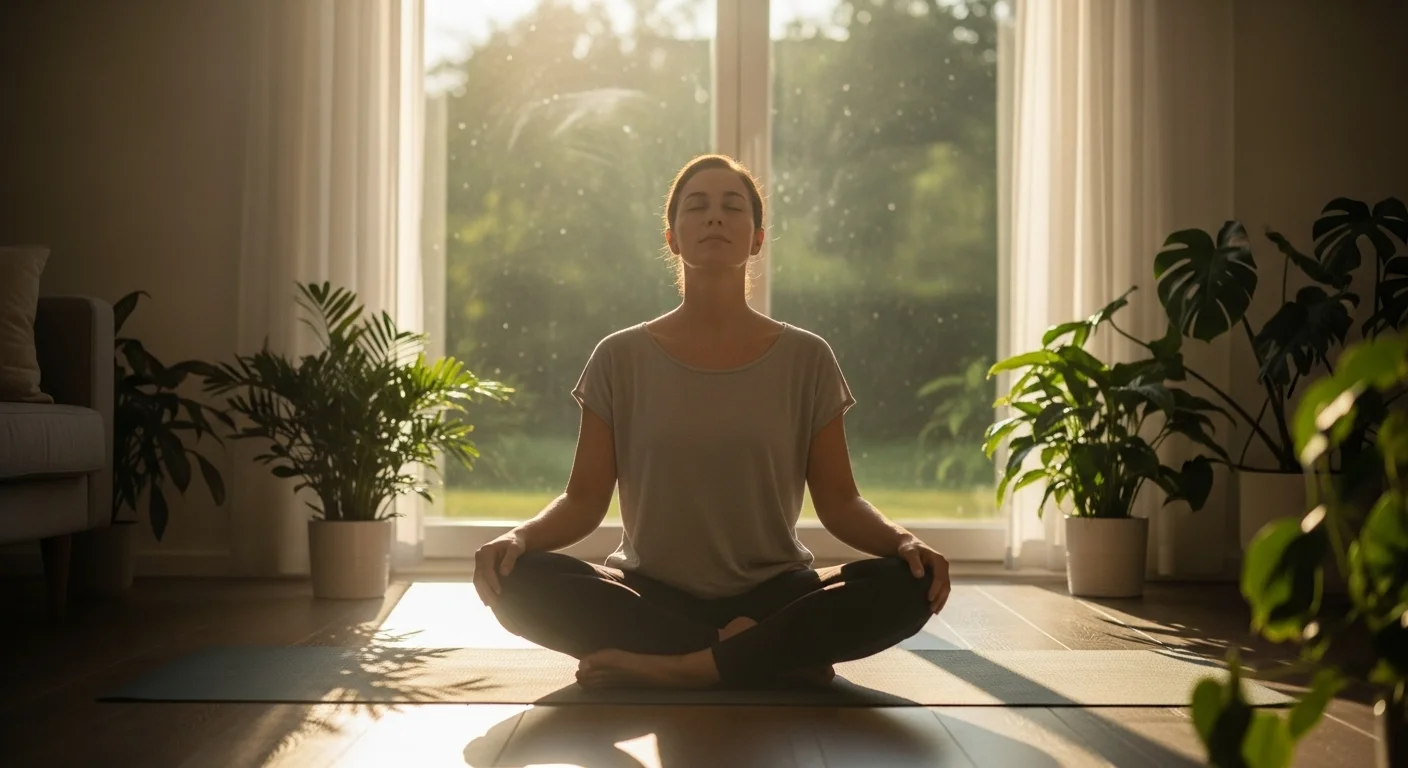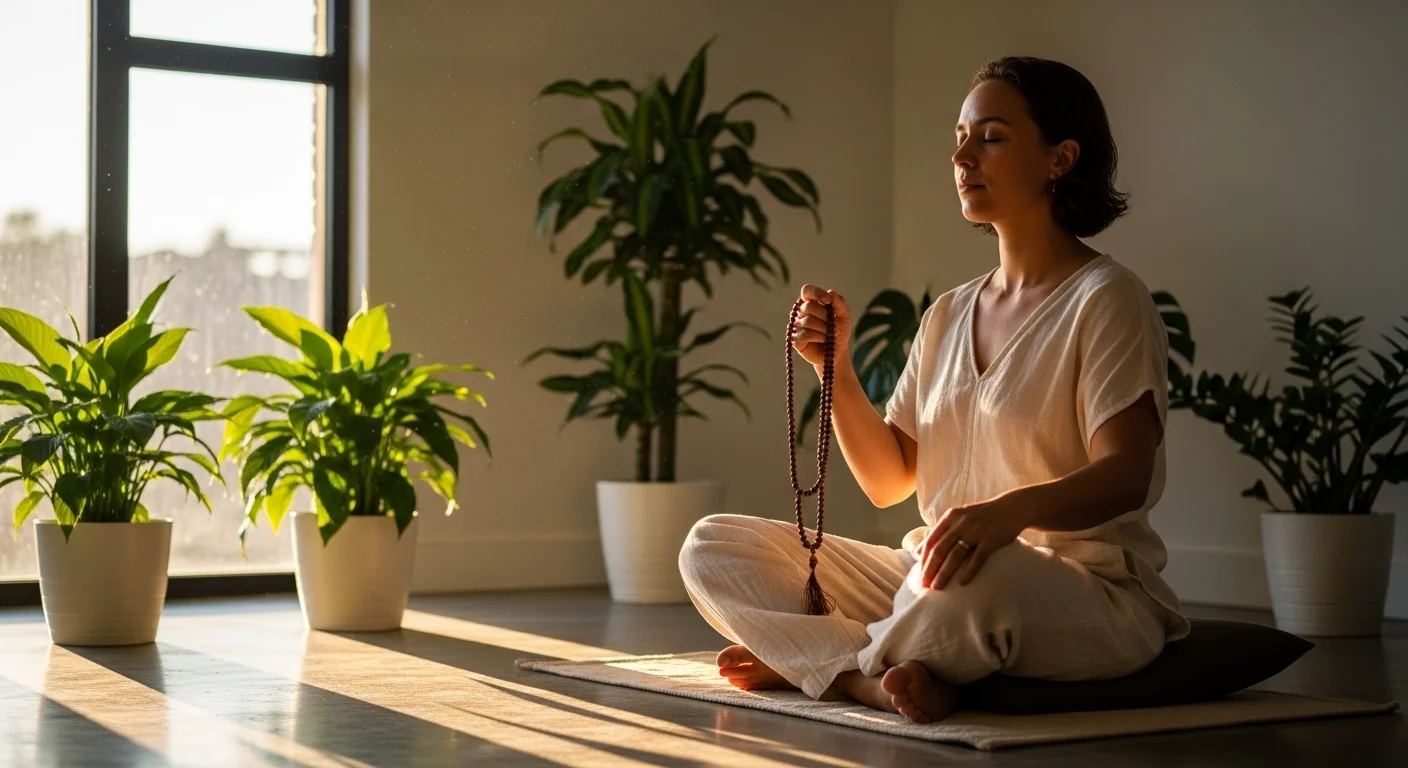

Deep sleep meditation is a specific technique designed to help individuals enter a state of deep relaxation. This practice bridges the gap between being awake and falling asleep. It uses mental focus to slow down thoughts and prepare the body for rest.
This method often involves guided instructions or breathing exercises. These tools lower the heart rate and reduce physical tension in the muscles. The brain moves from an active state to a slower frequency, which allows the person to sleep more easily.
Unlike standard meditation, the goal here is not heightened awareness or insight. Instead, the primary objective is to shut down conscious activity. This process signals to the brain that it is safe to disconnect from the surroundings and enter deep slumber.
Effects of Meditation on Brain Activity
Meditation alters the frequency of waves produced by the brain. Activity shifts from beta states to alpha and theta states. These slower frequencies associate with relaxation. This transition prepares the mind for the onset of sleep.
Scans indicate changes in the amygdala during meditation sessions. Activity decreases in this center responsible for stress. The practice also increases function in the prefrontal cortex. This change helps control emotions and reduces anxiety before bed.
Training the brain aids the transition into deep sleep stages. The mind generates delta waves more easily during the night. This state facilitates physical recovery and memory processing. Sleep quality improves with consistent meditation schedules.
Benefits of Deep Sleep Meditation for Health
Deep sleep meditation lowers stress levels in the body significantly. When you practice this technique, your heart rate slows down and blood pressure decreases. This process reduces cortisol production, which is the primary stress hormone found in humans.
This practice helps individuals overcome insomnia and various sleep disorders. By relaxing the mind, the body transitions into deep sleep cycles more efficiently. This leads to longer periods of restorative rest, which allows the body to repair cells and tissues.
Regular meditation at night improves cognitive function during the day. Adequate rest boosts the immune system and enhances mental concentration. Consequently, practitioners often experience better emotional stability and reduced symptoms of anxiety or depression in their daily lives.

Types of Deep Sleep Meditation Techniques
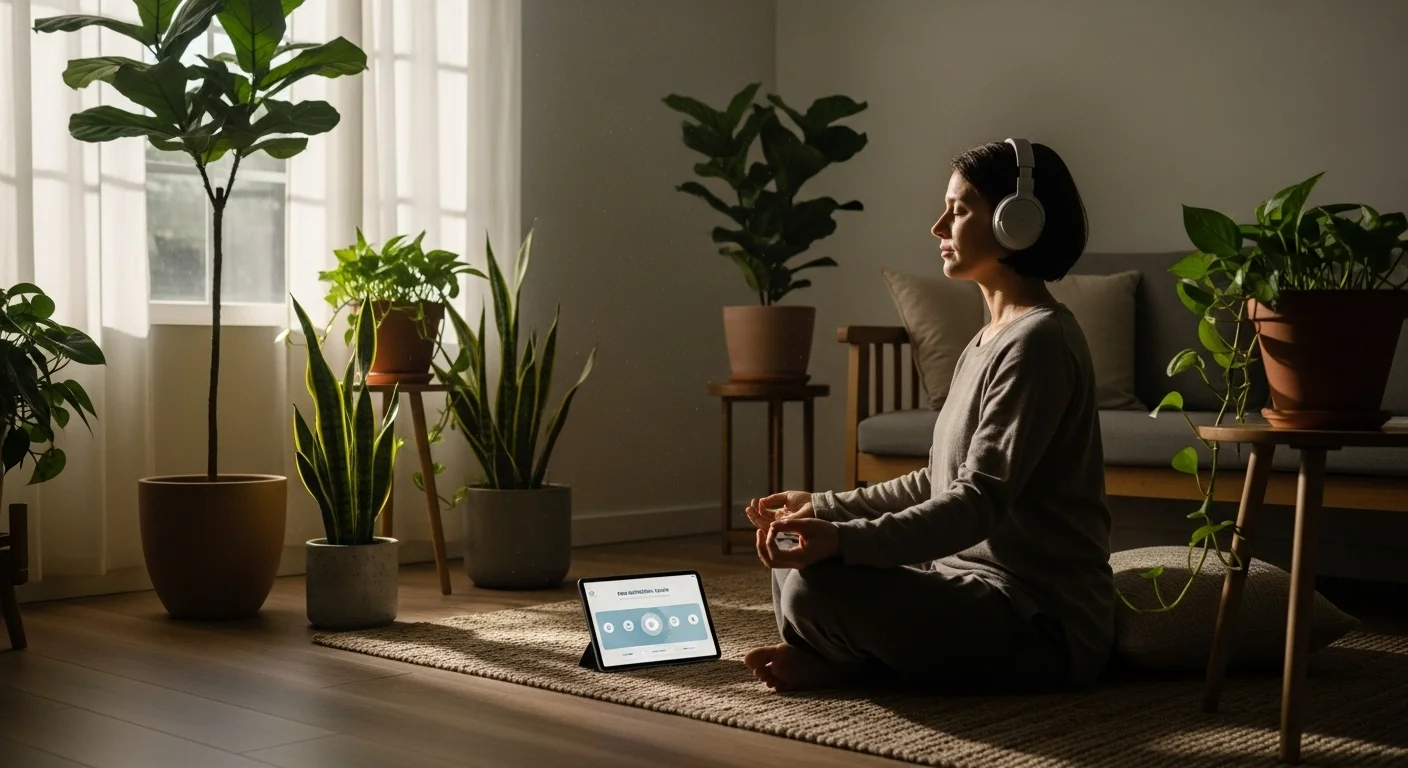
One common method is guided meditation. In this practice, an audio recording leads you through specific visualizations to help you relax. Another popular technique involves the body scan. You focus attention on different body parts to release physical tension gradually.
Breathing exercises are also effective for inducing sleep. Techniques like the 4-7-8 method regulate your breath to lower your heart rate. Mindfulness meditation requires you to observe your thoughts without judgment. This practice quiets the mind and prepares the brain for rest.
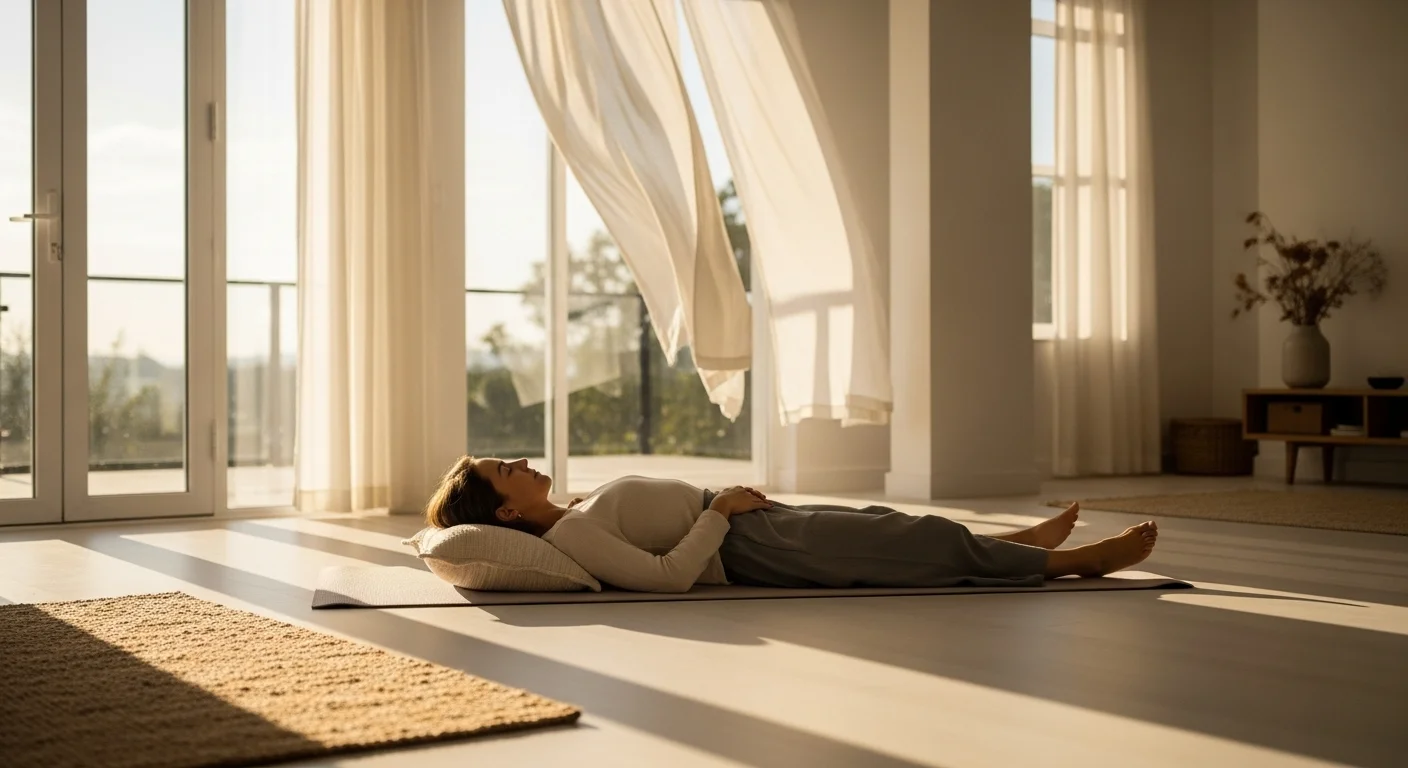
Yoga Nidra is a specific state of consciousness between waking and sleeping. This technique promotes deep relaxation through systematic awareness. Finally, gratitude meditation involves focusing on positive aspects of your day. This shifts your focus away from stress and encourages better sleep.
Preparation for a Sleep Meditation Session
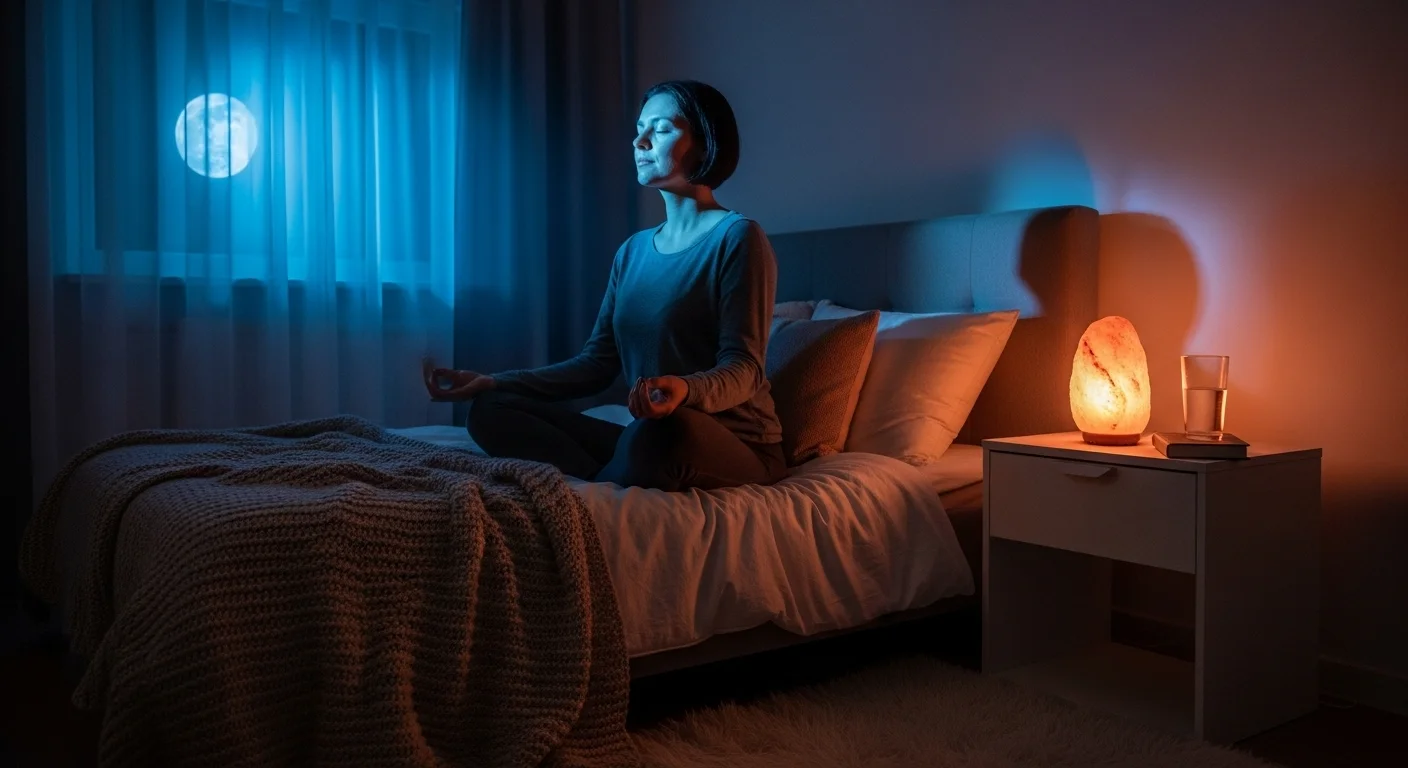
Start by selecting a quiet room where you will not be disturbed. Turn off all electronic devices or put them in silent mode to ensure silence. Dim the lights or use blackout curtains to create a dark environment that supports rest.
Wear loose and comfortable clothing that does not restrict your movement or breathing. Lie down on your back in a bed or on a mat. Keep your legs straight and let your arms rest by your sides with palms facing upward.
Commit to this practice immediately before you intend to sleep. Set an alarm for the morning if necessary so you do not worry about the time. Close your eyes gently and begin to focus attention on your natural breathing pattern.
Instructions for Practicing Deep Sleep Meditation
Begin by finding a quiet environment where you will not be disturbed. Lie down on your back in a comfortable position on your bed. Turn off all lights and electronic devices. Close your eyes and focus on relaxing your body.
Direct your attention to your breathing patterns. Inhale slowly through your nose and exhale through your mouth. If thoughts appear, acknowledge them and return your focus to your breath. Count each breath to help maintain your concentration on the present moment.
Perform a body scan by releasing specific muscle groups. Start with your toes and move upward to your head. Release any tension you notice in your shoulders or jaw. Continue this process until your body relaxes completely and you fall asleep.