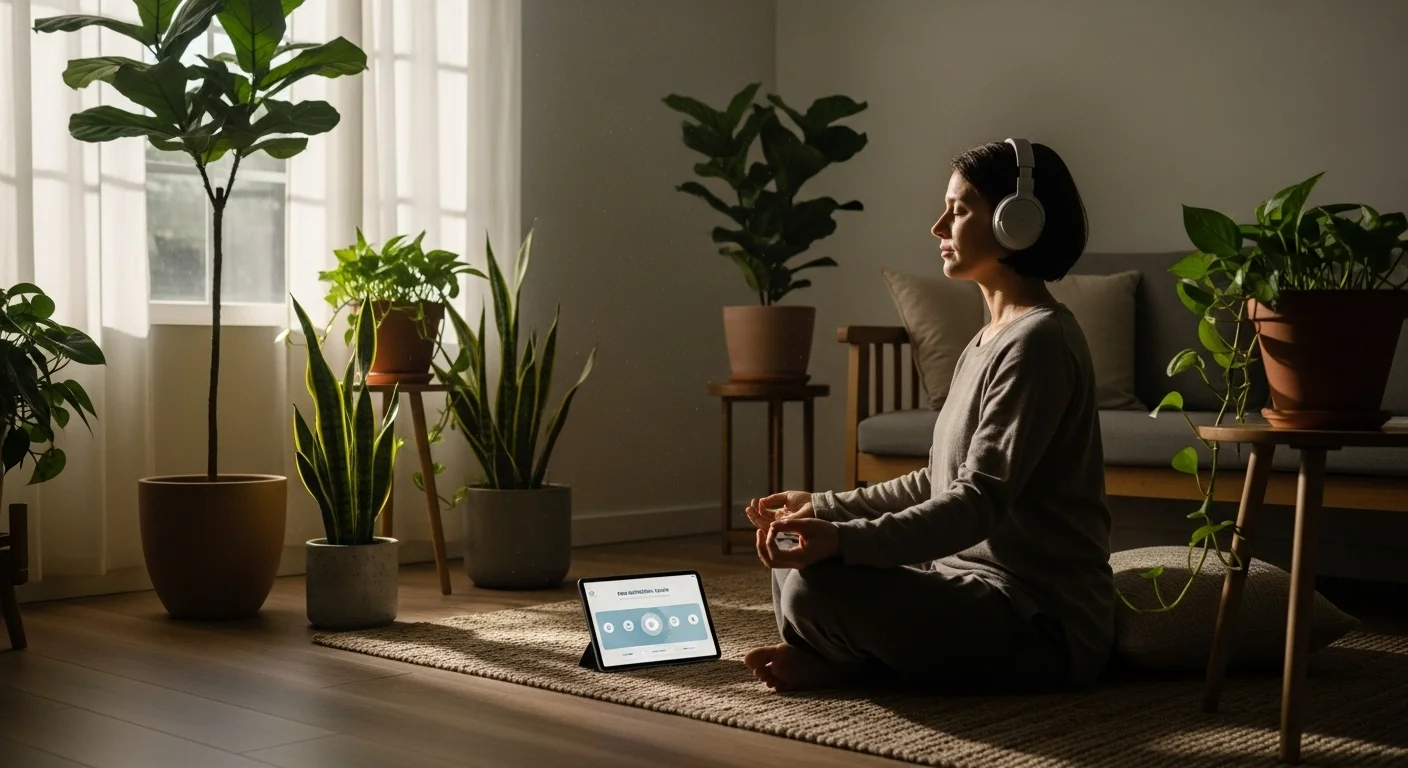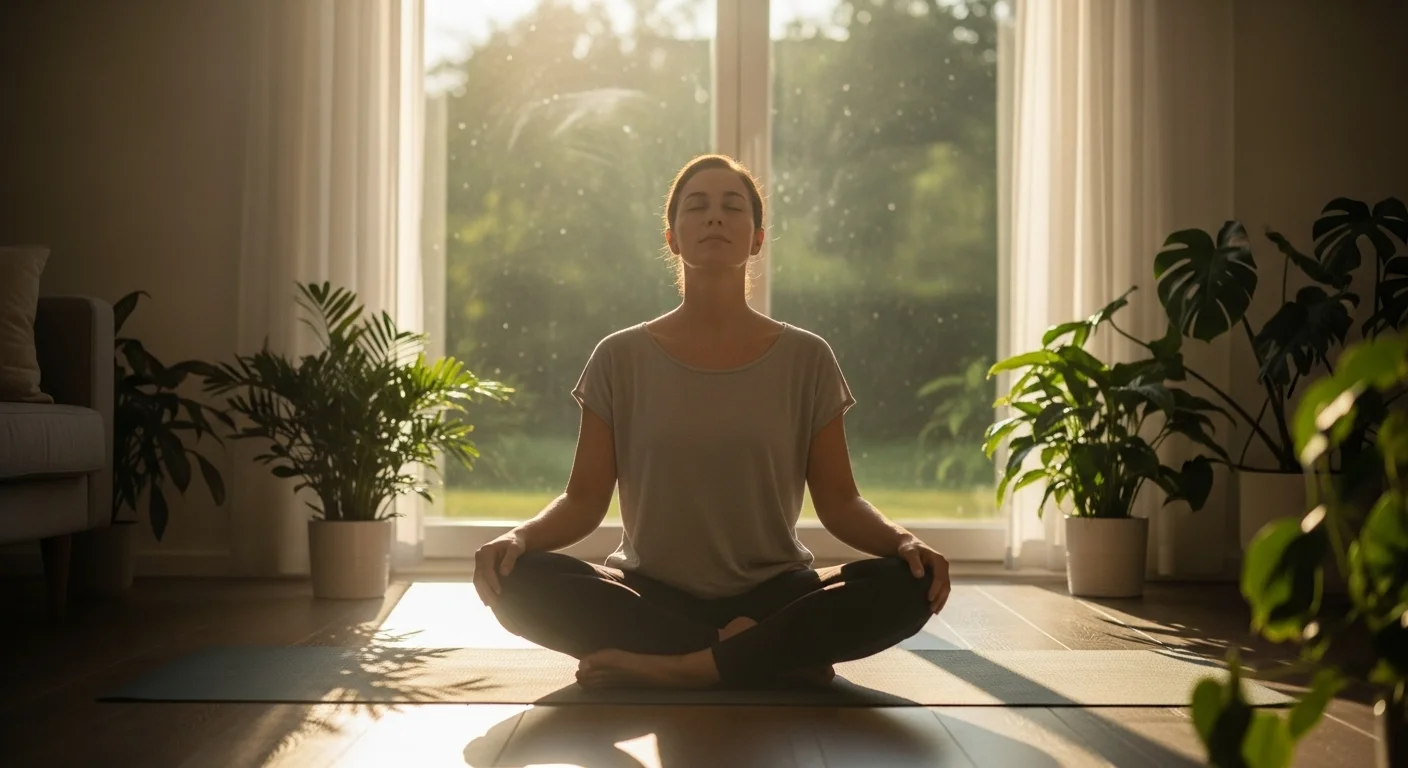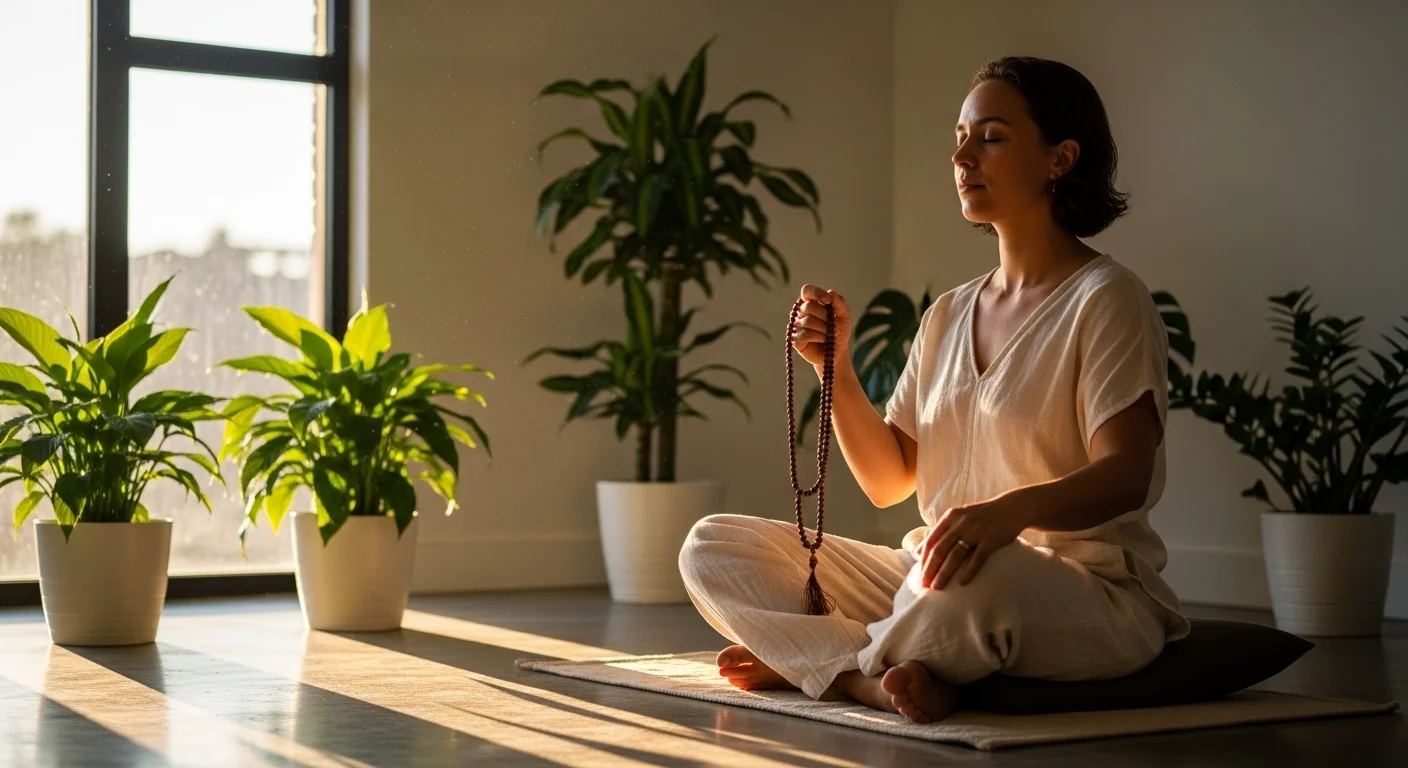
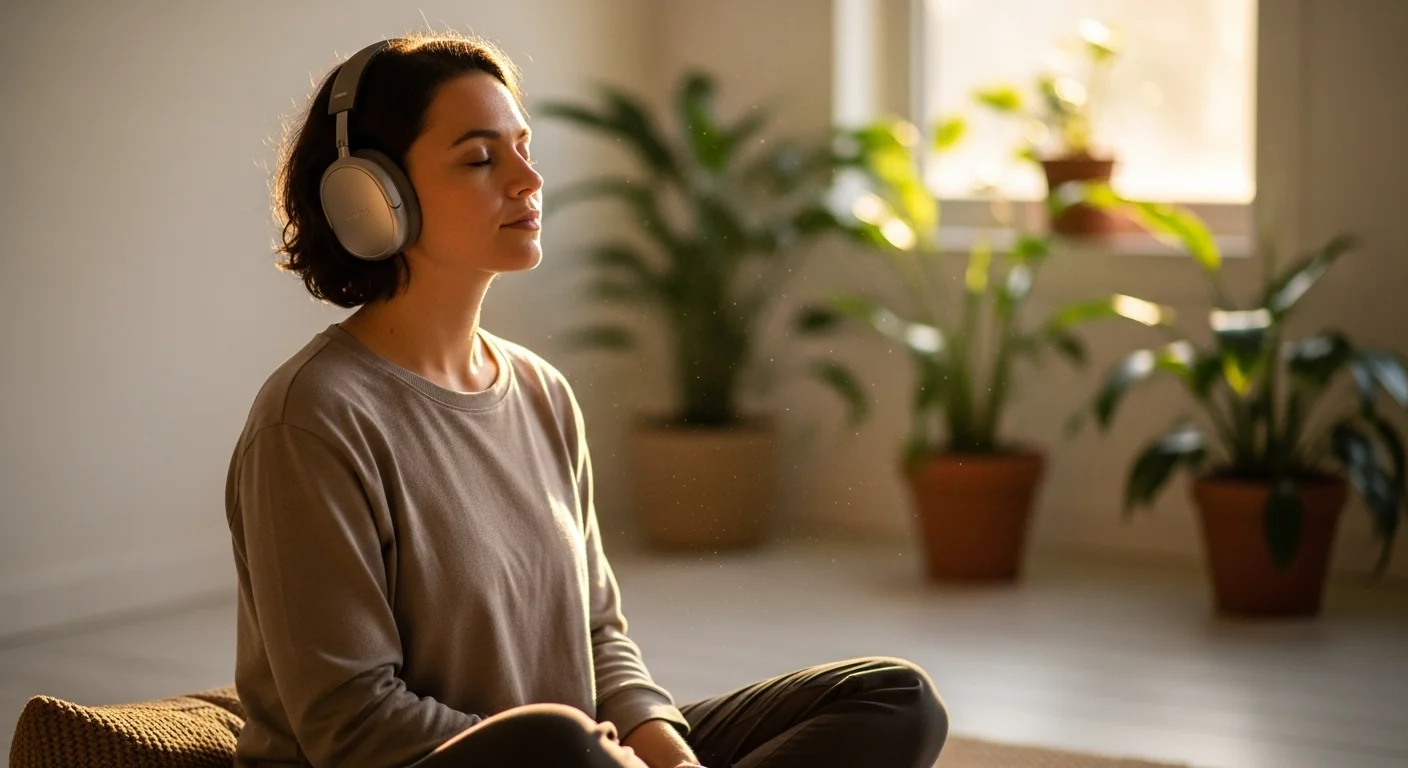
Guided meditation is a practice where an individual is led by a teacher or narrator. This guidance often comes from an in-person instructor, an audio recording, or a video. The goal is to focus the mind and relax the body through specific verbal instructions.
During a session, the narrator provides step-by-step directions to the listener. These instructions usually involve breathing exercises, mental visualization, or scanning the body for tension. This structure helps people who find it difficult to meditate alone or who get distracted easily by internal thoughts.
This method reduces the mental effort required to reach a calm state. By following an external voice, the listener does not need to manage the timing or the technique independently. This makes the practice accessible for beginners and effective for reducing stress levels.
Impact of Meditation on Anxiety Symptoms
Meditation lowers the production of stress hormones like cortisol. This process activates the parasympathetic nervous system to calm the body. As a result, physical symptoms such as rapid heart rate and high blood pressure decrease significantly during practice.
Regular practice improves emotional regulation and focus. It helps individuals detach from racing thoughts and worry. This cognitive shift allows people to observe their fears without reacting to them, which breaks the cycle of chronic anxiety and panic.
Studies show that meditation changes brain structure over time. It reduces activity in the amygdala, the area responsible for fear processing. Simultaneously, it strengthens the prefrontal cortex, which enhances rational decision-making and control over emotional responses.
Common Methods of Guided Meditation
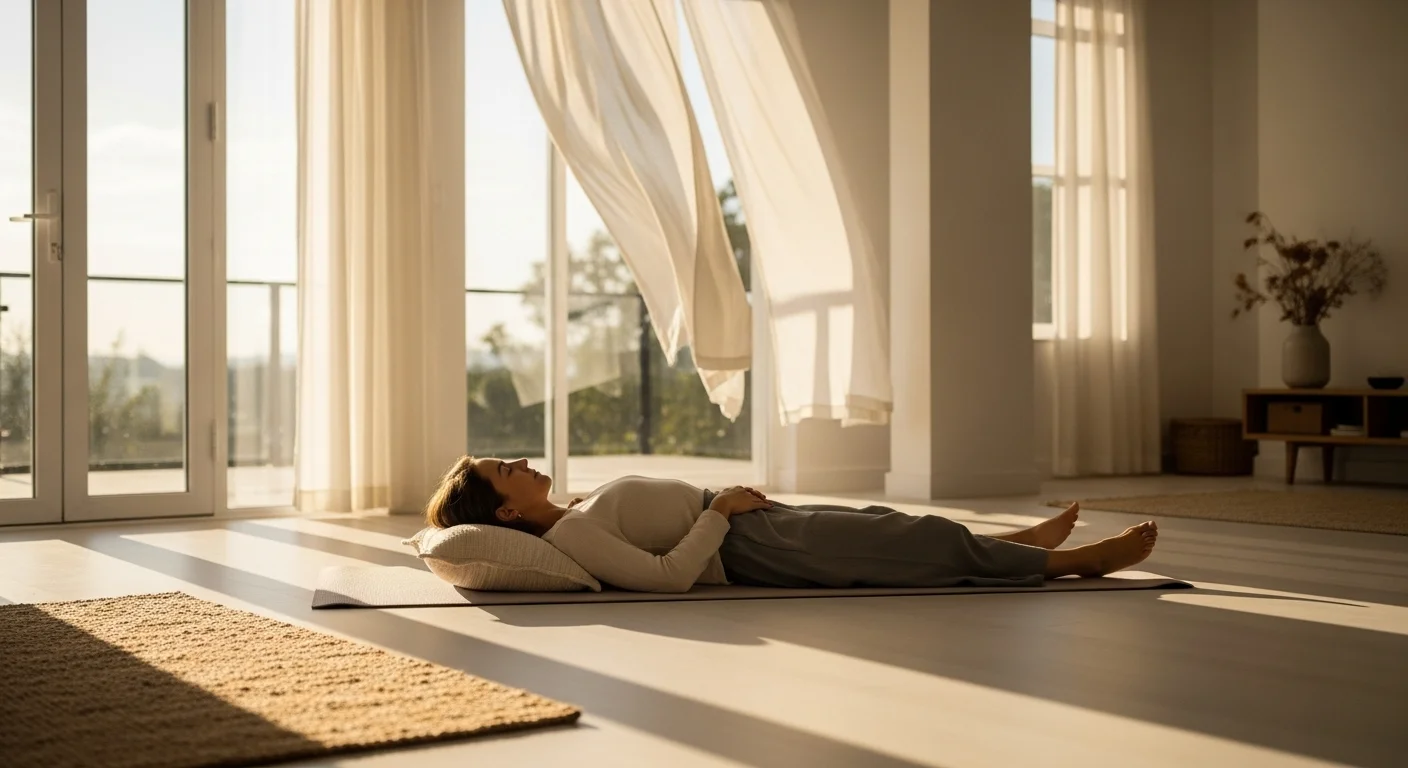
One popular method is the body scan. The instructor tells you to focus attention on different parts of the body. You start at the feet and move up to the head. This technique helps release physical tension caused by stress.
Another common technique involves visualization. The guide describes a peaceful scene, such as a beach or a forest. You imagine the sights and sounds of this environment. This mental activity distracts the mind from anxious thoughts and promotes relaxation.
Many sessions focus specifically on breath awareness. The voice instructs you to observe the rhythm of your inhalation and exhalation. You might count breaths or simply notice the airflow. This practice steadies the heart rate and calms the nervous system.
Instructions for a Meditation Session
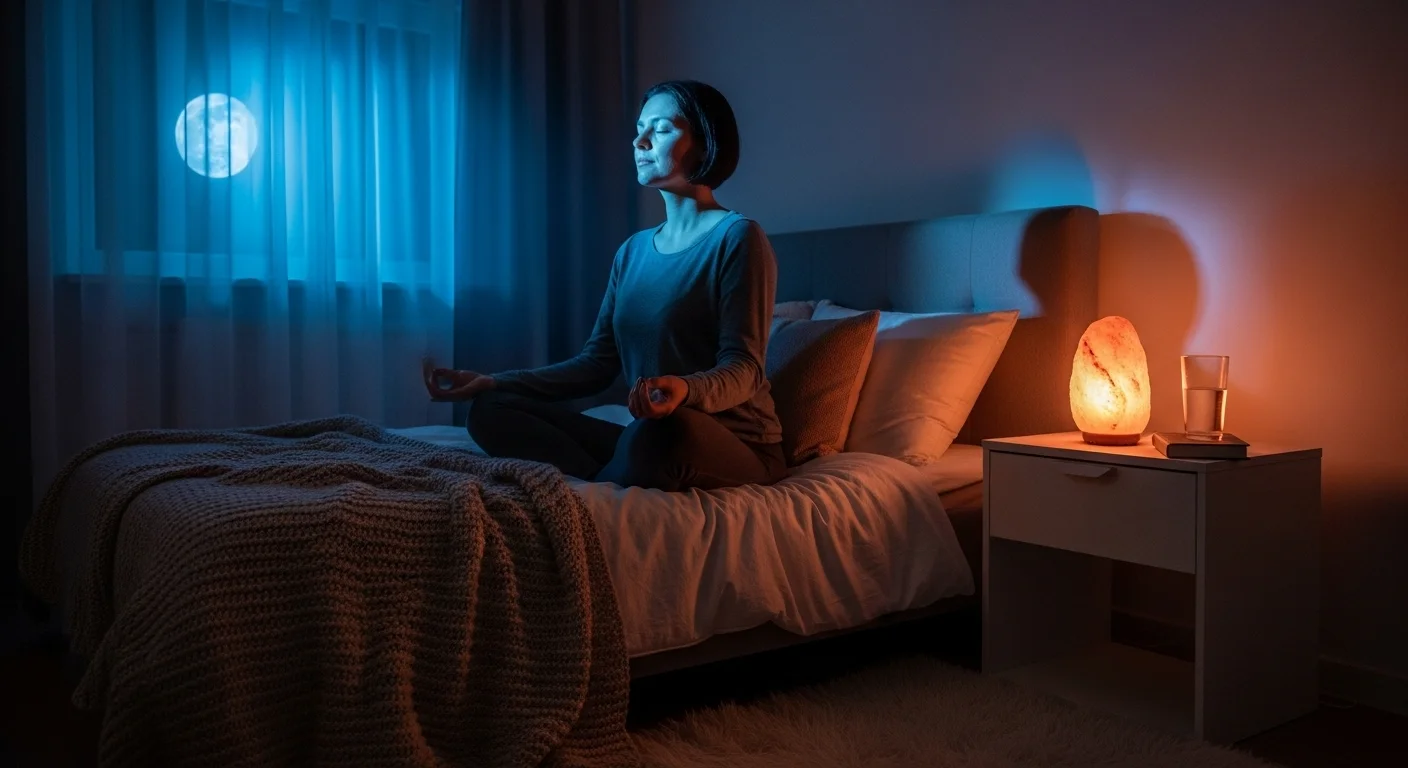
Begin by selecting a quiet room where distractions are minimal. Sit on a chair or cushion with a straight back to maintain alertness. Close your eyes gently and take several deep breaths to signal the start of the session.
Listen closely to the audio instructions provided by the recording. Focus attention on the physical sensation of breathing or specific body parts as directed. If thoughts wander, acknowledge them without judgment and immediately return your focus to the voice.
End the practice slowly when the audio guide concludes. Notice how your body feels in the present moment before opening your eyes. Stand up gradually and try to maintain this state of calm as you resume your daily tasks.
Schedule and Duration Recommendations
You should try to meditate at the same time every day to build a habit. Most experts suggest practicing daily for the best results. Morning sessions often help people start the day with a calm mind and reduced stress levels.
Beginners should start with short sessions to avoid feeling overwhelmed. A duration of five to ten minutes is sufficient when you first begin. You can gradually increase the length of your practice as you become more comfortable with the process.
Experienced practitioners often meditate for twenty minutes or longer per session. However, you can also use short guided meditations during moments of high anxiety. Brief pauses throughout the day allow you to reset your focus and manage acute stress symptoms.
Research on Meditation Effectiveness
Scientific studies consistently show that meditation reduces anxiety symptoms. A systematic review from Johns Hopkins University analyzed multiple clinical trials and found moderate evidence for improvement. The practice lowers cortisol levels and changes how the brain responds to stress factors.
Neuroscientists use MRI scans to observe physical changes in the brain. Research indicates that regular meditation increases gray matter density in the hippocampus. Furthermore, the practice decreases activity in the amygdala, which is the region responsible for processing fear and emotions.
Clinical studies also compare meditation to pharmaceutical treatments. One specific trial found that mindfulness meditation functioned as effectively as common anxiety medications for certain patients. Participants reported fewer panic attacks and improved sleep quality after eight weeks of consistent practice.