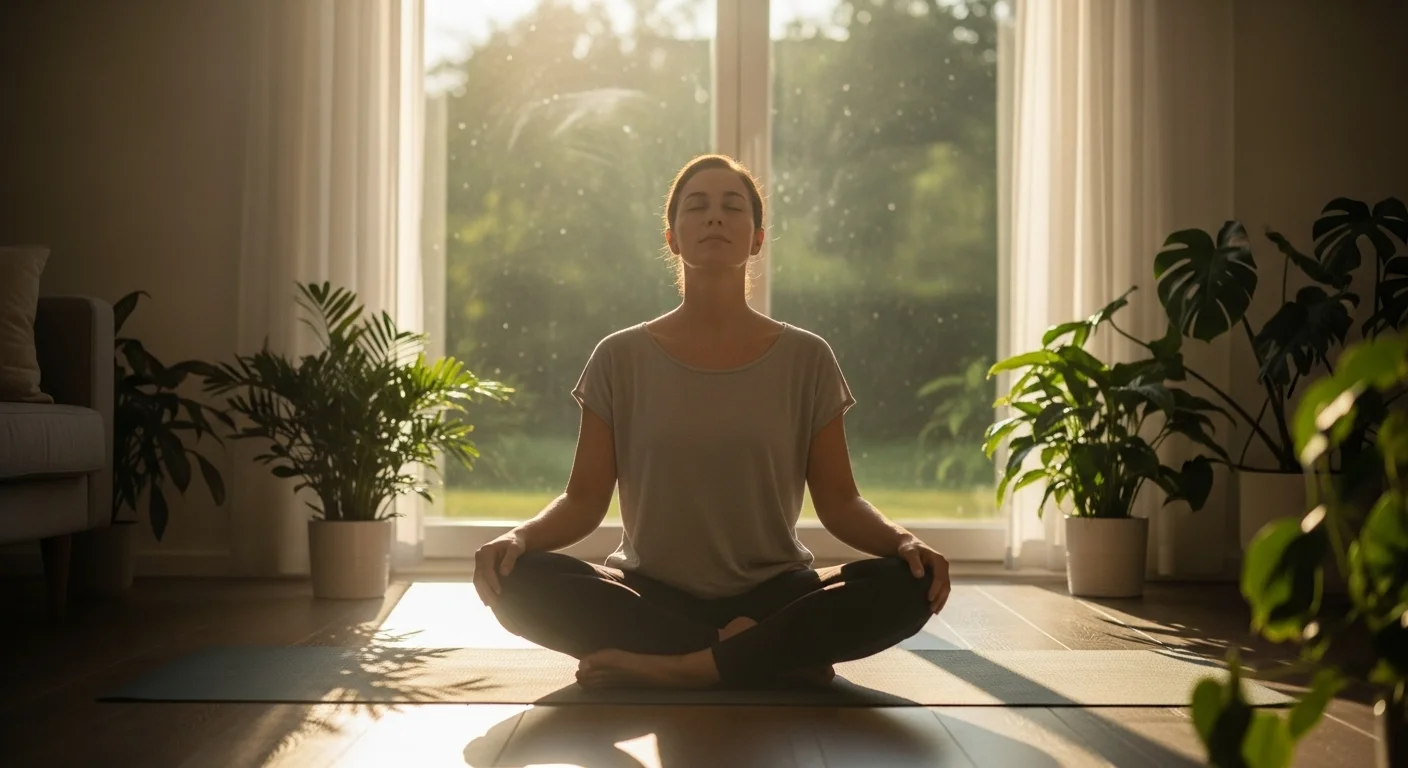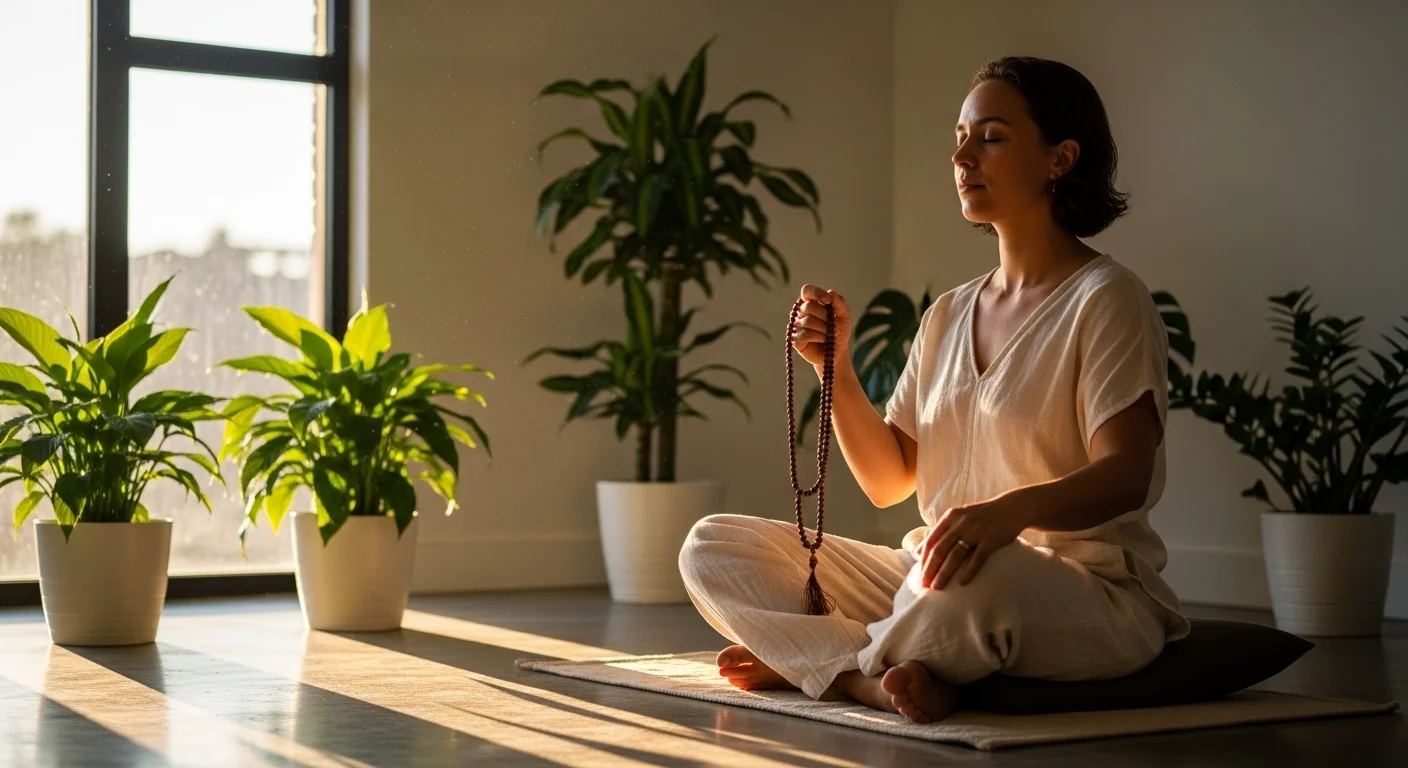

Healing meditation is a specific mental practice designed to support physical and emotional recovery. It focuses on using relaxation techniques to reduce stress within the body. Practitioners use this method to calm the nervous system and promote a stable condition.
This process often involves deep breathing exercises and focused visualization. You direct your attention to specific areas of pain or tension. The aim is to release physical tightness and mental strain. This helps the body function efficiently during rest.
People use this technique to manage chronic conditions or recent injuries. It serves as a complementary tool alongside traditional medical treatments. By lowering stress hormones, the practice creates an internal environment that allows the body to repair itself naturally.

How Meditation Affects the Body
Meditation triggers the parasympathetic nervous system, which controls the relaxation response. This process decreases the production of stress hormones like cortisol. Consequently, the heart rate slows down and blood pressure drops to a healthier level during the practice.
Regular practice leads to structural changes in the brain, including increased grey matter density. This improvement supports memory and emotional regulation. Additionally, meditation lowers markers of inflammation in the body, which helps strengthen the immune system against illness.
Deep states of rest achieved through meditation improve overall sleep quality. The practice releases muscle tension and lowers oxygen consumption. These physical shifts allow the body to repair tissues and regulate metabolism more efficiently throughout the day.
Common Techniques for Healing Meditation
One popular method involves performing a body scan. You close your eyes and focus attention on different body parts. Start from the toes and move upward. This practice helps identify physical tension and promotes relaxation throughout the entire body.
Guided visualization is another effective technique. Practitioners imagine a source of light or energy entering the body. You focus on this image repairing damaged tissues or soothing pain. This mental exercise aims to stimulate the body’s natural recovery processes.
Many people also use breath awareness or mantra repetition. You concentrate strictly on the rhythm of inhaling and exhaling. Alternatively, you repeat a specific sound or phrase. These actions quiet the mind and reduce stress levels to support healing.

Physical and Mental Benefits of Practice
Regular meditation significantly reduces the physical symptoms of stress in the body. It lowers cortisol levels and stabilizes high blood pressure. Practitioners often report improved sleep quality and a stronger immune system after establishing a consistent daily routine.
Mental health improves with consistent meditation practice. This technique reduces symptoms of anxiety and depression by calming the mind. It allows individuals to regulate their emotions better. Many people experience increased mental clarity and the ability to focus on tasks.
The combination of physical relaxation and mental focus leads to better pain management. Patients with chronic conditions use these methods to reduce their reliance on medication. Overall well-being increases because the mind and body function more efficiently together.
Steps to Begin a Meditation Routine
To start a meditation routine, you must select a specific time each day. Morning hours are often effective because there are fewer distractions. You also need a quiet environment. Sit in a comfortable position to keep your body relaxed during the process.
Close your eyes and focus attention on your breathing patterns. Inhale slowly through your nose and exhale through your mouth. If your mind wanders to other thoughts, gently return your focus to the breath without judging yourself for the distraction.
Begin with short sessions lasting five to ten minutes. Consistency is more important than duration when establishing a new habit. You can gradually increase the time as you become comfortable with the practice. Daily repetition builds the routine effectively.
Scientific Research on Meditation and Health
Numerous clinical studies have analyzed the effects of meditation on the human body. Researchers use tools like MRI scans to observe brain activity during practice. These scientific investigations consistently show that regular meditation changes neural pathways and reduces stress markers.
Data indicates that meditation lowers blood pressure and improves heart rate variability. Medical journals report that practitioners often experience stronger immune system responses. These physical changes suggest that the practice actively supports the body’s natural healing processes and disease prevention.
Research also confirms the impact of meditation on mental health and pain management. Studies demonstrate that mindfulness reduces symptoms of anxiety and depression significantly. Furthermore, patients dealing with chronic pain often report decreased intensity and better coping mechanisms through daily practice.