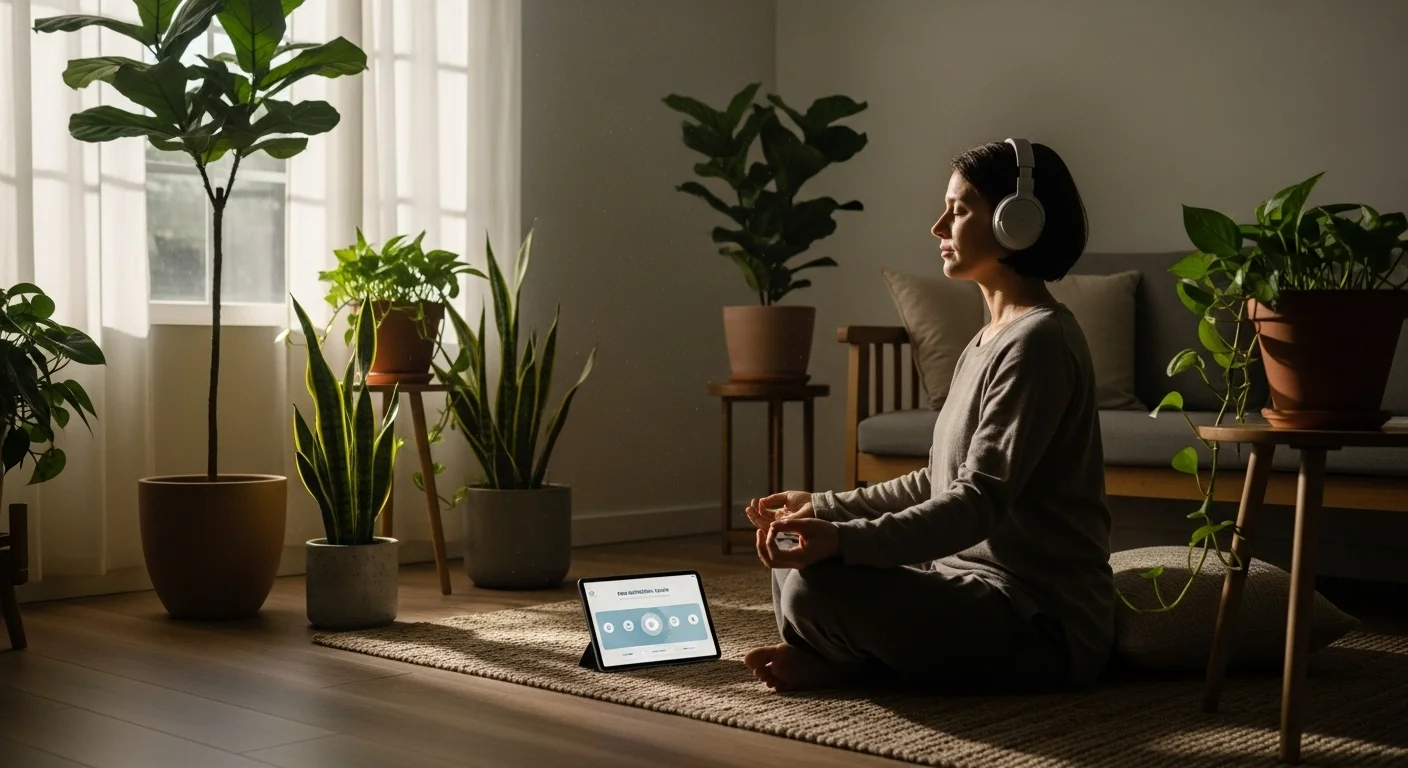
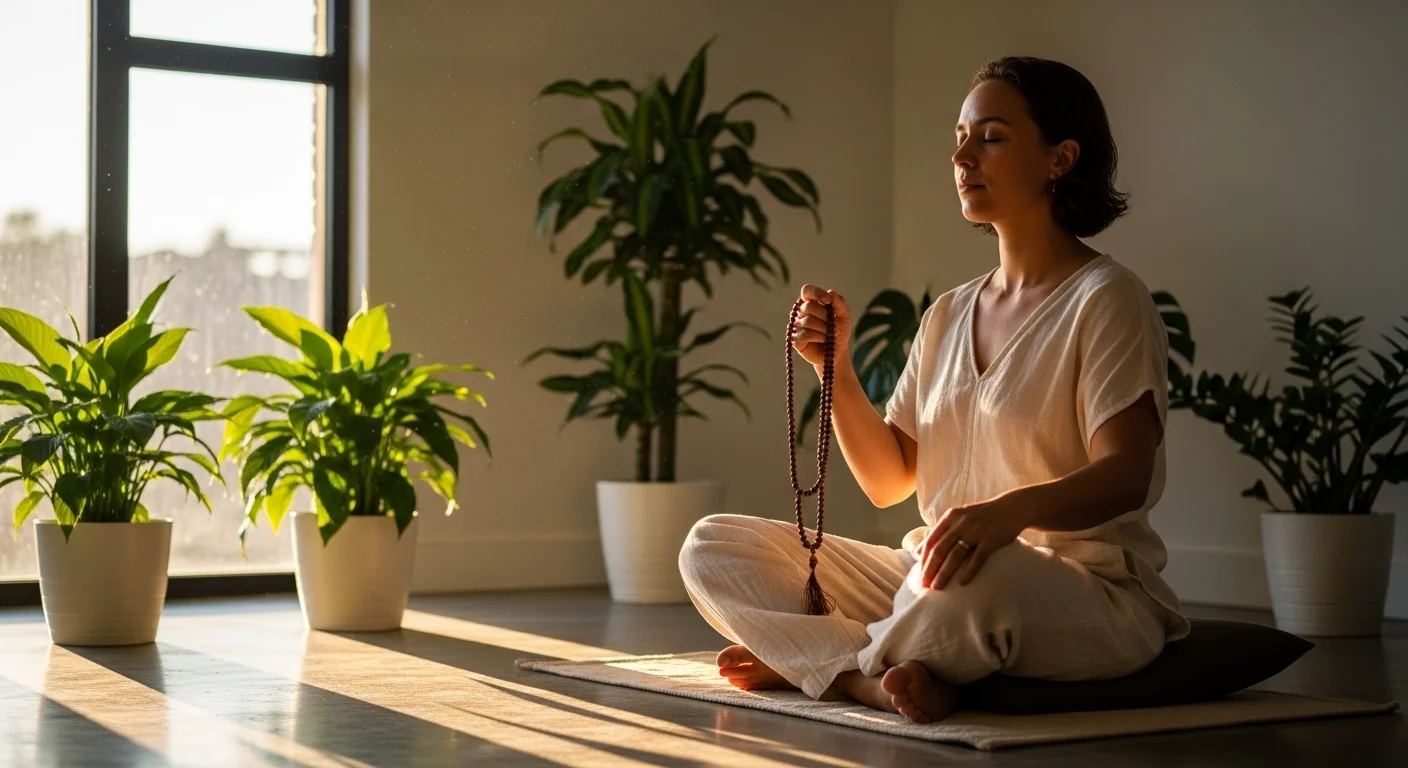
Mantra meditation is a practice where you focus your mind on a specific sound, word, or phrase. This sound is known as a mantra. You repeat the mantra silently or aloud to aid concentration. This process helps reduce distractions during your session.
Practitioners repeat the chosen word to keep the mind engaged. This repetition creates a focal point for your awareness. When thoughts wander away, the mantra brings attention back to the present moment. It serves as a tool to maintain mental stability.
You can use traditional Sanskrit sounds or simple phrases in your own language. The choice depends on personal preference. The primary goal is to settle the mind and achieve a state of alertness. This technique is common in many traditions worldwide.
Benefits of Practicing Mantra Meditation
Mantra meditation improves your ability to focus. Repeating a specific sound or phrase keeps the mind occupied. This process reduces wandering thoughts and distractions during the practice. Over time, this training leads to better concentration in your daily tasks.
This practice effectively lowers stress levels. The rhythmic repetition regulates your breathing and slows down your heart rate. These physical changes signal your body to relax. Consequently, practitioners often experience decreased anxiety and a calmer emotional state after sessions.
Regular practice enhances self-awareness and mood. By focusing on a mantra, you learn to observe your thoughts without judgment. This detachment creates a sense of inner peace. Many people report feeling more positive and balanced with consistent daily effort.
How to Choose a Mantra
You can start by selecting a traditional Sanskrit sound. The word “Om” is a common example used by many practitioners. These ancient sounds usually have specific vibrations that aid focus. Research the meaning of these words before you decide to use them.
You may prefer to use a word or phrase in your own language. Choose a short statement that supports your intention for the meditation. Examples include words like “peace” or phrases like “I am calm.” Keep the selection short and easy to repeat.
Test your chosen mantra during a short meditation session to see how it feels. The sound should flow easily without requiring intense mental effort. If the word feels distracting or difficult, simply switch to a different option until you find one that works.

Steps to Practice Mantra Meditation
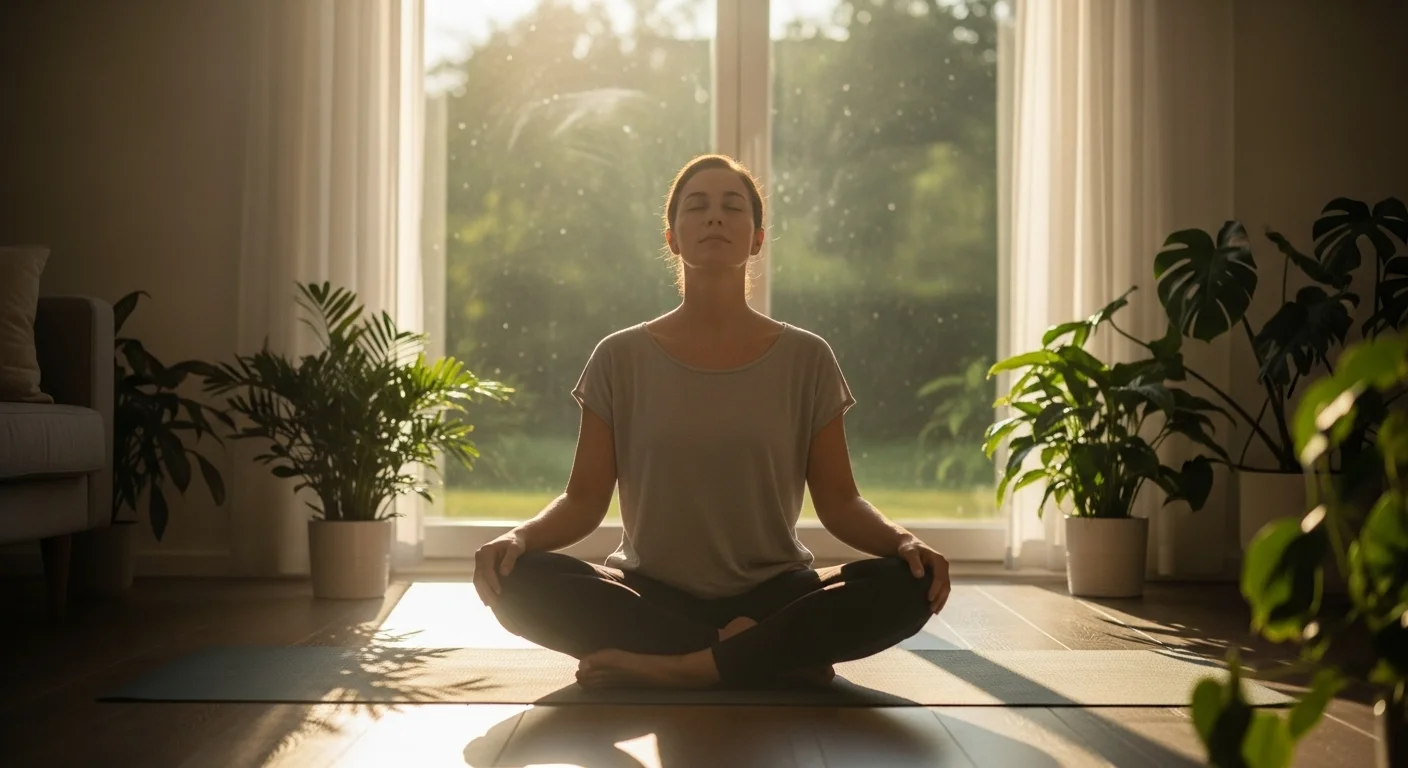
Begin by finding a quiet room where you will not be disturbed. Sit comfortably on a chair or the floor with your back straight. Close your eyes gently and take several deep breaths to relax your body before you start chanting.
Choose a specific mantra and repeat it silently or aloud. Focus your attention entirely on the sound and rhythm of the words. If your mind wanders to other thoughts, simply return your focus to the repetition of the mantra without judgment.
Continue this process for a set period, such as ten to twenty minutes. When the time ends, stop repeating the mantra and sit quietly for a moment. Open your eyes slowly and resume your normal activities with a clear mind.
When and How Long to Meditate
You should choose a specific time each day to practice mantra meditation. Many beginners find that the morning is the best time because the mind is quiet. However, the evening is also a good option if you want to relax before sleep.
Start with short sessions to build a habit. Five to ten minutes is a sufficient amount of time for beginners to practice. You do not need to sit for an hour immediately. Consistency is much more important than the length of the session.
Aim to practice every day for the best results. If daily practice is difficult, commit to at least three times a week. Use a timer to track the session. You can increase the duration as you feel more comfortable with the technique.
Common Challenges and Solutions
A wandering mind is a frequent problem for new practitioners. Thoughts will often distract you during the session. Do not judge yourself when this happens. Simply return your attention to the mantra. Your ability to concentrate will improve with practice.
You may experience physical discomfort while sitting. Pain in the back or legs can break your focus. Adjust your posture or use a chair for support. Ensure your spine remains upright. Comfort helps you sustain the practice for longer.
Many people stop because they expect instant results. Benefits often take time to appear. Do not look for immediate changes in your mood. Commit to a daily schedule instead. A consistent routine is the best way to ensure progress.