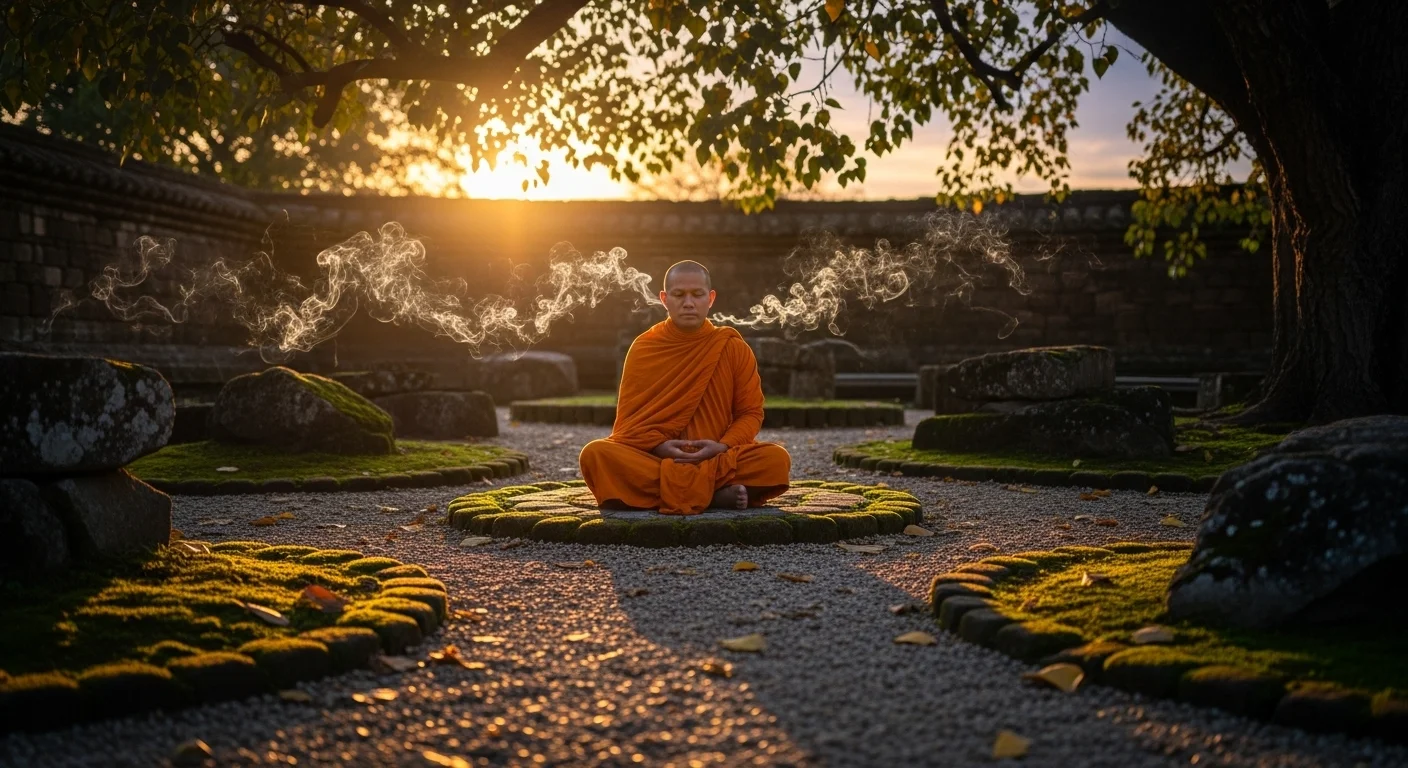
Buddhist meditation is a practice used to train the mind. It involves techniques that encourage concentration and mindfulness. The goal is to reach a state of mental clarity and emotional calm. Practitioners use these methods to understand the true nature of reality.
This practice originated in ancient India around the fifth century BCE. It was developed by Siddhartha Gautama, who is known as the Buddha. He taught these techniques as a path to end suffering. The methods were recorded in early religious texts known as sutras.
Over centuries, the teachings spread across Asia and evolved into different schools. Theravada and Mahayana are the two primary traditions that preserved these methods. Each school emphasizes specific techniques, but they all share the same historical roots and fundamental purpose of mental cultivation.
The Practice of Samatha Meditation
Samatha meditation focuses on the development of tranquility and concentration. Practitioners train the mind to remain fixed on a single object for an extended period. This process calms mental agitation and creates a stable foundation for deeper insight practices.
You begin this technique by selecting a specific focal point, such as the breath or a visual object. When the mind wanders, you simply return attention to this chosen anchor. Repeated practice strengthens the ability to control thoughts and emotions.
Sustained concentration eventually leads to states of deep mental absorption known as jhanas. These states provide rest and clarity to the practitioner. This stability allows individuals to observe the mind objectively without getting lost in distraction or sensory input.
The Practice of Vipassana Meditation
Vipassana is a traditional technique that translates to clear seeing. The method requires practitioners to observe reality exactly as it exists. This practice aims to remove mental impurities through a disciplined process of self-observation and mental focus.
Students begin the practice by focusing attention on the natural breath. They later shift their focus to physical sensations on the body. The meditator scans the body systematically and observes these sensations without generating a reaction or judgment.
This continuous observation teaches the concept of impermanence. Practitioners learn that every physical sensation arises and eventually passes away. This realization helps the individual remain balanced and calm. The ultimate goal is full liberation from all mental suffering.

The Practice of Metta Meditation
Metta meditation is also known as loving-kindness meditation. This practice focuses on developing benevolent feelings toward others. You start by directing positive thoughts toward yourself. Then you extend these thoughts to friends, family, strangers, and even difficult people.
Practitioners repeat specific phrases silently during the session. Common examples include wishing for safety, happiness, health, and peace. This repetition helps the mind concentrate and cultivates a sense of goodwill. The goal is to generate a genuine feeling of kindness.
Regular practice reduces anger and negative emotions over time. It promotes patience and empathy in daily life. Research suggests this technique increases positive affect and social connection. It is a fundamental method used to build compassion for all living beings.
Instructions for Posture and Breathing
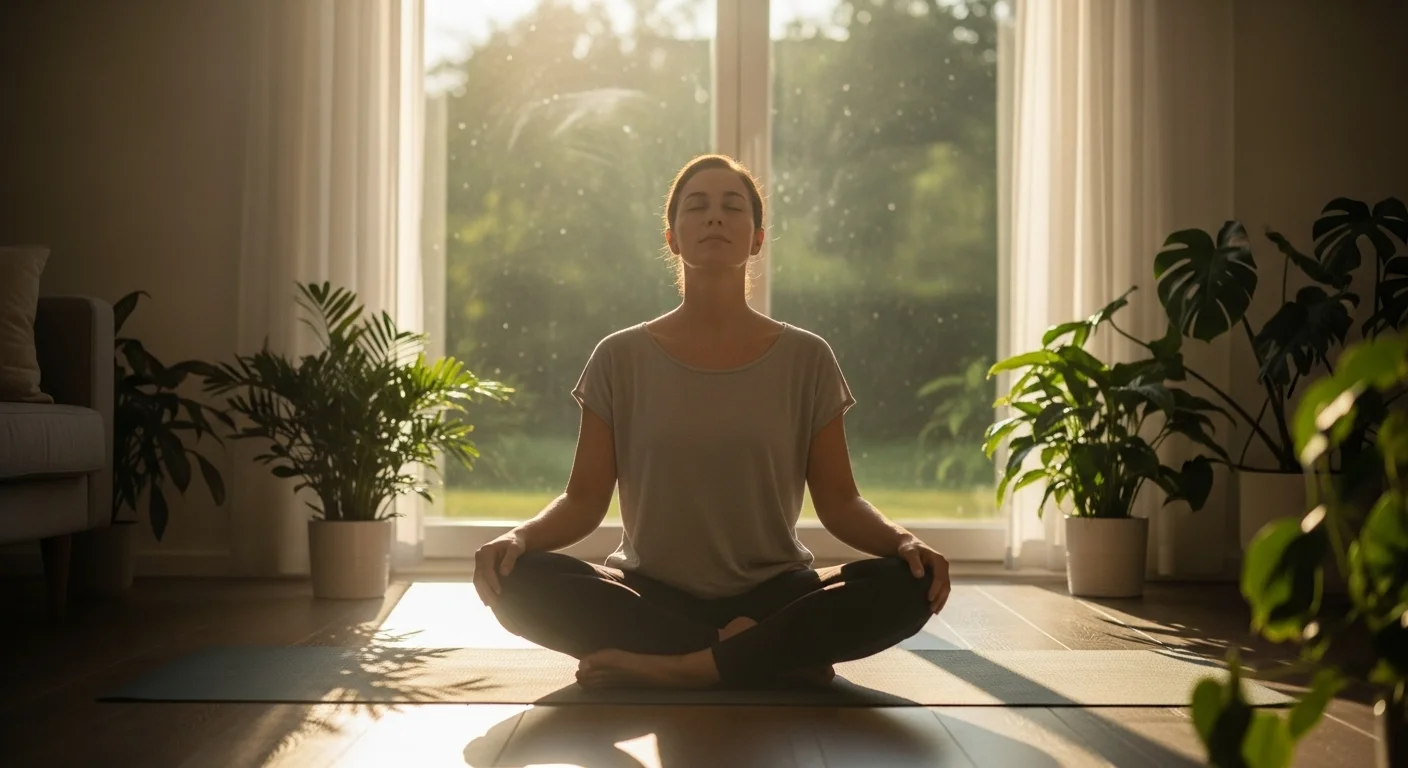
Sit on a firm cushion or a straight-backed chair. Maintain an upright spine that aligns with your neck and head. Cross your legs comfortably if sitting on the floor. If using a chair, place both feet flat on the ground.
Rest your hands gently in your lap or on your knees. Keep your shoulders relaxed and level. Lower your gaze slightly toward the floor. Keep your mouth closed and rest the tip of your tongue against the upper palate.
Breathe naturally through your nose without forcing the air. Do not attempt to control the rhythm or depth of your inhalation. Focus your attention on the physical sensation of air passing through your nostrils. Observe the breath as it enters and exits.
The Role of Mindfulness in Daily Life
Mindfulness involves paying full attention to the present moment without judgment. You can practice this state during routine activities like walking or eating. This focus prevents the mind from dwelling on the past or worrying about future events.
You apply this technique by observing physical sensations and thoughts. Notice the texture of food while eating or the movement of legs while walking. This turns ordinary tasks into mental exercises. It strengthens focus and minimizes distraction during the day.
Regular application of mindfulness improves emotional control. You recognize feelings like anger or stress before they dictate your behavior. This awareness allows you to choose your response carefully. The result is a more stable and composed approach to life.