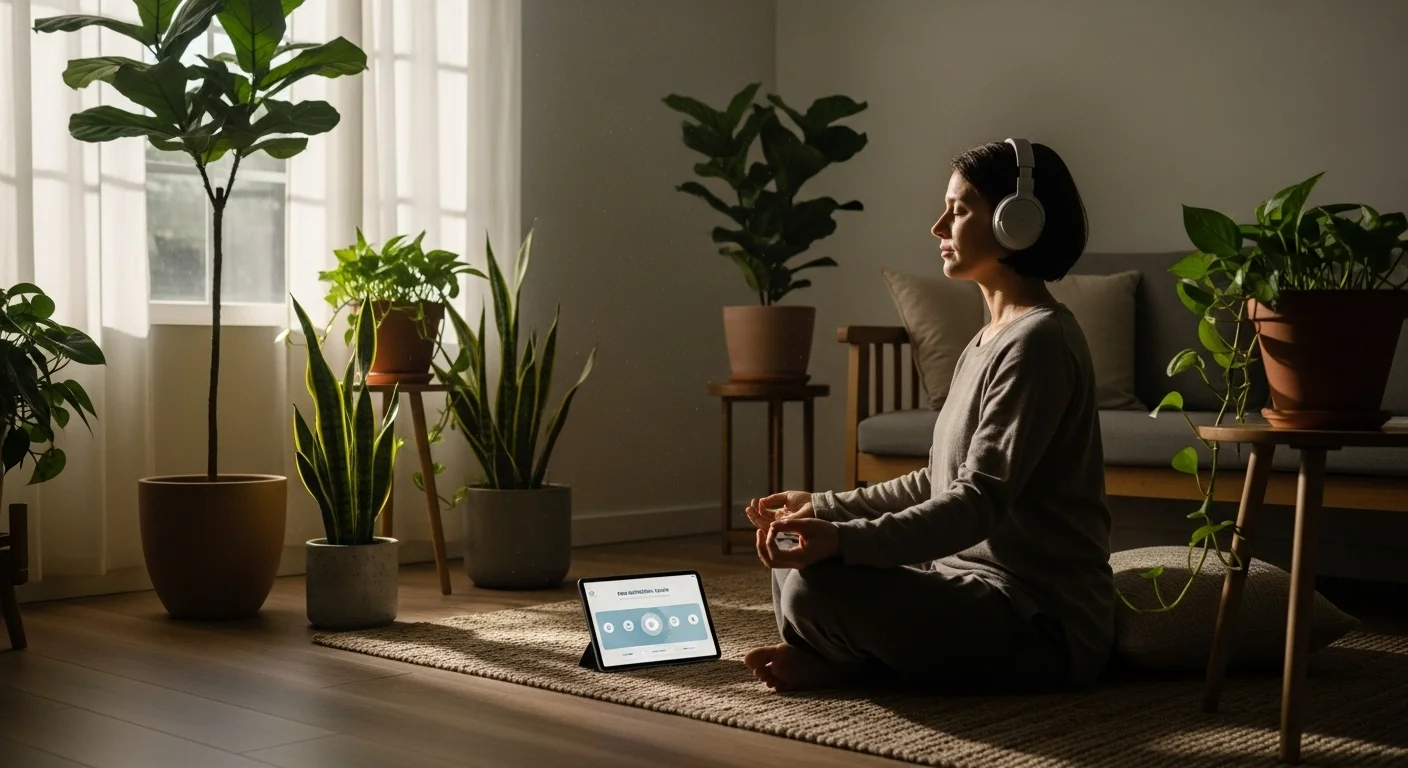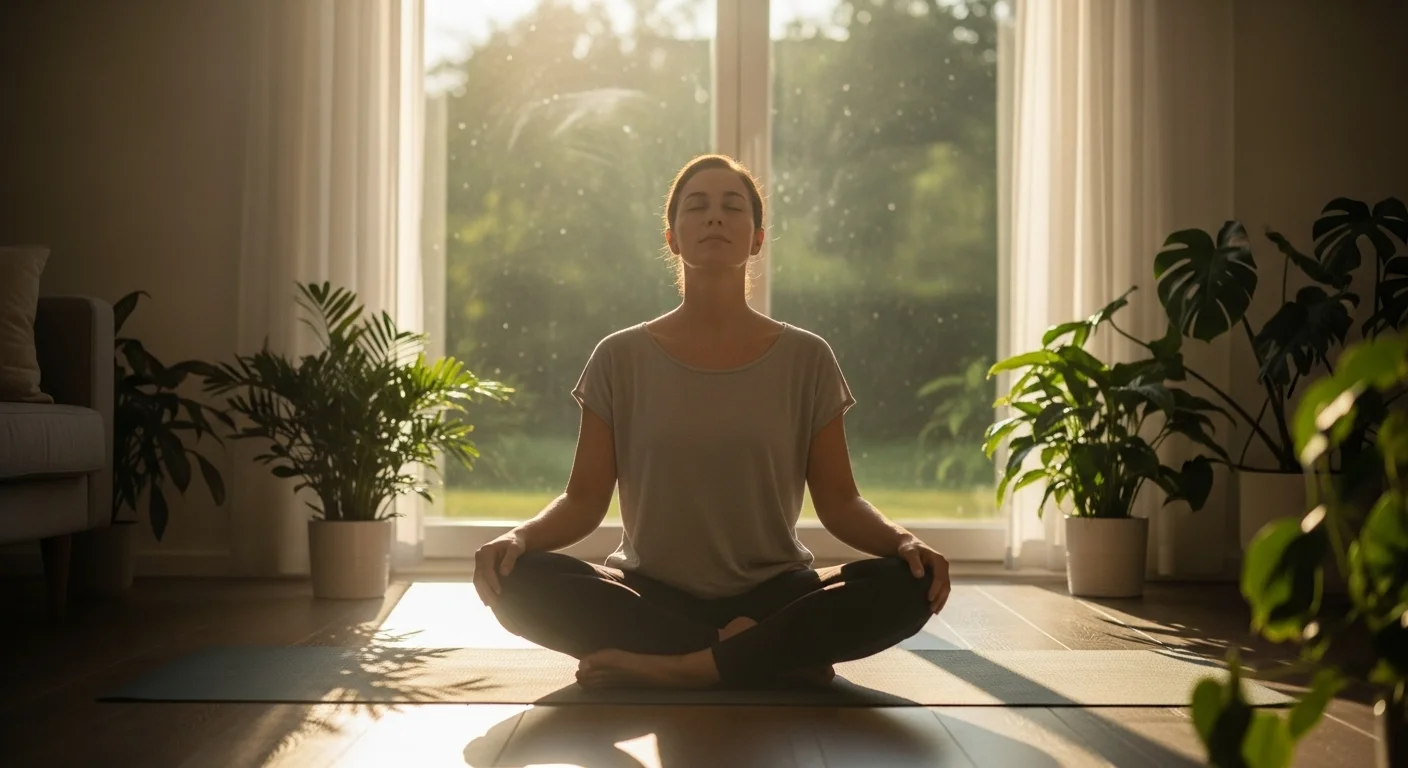
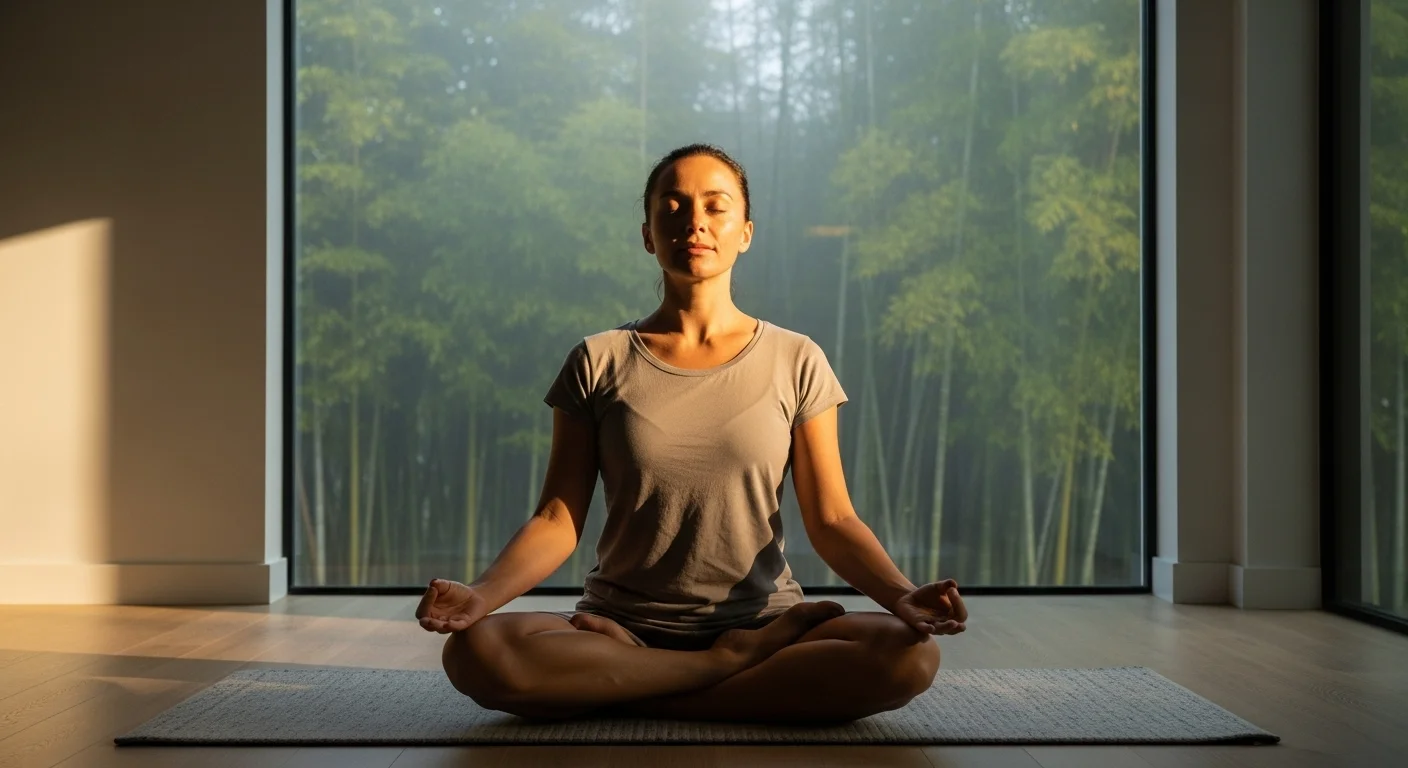
Breathing meditation is a mental practice where an individual focuses their attention on the breath. The primary goal involves observing the natural rhythm of inhalation and exhalation without trying to control it. This technique helps calm the mind and reduce distraction.
Practitioners sit in a quiet place and close their eyes to begin the session. They direct their awareness to the sensation of air entering and leaving the nostrils or the lungs. If thoughts arise, they gently return focus to breathing.
This method serves as a foundational exercise for mindfulness training and stress reduction. It requires no special equipment and is accessible to beginners. Regular practice trains the brain to maintain concentration on the present moment for longer periods of time.
Health Benefits of the Practice
Breathing meditation activates the parasympathetic nervous system. This process lowers cortisol levels in the body. Regular practice reduces symptoms of stress and anxiety significantly. It helps people feel calmer during daily activities. The mind becomes stable and less reactive to tension.
This technique improves cardiovascular health by lowering high blood pressure. Deep breaths slow down the heart rate effectively. Better circulation delivers more oxygen to the brain and muscles. These physical changes decrease the risk of heart disease over time.
Consistent meditation strengthens the ability to focus. It improves attention span and mental clarity. Individuals process information more efficiently after training. This leads to better performance at work or school. The brain functions better when the mind is rested.
Preparation for the Session
Start by finding a quiet place where you will not be disturbed. Silence helps you focus on your breath. You should also select a specific time for your practice. Routine makes it easier to maintain the habit of meditation every day.
Wear loose clothing that does not restrict your stomach or chest. Sit in a stable position on a chair or a cushion on the floor. Keep your back straight to allow air to enter your lungs without any physical obstruction.
Turn off your phone or switch it to silent mode before you begin. Remove any other devices that might make noise. Decide how long you will meditate and set a timer so you do not need to check the clock.
Instructions for the Breathing Technique
Find a quiet place to sit comfortably. Keep your back straight and your hands in your lap. Close your eyes gently to remove distractions. Relax your shoulders and jaw to release tension before you begin the practice.
Inhale slowly through your nose for a count of four. Hold the breath for a moment. Exhale through your mouth or nose for a count of six. Focus entirely on the sensation of air moving in and out.
Your mind may wander during this process. Notice when this happens and return your attention to your breath without judgment. Continue this cycle for five to ten minutes. Open your eyes slowly when you finish the session.
Management of Distractions
It is common for your attention to shift during meditation. You might think about daily tasks or hear noises in the room. Do not judge yourself when this occurs. Simply notice that your focus has moved away from your breathing pattern.
Once you realize you are distracted, gently guide your focus back to your breath. There is no need to analyze the intrusive thought. Treat the distraction as a neutral event. Resume observing the sensation of air entering and leaving your body.
This cycle of losing focus and returning is the core of the exercise. You may need to redirect your attention many times in one session. With consistent practice, your ability to maintain concentration on the breath will improve over time.
Creation of a Daily Schedule
Establishing a consistent routine is essential for effective meditation. You should select a specific time of day that fits your lifestyle. Many practitioners find the early morning or late evening best. Consistency helps your mind prepare for the session automatically.
Start with short sessions to build the habit gradually. Five to ten minutes is a sufficient duration for beginners. You must mark this time on your calendar or set a digital alarm. Treating this appointment seriously ensures you do not skip it.
Choose a quiet location where you will not face interruptions. If you miss a scheduled session, simply resume the practice the next day. Do not abandon the schedule due to one missed event. The goal is long-term adherence to the plan.