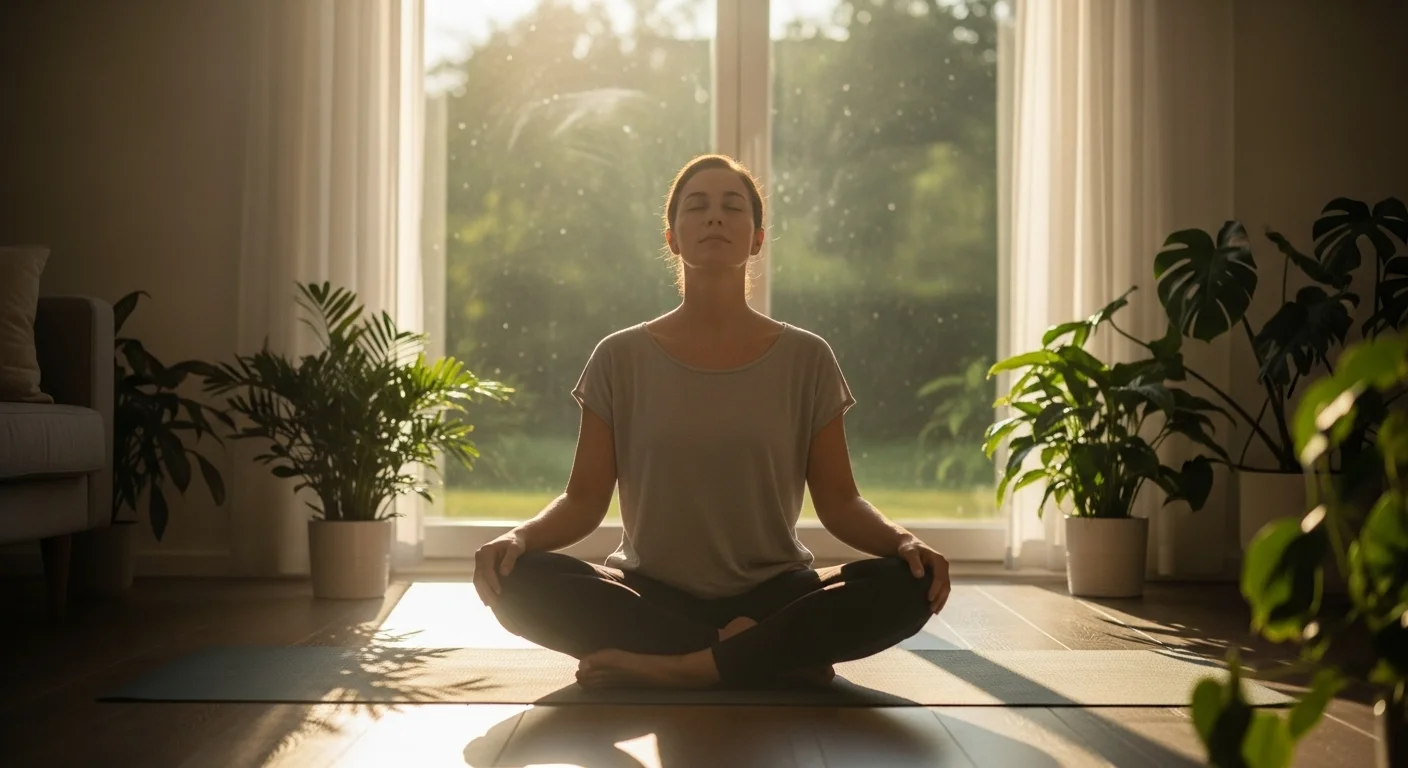

Mindfulness-Based Stress Reduction is an eight-week program created by Jon Kabat-Zinn in 1979. It combines mindfulness meditation and yoga to help people manage stress, pain, and illness. The program usually takes place in a clinical or educational setting.
Participants attend weekly group sessions and practice daily exercises at home. The course includes body scanning, sitting meditation, and simple physical movements. These activities teach individuals how to focus attention on the present moment without making judgments.
The primary goal is to change how a person relates to suffering and stress. Research shows that this structured approach reduces symptoms of anxiety and depression. It provides practical tools for handling difficult emotions and physical discomfort.
The Origins and History of the MBSR Program
Jon Kabat-Zinn created Mindfulness-Based Stress Reduction in 1979 at the University of Massachusetts Medical Center. He wanted to help patients who did not respond to traditional treatments. He combined Buddhist mindfulness meditation with modern medical science to create a structured clinical program.
The program was originally called the Stress Reduction and Relaxation Program. It removed the religious aspects of traditional meditation to make the practice accessible to everyone. The goal was to teach patients how to manage chronic pain, stress, and illness independently.
Over the last four decades, the program has expanded globally. Thousands of hospitals and clinics now offer this standardized eight-week course. Extensive scientific research supports its effectiveness, establishing it as a respected complementary medicine intervention for various physical and mental health conditions.
Key Components of the Standard MBSR Curriculum
The standard MBSR program spans eight weeks and includes weekly group sessions. Participants attend a full-day retreat between the sixth and seventh weeks. Daily home assignments require forty-five minutes of practice to build consistent mindfulness habits and stress management skills.
Instructors teach formal mindfulness practices during every class. These exercises include the body scan, sitting meditation, and mindful movement like gentle yoga. The goal is to increase awareness of physical sensations, thoughts, and emotions without immediate judgment or reaction.
The curriculum also emphasizes informal mindfulness in daily life. Students learn to apply awareness during routine activities such as eating or walking. Group discussions allow participants to share experiences and explore obstacles to practice, which supports the learning process.

Scientific Evidence Supporting MBSR Benefits
Research consistently demonstrates that MBSR reduces symptoms of anxiety and depression. Clinical trials show that participants experience significant improvements in mental health after the eight-week program. These findings suggest that mindfulness practices regulate emotional responses effectively.
Studies also indicate that this program helps individuals manage chronic pain and physical stress. Data reveals that patients report lower pain intensity and a better quality of life. The practice changes how the brain processes physical discomfort.
Neuroimaging research provides evidence of structural changes in the brain. Scans show increased gray matter density in regions linked to learning and memory. This suggests that MBSR creates measurable physical changes in neural pathways over time.
Common Techniques Used in Mindfulness Practice
One fundamental method involves focusing attention on the breath. Practitioners observe the sensation of air entering and leaving the nostrils or filling the lungs. If the mind wanders to other thoughts, the individual gently returns their focus to the rhythm of breathing.
The body scan is another structured exercise used in mindfulness. This technique requires scanning the body mentally from the toes to the head. The goal is to notice specific physical sensations, such as tension or warmth, without trying to change them immediately.
Mindful walking applies awareness to physical movement. Practitioners walk slowly and concentrate on the feeling of their feet touching the ground. This practice helps integrate mindfulness into daily activities by maintaining focus on the present moment during routine physical tasks.
How to Begin Mindfulness-Based Stress Reduction Training
To start MBSR training, you should look for a certified instructor or an accredited program. Many medical centers and universities offer these eight-week courses. You can also find authorized teachers through official mindfulness directories online to ensure proper guidance.
Participants must commit to a structured schedule during the training period. The standard format includes weekly group sessions that last two hours and a one-day retreat. Daily home practice is also required to develop the necessary mindfulness skills effectively.
Instructors typically provide audio recordings and workbooks to support your practice. You do not need prior experience with meditation to enroll in these programs. Simply bring an open attitude and a willingness to participate in the exercises provided.