Chakra meditation is a specific type of mental practice. It focuses on the energy centers within the human body known as chakras. The goal of this technique is to unblock and balance these points. Practitioners use concentration and visualization to achieve a state of mental clarity.
This practice involves focusing attention on the seven main energy points along the spine. You might focus on a specific color or sound associated with each area. This sustained attention helps regulate the flow of energy. The process connects the mind with specific physical locations in the body.
People perform these exercises to improve emotional stability and physical relaxation. A balanced system allows energy to move freely through the body. This reduces stress and increases awareness of internal states. It serves as a tool for personal wellness and maintaining a healthy mind-body connection.
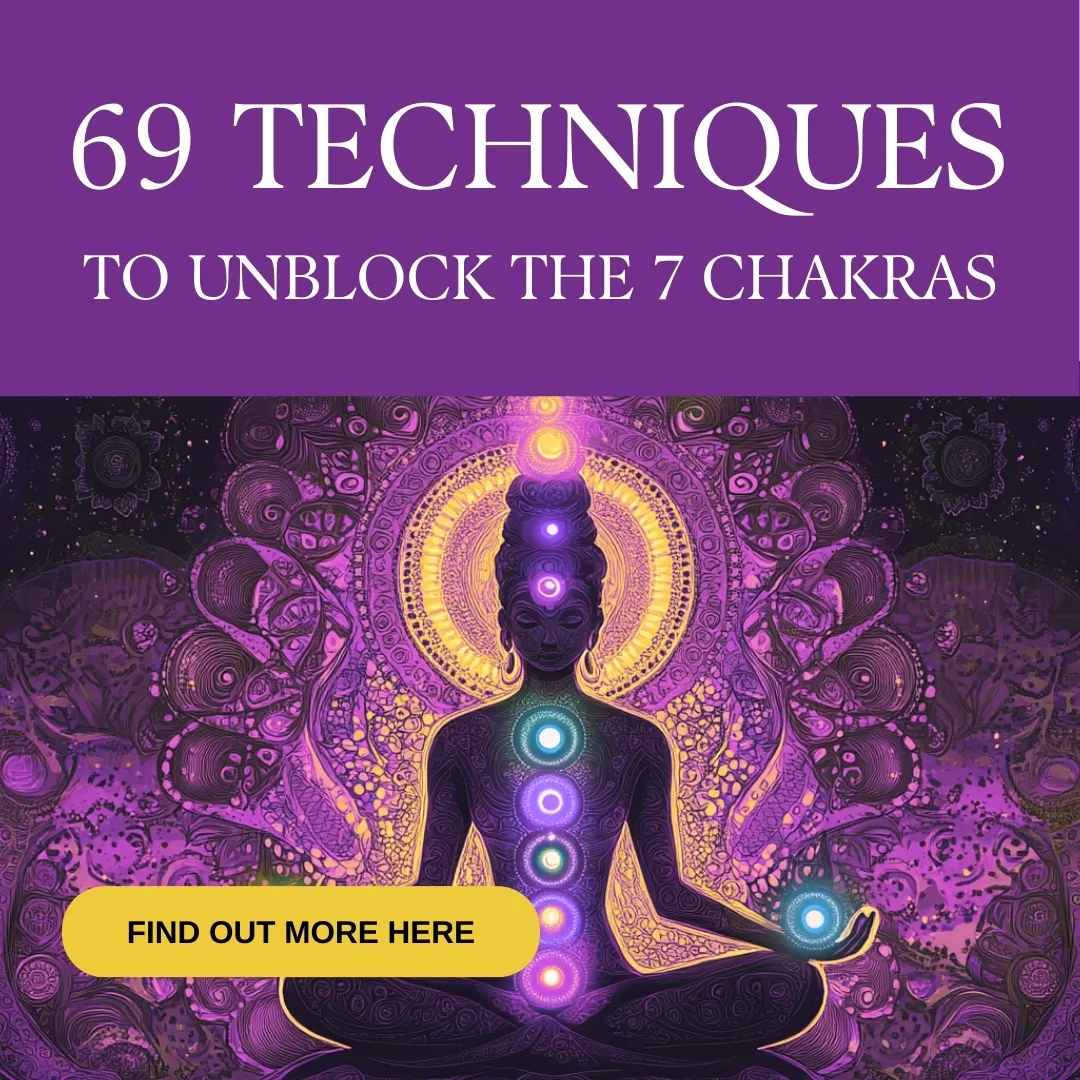
The Seven Main Chakras in the Human Body
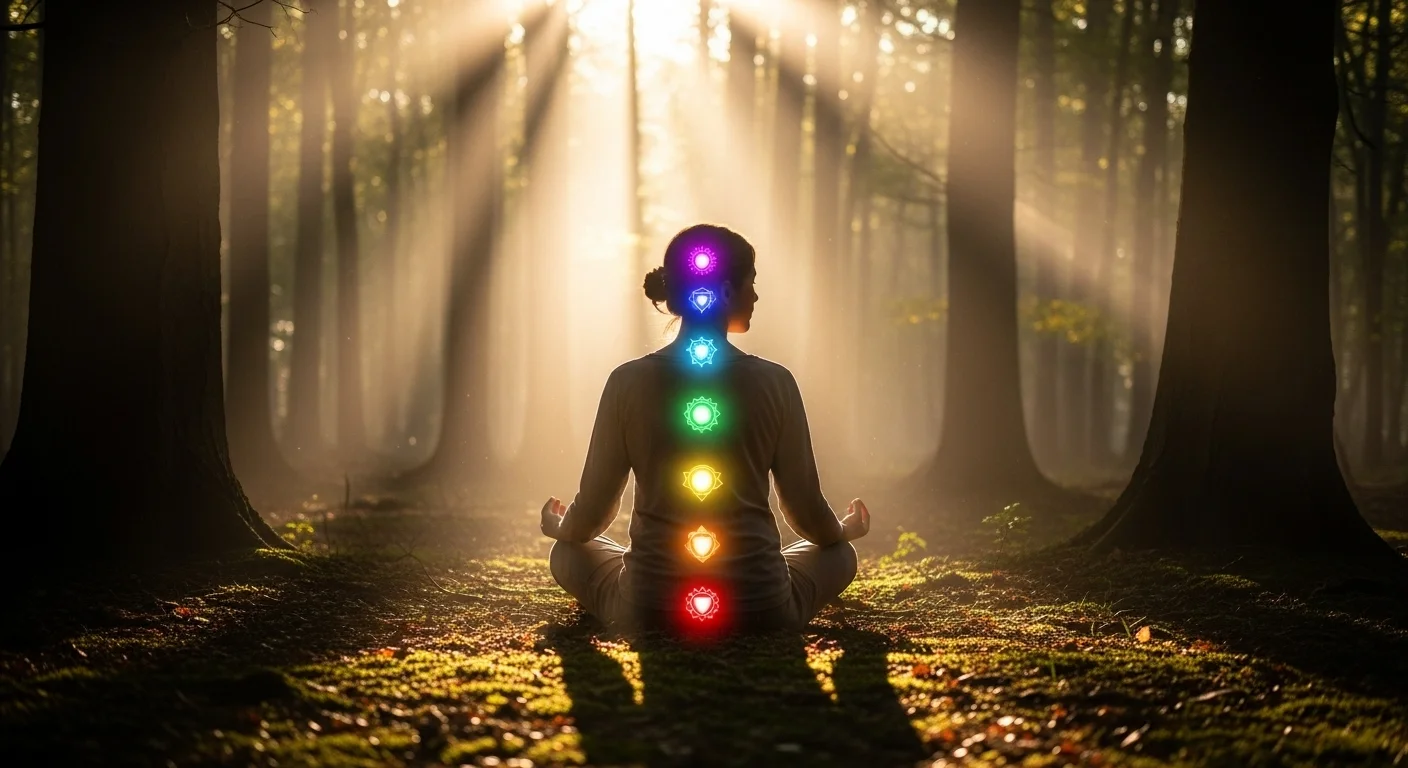
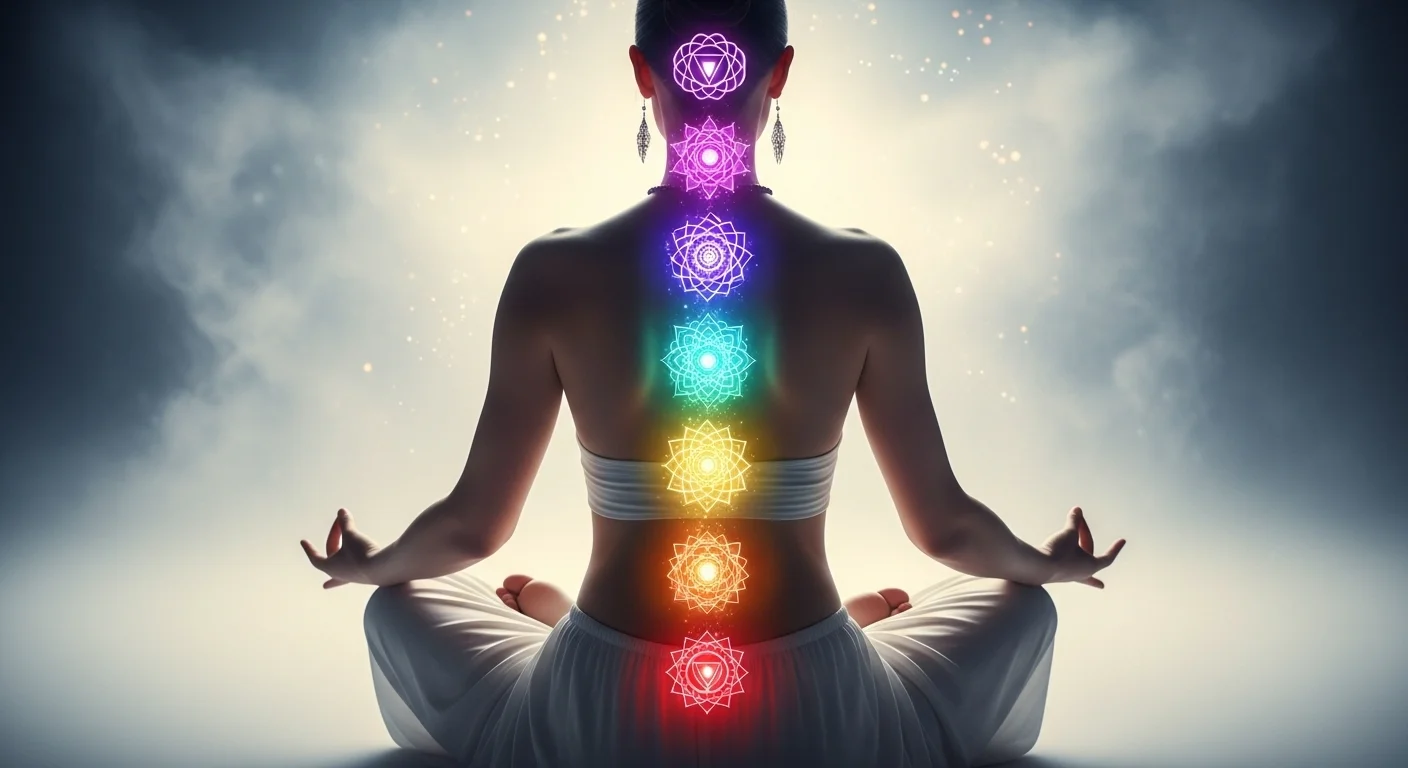
The body contains seven primary energy centers located along the spine. These points start at the base and extend to the head. The Root Chakra sits at the bottom and concerns stability. The Sacral Chakra governs creativity, while the Solar Plexus Chakra controls personal power and confidence.
The Heart Chakra resides in the center of the chest and regulates emotional connection. The Throat Chakra is located in the neck area and manages verbal communication. Above this point, the Third Eye Chakra sits between the eyebrows. This specific center controls intuition and provides mental clarity.
The final point is the Crown Chakra at the top of the head. It connects to consciousness and awareness. Energy travels through all seven locations to maintain balance. A blockage in any area may impact physical functions. Understanding this linear system is necessary for effective meditation practice.
Preparation for the Meditation Session
First, select a quiet room where you will not be disturbed. Silence is necessary for proper concentration. Remove any distractions like phones or loud noises. Next, wear loose and comfortable clothing to allow unrestricted breathing. Tight clothes can restrict movement and disrupt the flow of your practice.
Sit on a firm cushion or a sturdy chair to begin. Keep your spine straight and your shoulders relaxed. This vertical alignment helps you breathe easily during the session. Place your hands on your knees or in your lap. A stable posture prevents physical discomfort.
Close your eyes gently to limit visual input. Begin by focusing attention on your natural breath pattern. Inhale deeply through the nose and exhale slowly through the mouth. This simple rhythmic breathing calms the nervous system and prepares the mind for the chakra exercises.
Steps to Perform Chakra Meditation
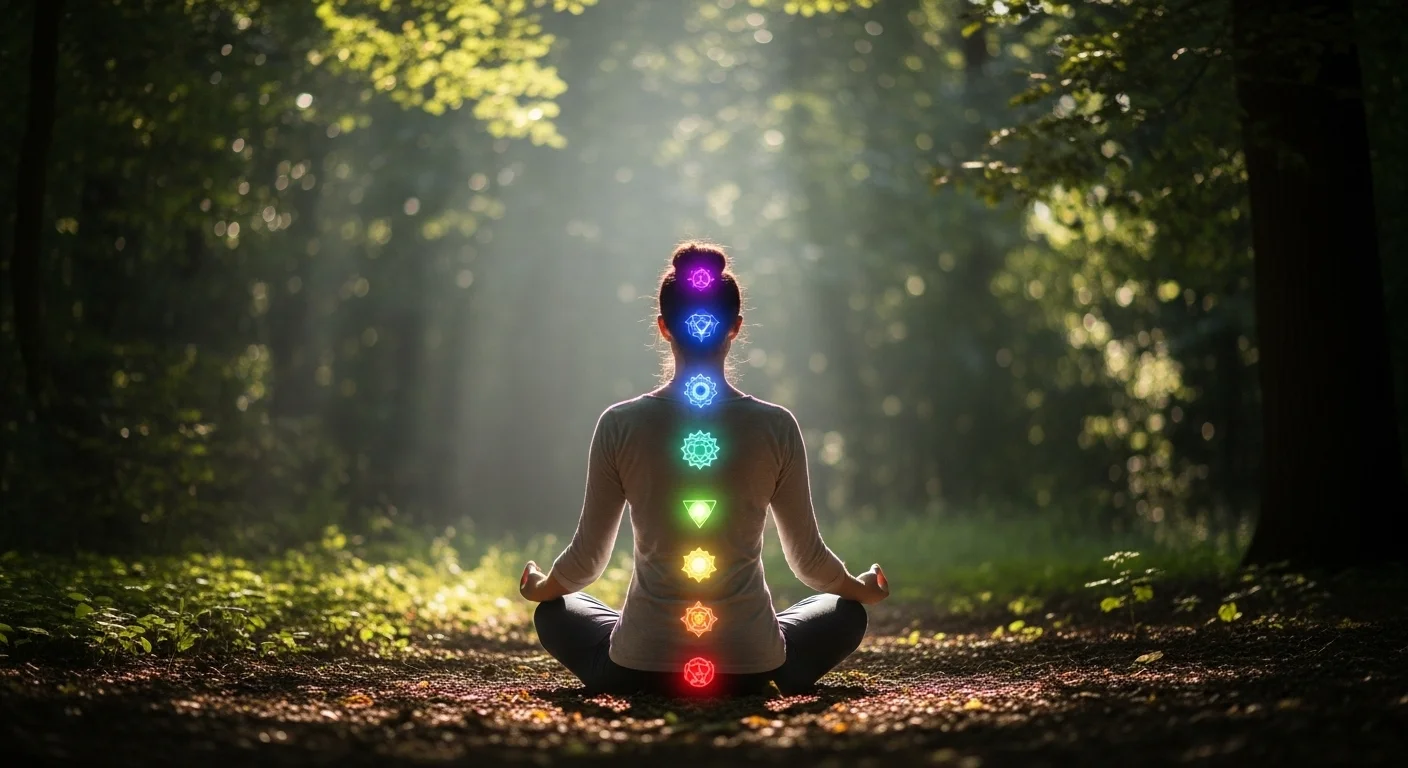
Begin by finding a quiet space where you will not be disturbed. Sit comfortably on a cushion or chair with your spine straight. Close your eyes and take deep breaths to relax your body. Focus your attention on the base of your spine to start the process.
Move your focus upward through each energy center along the spine. Start at the root and visualize the specific color for that area. Keep your attention there for a few minutes. Continue this specific pattern until you finally reach the top of your head.
Once you reach the final chakra, rest in this state of awareness for a moment. Slowly bring your focus back to your breathing and physical surroundings. Open your eyes gently when you feel ready. This practice helps restore balance and flow to your energy system.
Benefits of Regular Practice
Regular chakra meditation helps reduce stress levels in daily life. This practice promotes emotional stability and allows you to manage anxiety more effectively. You will notice improved concentration and mental clarity during work or study. Consistent sessions lead to a calmer and more focused mind over time.
Many practitioners report better sleep quality after establishing a routine. This technique increases your overall energy levels and reduces feelings of fatigue. It encourages awareness of physical sensations and body posture. You learn to identify areas of tension and relax your muscles systematically through guided breathing exercises.
This method fosters greater self-awareness and personal growth. You gain insight into your behavioral patterns and emotional reactions. The practice aims to balance internal energy systems to support overall well-being. Dedicating time to this discipline strengthens your ability to remain present and observant in various situations.
Common Mistakes and Safety Precautions
Many beginners force open their chakras too quickly. This approach causes physical and mental strain instead of relaxation. You must practice patience and consistency rather than intensity. Do not rush the process because the energy system requires time to adjust to these new practices safely.
Stop the meditation immediately if you feel sharp pain or intense anxiety. Physical discomfort indicates incorrect posture or excessive effort during the session. Always start and end your practice with grounding techniques. This step ensures you remain stable and connected to your physical environment throughout the exercise.
Consult a medical professional before starting if you have a history of mental health issues. Meditation brings suppressed emotions to the surface, which might overwhelm some individuals. Professional guidance helps you manage these experiences safely. Do not use meditation as a substitute for necessary medical treatment.
Your Next Step
You can deepen your knowledge even further with the comprehensive manual I’ve prepared on the 7 main chakras. In it, you’ll understand what chakras are, their physical, emotional, and spiritual aspects, as well as the associated deities. It also includes practical charts with crystals, flower essences, scents, Reiki, and much more.

Additionally, you can purchase my book, 69 Exercises for Chakra Alignment—a direct, accessible, and transformative guide filled with specific techniques to work on each chakra. This material is perfect for both those looking to apply exercises in their daily routine and therapists seeking safe, structured resources to use in their sessions.