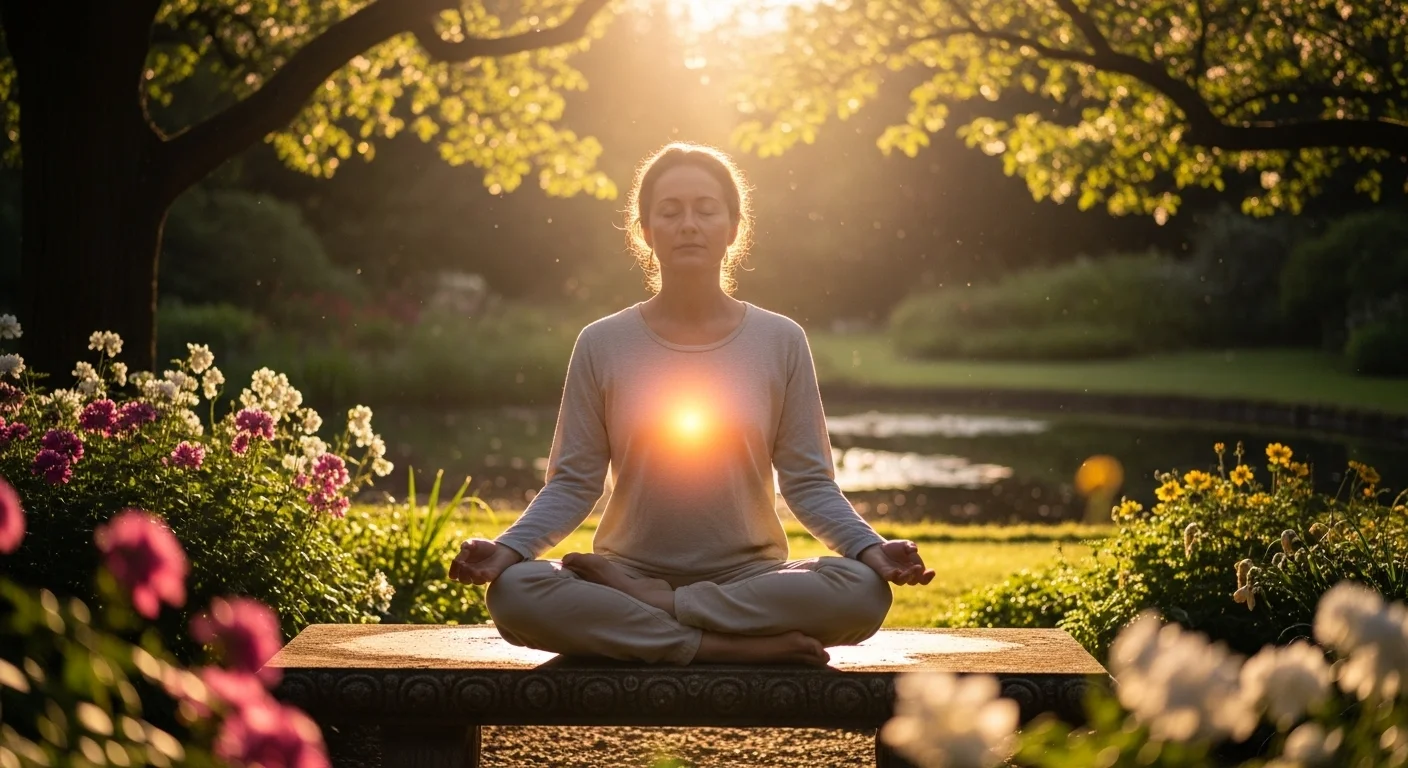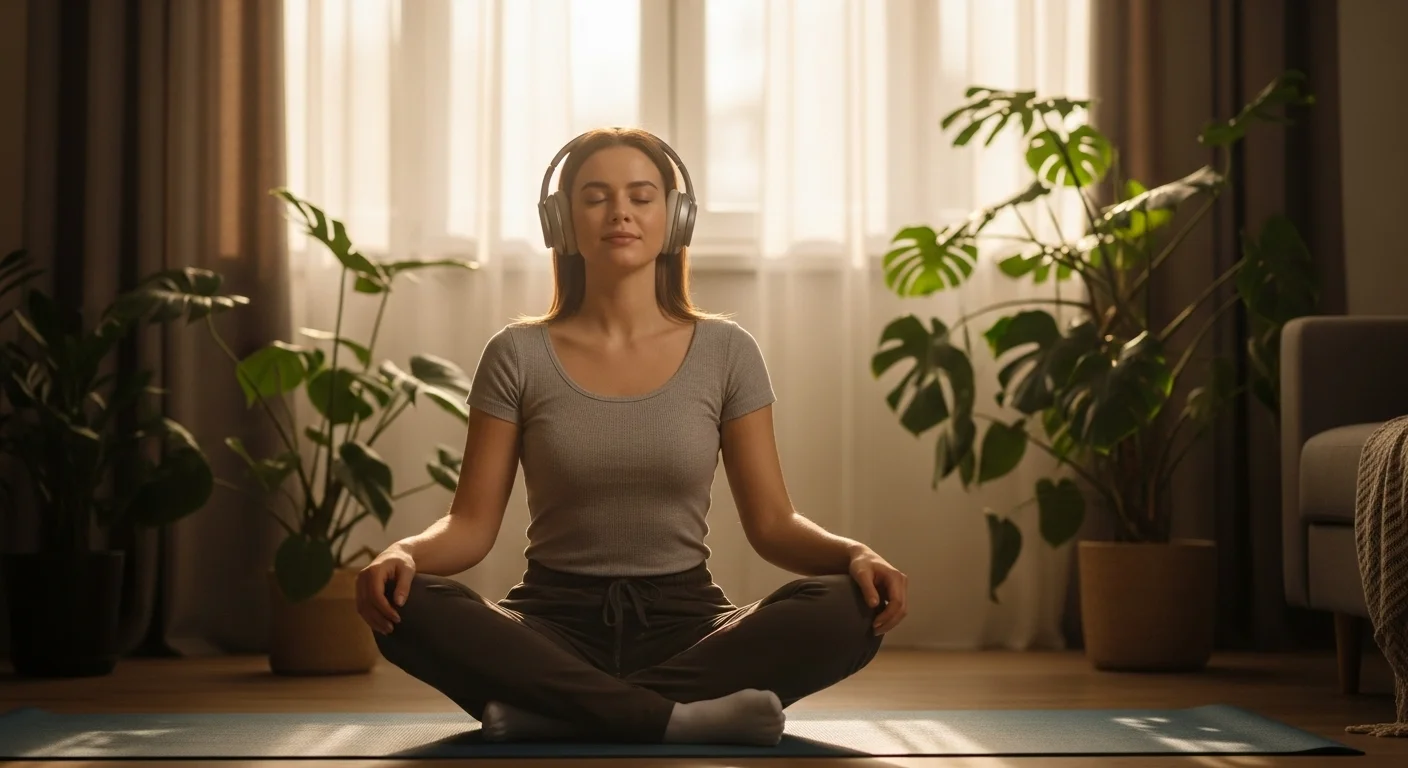
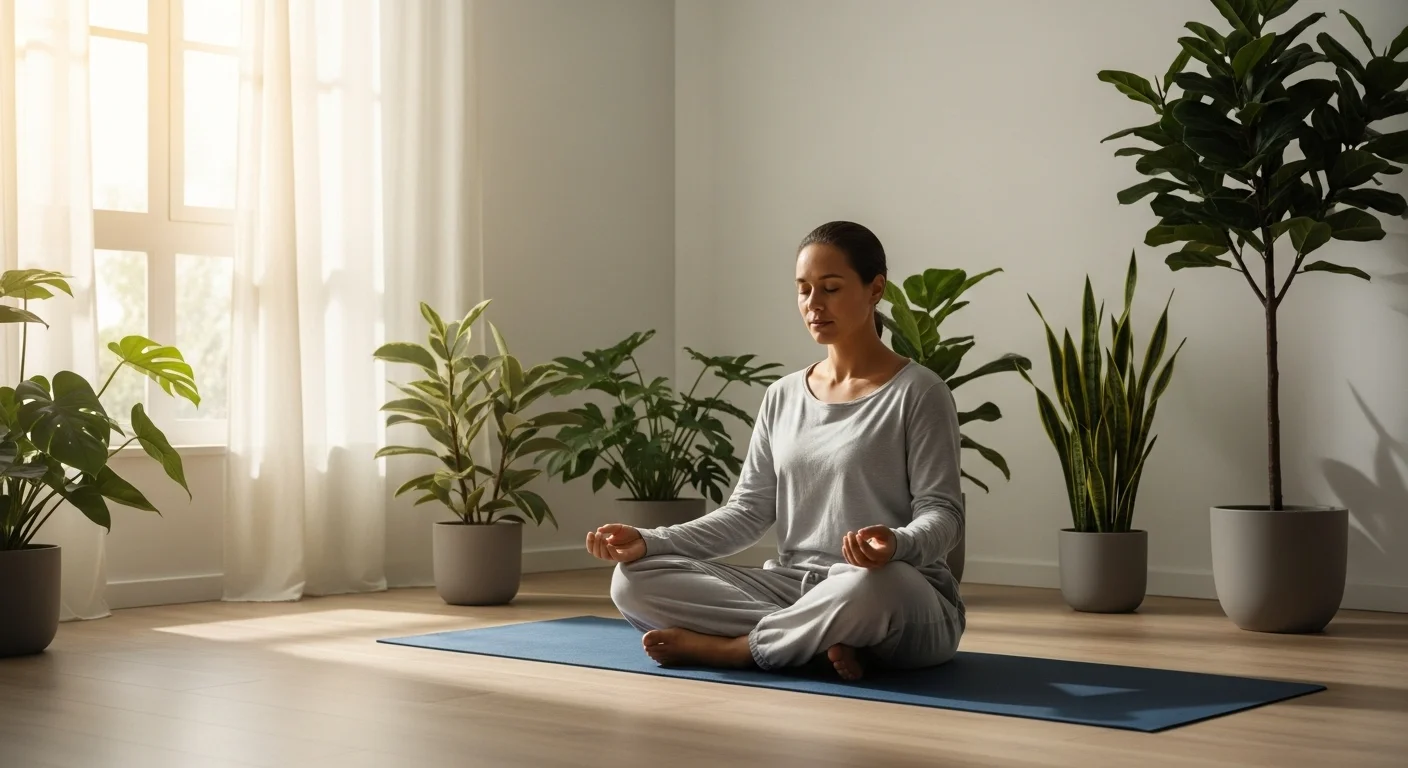
Anxiety triggers the body’s stress response and releases hormones like cortisol. Regular meditation practice lowers these cortisol levels effectively. This reduction helps the body return to a relaxed state. Consequently, physical symptoms of anxiety, such as rapid heartbeat, decrease significantly over time.
Anxiety often involves persistent worry about future events. Meditation trains the brain to focus attention on the present moment. This mental shift breaks the cycle of negative repetitive thoughts. Individuals learn to observe their thoughts without an immediate emotional reaction.
Consistent meditation leads to physical changes in the brain structure. Research shows it reduces activity in the amygdala, which controls fear. This change improves overall emotional regulation. As a result, practitioners become less reactive to common anxiety triggers.
Physiological Effects of Meditation on the Body
Meditation reduces the production of stress hormones like cortisol and adrenaline. When you practice mindfulness, the parasympathetic nervous system activates. This shifts the body away from the fight-or-flight response. Consequently, overall physical tension decreases and the body enters a state of deep rest.
Regular practice lowers the resting heart rate and stabilizes blood pressure. Deep breathing techniques used during sessions improve oxygen efficiency. This reduces the workload on the heart over time. These changes contribute to better cardiovascular health and a tangible sense of physical calm.
Studies show that meditation alters brain structure by increasing gray matter density. It also lowers the levels of inflammatory markers such as cytokines. This biological regulation helps the immune system function correctly. These physical changes support long-term resilience against stress and anxiety disorders.
Common Meditation Techniques for Anxiety
Mindfulness meditation involves focusing attention on the present moment. You observe thoughts and feelings without judgment. This practice helps reduce worry about the future. It trains the brain to remain calm during stress. Practitioners sit quietly and breathe deeply.
Focused attention techniques concentrate the mind on a single object. Many people focus on the rhythm of the breath. Others repeat a specific sound or phrase known as a mantra. This method limits distractions and slows down racing thoughts.
Body scan meditation directs awareness to physical sensations in the body. You scan from the feet up to the head. This technique identifies areas of tension caused by anxiety. Releasing this physical tension often leads to mental relaxation.
Steps to Perform Mindfulness Meditation
Begin by finding a quiet location where you will not face interruptions. Sit comfortably on a chair or cushion with your back straight but relaxed. Rest your hands on your lap and gently close your eyes to start the process.
Direct your attention to your breathing without trying to change it. Observe the sensation of air entering your nostrils and filling your lungs. Notice how your body moves as you inhale and exhale slowly. Keep your focus on this natural rhythm.
Your mind will eventually wander to other thoughts. When this happens, acknowledge the distraction without judgment and return your focus to your breath. Continue this practice for five to ten minutes, then open your eyes slowly to end the session.
Scientific Research on Meditation Benefits
Clinical studies show that regular meditation changes the physical structure of the brain. Researchers use MRI scans to observe these differences. They often find increased gray matter density in the hippocampus. This area of the brain controls memory and learning.
Studies also demonstrate that mindfulness practice reduces activity in the amygdala. This specific region processes fear and stress responses. When the amygdala becomes less active, people experience lower levels of anxiety. This biological change helps individuals manage stressful situations more effectively.
Research indicates that meditation lowers the production of cortisol in the body. Cortisol is the primary hormone associated with stress. Lower cortisol levels lead to decreased inflammation and better sleep. These physiological improvements directly support long-term mental health and anxiety reduction.
Strategies for a Consistent Meditation Schedule
To establish a regular practice, select a specific time of day for your sessions. Many practitioners find morning hours effective because there are fewer distractions. Sticking to the same time creates a habit that helps you maintain the schedule over time.
You should also designate a quiet space where you will not be disturbed. Start with short durations, such as five minutes per day. Gradually increase the length of your sessions as you become more comfortable with the process of sitting quietly.
Use digital reminders or calendar alerts to ensure you do not forget your practice. Tracking your daily progress can provide motivation to continue. If you miss a session, simply resume your schedule the next day without criticizing yourself for the gap.