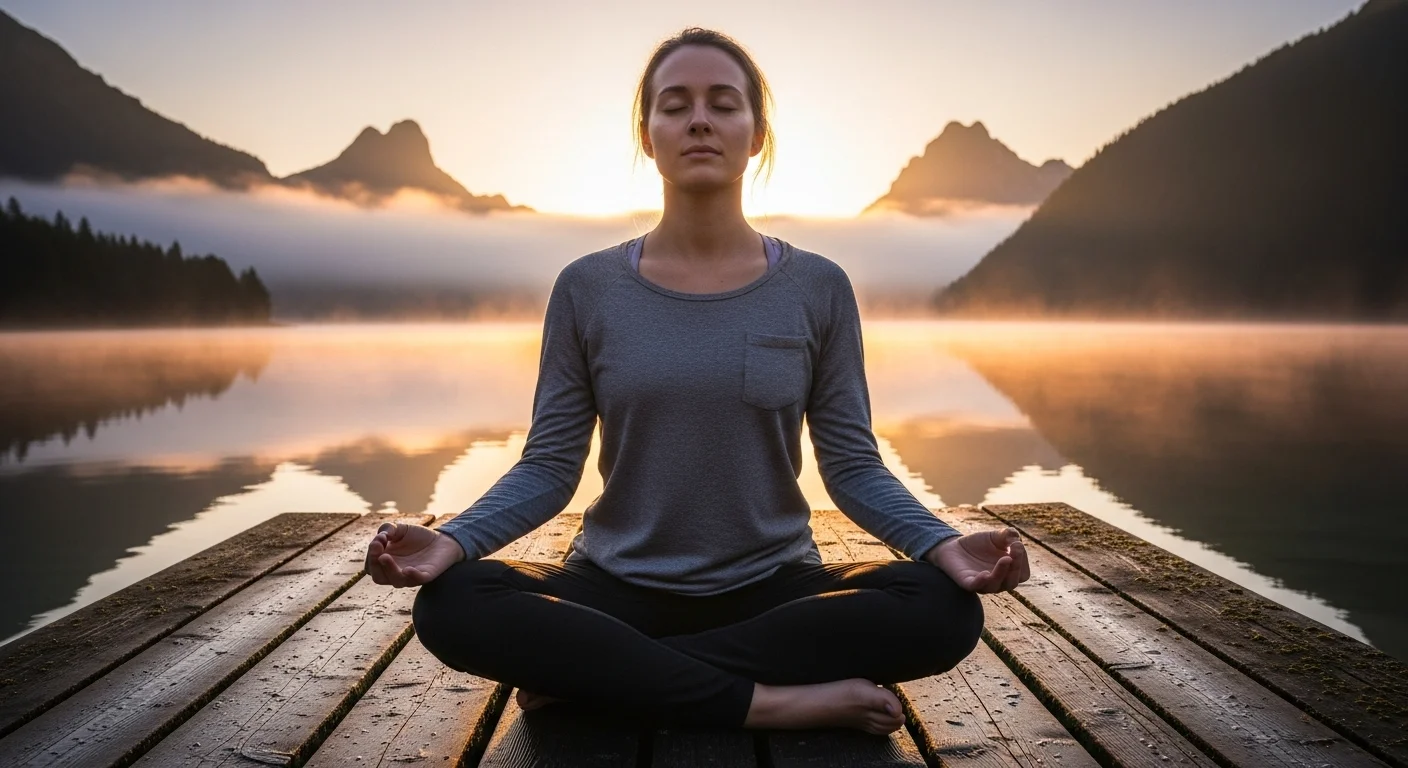
Meditation is a mental practice used to focus the mind. It involves training attention and awareness to achieve a clear and calm state. People use various specific techniques, such as mindfulness or focusing on the breath, to reach this condition.
The primary purpose of this practice is to regulate the nervous system and reduce stress. It allows individuals to observe their thoughts without judgment. This process helps to cultivate emotional stability and improves the ability to concentrate on daily tasks.
Many people meditate to enhance their overall well-being. Regular practice often leads to better sleep habits and lower anxiety levels. It serves as a practical tool for managing health, helping to maintain a balanced lifestyle over a long period.
Physical and Mental Health Benefits
Meditation helps reduce physical stress by lowering cortisol levels in the body. Many studies show that regular practice decreases high blood pressure and improves heart health. People also report better sleep quality and fewer symptoms of chronic pain after meditating.
This practice supports mental stability by reducing symptoms of anxiety and depression. Individuals often experience improved emotional regulation and a more positive outlook on life. It allows people to observe their thoughts without judgment, which creates a sense of calm.
Regular meditation enhances cognitive functions such as attention span and memory retention. It trains the brain to focus on the present moment, which minimizes distractions. This leads to greater productivity and clarity in daily tasks and decision-making processes.
Common Meditation Techniques
Mindfulness meditation involves focusing attention on the present moment. Practitioners often sit quietly and observe their breathing patterns. If distraction occurs, they acknowledge the thought without judgment and return focus to the breath. This method reduces stress and improves concentration levels.
Body scan meditation requires directing attention to physical sensations throughout the body. You start at the feet and move slowly up to the head, noticing tension in each muscle group. This practice promotes physical awareness and helps release accumulated stress.
Loving-kindness meditation fosters compassion for yourself and others. You mentally repeat specific phrases to send goodwill to friends, strangers, and difficult people. This technique directs positive energy outward, which increases feelings of empathy and reduces negative emotions during daily life.

Preparation for a Meditation Session
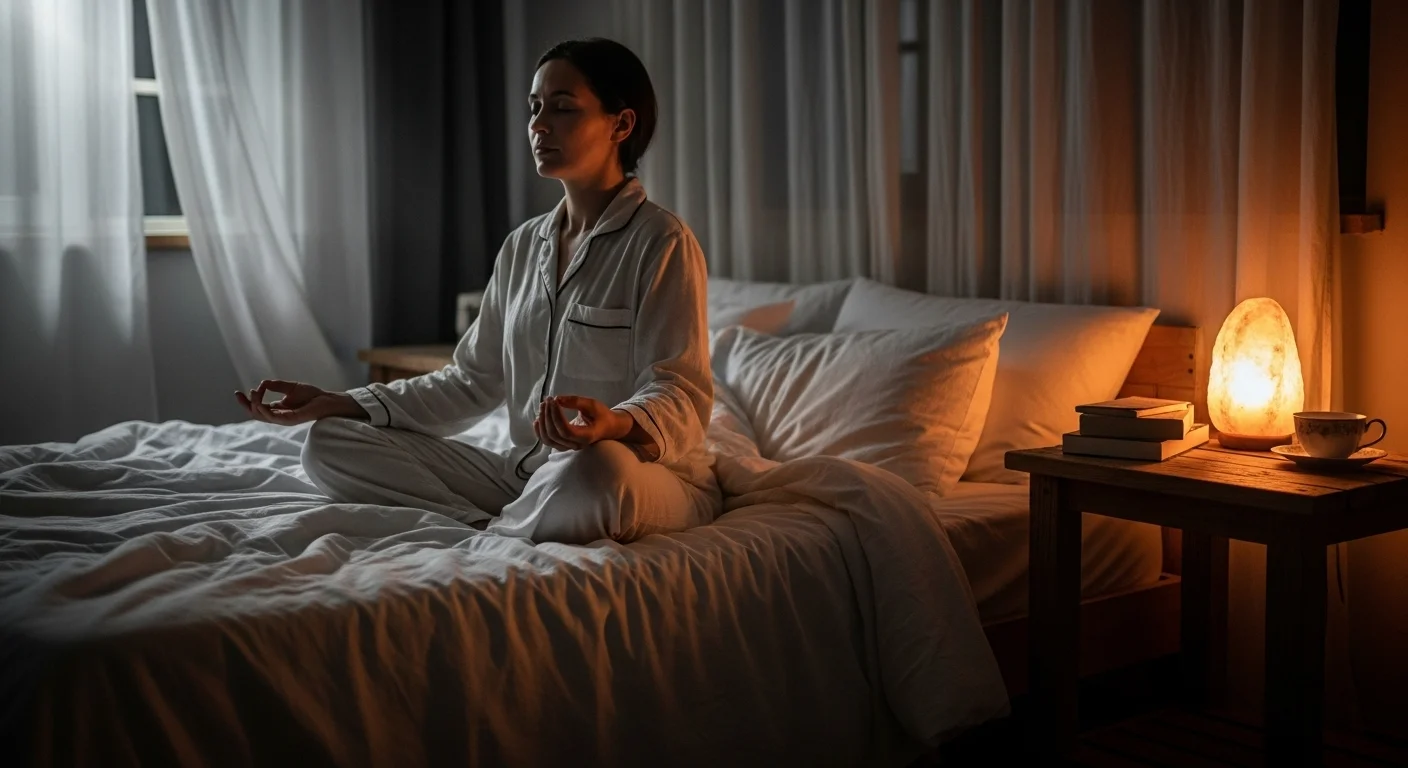
You need to find a quiet room where no one will disturb you. Sit down on a cushion or a chair with your back straight. Keep your body relaxed but alert. Close your eyes to start the session.
Select a specific duration for your practice before you begin. Set a timer so you do not check the clock. Turn off your phone or put it on silent mode. This ensures you remain focused on the technique.
Wear loose clothing that does not restrict your breathing. Take a few deep breaths to settle your body. Rest your hands on your knees or in your lap. You are now ready to begin the mental exercises.
Step-by-Step Instructions for Beginners
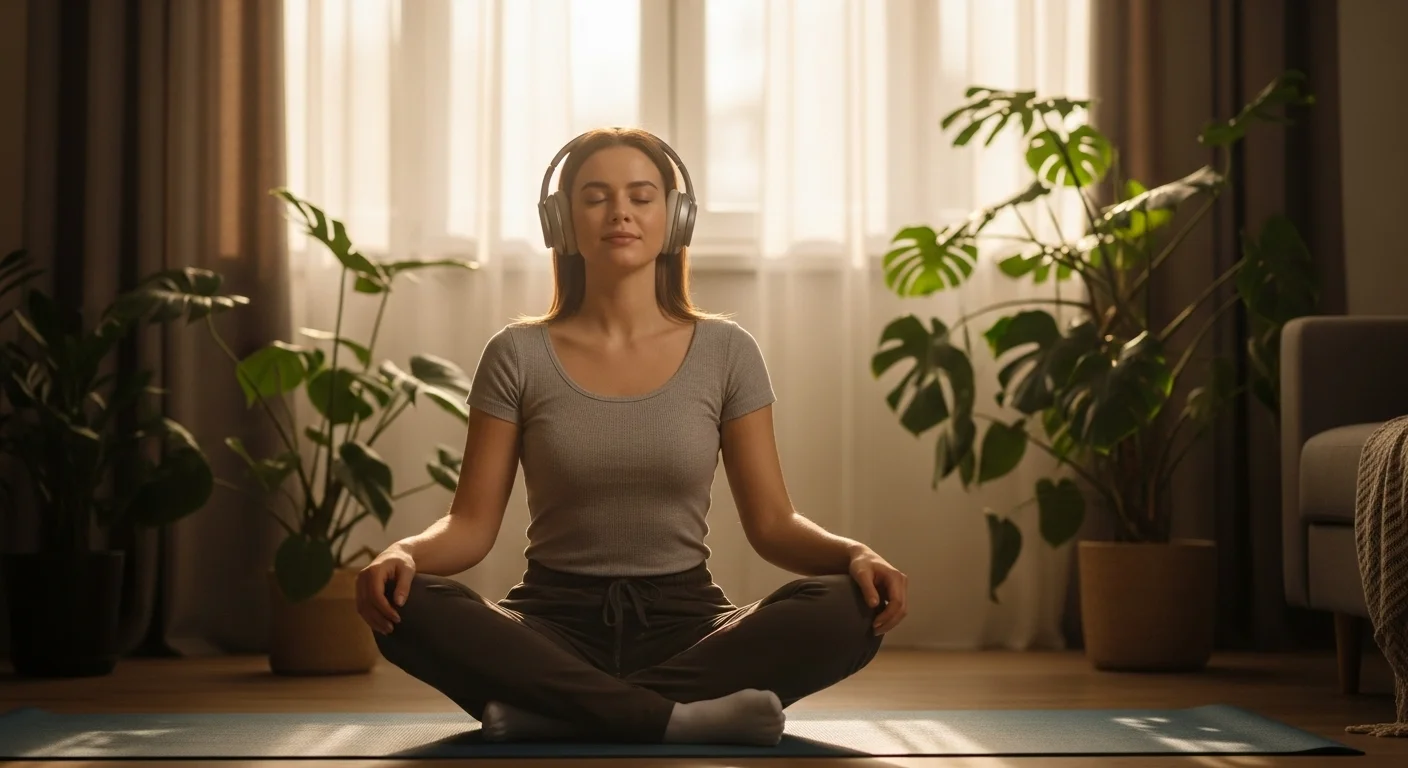
Find a quiet area where distractions are minimal. Sit on a cushion or a chair with your feet flat on the floor. Keep your back straight. Rest your hands on your lap. Close your eyes to begin the session.
Direct your attention to your breathing. Feel the air enter through your nose and exit through your mouth. Do not try to control the speed. Observe the movement of your chest and abdomen as you inhale and exhale.
Your mind will wander during this time. When you notice thoughts, return your focus to your breath. Do not analyze the distraction. Continue this process for five to ten minutes. Open your eyes when you complete the session.
Strategies for a Consistent Routine
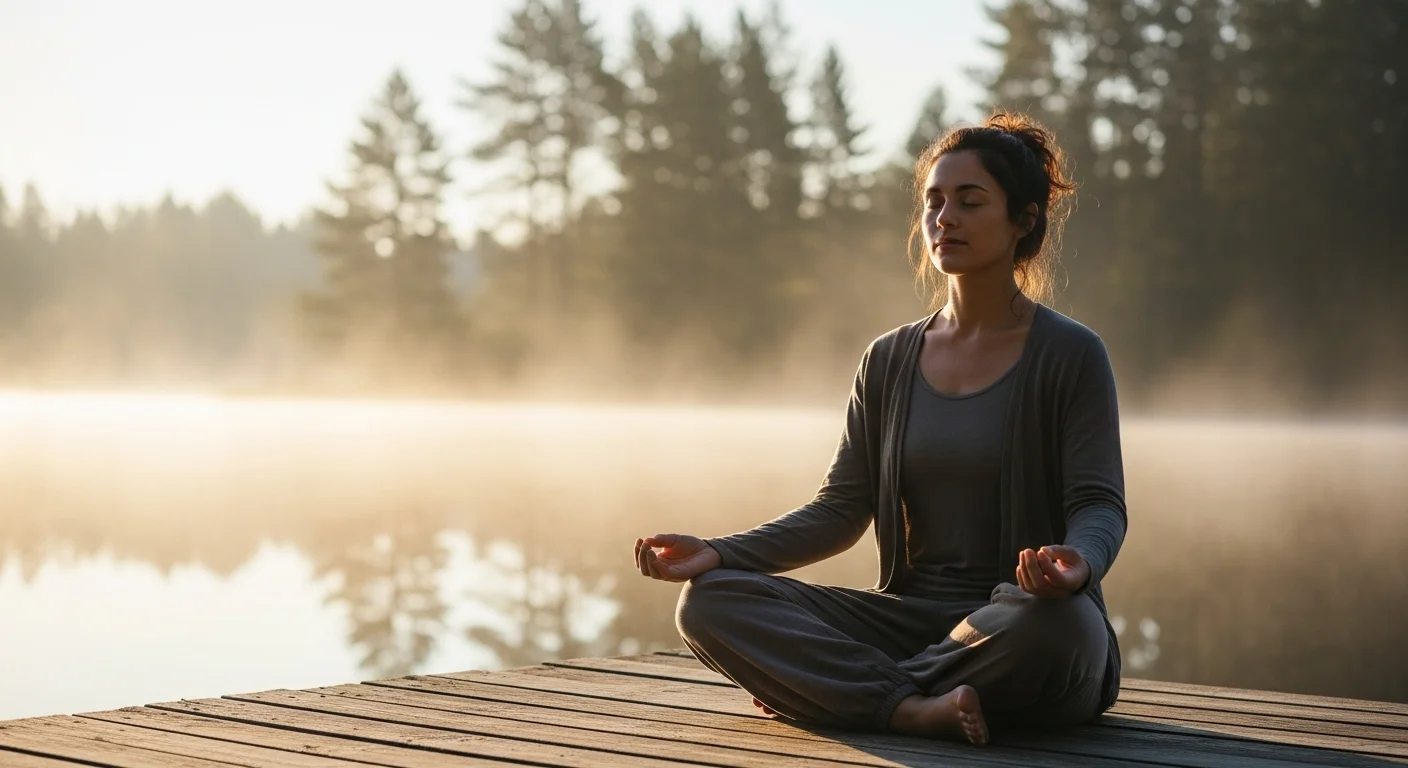
To build a habit, select a specific time of day for meditation. Many people find early mornings effective because there are fewer distractions. You should add this session to your daily calendar like an important appointment. Consistency creates a stable routine.
Designate a quiet area in your home for this practice. Remove electronic devices and loud noises to ensure a peaceful environment. A dedicated space signals to your brain that it is time to focus. This preparation helps reduce mental resistance.
Begin with short sessions to avoid feeling overwhelmed by the task. Five minutes of daily practice is better than one long session per week. You can use a journal or an application to track your progress. This reinforces the behavior over time.