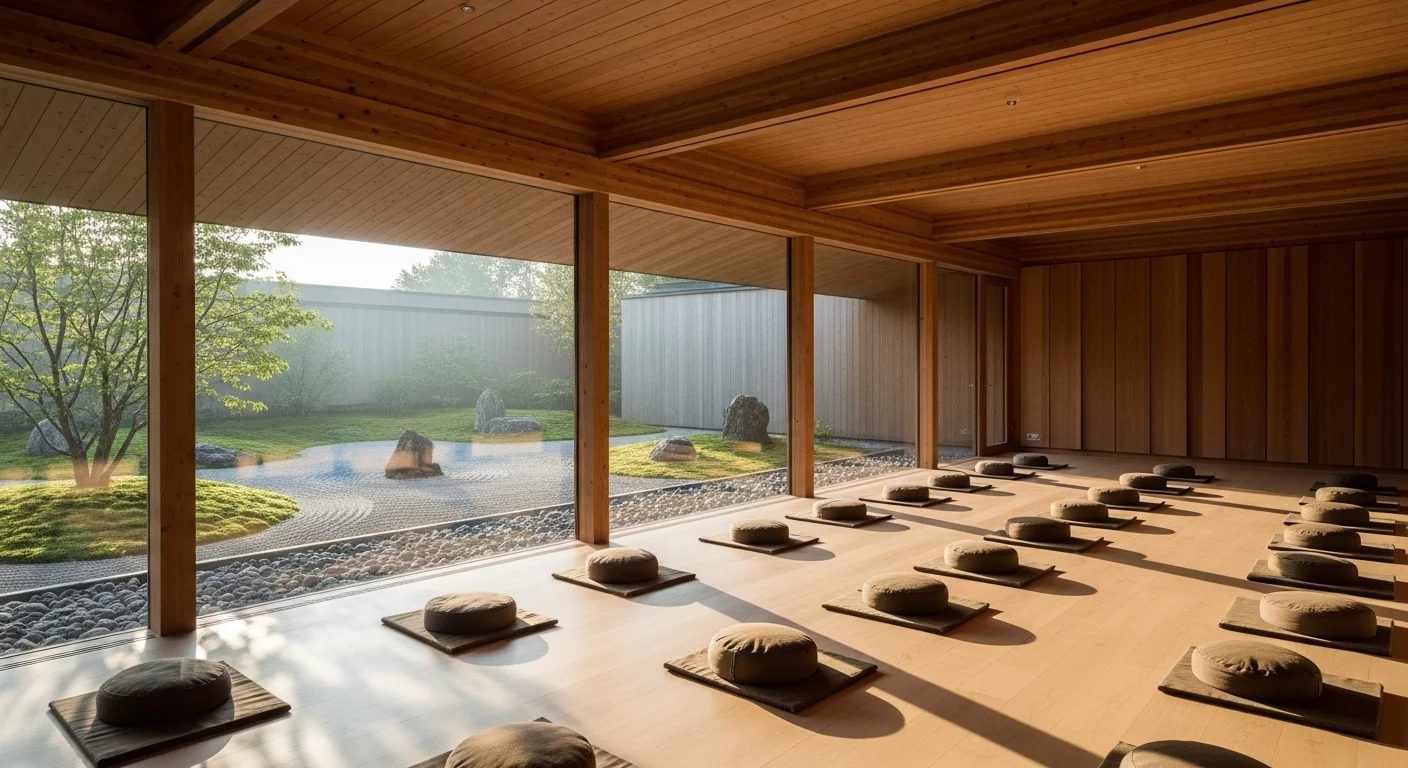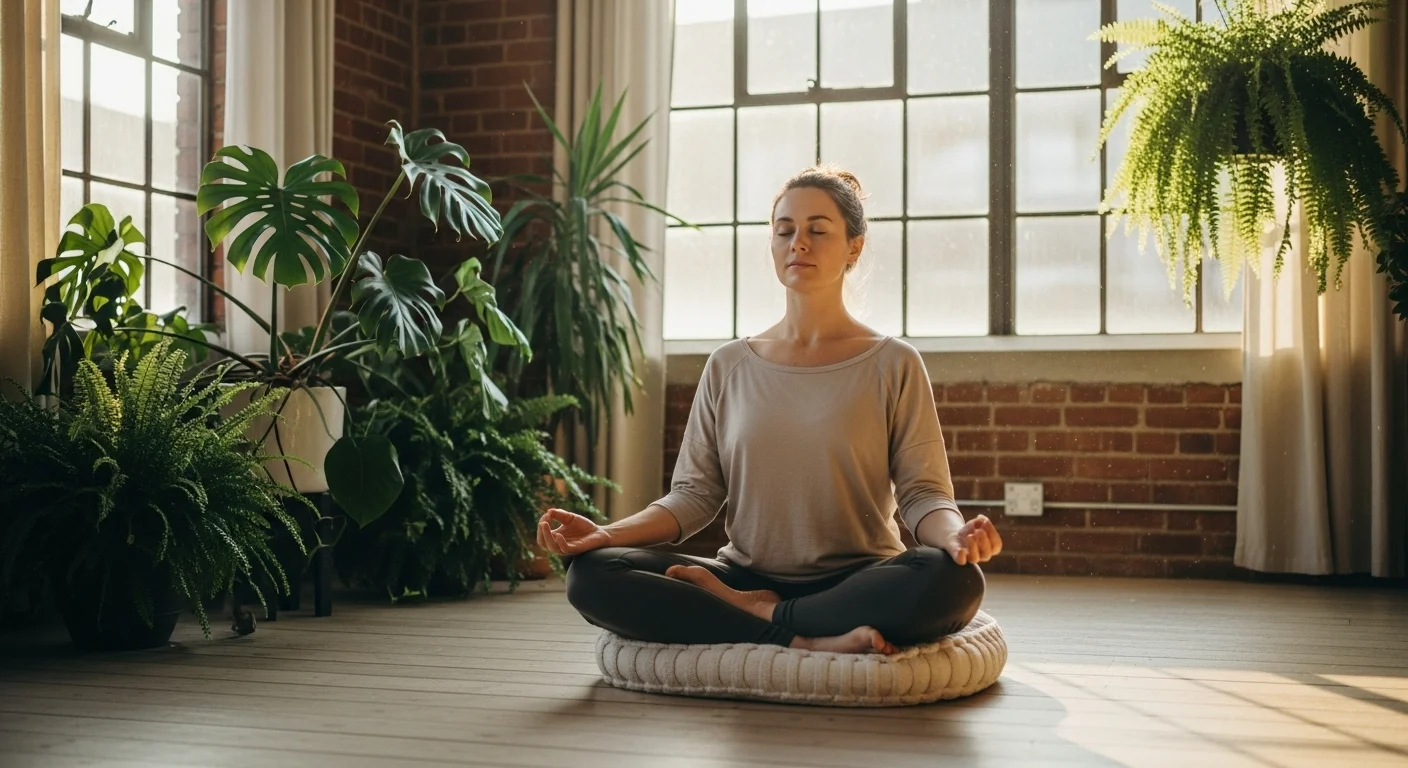
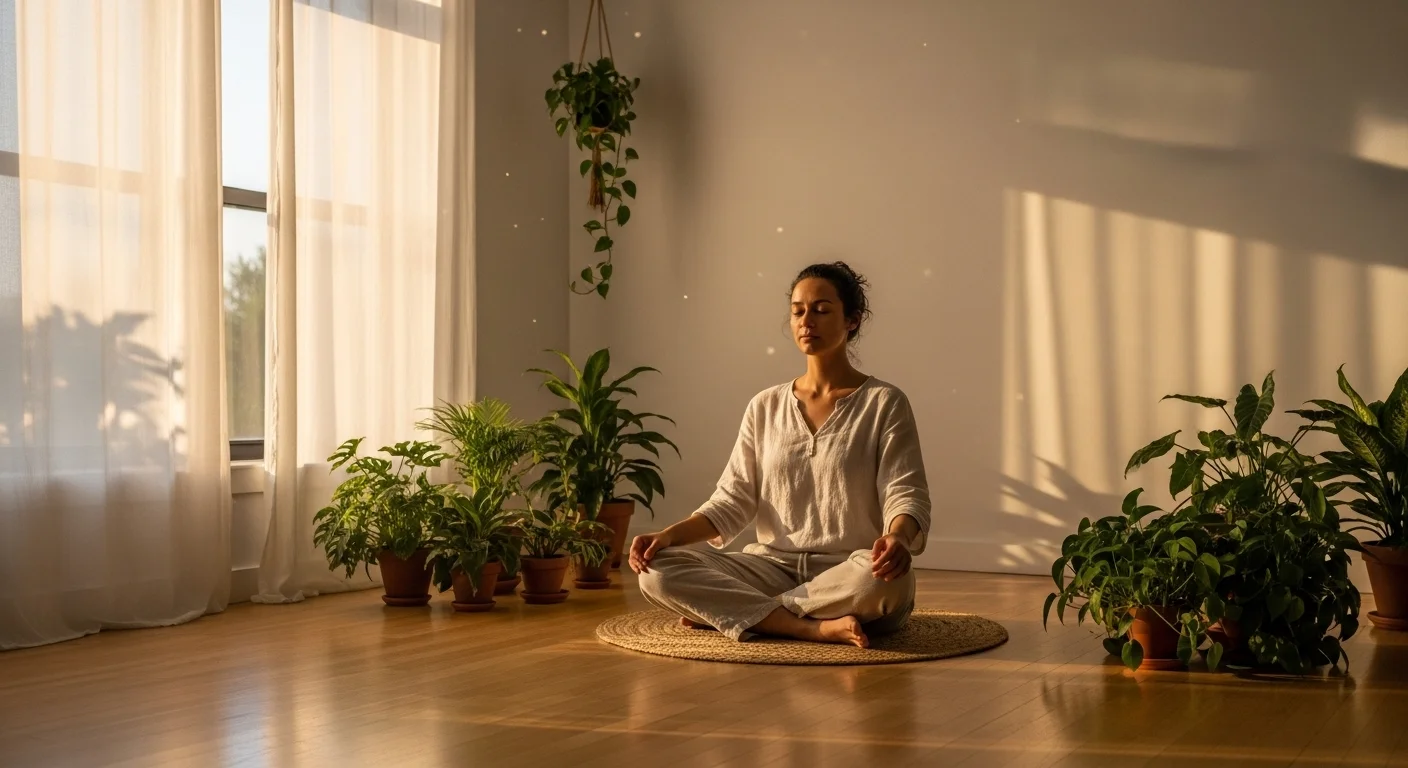
Mindfulness meditation is a mental practice that focuses your attention on the present moment. You observe your thoughts, feelings, and physical sensations without judging them as good or bad. The goal is to notice what happens right now rather than thinking about the past or future.
Practitioners usually sit in a quiet place and often close their eyes. They concentrate on their breathing or a specific bodily sensation to anchor their attention. When the mind wanders to other distractions, the individual gently returns their focus back to the breath or the body.
This technique encourages an attitude of acceptance toward all experiences. You notice discomfort or stress but do not react to it immediately. This observation allows you to control your response. Over time, this consistent practice reduces automatic reactions and lowers overall stress levels in the body.
How Mindfulness Meditation Reduces Anxiety
Mindfulness meditation trains the brain to focus on the present moment. Anxiety often comes from worrying about future events that have not happened yet. By directing attention to immediate physical sensations, such as breathing, the mind stops cycling through negative thoughts and begins to relax.
Regular practice lowers the reactivity of the amygdala, which is the part of the brain responsible for fear responses. This process activates the parasympathetic nervous system and decreases stress hormones like cortisol. Consequently, the body enters a state of calm instead of maintaining a high alert status.
This technique also encourages observing thoughts without judgment or emotional reaction. Instead of fighting anxious feelings, an individual learns to notice them and let them pass. This creates a psychological distance between the person and the emotion, which reduces the overall intensity of the anxiety symptoms.
Scientific Evidence for Mindfulness and Anxiety
Research consistently shows that mindfulness meditation changes the structure of the brain. Multiple studies indicate that regular practice significantly reduces activity in the amygdala, which serves as the processing center for fear. This physical alteration leads to a calmer response when an individual encounters stressful triggers.
Clinical trials demonstrate that mindfulness effectively lowers levels of cortisol, the primary stress hormone in the body. High cortisol levels often correlate directly with increased anxiety symptoms. Participants in these programs report fewer symptoms of generalized anxiety disorder after eight weeks of consistent practice.
Further evidence suggests that mindfulness improves the ability to regulate emotions. It helps individuals detach from worry and rumination, which remain core components of anxiety. By focusing attention on the present moment, the brain breaks the cycle of negative thinking that fuels anxious feelings.

Basic Steps to Practice Mindfulness Meditation
Start by finding a quiet space where you will not face interruptions. Sit comfortably on a chair or a cushion on the floor. Keep your back straight but allow your body to remain relaxed. Close your eyes or lower your gaze to limit visual distractions around you.
Direct your full attention to the physical sensation of your breath. Notice the air moving through your nose or the rise and fall of your chest. Do not try to change your breathing pattern. Simply observe the natural rhythm of each inhale and exhale as it happens.
Your mind will eventually wander to thoughts, noises, or physical feelings. This is a normal part of the process. When you notice this distraction, gently return your focus to your breathing. Repeat this step every time you lose concentration until your meditation session is complete.
Common Challenges During Meditation Practice
Many people struggle with a wandering mind when they start meditating. You might notice thoughts about daily tasks or past events interrupting your focus. This distraction is a normal part of the process and happens to everyone. You should simply return your attention to your breathing.
Physical discomfort is another frequent obstacle for practitioners. You may experience itching, numbness, or back pain while sitting still for long periods. It helps to adjust your posture slightly or choose a chair instead of the floor. Comfort allows you to maintain better focus.
Some individuals feel impatience or strong emotions during their practice. You might believe that nothing is happening or that you are doing it wrong. Acknowledge these feelings without judgment and continue the session. Consistency is more important than achieving a specific state of mind immediately.
Incorporating Mindfulness into Daily Routine
To practice mindfulness effectively, you should select a specific time each day. Many people choose the morning before work or the evening before sleep. This consistency helps build a habit. You do not need a large amount of time. Five minutes is often enough to start.
You can also practice mindfulness during current daily activities. Focus your attention fully when you eat a meal or walk to a destination. Notice the physical sensations and sounds around you. If your mind wanders to other thoughts, return your focus to the current action immediately.
Use visual cues or alarms to remind yourself to pause. Place a note on your computer or set a timer on your phone. When you see the reminder, take three deep breaths. This simple action interrupts anxiety and centers your mind in the present moment.