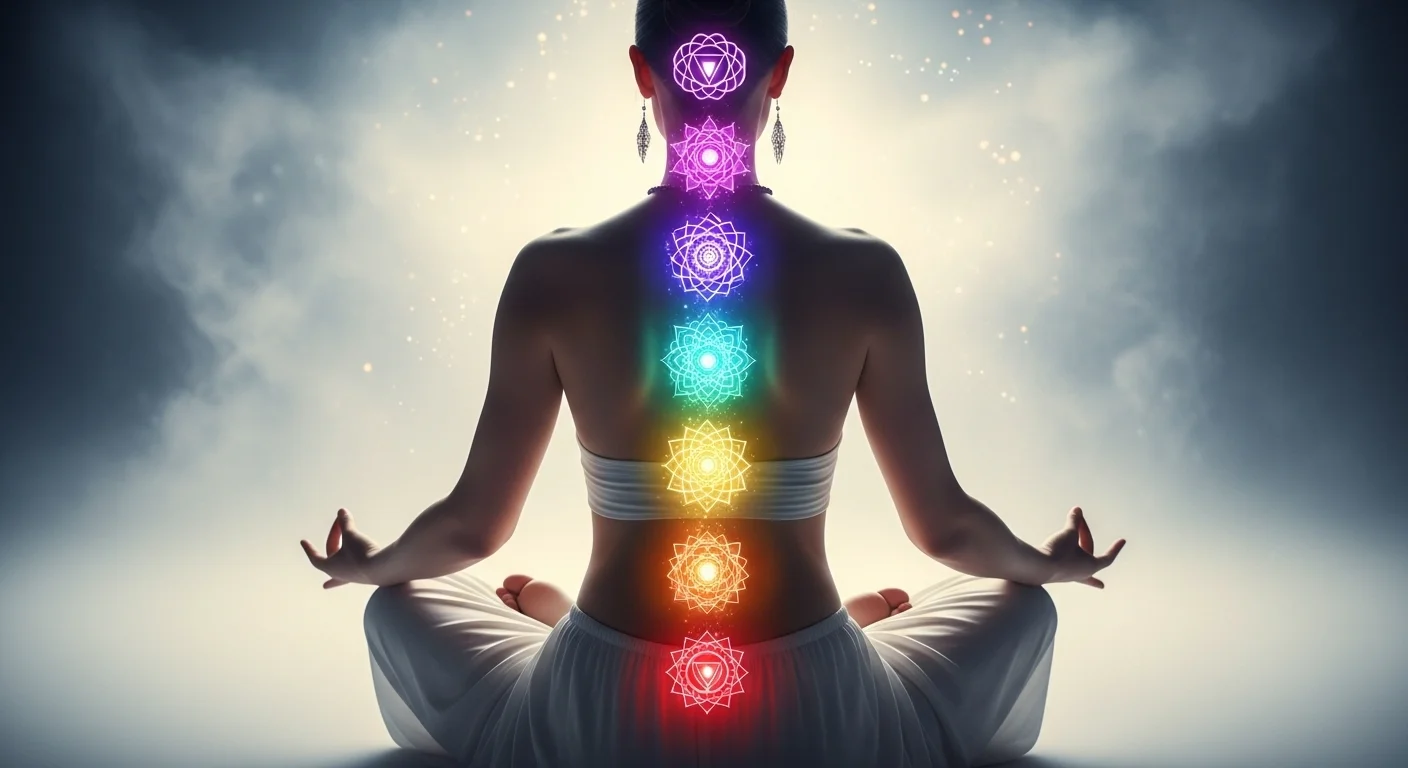
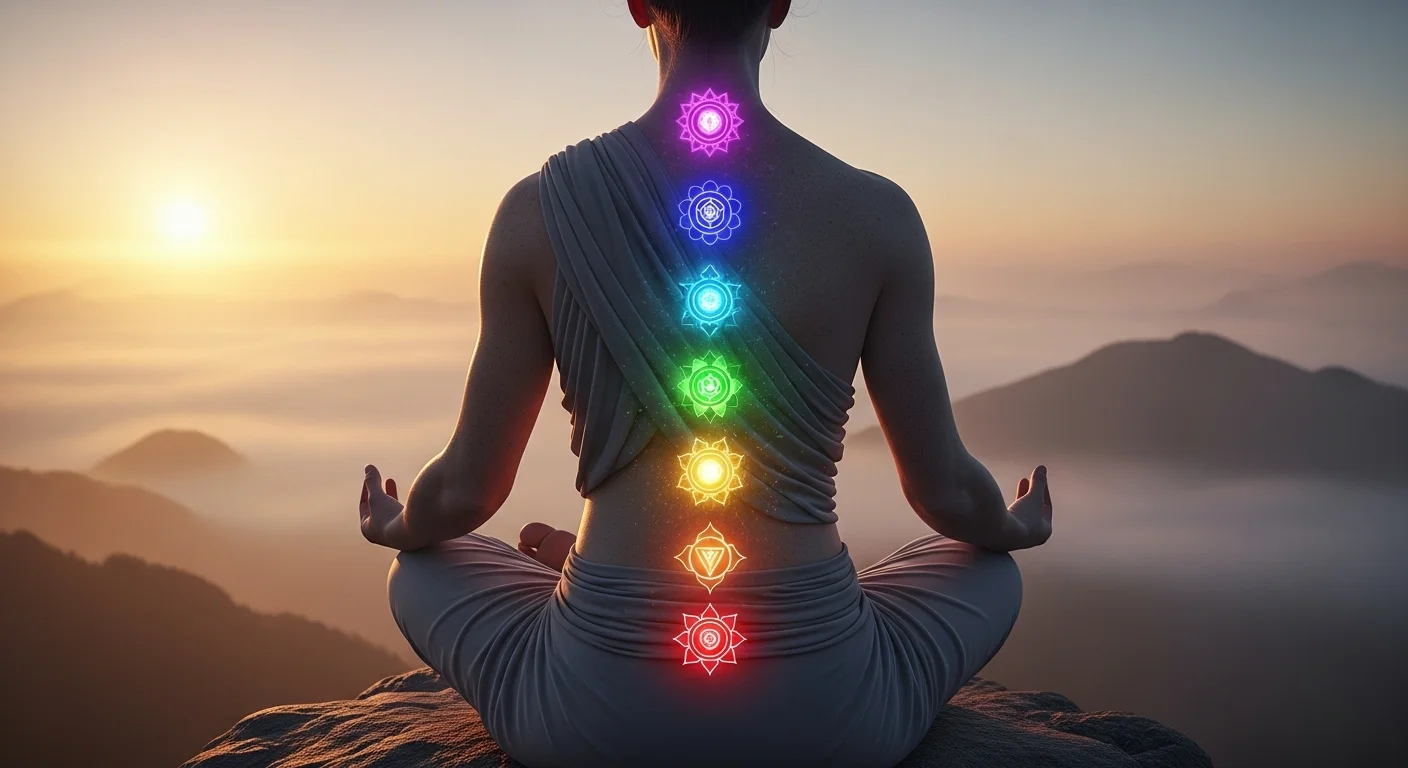
The chakra system originated in India between 1500 and 500 BC. It comes from the Vedas, which are ancient spiritual texts. The word chakra is Sanskrit and translates to wheel or disk. This term refers to wheels of energy positioned throughout the body.
These energy centers connect to specific nerve bundles and internal organs. The system functions as a distribution network for life force energy. Practitioners believe that open channels allow energy to flow freely. This movement supports physical, emotional, and spiritual health within the human body.
There are seven main chakras aligned along the spinal column. The line starts at the base of the spine and ends at the crown of the head. Each center governs specific body parts and distinct areas of psychological functioning. They work together to maintain balance.
The Lower Chakras: Root, Sacral, and Solar Plexus
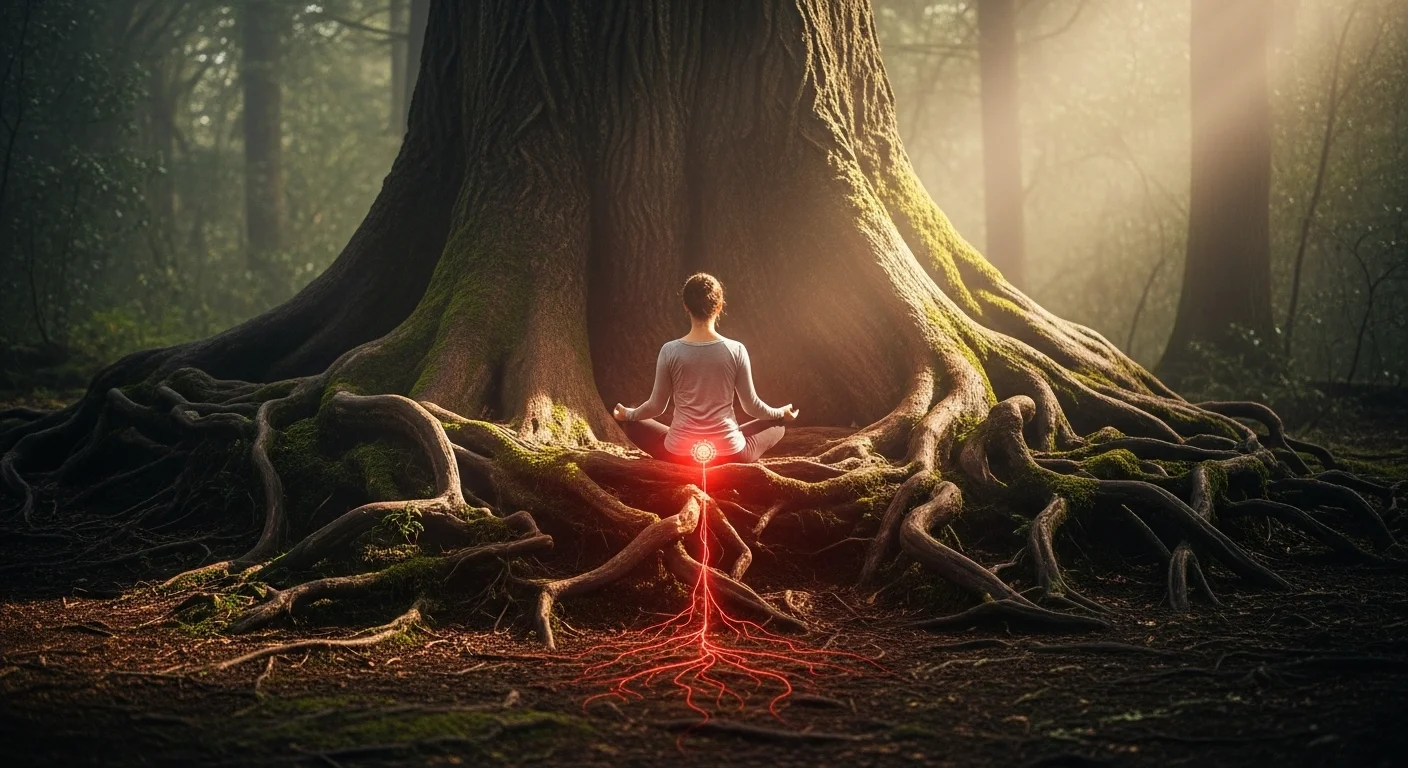
The Root Chakra sits at the base of the spine and connects to the color red. It governs physical needs, survival instincts, and feelings of safety. A balanced Root Chakra supports stability and basic security. This center serves as the structural base for the body’s energy system.
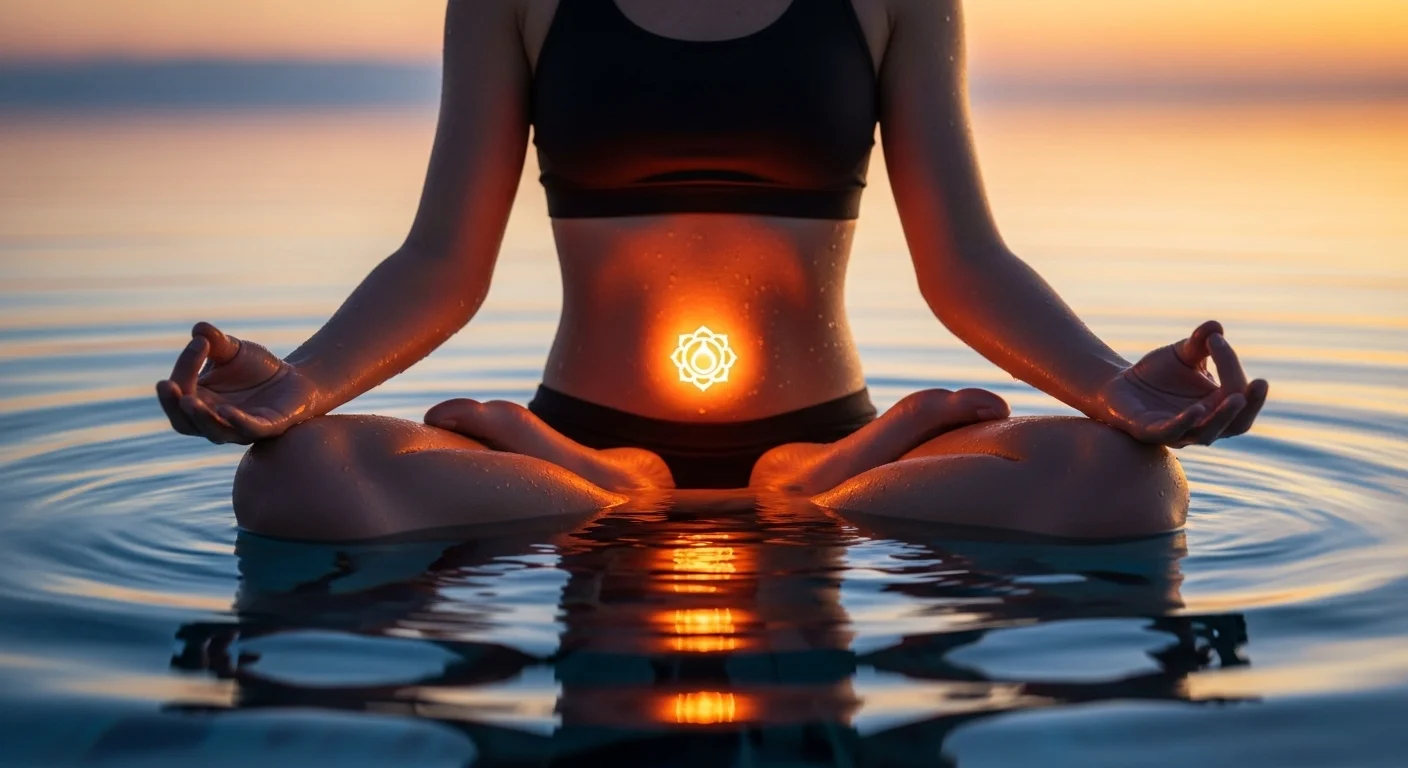
Located below the navel, the Sacral Chakra is linked to the color orange. It controls emotional processing, creativity, and sexual energy. This center influences how individuals relate to others and experience pleasure. Blockages here often result in emotional instability or a lack of creative expression.
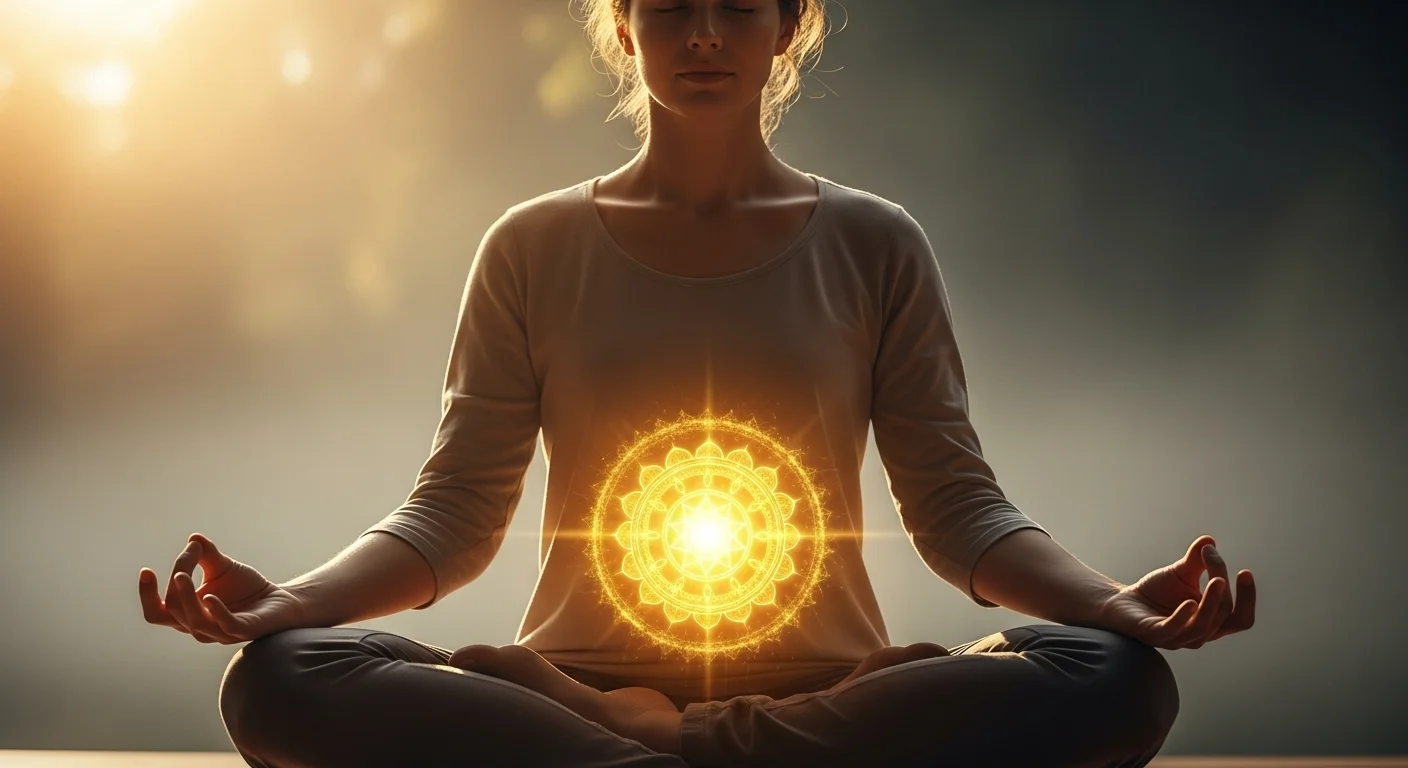
The Solar Plexus Chakra resides in the upper abdomen and is identified by the color yellow. This center regulates personal power, self-esteem, and confidence. It functions as the source of individual will and decision-making. Proper alignment here allows for assertiveness and effective control over one’s life.
The Heart Chakra: Center of the System
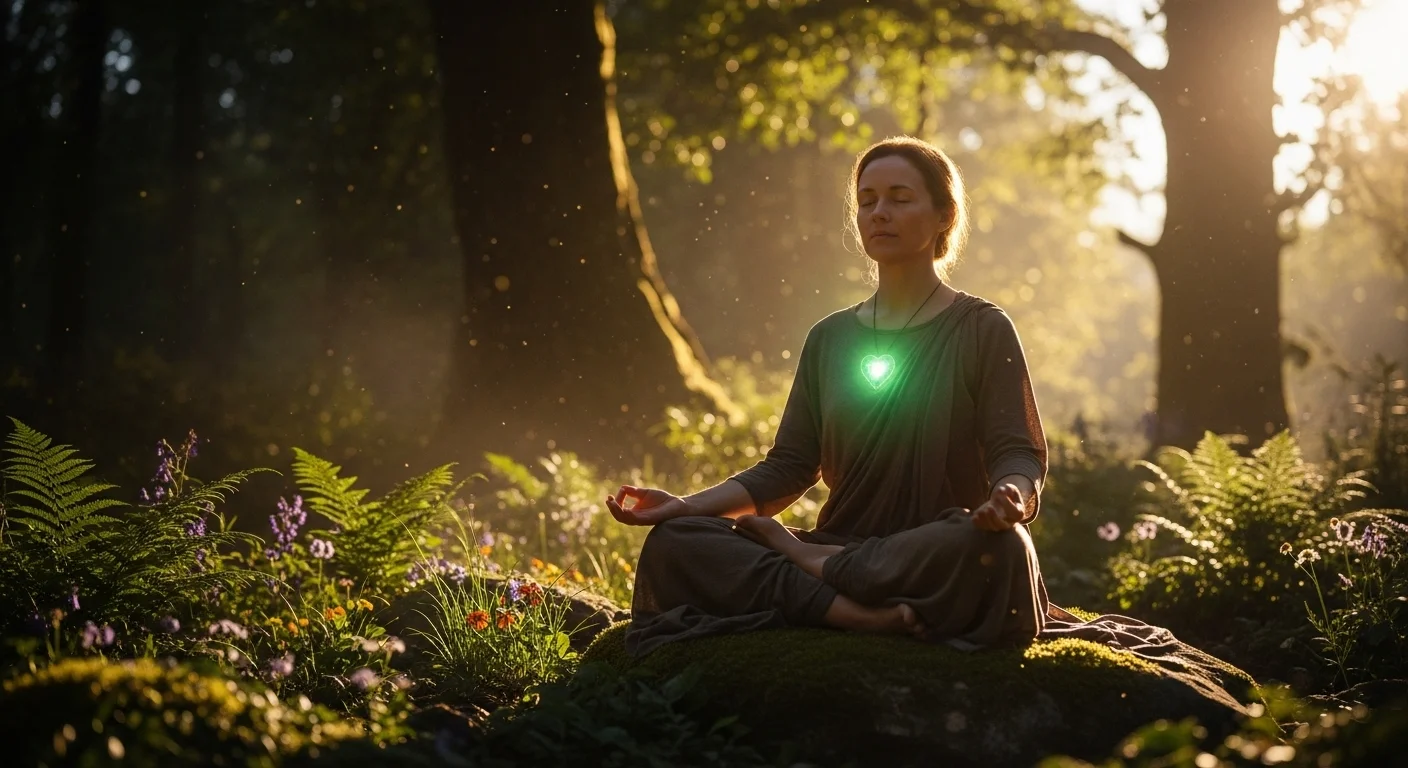
The heart chakra is the fourth energy center in the human body. It sits in the middle of the chest near the physical heart. This location places it between the three lower physical chakras and the three upper spiritual chakras. It connects these two distinct energy systems.
This chakra governs specific emotional states and interpersonal relationships. It regulates feelings of love, compassion, and acceptance toward others and oneself. When this system functions correctly, an individual experiences emotional balance. A blockage in this area often leads to difficulties with intimacy or an inability to forgive.
Green is the specific color associated with this energy center. Air is the corresponding element for the heart chakra. Physically, this chakra influences the thymus gland, the lungs, and the circulatory system. Practitioners often focus on this area to improve respiratory health and lower blood pressure levels.
The Upper Chakras: Throat, Third Eye, and Crown
The Throat Chakra is located at the center of the neck. It is associated with the color blue. This energy center controls communication and self-expression. When this chakra functions correctly, people speak clearly and listen effectively to others. It connects the mind with the body.
The Third Eye Chakra sits on the forehead between the eyes. Its color is indigo. This center governs intuition and perception. It helps individuals process information and think clearly. A balanced Third Eye allows for better concentration and the ability to see situations objectively.
The Crown Chakra is located at the very top of the head. It is often represented by violet or white. This chakra manages spiritual connection and consciousness. It serves as the center of wisdom. When open, it provides a sense of peace and universal understanding.
Symptoms of Chakra Imbalance
When energy centers become blocked or overactive, they fail to regulate the body properly. This disruption often manifests as distinct physical problems near the specific chakra location. For example, an issue with the throat chakra frequently causes sore throats, stiff necks, or thyroid problems.
Imbalances also create noticeable emotional and mental instability. You might experience persistent feelings of fear, anxiety, or sadness without a clear cause. A blocked root chakra often leads to insecurity, while an unbalanced heart chakra typically results in difficulty trusting others or forming relationships.
Identifying these specific signs allows you to determine which energy center requires attention. Once you recognize the pattern of symptoms, you can apply targeted techniques to restore equilibrium. Restoring this balance helps eliminate the physical ailments and emotional distress associated with the blocked energy.
Methods for Chakra Balancing
Meditation is a common technique used to balance the body’s energy centers. Practitioners often sit in a quiet space and focus their attention on specific areas of the spine. This process frequently involves visualizing colors associated with each chakra to restore equilibrium and proper function.
Physical movement and external aids also support energy regulation. Yoga poses are designed to target and stimulate specific chakras through stretching and alignment. Additionally, some individuals use healing stones or sound therapy frequencies to clear blockages and encourage a steady flow of energy throughout the system.
Breathwork and dietary choices play a significant role in maintaining balance. Controlled breathing exercises help regulate the nervous system and move energy through the body. Consuming specific foods, such as root vegetables or fruits, can also provide the nutrients needed to support the vibration of particular chakras.
our Next Step
You can deepen your knowledge even further with the comprehensive manual I’ve prepared on the 7 main chakras. In it, you’ll understand what chakras are, their physical, emotional, and spiritual aspects, as well as the associated deities. It also includes practical charts with crystals, flower essences, scents, Reiki, and much more.

Additionally, you can purchase my book, 69 Exercises for Chakra Alignment—a direct, accessible, and transformative guide filled with specific techniques to work on each chakra. This material is perfect for both those looking to apply exercises in their daily routine and therapists seeking safe, structured resources to use in their sessions.