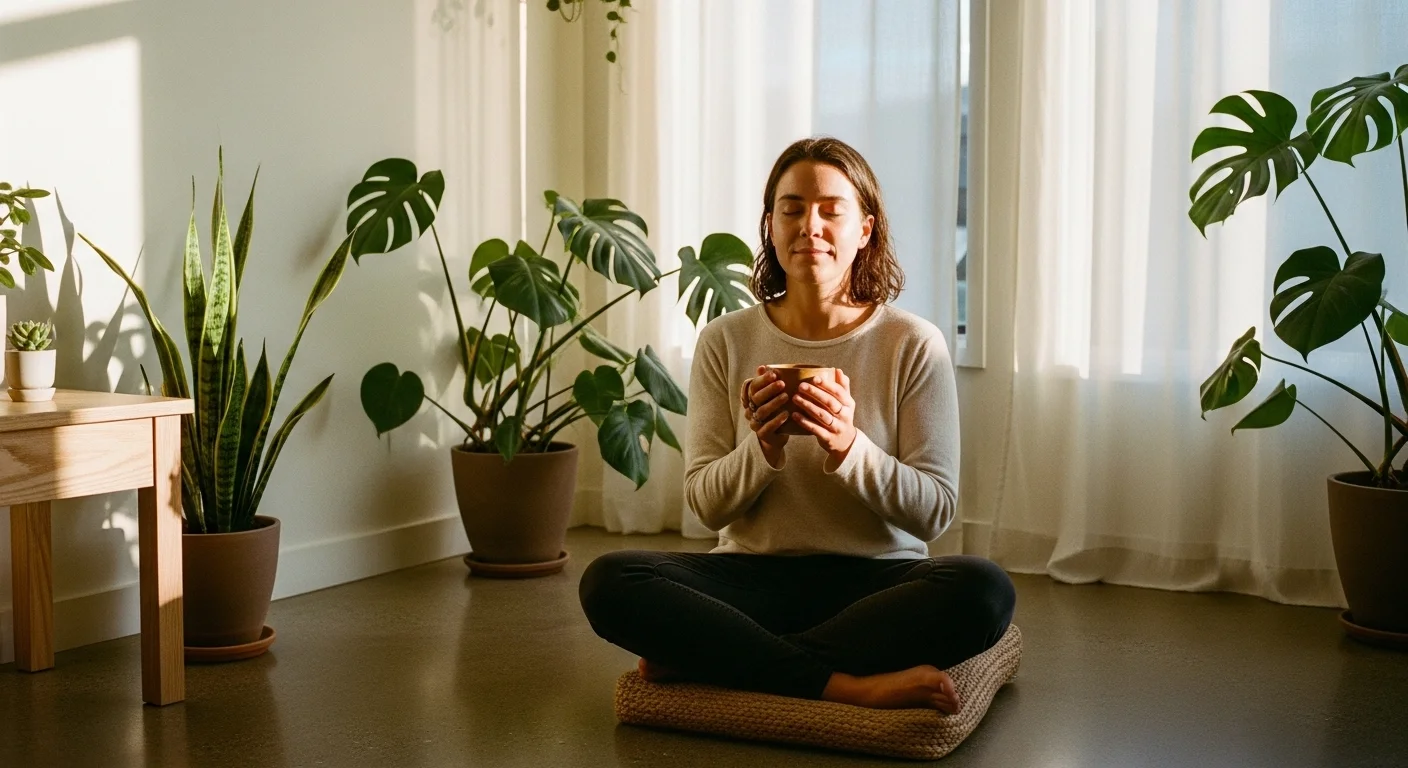
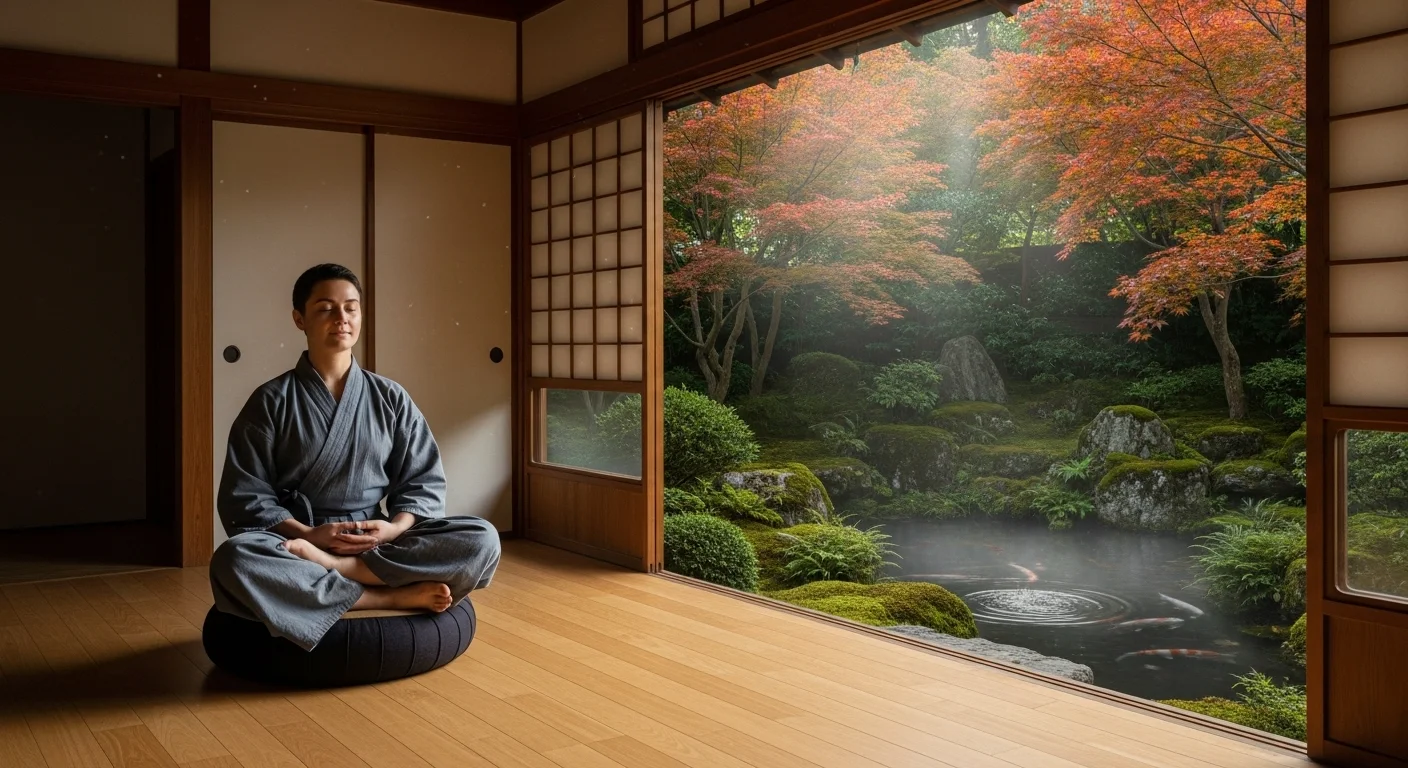
Zen meditation is a Buddhist practice known as Zazen. The term translates to seated meditation in Japanese. It involves sitting in a specific posture to calm the body and mind. The primary focus is on breath control and present awareness.
You observe thoughts as they enter the mind without analyzing them. The practitioner does not attempt to stop thinking entirely. Instead, you acknowledge mental activity and return attention to the breath. This process trains the mind to remain stable and observant.
The goal is to gain insight into the true nature of reality. It is a disciplined method of self-examination rather than a simple relaxation technique. Through consistent practice, individuals develop clarity and understand the functions of their own consciousness more deeply.
Instructions for Sitting Posture
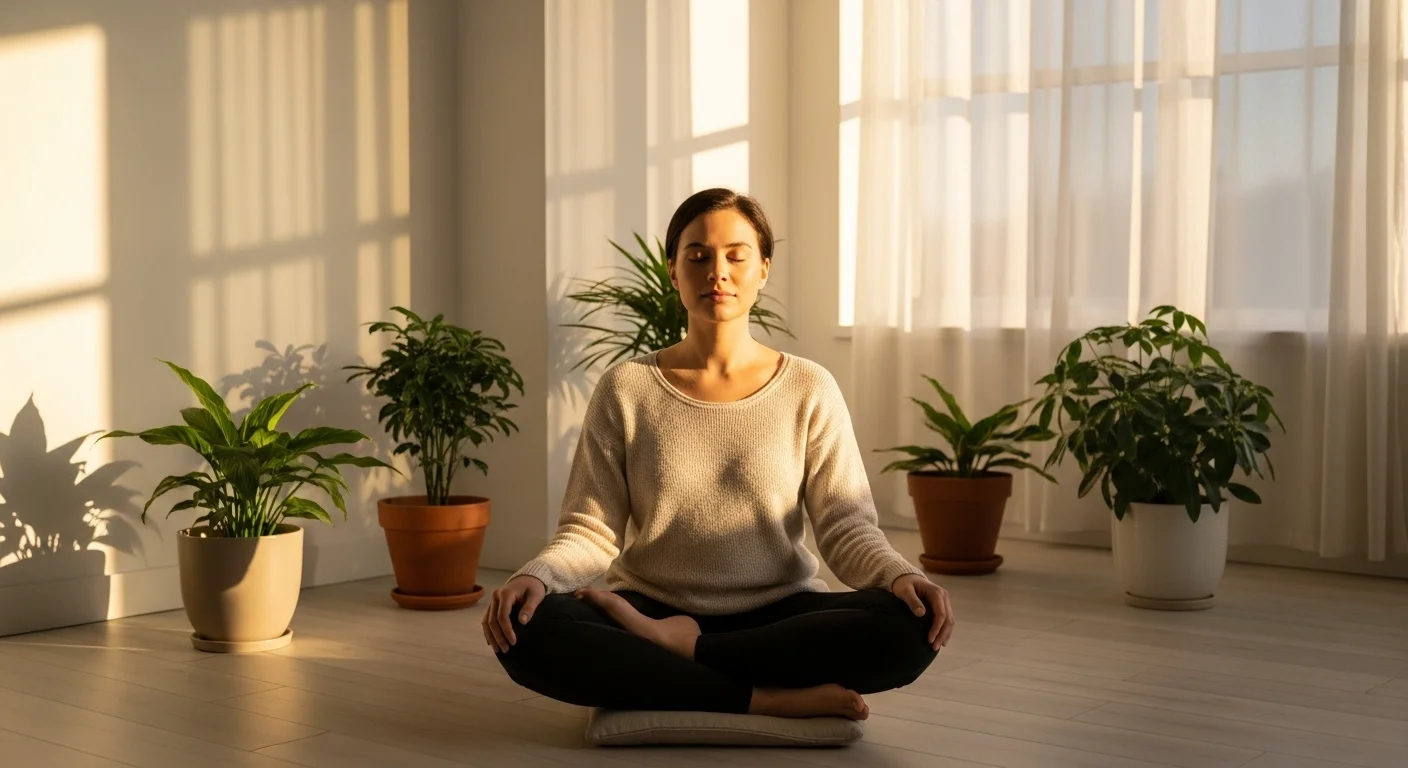
Begin by sitting on the forward third of a cushion to tilt your pelvis forward. You can cross your legs in the full lotus, half lotus, or Burmese position. If these are too difficult, kneel with a bench or sit on a chair with feet flat.
Keep your spine straight and upright to align your ears with your shoulders. Place your left hand on top of your right hand with palms facing up. Touch your thumbs together lightly to form an oval shape and rest your hands on your lap.
Tuck your chin in slightly to straighten the back of your neck. Keep your mouth closed and rest your tongue against the upper palate. Lower your gaze to a forty-five degree angle on the floor and keep your eyes open without focusing on anything.
Techniques for Breathing
You should breathe through your nose during Zen meditation. Keep your mouth closed and let the air flow naturally. Do not try to control the speed of your breath. Focus your attention on the feeling of air entering your body.
Direct your inhalation deep into your abdomen. This area is located two inches below the navel. Your chest should remain still while your belly expands and contracts. This method helps maintain stability and keeps your mind centered on the present.
You may count your breaths to stay focused. Count one on the inhalation and two on the exhalation until you reach ten. If thoughts distract you, simply return to one. Repeat this cycle to steady your concentration during the session.

Management of Thoughts
During Zen meditation, your mind will naturally produce thoughts. You should not try to force these thoughts to stop or suppress them. Instead, simply observe that a thought has arisen in your mind without engaging with the content.
When you notice a thought, acknowledge its presence immediately. Do not analyze the thought or judge it as good or bad. Let the thought pass on its own and gently return your attention to your breathing and posture.
This process requires repetition throughout your practice session. You will likely get distracted many times. Each time this happens, return to the present moment. This consistent effort trains the mind to remain stable and focused over time.
Requirements for the Environment
You should choose a quiet room for your meditation practice. Avoid places with loud noises or constant interruptions from other people. The space must allow you to sit without disturbance for the entire duration of the session. Silence helps maintain focus.
Keep the lighting in the room moderate. Bright lights can cause distraction, while total darkness may lead to drowsiness. You should also regulate the temperature so that the room is neither too hot nor too cold for physical comfort.
Maintain a clean and organized space to reduce visual clutter. Place a cushion or a chair on a flat surface to support your posture. A tidy environment promotes a calm mental state and prepares the mind for the practice.
Scientific Benefits of Practice
Research shows that Zen meditation changes the physical structure of the brain. Studies indicate a reduction in the size of the amygdala. This region is responsible for processing fear and stress. Consequently, regular practitioners experience lower levels of anxiety and better emotional regulation.
Scientists have observed improved attention spans in individuals who meditate. The practice strengthens the prefrontal cortex, which controls focus and decision-making. This cognitive enhancement helps prevent age-related mental decline. It allows people to maintain concentration on tasks for longer periods without becoming distracted.
Clinical trials demonstrate links between meditation and better physical health. The relaxation response lowers blood pressure and reduces the risk of heart disease. Additionally, studies suggest that meditation boosts the immune system. This helps the body fight illness and manage chronic pain more effectively.